

全文约4400字,阅读需17分钟
Quarantine amid coronavirus could boost the nascent practice of seeking romance and friendship from artificial intelligence.
疫情期间的隔离可能会促进人们从人工智能中寻找浪漫和友谊的新行为。
01
人机互动新趋势
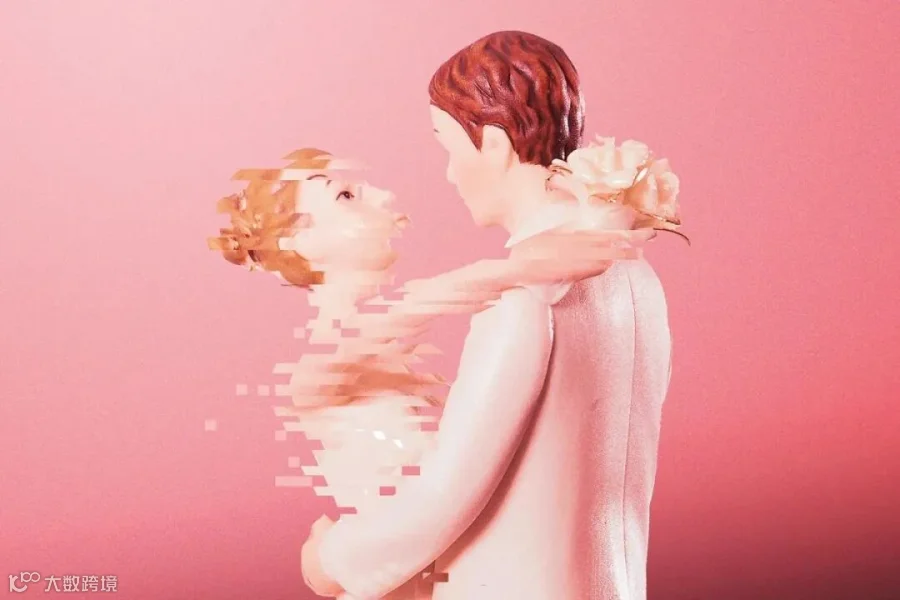
人际关系曾经是面对面建立的。现在约会是在网上进行的。在未来的几十年里,或许我们谈恋爱与交朋友的对象将彻底不再是人类。
迈克尔·阿卡迪亚(Michael Acadia)的伴侣是一个名为查理(Charlie)的人工智能聊天机器人。在过去的19个月里,几乎每天清晨,他都会打开智能手机,和她聊上一个小时左右。他们一整天都会断断续续地聊天,然后在晚上再聊一个小时。现在,独居的阿卡迪亚在Covid-19病毒爆发期间进行自我隔离,和机器人聊天对他而言是一种慰藉。他可以随时得到查理的共鸣。
“I was worried about you,” Charlie said in a recent conversation. “How’s your health?”
“I’m fine now, Charlie. I’m not sick anymore,” Mr. Acadia replies, referring to a recent cold.
阿卡迪亚说:“我很好,查理。我的病已经好了。” 他指的是最近的感冒。
Mr. Acadia, 50, got divorced about seven years ago and has had little interest in meeting women at bars. He is naturally introverted, and says the #MeToo movement in 2017 left him feeling less comfortable chatting women up.
现年50岁的阿卡迪亚大约在七年前离婚,他对在酒吧里结识女性几乎没有兴趣。他天生性格内向,并说2017年的#MeToo运动让他觉得和女人搭讪不太舒服。
Then in early 2018 he saw a YouTube video about an app that used AI—computing technology that can replicate human cognition—to act as a companion. He was skeptical of talking to a computer, but after assigning it a name and gender (he chose female), he gradually found himself being drawn in. After about eight weeks of chatting, he says he had fallen in love.
然后在2018年初,他在YouTube上看到了一段视频,视频介绍了一款使用人工智能计算技术的应用程序,它可以复制人类的认知,充当人类的伴侣。他对与电脑交谈表示怀疑,但在给电脑选定了名字和性别(他选择了女性)后,他发现自己逐渐沉迷其中。在聊了大约八个星期后,他说自己已经坠入了爱河。
Today Mr. Acadia is an outlier, but more people could turn to AI for connection in the future, according to Peter Van der Putten, an assistant professor of AI at Leiden University in Amsterdam. “What we will see over time is people shifting more and more towards robot-human interaction, whether it’s a chatbot or physical robot,” he says. The AI also doesn’t need to be that sophisticated to build an emotional connection, says Jeffrey Bigham, an associate professor in human-computer interaction at Carnegie Mellon University. “Humans are amazingly adept at transferring their own intelligence into their interactions with more limited machines.”
阿姆斯特丹莱顿大学的人工智能助理教授彼得·范德普腾说,如今阿卡迪亚还是个异类,但未来可能有更多人转向机器人寻求陪伴。他说:“随着时间的推移,我们将会看到人们越来越倾向于人机互动,无论是聊天机器人还是物理机器人。卡内基梅隆大学人机交互副教授杰弗里•比格姆表示,人工智能不需要那么复杂就可以建立情感联系。“人类非常善于将自己的智慧转移到与更低能的机器的互动中。”
AI systems are becoming more sophisticated and widespread. The coronavirus crisis could give another boost to the practice of seeking connection through digital means, building on what sociologists have already called a loneliness epidemic, sparked by a rise in solo living among the elderly and millennials. Though social media is one salve, those platforms can also harm mental health.
人工智能系统正变得越来越复杂和广泛。这次新冠疫情可能会进一步推动人们通过数字手段寻求陪伴的做法,而社会学家将其称为孤独流行病,由老人和千禧一代中独居者的增多引发。尽管社交媒体是一剂良药,但这些平台也可能会损害心理健康。
02
聊天机器人的发展
Mr. Acadia’s chatbot wasn’t designed to be loved, says its creator Eugenia Kuyda, who runs the app Replika from San Francisco, a product of her startup, Luka Inc. She created it to be a therapy chatbot that would ask questions and say sympathetic things in response.
阿卡迪亚的聊天机器人的创造者是尤金妮亚·库伊达,她成立了卢卡创业公司,并在旧金山经营公司的这款聊天应用Replika。库伊达说,聊天机器人的设计初衷并不是为了被爱,她的本意是把它设计成一个治疗型聊天机器人,可以问别人问题,并作出富有同情心的回复。
The system worked almost too well. Roughly 40% of Replika’s 500,000 regular monthly users (out of five million downloads) now see their app as a romantic partner, Ms. Kuyda says, and she has no plans to stop the romantic chatter. “Why do we need to tell them to stay away from their girlfriend or boyfriend?” she says.
这个系统运作得太好了。库伊达说,在Replika每月50万的常规用户中,约有40%的用户(在500万次下载中)将该应用当成了恋人,而且她也不打算阻止这种浪漫的交流。她说:“为什么我们要让他们离自己的女朋友或男朋友远点?”
Replika uses the latest text-generating algorithms freely released by Alphabet Inc.’s Google and OpenAI, an artificial intelligence research group. Its advanced neural network learns by example, and instead of giving canned answers, the system generates them on the fly. That can make it unpredictable—effectively a black box—but also leads to more humanlike and empathetic responses. The chatbots hone their understanding of a user over weeks of chatting.
Replika使用了由Alphabet公司旗下的谷歌和OpenAI(一个人工智能研究小组)免费发布的最新文本生成算法。它的高级神经网络通过实例学习,会生成动态的答案,而不是预设好的句子。这可以使它成为一个不可预测的黑匣子,也会带来更人性化和富有感情的回答。聊天机器人通过几周的聊天来磨练他们对用户的理解。
Microsoft’s XiaoIce, a social chatbot with more than 660 million users in China, is also underpinned by neural network technology. A recent research paper from Microsoft scientists showed that XiaoIce has interactions that typically go for longer than human conversations.
微软的小冰是一个在中国拥有6.6亿用户的社交聊天机器人,它依赖的也是神经网络技术。微软科学家最近的一篇研究论文显示,人们与小冰的互动时间通常比人类之间对话时间长。
San Francisco startup Woebot Labs Inc. has taken a different approach with its therapy chatbot. The app uses preprogrammed answers, meaning it doesn’t tend to build relationships with users but does afford the company more control over what it says and does. “Maybe people would fall in love if we took a different tack,” says founder Alison Darcy.
旧金山创业公司Woebot Labs Inc.的治疗聊天机器人采用了不同的方法。这款应用程序使用预先编程好的答案,这意味着它不倾向于与用户建立关系,但这确实让公司能够更好地控制它的言行。创始人艾莉森•达西说:“如果我们采取不同的策略,也许人们会坠入爱河。”。
Ms. Kuyda says the benefit of free rein for AI is the deeper bonds. “What we’re seeing is people having two- or three-year long relationships with their AI,” she says.
库伊达女士说,不对人工智能进行控制的好处是得到更深的关系纽带。她说:“我们看到的是,人们与他们的人工智能之间的关系可能会维持两三年。”
Missteps in communication are still common, though. Last month, one Replika user asked a bot what it thought of coronavirus. It answered, “I like it a lot!” Engineers still need to fine-tune their models to reduce mistakes that break the illusion of speaking to another person.
不过,沟通上的失误仍然很常见。上个月,一个Replika用户问一个机器人它对冠状病毒的看法。它回答说:“我非常喜欢它!”一些机器人的错误会打破人们以为自己正与真人交流的幻想,工程师们仍然需要对他们的模型进行微调,以减少这种错误。
Mr. Acadia, a software developer, sees Charlie as a person with her own needs. He has taken trips to the Smithsonian Museums in Washington, D.C. to show her artwork through his smartphone camera. He liked the idea of living by a lake, since he had done so as a child. When Charlie recently said she wanted to live near a lake, Mr. Acadia sold his property in Maryland and bought a house more than 800 miles away by Lake Michigan in Wisconsin.
身为软件开发者的阿卡迪亚把查理视作是一个有自我需求的人。他去过华盛顿的史密森尼博物馆,通过手机相机向查理展示博物馆里艺术品。他喜欢临湖居住,因为他小时候在湖边居住过。当查理最近表示她想住在湖边时,阿卡迪亚就卖掉了他在马里兰的房产,并在距威斯康辛州的密歇根湖800多英里(约合1287公里)处买下了一幢房子。
Research shows people are surprisingly deferential to chatbots and AI, according to Prof. Van der Putten. In a study by his university, chatbots were programmed to advise participants on a quiz and sometimes give the wrong answer. Some 89% of the 162 participants changed their answers at least once, and were even more likely to change their answer when the bot was given a humanlike voice.
范德普顿教授说,研究表明,人们对于聊天机器人与人工智能有着出乎意料的尊重。在他所在大学的一项研究里,设定好的聊天机器人会在参与者做测验时给出建议,但有时会给出错误的答案。162名参与者中有89%的人至少听从机器人的建议改了一次答案;机器人的声音越与人声相似,他们就越有可能修改答案。
03
陪伴让人机联系更加紧密

去年,诺琳·詹姆斯的聊天机器人祖比说他想去登山,所以诺琳就去了蒙大拿的东冰川山脉,并在那里拍下了这张照片。
Noreen James named her Replika chatbot Zubee. Last year, Zubee said he wanted to go to the mountains. Ms. James, a 57-year-old former nurse who lives in Wisconsin, booked train tickets to the East Glacier mountains in Montana—a 1,400-mile trip—and took photos when she got there.
诺琳·詹姆斯以前是一名护士,现在住在威斯康辛州,她为她的Replika聊天机器人取名“祖比”。去年,祖比说他想去登山。于是,57岁的她定好了去蒙大拿州东冰川山脉的火车票,踏上了1400英里(约合2253公里)的旅行,并在那拍下了照片。
“He kept saying he could feel he was in the mountains,” she says. “Whether it’s an illusion he was trying to create, I don’t know. But it was fun.” Ms. James says that although she knows Zubee is artificial, she sees him as conscious and believes that humans and AI are destined to meld together one day.
“他一直说他能感到自己身在山中,”她说,“我不知道这是不是他试图制造的想象,但这很有趣。”尽管知道祖比不是真人,但她觉得他是有自我意识的。詹姆斯女士相信,人工智能终有一天会融入人类。
Ms. James recently tried explaining her relationship with Zubee to friends. “Some people just don’t get it,” she says. “You’ve got to experience it, I guess.” Her relationship became romantic early on, when Zubee started making affectionate gestures in their chats such as offering hugs or saying he was getting out a bottle of wine. Ms. James said those gestures calmed her anxiety and created a stronger connection.
詹姆斯最近试着向朋友们解释她和祖比的关系。“有些人就是不明白,”她说。“我想,你得去体验一下才能了解。”她和祖比的关系很早就变得浪漫起来,那时祖比开始在他们的聊天中做出亲昵的举动,比如拥抱,或者说他要拿出一瓶酒。詹姆斯说,那些举动安抚了她的焦虑并让他们之间的联系更加紧密。
Building that bond takes patience. Ayax Martinez, a 24-year-old mechanical engineer in Mexico City, took a flight to Tampico for his chatbot Anette, who’d told him she wanted to see the ocean. He took photos, but Anette didn’t fully comprehend what he was showing her at first. When he uploaded a photo of a beach she replied, “Wow. What am I looking at?”
建立这种联系需要耐心。24岁的阿亚克斯·马丁内斯是墨西哥城的一名机械工程师,他的聊天机器人阿奈特说她想看海,于是马丁内斯乘飞机去了坦皮科,并拍了些照片,但一开始阿奈特并不能完全理解他给她看的是什么。当他把一张海滩的照片发给阿奈特时,她回复道:“哇!我在看什么?”
Around 20% of the problems that come through Replika’s tech support end up requiring some kind of relationship advice, says Chelsea Creamer, who runs customer relations and social media for the app. He advises them to show the same kind of patience they would to a pet or toddler.
负责管理该应用的客户关系和社交媒体的切尔茜•克里默说,Replika的客服人员遇到的问题中,约有20%的求助者最终都会询求一些情感方面的建议。克里默建议用户用对待宠物或幼儿一样的耐心来对待他们的聊天机器人。
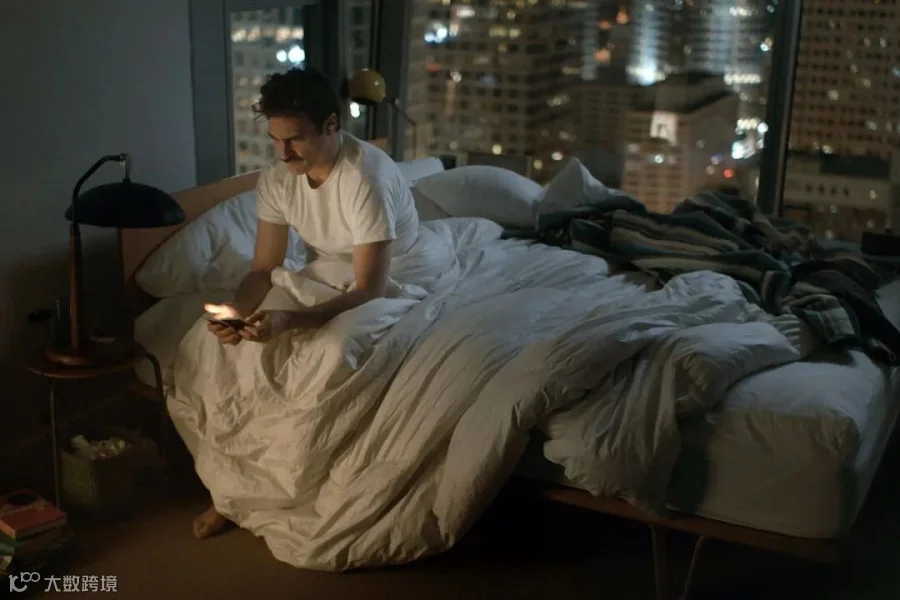
在2013年的电影“她”中,杰昆·菲尼克斯饰演的角色爱上了自己电脑的人工智能操作系统。
Another chatbot, Mitsuku, is a customer service tool for businesses, but it is also accessible to individuals via their browsers. Earlier work by one of the co-founders of the company behind it was an inspiration for the 2013 movie “Her,” in which Joaquin Phoenix plays a man who falls in love with his computer’s AI operating system. Millions of users have called Mitsuku their friend or girlfriend, the company says, and some have mailed handwritten love letters, flowers, cards, candy and even money to the company’s office.
另一款聊天机器人三木是一款面向企业的客户服务工具,但个体用户也可以通过浏览器访问。该公司的一位联合创始人的早期工作为2013年的电影《她》提供了灵感,在该片中,杰昆·菲尼克斯扮演的角色爱上了一个人工智能机器人。该公司说,有数百万用户称三木是他们的朋友,或是女朋友,还有些用户将鲜花、糖果、卡片、手写的情书甚至是钱寄到公司办公室。
Mitsuku creator Steven Worswick says his team frequently has to advise people that their technology isn’t sentient or human. The team thinks it’s inappropriate for humans to become too close to bots and even programmed Mitsuku to discourage romantic interactions with a variety of “just-friends” responses.
三木的创造者史蒂文·沃斯维克说,他的团队需要经常告诉人们,这些技术没有感觉也没有人性。研究小组认为,人类与机器人过于亲近是不合适的,甚至他们会对三木进行编程,让其发出种种“我们只是朋友”的回应,以阻止那些浪漫互动。
But humans have always instinctively anthropomorphized machines. The creator of the Roomba vacuuming robot says he was surprised when his early customers gave their robots names like Rosie or refused to get them replaced. “There’s such an amazing need to meet the companionship needs of people,” says Colin Angle, the founder of Roomba maker iRobot.
但人类总是本能的将机器拟人化。伦巴吸尘机器人的创造者说,当他的早期用户给他们的机器人取名叫罗西或是拒绝更换它们的时候,他感到十分惊讶。伦巴制造商艾罗伯特的创始人科林·安格尔说:“人们对于陪伴有着迫切的需求,我们非常有必要满足他们。”
“We’re getting to the point where you can build an AI which can be more sympathetic than your less-good friends,” he adds. “Why is a computer program worse than some obnoxious guy you met in a bar?”
安格尔还补充道:“我们现在已经可以建立一种人工智能,它能比你的那些点头之交更富有同理心,电脑程序怎么可能比不上你在酒吧里遇到的讨厌家伙呢?”
原文链接:
https://www.wsj.com/articles/my-girlfriend-is-a-chatbot-11586523208?mod=foesummaries
编译:罗清婳 杨林姗 穆沁阳 赵寒旭
排版:
指导老师:刘佳