


全文共3161字,阅读需要10分钟


Up all hours: ‘natural night owls are fundamentally different to insomniacs or people who zstay up until the early hours because of family or work circumstances.’
一直熬夜:‘天生的夜猫子与失眠症患者或是因家庭或工作原因而熬夜到凌晨的人在本质上是不同的。’
For as long as she can remember, Jenny Carter has gone to bed late and not woken up until late the following morning, sometimes even the early afternoon. Growing up, she didn’t have a bedtime. She loves evenings. They’re when she feels the most creative and can concentrate the best. But that’s not when her employer or society expects her to be productive.
从詹妮·卡特记事起,她就睡得很晚,第二天早上很晚才醒来,有时甚至睡到午后。从小到大,她没有固定的睡觉时间。她喜欢夜晚,这是最有创造力,最能全神贯注的时候,但并不是她的雇主或社会期望她富有成效的时候。
“Going to bed at a ‘normal’ time feels so unnatural to me,” she says. “But society just doesn’t cater for people whose sleep cycle doesn’t fit the generic 9 to 5.” She has got into trouble at work for her timekeeping, which has led to disciplinary action.
她说:“在‘正常’时间睡觉对我来说太勉强了,但是社会并不会照顾那些睡眠周期不适合朝九晚五的人。”她在工作中因不守时而被批评,受到纪律处分。
Carter, 27, an NHS co-ordinator, is an “extreme night owl”, one of an estimated 8.2% of the population whose natural inclination is to fall asleep well after midnight. Left to her own devices, she’d prefer to go to bed around 3am and wake up about noon.
27岁的卡特是英国国家医疗服务体系的协调员,她是一个“极端夜猫子”。据估计,英国有8.2%的人和卡特一样天生在午夜之后才能酣然入睡,卡特就是其中之一。如果任由她自己决定的话,她宁愿在凌晨3点左右上床睡觉,在中午时分醒来。
But this isn’t what frustrates her most about being a night owl. “I think one of the worst things is people equating night owls and late risers with laziness,” she says. “I am just as productive, enthusiastic and organised as others, but at a different time. Feeling completely out of sync with the rest of society is the hardest thing, like you must be the one that’s wrong.”
但这并不是她作为夜猫子最沮丧的地方。她说:“我认为最糟糕的事情之一就是人们把夜猫子和晚起的人等同于懒人。我和其他人一样(在工作时)高效、有热情、有条理,只是工作的时间不一样。感到与社会完全不同步是最困难的事情,就像你一定是错的那个人。”
There’s a growing body of evidence that suggests it’s society, not night owls like Carter, that is wrong. The field of chronobiology seeks to understand how individuals are driven by an internal clock – their “chronotype” – one that is set by genetics, not willpower. The term night owl is shorthand for the chronotype that drives people to go to bed later and rise later. This contrasts with morning larks, who naturally want to go to bed early and wake up early. Most people fall somewhere between the two, with an average sleep cycle running from around 11.30pm until 7.30am.
越来越多的证据表明,错的并不是像卡特这样的夜猫子,而是社会。时间生物学领域试图理解个人是如何被个体内部的生物钟,也就是他们的“睡眠类型”驱动的。而生物钟是由基因而不是意志力决定的。一种促使人们晚睡晚起的睡眠类型被简称为“夜猫子”。这与天生追求早睡早起的“早起鸟”类型的人们形成了鲜明对比。大多数人介于两者之间,平均的睡眠周期是晚上11点半到早上7点半。
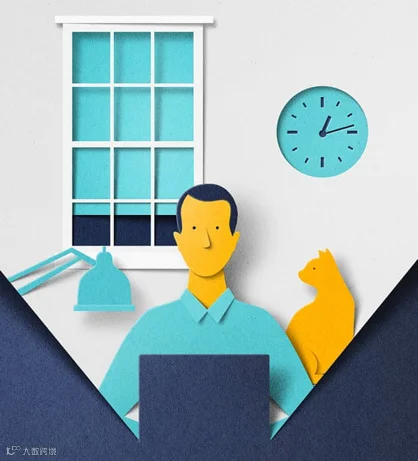
‘Say goodbye to your inner farmer. You don’t have to get up with the cows.’
“跟你内心的农夫说再见吧。你不用再和牛一起早起了。”
So why do night owls exist? There is no single universally accepted theory, but evolutionary biologists think that communities with more variation in chronotypes may have been more likely to survive. If not everyone needs to sleep at the same time, then some members of the tribe can stand guard and protect those who are resting.
那么,为什么会有夜猫子呢?目前还没有一个被普遍接受的理论。进化生物学家认为,(在原始时期,)群体睡眠类型越多样,他们就越有可能生存。如果部落中的每个人不需在同一时间睡觉,其中一些成员就可以站岗,保护那些在休息的人。
Another theory is that variation is simply how genetics works. Colin Espie, professor of sleep medicine at the University of Oxford, says this mirrors differences in hair, eye and skin colour, or height. “It’s a bit like any other biological characteristic. There’s a normal distribution, so there are people on both extremes – and the majority of people are neither.”
另一种理论认为,(睡眠类型的)多样性只是遗传学的工作原理。牛津大学睡眠医学教授科林•埃斯皮表示,这种多样性就像是(遗传学上)头发、眼睛和皮肤颜色或身高的差异。“这有点像其他任何生物特征(的遗传)。人们的睡眠类型呈正态分布。因此会有有人是极端睡眠类型,而大多数人两者皆不是。”
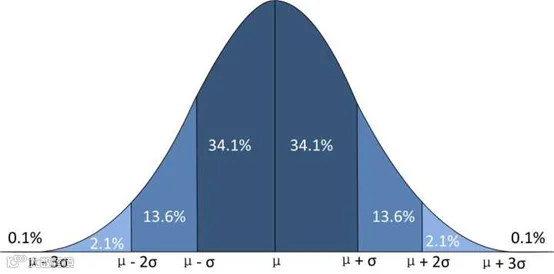
正态分布示意图(来源网络)
Natural night owls are fundamentally different to insomniacs or people who stay up until the early hours because of family or work circumstances. Being a night owl isn’t a problem – unless you’re trying to fit into a schedule that doesn’t suit your natural cycle.
天生的夜猫子本质上与失眠症患者或因家庭、工作熬夜的人是不同的。你完全可以当个夜猫子,除非你正想努力适应(社会给你规定的)不符合自己睡眠周期的时间安排。
But this isn’t always well understood. Jessica Batchelor is a medical writer who feels most productive at 11pm in the evening. “I can’t tell anyone when I went to sleep, woke up, showered, ate a meal, or took a nap without being judged,” she says. “I struggle with feelings of guilt and shame."
但睡眠类型带来的影响并不总是被很好地理解。杰西卡·巴彻勒是一位医学作家,她觉得晚上11点的时候效率最高。她说:“如果我告诉任何人我什么时候睡觉、起床、洗澡、吃饭或小睡,别人一定会对我指指点点。我一直都在与罪恶和羞耻感作斗争。”
Research shows that night owls can “retrain” their body clocks through lifestyle adjustments, including exercise and meals at set times, combined with light exposure. This doesn’t necessarily mean that night owls can easily adjust. Many think that the ideal solution for night owls is to find work that better suits their natural rhythm. For some, this may be shift work, while others opt for flexible employment, such as setting up their own business or freelancing.
研究表明,夜猫子可以通过调整生活方式来“重新设置”生物钟,比如在固定时间锻炼和吃饭,搭配着光照(刺激)。但这并不一定意味着夜猫子能轻易适应(这种改变)。许多人认为,对夜猫子来说,最理想的是找到一份更适合他们自然节奏的工作。一些人可能选择一份轮班工作,而另一些人可能会选择灵活的工作,比如自己创业或做自由职业者。
Flexible work schedules are currently not the norm, but sleep experts believe they should be. For 15 years, Camilla Tring has run B Society, which advises companies around the world on how to implement “chronoleadership” – the idea that they should adapt their work patterns to suit the sleeping schedules of their employees, rather than the other way around.
虽然灵活的工作时间安排目前还不是常态,但睡眠专家对这种安排表示认可。15年来,卡米拉·特林一直经营着B Society,它为世界各地的公司提供如何实施“时间领导”的建议,即公司应该如何调整工作模式,以适应而不是违逆员工的睡眠时间周期。
While morning larks equally benefit from being allowed to arrive at work early and leave early, Tring feels that the battle is hardest for night owls, who experience more stigma. Many night owls say they receive sarcastic comments from colleagues about being lazy when they arrive at work later, even when they stay late to compensate.
虽然说早起的人可以早到早退,但特林觉得,职场的竞争对夜猫子来说是最艰难的,因为他们往往会经历更多的耻辱。许多夜猫子说,当他们上班迟到之后,即使加班进行弥补,同事们也会讽刺他们懒惰。
This mentality is rooted in our agrarian past, when farm work had to begin at dawn, she says, since people who slept in were unable to provide for their families. These ingrained belief systems are evidenced through aphorisms that span cultures, such as “the early bird catches the worm”. Tring thinks that they no longer apply to the modern world: “We should say goodbye to our inner farmer – we don’t have to get up with the cows any more.”
她说,这种心态根植于我们过去的农耕时代,那时农活必须在黎明时分开始,因为睡过头的人无法养家糊口。这些根深蒂固的信仰体系在跨越文化的格言中得到了证明,比如“早起的鸟儿有虫吃”。特林认为它们不再适用于现代社会:“我们应该和内心的农夫说再见——我们不必像牛一样早起干活了。”
Part of the reason for this prejudice is that sleep science is the missing piece of the public health puzzle. Our culture mistakenly associates sleeping little and rising early with virtue. It is often extolled as a habit of successful people: for instance in the fascination with Margaret Thatcher’s four-hour rest, or articles about “sleepless-elite” CEOs who start their days with a 4am jog. Yet this belies a glaring inconsistency: around eight hours of good-quality sleep is essential for better health for almost everybody.
造成这种偏见的部分原因是睡眠科学一直是公共健康难题中缺失的一块。我们的文化错误地把少睡早起与美德联系在一起。人们常常称赞它是成功人士的一种习惯:例如,人们称赞玛格丽特·撒切尔一天只休息四小时,或是关于“不眠精英”CEO们的文章,他们总以凌晨4点的慢跑开始自己一天的生活。然而,这掩盖了一个明显的矛盾:8小时左右的高质量睡眠对几乎所有人的健康都是必不可少的。
But Professor Espie thinks the tide is turning. “For many years, we’ve been advocating for sleep and it’s been falling on deaf ears. But nowadays there’s a lot being written about sleep in the media and it’s coming into the public consciousness. That’s hugely important.” he says.
不过埃斯皮教授认为趋势正在转变。他说:“多年来,我们一直在提倡睡眠,却始终没有得到重视。但如今媒体上有很多关于睡眠的文章,并引起了公众的关注。这是非常重要的。”
As well as a need for greater awareness of the importance of sleep, there are too many myths circulating around it. Among these is the idea that there’s a simple solution to night owls’ struggles: they should cut down on caffeine, practise better sleep hygiene, be more disciplined – and even rely on medication.
除了需要更加意识到睡眠的重要性之外,围绕这个话题的谬见比比皆是。其中有一种观点认为,解决夜猫子问题的办法很简单:减少咖啡因的摄入,养成更好的睡眠卫生习惯,更加自律——甚至依赖药物治疗。
For people like Jenny Carter, this lack of understanding is interfering with her ability to live life to its fullest. She has approached GPs in search of treatment, only to be told that there’s nothing wrong with her and she should just go to bed earlier.
对于詹妮·卡特这样的人来说,社会的不理解使她无法以自己的方式自在生活。 她向全科医生寻求治疗,结果被告知她没有任何问题,但应该早点上床睡觉。
“I don’t necessarily feel like my sleeping pattern is a problem. It’s not that I have trouble sleeping when I am asleep. It’s not that I wake up or struggle to sleep, it’s just I sleep a lot later and wake up a lot later. The idea of taking sleeping pills is weird for me when my actual sleep is fine,” she says. “The problem is more that it just doesn’t fit in with the rest of the world.”
“我并不觉得我的睡眠模式有问题。我没有睡眠障碍,我不会失眠或者赖床,我只是睡得晚起得晚。所以当我睡眠状况良好时,服用安眠药的想法对我来说很奇怪。”她说,“问题在于,我的睡眠模式与常人格格不入。
编译:黄紫玲 祝青 归亦辰 杨岚 向千
排版:向千
指导老师:刘佳
原文链接:
https://www.theguardian.com/lifeandstyle/2020/may/31/extreme-night-owls-i-cant-tell-anyone-what-time-i-go-to-bed