

编者按
机械技术的发展,让残疾人有了感受完整世界的机会,也让一群超人主义者跃跃欲试,改造自我。这究竟会让我们的审美愈发多元,还是偏向一致?
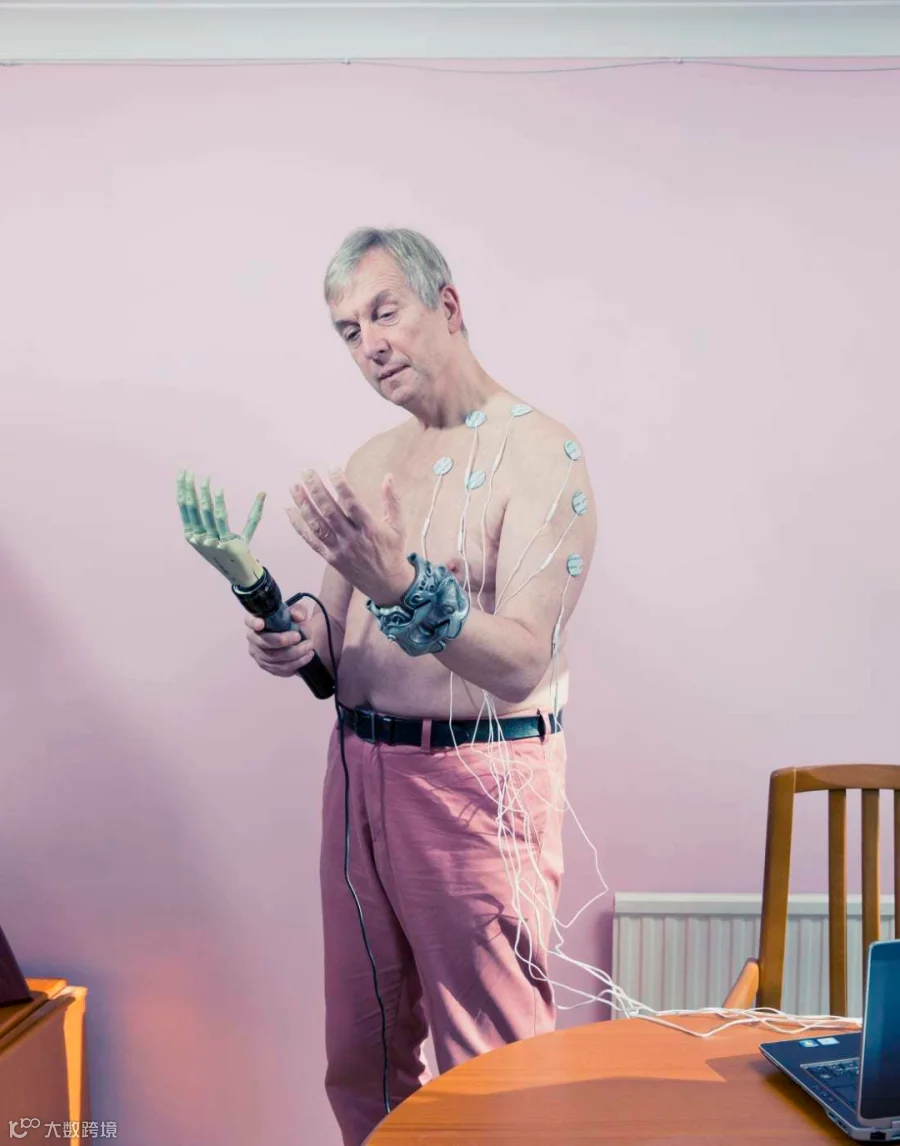
As biotechnology advances, so too may our ideas of what it means to be human.
随着生物技术的不断发展,我们对于人类的定义也在不断更新。
Today, we can alter our bodies in previously unimaginable ways, whether that's implanting microchips, fitting advanced prosthetic limbs or even designing entirely new senses.
如今,我们能用以往难以想象的方式来改造自己的身体,例如植入芯片、安装先进的假肢甚至是设计全新的感官。
So-called transhumanists -- people who seek to improve their biology by enhancing their bodies with technology -- believe that our natural condition inhibits our experience of the world, and that we can transcend our current capabilities through science.
超人主义者是指一些旨在通过科技手段加强改善自身生理结构的人们。他们认为我们天生的身体结构限制了我们对世界的感受,我们可以通过科学来超越现有的能力。
Ideas that are "technoprogressive" to some are controversial to others. But to photographer David Vintiner, they are something else altogether: beautiful.
一些人看起来是“科学进步”的想法可能会引起他人的争议。但英国摄影师大卫· 温蒂纳的视角截然不同:它们看起来很美。
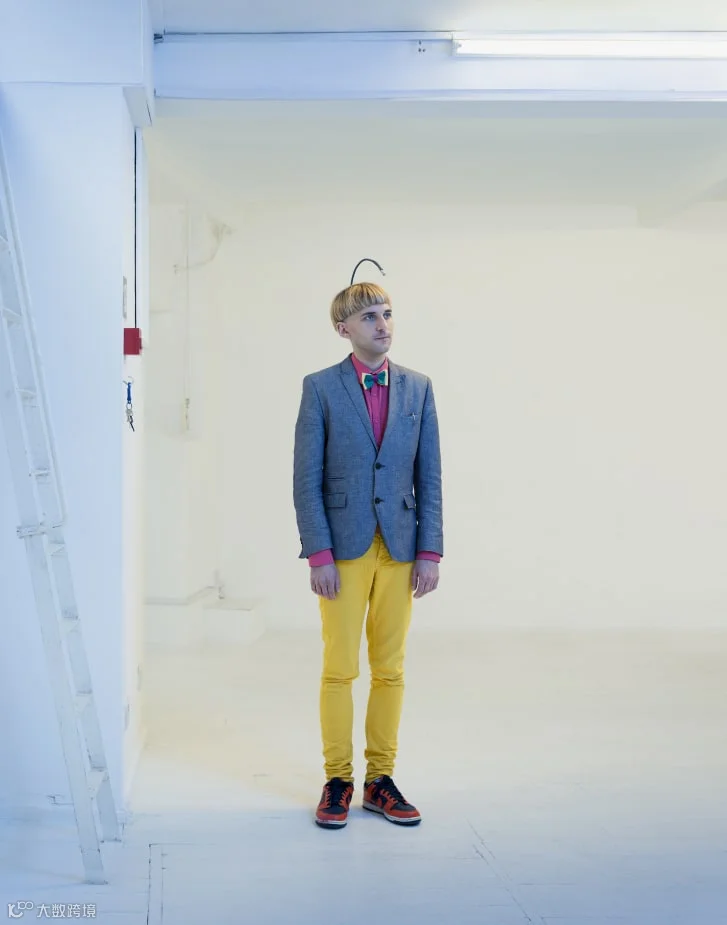
"Beauty is in the engineered products," said Vintiner, who has spent years photographing real-life cyborgs and body-modifiers for his upcoming book, "I Want to Believe -- An Exploration of Transhumanism."
“这些产品设计中蕴含着美,”温蒂纳说。为了给他的新书《我愿相信——超人主义的探索》搜集素材,他在过去的几年里拍摄了许多现实生活中的半机械人和自身改造者。
Made in collaboration with art director and critic Gem Fletcher, the book features a variety of people who identify, to some degree, as "transhuman" -- including a man with bionic ears that sense changes in atmospheric pressure, a woman who can "feel" earthquakes taking place around the world and technicians who have developed lab-made organs.
此书是他与艺术导演兼评论家杰姆弗莱彻合作的结晶。书中描绘了某种程度上可以算作“超人类”的人,包括一名戴着仿生耳朵来感知大气压变化的男性,一名能“感觉到”全球地震的女性,以及在实验室培养器官的技术人员。
Fletcher was first introduced to the transhumanist subculture via the London Futurist Group, an organization that explores how technology can counter future crises. Upon meeting some of its members, the London-based art director approached Vintiner with the idea of photographing them in a series of portraits.
弗莱彻最初是通过伦敦未来主义团体认识超人类亚文化的,此组织主要探索如何应用新科技应对未来的危机。在与一些成员会面后,这位驻伦敦的艺术总监找到了温蒂纳,希望能够给他们拍摄一系列写真。
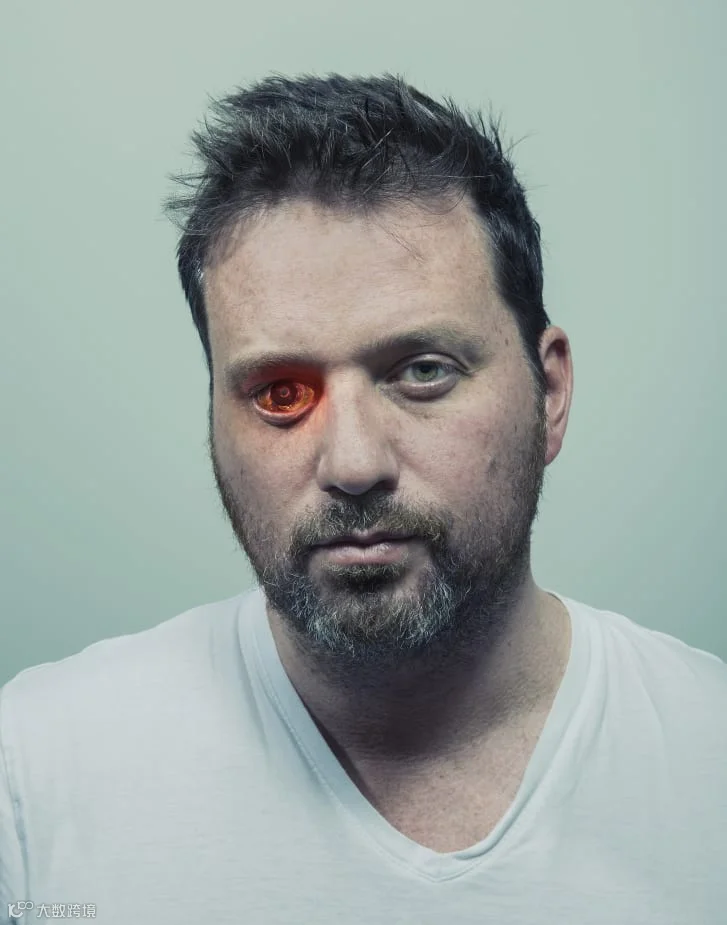
Though the photographer admitted that the transhumanists' claims can seem outlandish at first, he soon saw the appeal of technological self-enhancement. "If given the chance, how would you design your own body and what would you want it to say about you?" he asked.
温蒂纳承认,虽然超人主义的主张乍一听有些异想天开,但他很快就发现了技术自我强化的魅力。他问道:“如果有机会的话,你会如何设计你的身体?你又会借此展现出怎样的自己?”
打破定义
重塑自我
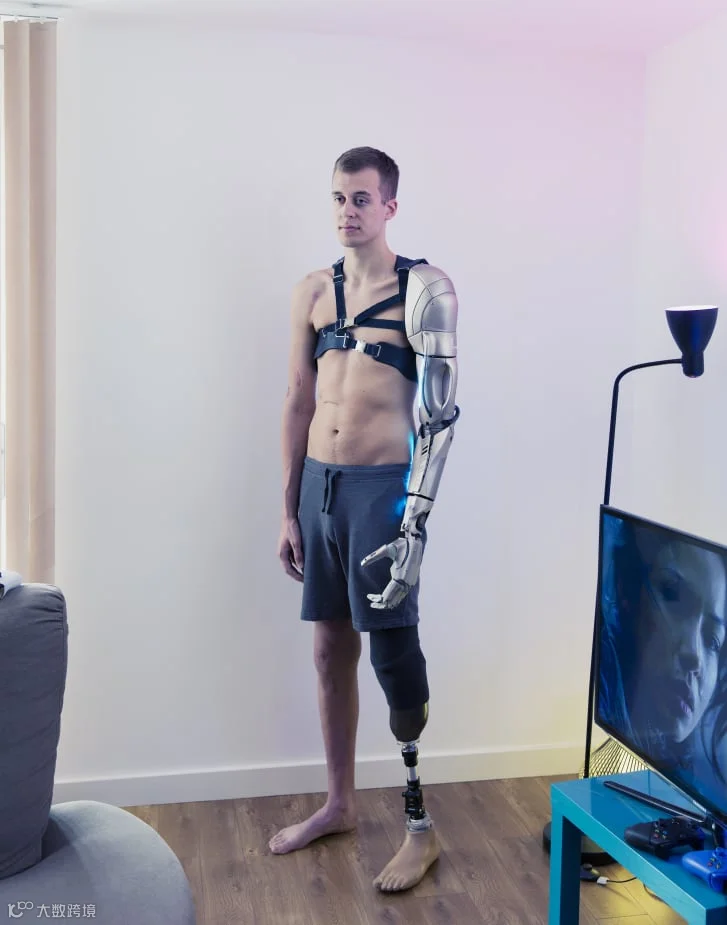
One of Vintiner's subjects, James Young, turned to bionics after losing his arm and leg in an accident in 2012. Young had always been interested in biotechnology and was particularly drawn to the aesthetics of science fiction.
詹姆斯·杨是温蒂纳的拍摄对象之一。他在2012年的一次事故中失去了一只手臂和一条腿,随后便开始寻求仿生技术的帮助。杨一直对生物科技很感兴趣,尤其是被科幻小说中的美学所吸引。
But according to the 29-year-old, the options presented to him by doctors were far from exciting -- standard-issue steel bionic limbs with flesh-colored silicone sleeves.
但这个29岁的年轻人表示,医生提供给他的那些方案甚是无趣——不过是标准钢制仿生假肢,配上肉色的硅胶套袖罢了。
"To see what was available was the most upsetting part," Young said in a video interview.
杨在一次视频采访中表示:“寻找可能的选择最让人心烦。”
"What the human body can constitute, in terms of tools and technology, is such a blurry thing -- if you think about the arm, it's just a sensory piece of equipment."
“从工具和技术的角度而言,构成人体的元素是很模糊的概念,某种意义上,手臂只不过是人体这个设备上的一块感受器而已。”
Japanese gaming giant Konami worked with prosthetics sculptor Sophie de Oliveira Barata to design a set of bionic limbs for Young. The result was an arm and leg made from gray carbon fiber -- an aesthetic partly inspired by Konami's "Metal Gear Solid," one of the then-22-year-old's favorite video games.
日本电子游戏制作巨头科乐美公司与假肢雕塑家苏菲·德·奥利维亚·巴拉塔合作,为杨设计了一套仿生义肢,手臂和腿都由灰碳纤维而制。这套假肢的设计美学部分源自科乐美公司的《潜龙谍影》游戏,那是当时22岁的杨最喜欢的电子游戏之一。
"When you first show people the photographs, they are shocked and disconcerted by the ideas contained within. But if you dissect the ideas, they realize that they are very pragmatic," Vintiner said.
温蒂纳说:“当你初次向人们展示那些照片时,那些关于假肢的概念会让人们感到震惊和不安。但如果剖析了这些概念,他们就会意识到这些假肢非常实用。”
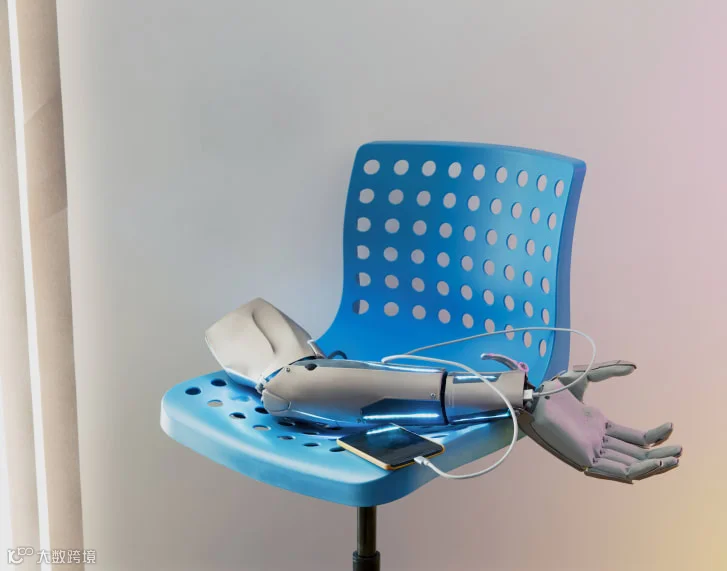
Young says it has taken several years for people to appreciate not just the functions of advanced bionic limbs but their aesthetics, too. "Bionic and electronic limbs were deemed scary, purely because of how they looked," he said. "They coincided with the idea that 'disability is not sexy.'"
杨说,历经数年,人们才不仅能理解先进仿生假肢的功能性,还能欣赏其美学价值。他说:“仅凭外观,人们就认为仿生肢和电子肢是可怕的。这种态度契合了‘残疾并不性感’的观念。”
He also felt there was stigma surrounding bionics, because patients were often given flesh-colored sleeves to conceal their artificial limbs.
他还觉得,仿生假肢遭到了污名化,因为医生常为残疾人配备肉色的套袖,以掩盖他们的假肢。
"Opportunities for transhumanists open up because a bionic arm can't feel pain, or it can be instantly replaced if you have the money. It has different abilities to withstand heat and to not be sunburned," Young said.
杨说:“超人主义者的机遇之门正在开启。仿生手臂感受不到疼痛,而且只要有钱你就可以立刻替换。它还有着不同的功效,既能承受高温,也能防止晒伤。”
As Vintiner continued shooting the portraits, he felt many of his preconceptions being challenged. The process also raised a profound question: If technology can change what it is to be human, can it also change what it means to be beautiful?
当温蒂纳继续肖像拍摄时,他发现自己很多先入为主的观念受到了挑战。这个过程还引发了一个深刻的问题:如果技术能够改变人类的定义,那它也能改变对人类之美的定义吗?
超世者明
旁观者清
Science's impact over our understanding of aesthetics is, to Vintiner, one of the most fascinating aspects of transhumanism. What he discovered, however, was that many in the movement still look toward existing beauty standards as a model for "post-human" perfection.
在温蒂纳看来,科学对我们理解美学的影响是超人类主义最令人着迷的方面之一。然而,他发现,跟随时代潮流的人仍然把现存的审美标准视为“后人类”的完美典范。
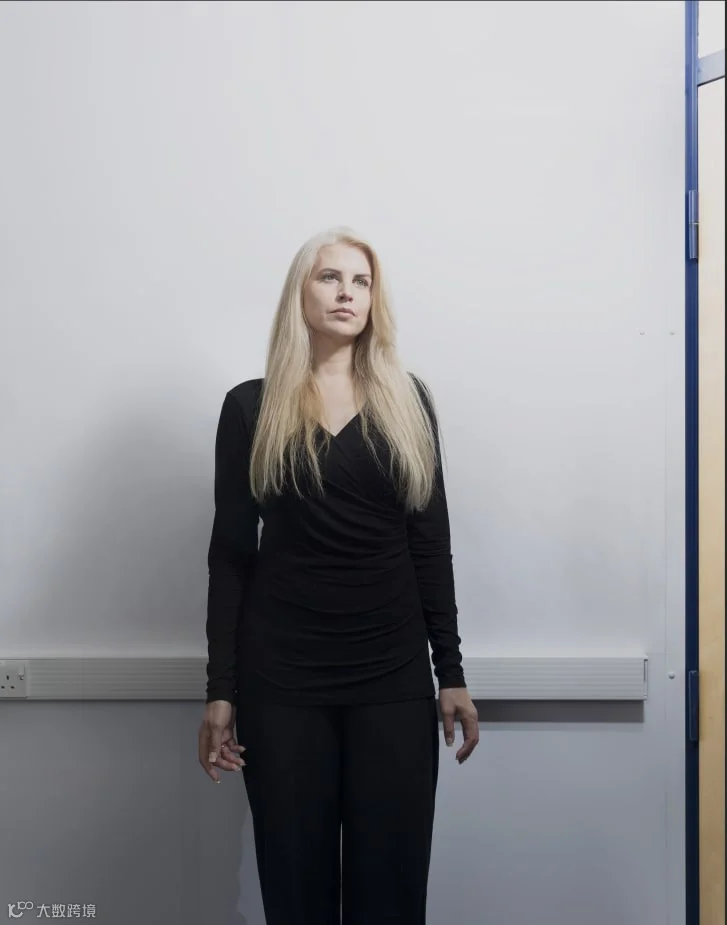
Another subject of Fletcher and Vintiner's book is Sophia, a robot designed by scientists David Hanson and Ben Goertzel at Hanson Robotics. Sophia is one of the most advanced humanoid robots to date.
弗莱彻和温蒂纳书中的另一个实验对象是索菲亚,这是由汉森机器人公司的科学家大卫·汉森和 本·戈策尔设计的机器人。索菲亚是当今世界上最先进的类人机器人之一。
Speaking to CNN Style in 2018, Hanson said that Sophia's form would resonate with people around the world, and that her appearance was partly inspired by real women including Hanson's wife and Audrey Hepburn, as well as statues of the Egyptian queen Nefertiti.
2018年,汉森在接受CNN Style的采访时表示,索菲亚的造型会引起世界人民的共鸣,她的外貌设计在一定程度上受到了现实女性的启发,包括汉森的妻子和奥黛丽·赫本,以及埃及王后娜芙蒂蒂的雕像。
But with her light hazel eyes, perfectly arched eyebrows, long eyelashes, defined cheekbones and plump lips -- Sophia's appearance arguably epitomizes that of a conventionally beautiful Caucasian woman.
索菲亚拥有浅褐色的眼睛,完美的弯弯眉毛,纤长的睫毛,轮廓分明的颧骨和丰满的嘴唇,她的长相可以说是传统意义上的白种人美女的缩影。
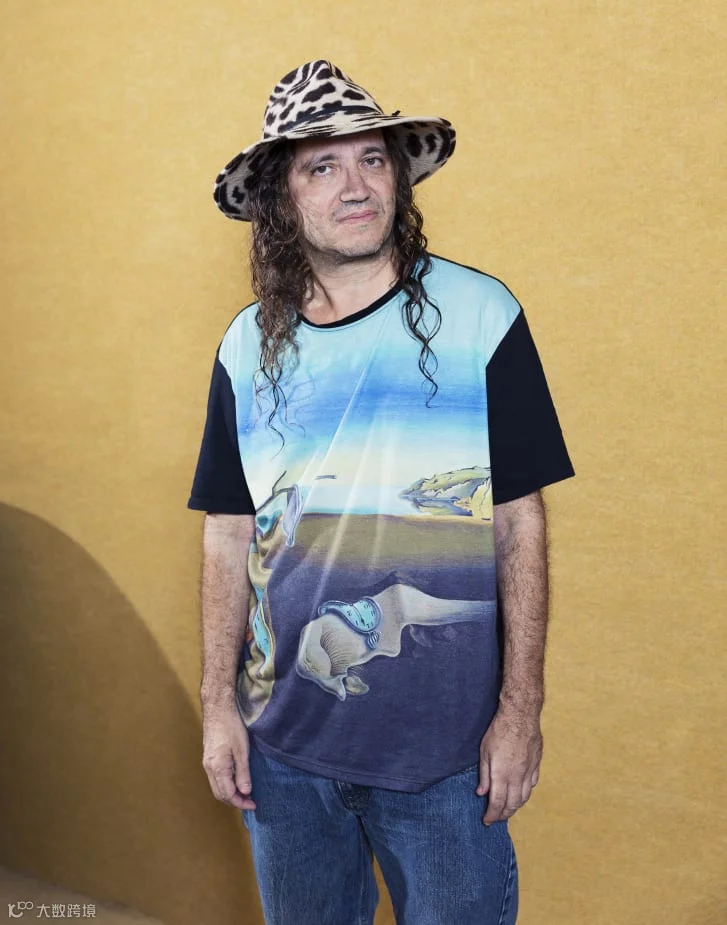
"I fear that if we can design humans without any of the 'flaws' that occur in our biological makeup, things will be pushed further and further towards a level of perfection we can only imagine right now." Vintiner said. "Look at how plastic surgery has altered our perception of beauty in a very short space of time.
“我担心,如果我们能够设计出没有任何生理缺陷的人类,那么事情就会越来越接近那种我们目前只能去想象的完美。大家可以看看整形手术是如何在短时间内改变我们对美的认知的。”温蒂纳这样说。
"If the transhumanists are right and we, as humans, can live to be several hundreds of years old, our notion of beauty and the very meaning of what it is to be human will change dramatically."
“如果超人类主义者是正确的,并且我们作为人类可以活到几百岁,那么我们对美的认知以及对人类本质的定义将发生翻天覆地的变化。”
~ THE END ~