


编者按:浣熊从哪get到了“撬锁”新技能?为什么鸽子会飞却依然选择去坐地铁?随着现代城市的发展,这些动物居民真的变聪明了吗?从进化的角度来看,这件事可比我们想得要复杂。
全文约3865字,阅读约需12分钟
01
Some thought they would be the Fort Knox of bins. Well, sort of. Resistant to marauding raccoons, or at least that was the hope. To residents of Toronto, Canada, raccoons are a familiar pest. The mammals adore rummaging through household waste, seeking out scraps of food. But a few years ago, the city launched new rubbish bins with securely locking lids.
对于加拿大多伦多的居民来说,浣熊是种常见的有害动物。这种哺乳动物喜欢翻人类的生活垃圾,从中寻找食物残渣。但在几年前,多伦多市采用了这种盖子带锁的新型垃圾箱。有些人认为这种垃圾箱可谓固若金汤。在某种程度上,它们也许能称得上坚固。理论上,它能防止被沿路掠夺的浣熊打开,至少设计初衷是这样的。
【Fort Knox】诺克斯堡,自从1940年美国陆军装甲兵司令部搬到这里以后,诺克斯堡成为美国装甲力量最重要的军事训练基地,美联储的金库也设在这里,戒备森严。
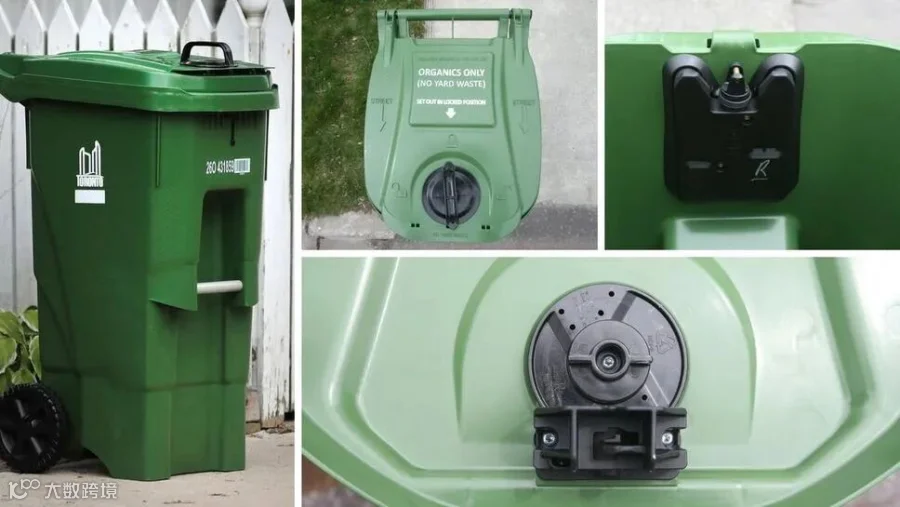
多伦多采用的带锁垃圾箱 (图源《星报》)
And yet, the wiliest raccoons still found a way to get inside them. Video captured by a reporter at local newspaper The Star shows one of the animals tipping over a bin, and – impressively – turning the handle lock on the lid to gain access to the contents.
然而,狡猾的浣熊还是能找到钻进垃圾箱的办法。当地报纸《星报》的一名记者拍摄的视频显示,一只浣熊推倒了垃圾箱,让人大跌眼镜的是,它还扳动了盖子上的解锁把手来获取里面的垃圾。
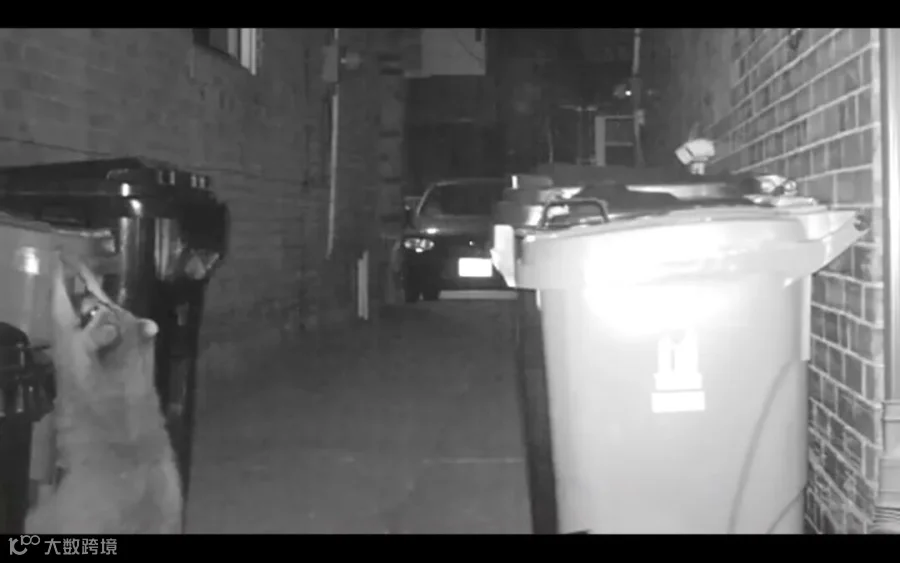
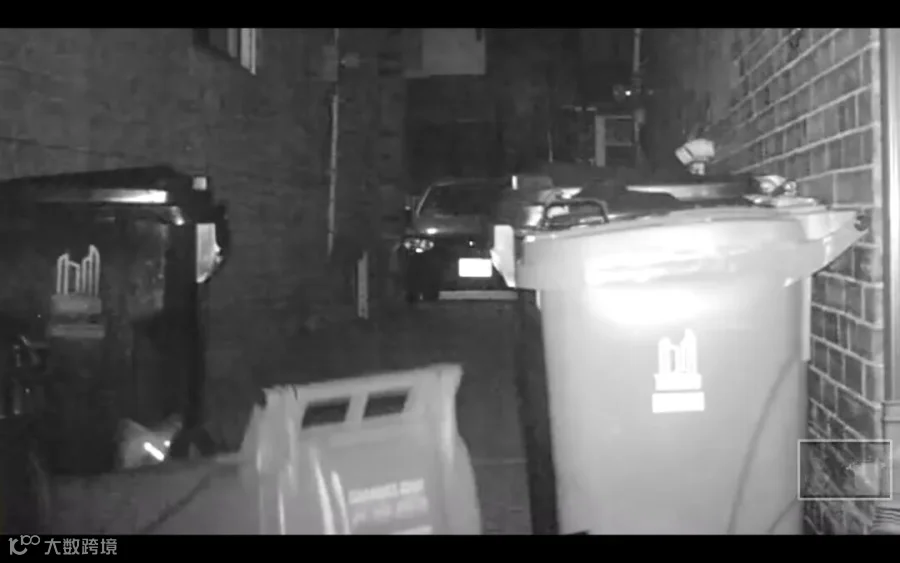
浣熊推倒垃圾箱 (图源:《星报》记者拍摄视频片段)
Before the bins were deployed, they were tested with “dozens and dozens” of raccoons by Suzanne MacDonald at York University, Toronto, who studies the animals. None ever managed to break in so she was surprised when she saw that the bins could, in fact, be breached.
多伦多约克大学的苏珊娜·麦克唐纳专门研究动物。 在这些垃圾桶投入使用之前,她用了上百只浣熊来检测它们,没有一只浣熊成功。因此,当她看到浣熊实际上的确找到了突破口打开了垃圾桶时,感到非常惊讶。
It raises a question. Do the secure locks, traps and barriers we use to keep so-called pests at bay actually prompt them to learn or evolve in order to outwit such measures?
这也引出了一个问题:我们为所谓“有害动物”设下的锁、陷阱和障碍,真的会促进它们学习或进化吗?
The first thing to note, says MacDonald, is that there is no selection pressure prioritising the survival of the raccoons that know how to bust open a bin. Plus, raccoons are not social learners, so the raiders of the locked bins won’t have taught others how they did it.
麦克唐纳表示,首先需要注意的是,并不是自然选择的生存压力迫使浣熊学会撬垃圾桶。并且,浣熊不是社会性学习者,所以那些撬垃圾桶的小劫匪并不会教其他浣熊它们的本领。
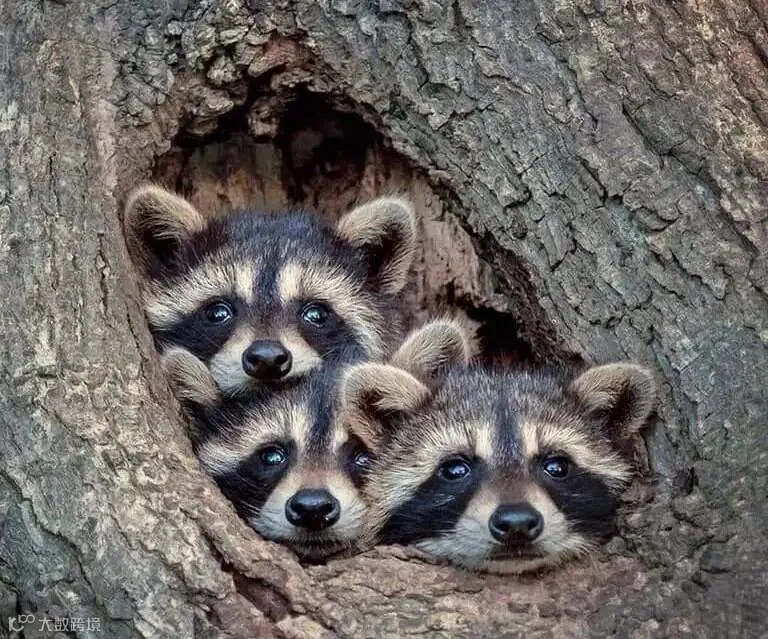
(图源网络)
And yet a certain degree of inquisitiveness is required to even attempt tampering with a bin like this. Intelligence has probably been quite important in allowing certain animals to thrive in human-altered places, says Emilie Snell-Rood at the University of Minnesota.
然而,即使是试图破解这样的垃圾桶,也需要一定程度的求知欲。明尼苏达大学的艾米莉·斯内尔·罗德表示,智商也是个很重要的因素,它使某些动物在这个人类主导的环境中得以蓬勃生长。
Take the Japanese crows that famously drop nuts into the middle of a road so that vehicles will drive over them and crack them open. They’ve even worked out that it’s better to do it near traffic lights so they can go and grab the cracked nut when traffic stops.
日本的乌鸦因利用汽车开果核而赫赫有名。它们会把果核放在马路中间让汽车碾压,甚至计算出把坚果丢在红绿灯附近更好,因为这样它们就能在红灯时把裂开的果核取回来。
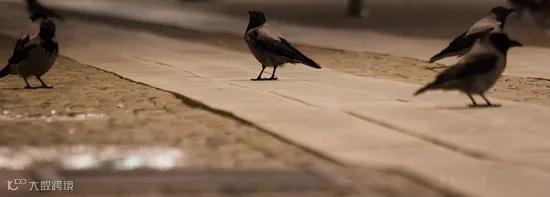
日本仙台市的乌鸦利用汽车碾碎核桃 (图源:科普中国)
02

只有足够的好奇心和勇气
才能迎来好生活
On the other hand, a particular species might simply have evolved in a way that happens to make it likely to succeed in urban environments, says Snell-Rood. They’re what is known as “pre-adapted”.
斯内尔·路德说,在另一方面,特定物种可能会朝着在城市中更容易成功存活的方向而进化。这就是所谓的“预适应”。
Londoners have long been amused by pigeons that peck crumbs from tube station platforms, jump on to a train when it pulls in, and then hop out at the next station, where their crumb-hunting resumes. That’s the thing about life in the city – practically everyone ends up depending on public transport at some point.
从很久以前,伦敦人就对啄食地铁站台上面包屑的鸽子不陌生。它们在地铁进站时跳上列车,在下一站下车,继续寻找面包屑吃。这就是城市生活——在一定程度上,几乎所有人都不得不依赖公共交通。
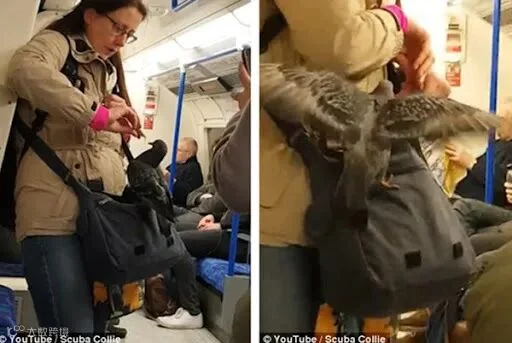
英国伦敦,一只鸽子飞进地铁 (图源网络)
Intelligence can help an animal become a true city slicker, though. Traits such as boldness, behavioural flexibility or attraction to novelty can all come into play, says Sarah Benson-Amram at the University of Wyoming.
然而,智力能让动物成为一个真正圆滑世故的城市居民。怀俄明大学的萨拉·班森·阿姆拉姆说,像大胆、变通、好奇新事物这样的特质都会派上用场。
Like their bin-breaching cousins in Toronto, racoons in Wyoming have demonstrated a surprising ability to interact with human-made objects. Benson-Amram’s colleague, Lauren Stanton, a PhD candidate at the University of Wyoming, is studying how raccoons in the town of Laramie respond to puzzle boxes that dispense food rewards.
在多伦多,垃圾桶成为了浣熊的住所,同样地,怀俄明州的浣熊也展示出了与人类物品打交道的惊人能力。班森·阿姆拉姆的同事劳拉·斯丹顿是怀俄明大学博士生,她正在研究拉勒米市的浣熊如何应对给它们食物奖励的暗盒。
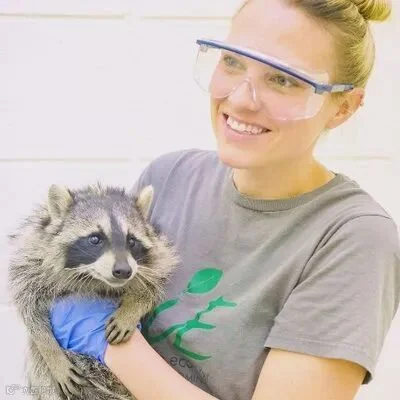
劳拉·斯丹顿和她的浣熊 (图片为斯丹顿的推特头像)
And these raccoons are being tested deliberately. Battery-powered containers are placed in suburban areas and only give out a reward, a piece of dog food, if the raccoon presses one of two buttons inside the box. Once the raccoons learn that it’s the left button they need to press, the mechanism is flipped. Gradually, they learn that they now need to press the button on the right instead.
研究者特意对浣熊进行了测验。他们将一种电动容器放在郊区,容器里有两个按钮,当浣熊按动某一个按钮之后,就会得到一些狗粮。当浣熊意识到按动左边的按钮就会出现食物时,盒子的奖励机制便会反转,之后,它们又会逐渐意识到,现在要按右边的按钮才能得到食物。
“They are making rapid associations and they are able to alter their behaviour,” says Stanton. “And they get better at this over time.”
“它们会迅速思考其中的关联,并且能调整自己的行为,”斯坦顿说,“随着时间的推移,它们能更加快速准确地判断这些关联。”
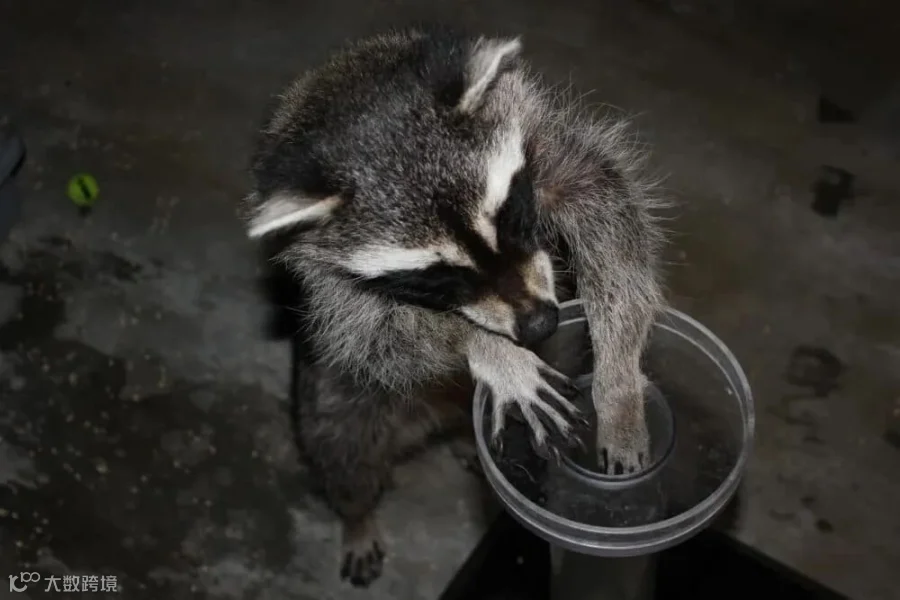
按钮测验(图源网络)
03

他在乡下小心翼翼
他在城里大快朵颐
“We may actually be creating smarter urban wildlife,” says Benson-Amram, but she notes that it’s hard to prove that there are big differences in cognitive performance between urban and rural individuals of the same species. Or, in fact, whether urban pests today are smarter than their ancestors 100 years ago.
班森·阿姆拉姆说:“我们可能正在培养出更聪明的城市街头小动物。” 但她指出,现在还很难证实同一物种在认知表现上存在很大的城乡差异。比如,我们很难证实当今的城市害虫是否比100年前的更聪明。
“That’s actually the hundred million dollar question,” says Christopher Schell at the University of Washington.
“事实上,这正是个关键的问题。”华盛顿大学的里斯托弗·谢尔说。
He gives the example of coyotes. They often raid rubbish bins like raccoons do to get an easy meal. A paper published last year tracked the behaviour of coyotes at 60 sites across the United States – half of them urban, half rural. The urban coyotes were by and large bolder and explored their environment more than their rural counterparts. That might be because, in the wild, it’s smarter to be cautious whereas boldness can yield rewards in the city.
他还拿土狼举了例子。土狼和浣熊一样,为了一日三餐经常去翻垃圾桶。有一篇去年发表的论文追踪了土狼在美国60个地区的行为,其中一半地区在城市,一半在农村。城市土狼比农村土狼胆子更大,更喜欢探索周围的生活环境。这可能是因为,野外生存更需要谨慎,而城市生存更需要勇敢。
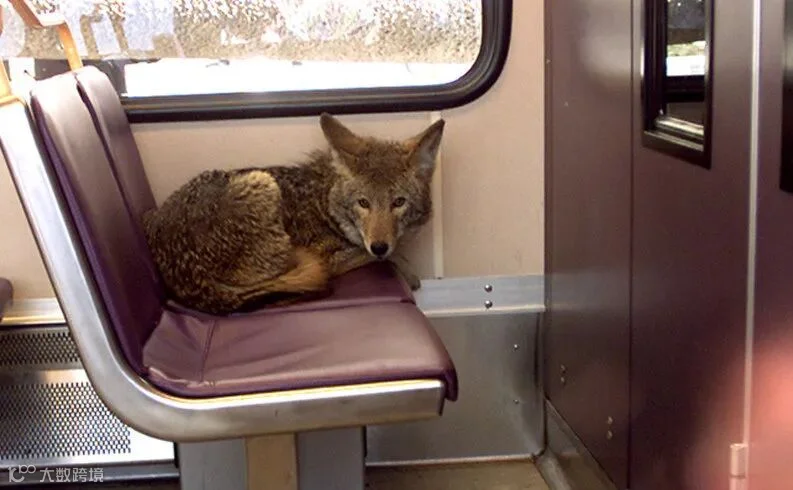
火车上的土狼 (图源:NPR)
And animals may be using different strategies depending on what kind of resistance they meet in a town or city. One research paper about Cape Town baboons explored that the baboons were particularly good at targeting areas where rangers demonstrated disagreement in how to manage them – over whether to shoo them away or not, for example. Wherever they had improved odds of slipping through the net, that’s where they concentrated their efforts.
动物还会根据它们遇到的不同阻力而使用不同的战略。一项调研开普敦狒狒的论文发现,狒狒尤其擅长找到护林员们对其管理意见产生分歧的区域(比如要不要把狒狒从那些区域赶走)。因此,只要有一线机会溜进拦网,它们都会对那些地方尤其关注。
Proving that pest control makes species cleverer over time remains difficult. But Snell-Rood and her colleagues have studied specimens from museum collections spanning a 100-year period. They showed that some species of rodent and other small mammals have evolved larger skulls in environments disturbed by humans.
想要证实害虫防治能使物种越来越聪明,依旧非常困难。但是斯内尔·罗德和她的同事们还是去研究了博物馆中收藏的跨越了100年的标本。他们发现,在受到人类影响的环境中,一些啮齿类动物和其他小型哺乳动物进化出了更大的头骨。
04

进化的长河
年轻的城市
This is a classic sign that brain capacity has been increasing and suggests, though does not prove that cognitive abilities have been evolving in those species. A few animals studied by the team actually showed a decline in skull size, so it’s certainly not clear that living amongst us always makes animals smarter.
头骨增大是脑容量增加的一个典型信号。尽管还未被证实,但这些物种的认知能力很可能已得到进化。不过,该研究团队确实也发现了有一些动物的头骨是缩小的,所以,生活在人类身边能让动物更聪明的说法不是绝对的。
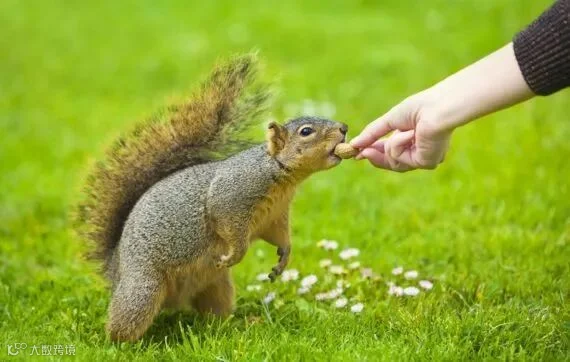
(图源网络)
Stanton says she hopes to try out her button-pressing experiment with a variety of raccoon populations in the future, to see whether there are differences between urban and rural populations.
斯坦顿说,她希望未来能以各类浣熊种群为对象进行上述按钮实验,来观察都市和乡村的浣熊是否有差异。
Snell-Rood says she’s confident that human-altered or anthropogenic environments are demanding that some species, at least, use intelligence to survive. And there are probably evolutionary changes going on as a result of that.
斯内尔·罗德深信,人类主导的环境,或是人类活动产生的环境,起码会迫使部分物种动用智慧以求生存,且最终可能会产生进化性的改变。
But she raises a thought-provoking idea – towns and cities might not always challenge nature in this way. Urban environments, on an evolutionary timescale, are very new. Plants and animals around us are presumably being forced to adapt to some extent but perhaps, after a very long period, the pressure to evolve will die down.
但她也提出了值得思考的想法:城镇与城市可能不会一直这样挑战自然。在进化历史的时间轴上,都市环境是崭新的存在。起初,我们身边的动植物还会在一定程度上被迫适应这个环境,但在经历漫长的时间过后,或许进化的压力将逐渐消失。

(图源网络)
“While anthropogenic environments are favouring cognition and plasticity right now, in a million years that might not be the case,” she says.
罗德表示:“尽管现在人类活动的环境有助于提高动物的认知能力和对环境的适应性,但百万年内可能就不再如此了。”
That’s because humans make relatively predictable environments. Animals may become more and more specialised to urban spaces and depend on clever strategies less and less. Why learn how to solve a complex puzzle when you can, say, soak up nutrients from sewer pipes?
这是因为,人类创造的环境具有相对可预测性。小动物们越来越熟悉城市空间,从而更少地依赖自己的机智策略。当它们从下水道就能找到食物的时候,何必还要去跟复杂的城市机关斗智斗勇呢?
It’s a tantalising notion that, having challenged nature to adapt so suddenly, we could end up shaping a whole swathe of species to become blithely specialised to life in our midst. When it comes to pests, that might be something we come to regret.
我们在短时间内改造自然、使生物对环境产生适应,最终可能会塑造出一批与我们和谐共存的新物种,这种想法很吸引人。不过,要是涉及到了有害生物呢?也许结果会让我们后悔吧。
原文链接:
https://www.bbc.com/future/article/20200416-how-city-life-can-breed-smarter-pests
编译:祖芃芃 吕适言 王姝 王夏雯 戴怡安
排版:戴怡安
审核:周雨旸
指导老师:刘佳