



编者按
如今,面对琳琅满目的汉堡薯条,面对数不胜数的西式快餐,你是否会自然而然的把它们和“美式餐饮”联系起来?但事实上,我们很难定义什么是真正的“美式食品”,因为在我们的生活中,世界各种食品风格都有一定程度的相互影响与融合。想要了解我们的味蕾的共同点,那就一起来看看美国饮食习惯历史上的五次大发展吧。
01
美好旧时光:糖是健康食品
历史学家认为,1796年出版的阿米莉亚·西蒙斯所著的《美国烹饪》是第一本真正意义上的美国烹饪书。
直到19世纪末期,人们依然更喜欢吃饱腹感强的食物。乳制品、肉类、玉米粥、燕麦片和糖都是主食,蔬菜则吃的很少。20世纪后,维生素才得到充分的重视。
Up until the late 1800s, people preferred to eat the foods that filled them up. Dairy, meat, hominy, oatmeal and sugar were staples -- vegetables, not so much. Vitamins wouldn't be fully appreciated until the 20th century.
耶鲁大学教授保罗·费里德曼说:“当时人们他们不喜欢调味品,因为他们认为调味品会导致消化不良,分散人们对实际食物的注意力。”费里德曼还指出,调味品一直被认为是“穷人的食物”。
"They didn't like spices because they thinkthey created indigestion and were a distraction from the actual food," says Yale professor Paul Freedman, who noted that spices were considered the "food of the poor."
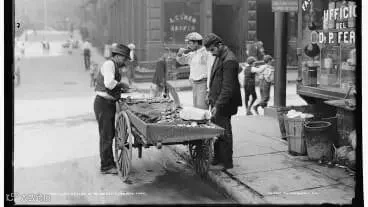
1900年前后纽约桑本德的一个蛤蜊卖家。蛤蜊和牡蛎很便宜,而且饱腹感强,卖家多为非裔美国人。
02
地区性食物开始在国内流动
在19世纪,当美国东北部的新英格兰人吃黑面包和褐色馅料时,南方人在吃猪肉、糖浆、蔬菜、烤玉米粉和玉米面包。黑人厨师从一开始就参与了我们的烹饪。从南到北,他们的贡献无处不在,但因人们已经司空见惯,其重要性一直被忽视。
In the 19th century, while New Englanders were eating brown breads and brown stuffing, the South had its pork, molasses, greens, griddled cornmeal and corn breads.
Black cooks had a hand in our cuisine from the very beginning. From South to North, their contribution was so ubiquitous its significance has been long overlooked.
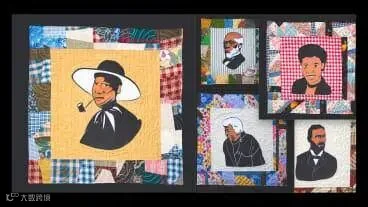
图为安哥拉出生的安东尼奥
“……他是1619年第一批到达詹姆斯敦的非洲人之一。”这些拼布广场是饮食博物馆“非洲/美国人:制作国家餐桌”展览的一部分。展览由于考维德的原因而关闭,但是博物馆提供了在线节目和讲座。
冰淇淋的故事就是一个例子。詹姆斯·海明斯是托马斯·杰斐逊的奴隶厨师,他和杰斐逊一家来到法国,学习了如何制作冰激凌,并把它和铜厨具、欧式通心粉奶酪和炸薯条一起带回了美国。
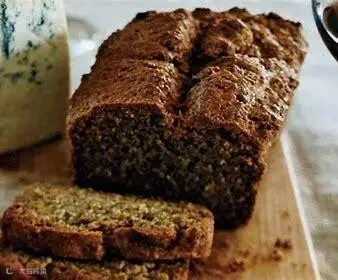
图为黑面包
历史学家杰西卡·哈里斯说,其他黑人厨师早期和贵族一起旅行,他们离开南方去纽波特等地避暑。后来,黑人普尔曼工人带着他们的家人和熟悉的食物,随着铁路向西迁移。内战结束后,大迁徙将黑人美食带到了全国各地。
Historian Jessica Harris said other Black chefs traveled early on with aristocrats as they left the South for summer homes in places like Newport. Later Black Pullman operators moved west along with the railroads, bringing their families and their familiar food. After the Civil War, the Great Migration brought Black cuisine just about everywhere.
03
烹饪逐渐精确化
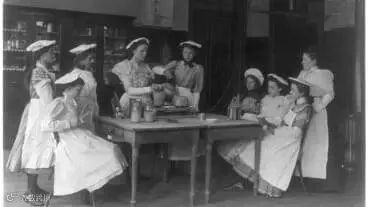
1899年前后,华盛顿特区的家庭主妇正在上家庭烹饪课程
关于食物的科学观点一直存在,但在19世纪晚期,人们开始重视食物学习中无形的成分,比如如何避免坏血病、脚气病和皮格拉病等疾病。蔬菜变得更重要一些——尽管要煮很长时间。
Scientific ideas around food have always existed, but in the late 1800s, people began to prioritize invisible components of food learning, such as how to avoid illnesses like scurvy, beriberi and pellagra. Vegetables became a bit more important -- albeit cooked for long periods of time.
一个女人的厨房成了她的实验室,她的烹饪书成了她的学习材料。所谓的“营养”是极其重要的,然而女性既不会从母亲那里学会做饭,也不想学。
A woman's kitchen became her laboratory and her cookbooks were her study materials. What was thought of as "nutrition" was incredibly important and yet women couldn't learn how to cook from Mom, nor did they want to.
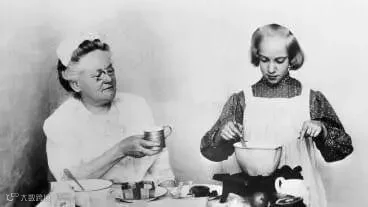
芬妮·法默在马萨诸塞州的波士顿烹饪学校教授一种更为严格和精确的烹饪方法
例如,她是第一个将面粉浸在杯子里,然后用刀将其抹平。
从1890年开始,芬妮·法默开始把丰盛的新英格兰菜肴变成精致的菜肴,尽管有时这意味着你的盘子要么全是白色的,要么全是棕色的。她写的这本教科书后来成为了《芬妮·法默烹饪书》,这本书风靡了几十年,直到20世纪30年代被《烹饪的乐趣》所取代。
Starting in 1890, Fannie Farmer began turning hearty New England dishes into sophisticated meals, though sometimes that meant your plate was all white or all brown. The textbook she wrote later became "The Fannie Farmer Cookbook" and its popularity lasted for decades, until usurped by "The Joy of Cooking" in the 1930s.
夏皮罗表示,法默的文字比较干涩枯燥,但她还是很享受阅读的过程。法默用明胶和苏打水与罐装水果混合并使其凝固,由此创造了生姜啤酒沙拉。她这本书出版之时正好赶上美国家庭搬离家乡,向全国扩散的时期。
Shapiro says Farmer's writing was rather dry but she did have her fun. Farmer invented the ginger ale salad that congeals canned fruit in gelatin and soda. Her book came out right as families were moving further away from their home base and spreading out across the country.
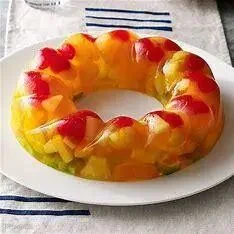
图为生姜啤酒沙拉
04
异域美食随移民流入
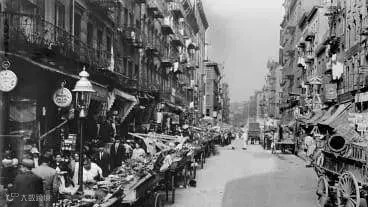
1900年纽约市一个意大利居民区的路边市场
伴随着移民与制造业多样化进程,美国开始出现了有别于其它国家的饮食习惯。虽然世界上所有国家都有移民现象,但美国移民发生时间较早,人数众多。
历史学家莎拉·洛曼说:“家庭烹饪的科学化精确计量已经成为美国食物烹饪的一大特点,与此同时,大量来自意大利、东欧地区的移民涌入美国,尤其是犹太人。”
Historian Sarah Lohman said: "At the same time that domestic science is becoming a part of the American food landscape, that's also when we're seeing a huge influx of immigrants from Italy and Eastern Europe, particularly Jewish immigrants."
洛曼表示,东欧人带来了喜食酸味食物的饮食偏好,意大利人带来了大蒜。在他们到达美国后饮食习惯也发生了变化,尤其是意大利人变得更喜欢橄榄油和成熟干酪。在意大利本国,这些都是昂贵的出口商品,但在生活在美国的意大利人则能轻松负担得起它们,于是他们在烹饪中所心所欲地使用这些食材。
Lohman says Eastern Europeans brought their love of sour foods, Italians brought on the garlic. Their food changed when they reached America, with Italians in particular opting for foods like olive oil and aged cheeses. Back in Italy, these were expensive exports only, but in the States Italians could afford them and they used them liberally.
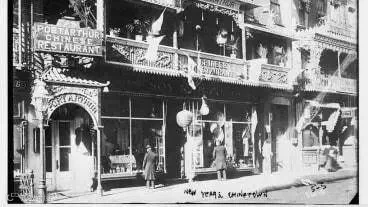
图为1900年纽约市唐人街的中餐馆
中餐馆协会称,在美国中餐馆的数量超过麦当劳、肯德基以及温迪快餐门店的数量总和。
对于逐渐遍布美国的中国菜肴来说,亦如此。但与此同时,对中国人的歧视也与日俱增。
凯文·凯姆主要研究居住于美国南部腹地的中国华裔历史。他表示:“在早期,中国食物是被美国人排斥的,这与后来它的流行相矛盾,令人费解。美国人对中国菜肴的看法充满种族主义色彩,但同时他们又渴望接触新奇而略有熟悉感的事物。”
Kevin Kim researches the history of Chinese people in the Deep South."One of those contradictions and complexities is that Chinese food in that early period is marked by exclusion," says Kim. "It's marked by racism but at the same time there is this hunger for something exotic and yet familiar."
1882年排华法案旨在驱逐来美寻找工作的中国劳工,但法案也有一些例外。经营杂货店的中国商人是一个例外,随后,中餐馆老板也不在被驱逐之列。19世纪早期至20世纪中期,美国的中餐馆数量翻了一番。
The Chinese Exclusion Act of 1882 was aimed at keeping out Chinese laborers who came to the US for plentiful jobs, but the Act contained exceptions. Merchants who owned stores and grocery stores were exempt and later on, so too were restaurant owners. The number of Chinese restaurants doubled from the early part of the 19th century to the mid-20th century.
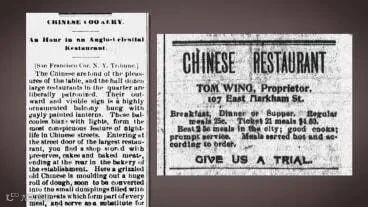
左图为1880年《每日阿肯色州公报》上对中餐馆的一篇褒义点评。右图为一张1895年宣传中餐便宜的广告。将中餐等同于“廉价”的刻板印象一直持续至今。
凯姆解释说,这些亚裔餐馆老板带来了亚洲食物的风味和烹饪方式,但也开始生产使用当地食材,逐渐本土化。生活在非裔美国人和加勒比人社区的中国厨师会在自己的菜谱上加上羽衣甘蓝和炸鸡。
Kim explains that these restauranteurs brought their own Asian flavors and cooking methods but adapted them bygrowing or using local ingredients. Broccoli wasn't used in China but appears on Chinese menus here. Chinese cooks living in African American and Caribbean neighborhoods added collard greens or fried chicken to their menus.
随着1965年放宽移民,大量亚洲各地的人来到美国,食物的演变进入了一个新高潮。许多移民元素融入了美国食物,并且随着制造业的迅猛发展,美国食物开始进入一个多样化的新时代。
Another boom comes when immigration opens up in 1965, bringing people from many parts of Asia. While immigration begins to melt its way into American meals, more variety came as American manufacturing moved like warp speed into a new era.
05
制造商瞄准家庭主妇新商机
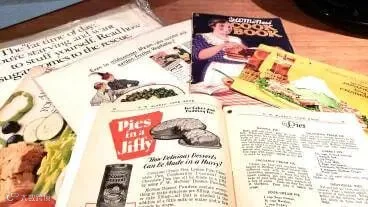
费里德曼收集的20世纪早期的杂志
像蛋糕粉、鸡蛋粉这样的加工类食品,在世界大战前就已经诞生了,但到战争结束后,它们的发展又更上一层楼。过去补给军队的罐装和冷冻食品还在以闪电般的速度不断生产,制造商们需要为它们寻找新的市场。
Processed foods like cake mixes and powdered eggs existed before the great World Wars, but they reached new levels when the wars were over. Innovations like canned and frozen foods that fed troops en masse were still being made at lightning speed and manufacturers needed to find a new market for them.
因此,这些公司把目光聚集在了家庭主妇们身上。“直到今天,食品行业都希望你把烹饪看成一种巨大的拖累和时间负担。”费里德曼说道。“否则,你会自己买土豆然后捣碎做土豆泥。如果你仅仅买土豆,那这些公司赚不了多少钱的,他们要从你买的速食土豆泥上赚钱。”
So, companies focused their attention on women at home."The food industry wants you, to this day, to think that cooking is an incredible drag and an imposition on your time," says Freedman. "Otherwise, you'll buy potatoes and mash them and they don't really make a whole lot of money out of your buying potatoes. They make money out of your buying instant mashed potatoes."

图为一个坐在购物车里的孩子,摄于1950年左右。美国食品市场研究所的数据显示,1980年,美国食品杂货店平均有14000种产品;2008年为51000个;2018年为33055个。
夏皮罗说,食品制造商提出了这样一种观念:女性总是很忙,总是没有时间。所以,制造商们正在“营造一种每天、每顿饭都很紧急的感觉。”
Shapiro says manufacturers created the notion that women were always busy, always running out of time. So, they were "creating a world in which every day, every meal was an emergency."
“可别说女性喜欢这种观念。”夏皮罗说。速食食品广告中常常有快乐家庭主妇的形象,他对这些广告大加指责,“那纯粹是胡说八道。女性很反感这种说法。这也让那些食品工业制造商们感到震惊。”
"Never say that women welcomed it," says Shapiro, railing against the images portraying happy women in ads for quick mixes. "That is just bullshit. The women put up a huge resistance. The food industry was astonished."
几十年后,当人们的日程真的变得紧张起来了时,这些加工食品仍然存在。但不同点在于,以前只有单一的番茄罐头,而现在有了意式风味番茄罐头、西班牙风味番茄罐头,甚至更令人费解的——低钠番茄罐头。
Decades later as people do start to pack their schedules, those processed foods are still there. But instead of that one can of tomatoes, you now have Italian-style canned tomatoes, Spanish-style canned tomatoes and, even more inexplicably, low-sodium canned tomatoes.
费里德曼说,“食品的多样性掩盖了它们被加工过的事实,这也分散了人们的注意力——食品在被加工的过程中会一定程度上损失其原有的风味和新鲜度。”
"Variety comes in to mask the idea that things are processed," says Freedman. "It kind of distracts attention from the fact that industrial food loses some of its flavor and freshness by the very fact of its being processed."
06
多样性口味之源

位于纽约市的饮食博物馆推出展览——“炒:中餐馆的创造”。展览通过艺术作品、活动以及现场制作的菜品等方式探究中华饮食。因反响热烈,此展览多次延长展出时间。
如今,我们吃的食物越来越多种多样,有加工过的也有新鲜的,既能体验当地菜肴,也能感受异国风情。食品电视、食品杂志、食品博物馆和食品展览的大量普及证明了我们对这一切的热爱。
Now we eat so many, many things, both processed and fresh, both familiar and exotic. We love it all as evidenced by the massive popularity of food television, food magazines, food museums and food exhibitions.
费里德曼通过调查发现,在20世纪中期,仅是美国超市里食物繁多的口味就能让世界各地的人大吃一惊。如今,食物口味的多样性在全世界随处可见,但历史学家认为这最早起源于美国。无论是在超市还是饭店,美国人都很愿意尝试新事物。
Freedman found through his research that in the mid-20th century, the sheer variety of flavors in our supermarkets astonished people visiting from all over the world. Now, that variety is found everywhere, but historians argue it started in America first. Americans have long been willing to try new things, both in the supermarket and while eating out.
费里德曼说,“美国菜的特点之一是多样性,而这种多样性孕育了它的繁荣发展。美国饮食之所以能够走向世界,靠的并不是麦当劳,而是一种兼收并蓄的折中主义文化。”
"A hallmark of American cuisine is variety and variety includes exuberance," says Freedman. "Americanization has come to the world, not by McDonald's, but by eclecticism."

原文链接:https://edition.cnn.com/travel/article/what-is-american-food-history/index.html
编译 | 祖芃芃 陈语姝 庄雯怡
排版 | 陈语姝
审核 | 赵寒旭