大数跨境

金钱笼罩下的“患者拘禁”

金钱笼罩下的“患者拘禁” QuriositySISU
2018-11-11
1
导读:肯雅塔国立医院是东非最大的医疗院所,你却没法想象每天有多少患者被残忍地拘禁在这里,甚至到死去也不能回家。这样的悲剧在全球三十多个国家上演着,究竟是什么原因导致了悲剧的发生?


肯雅塔国立医院是东非最大的医疗院所,你却没法想象每天有多少患者被残忍地拘禁在这里,甚至到死去也不能回家。这样的悲剧在全球三十多个国家上演着,究竟是什么原因导致了悲剧的发生?今天的Quriosity带你一探究竟。

The Kenyatta National Hospital is east Africa’s biggest medical institution, home to more than a dozen donor-funded projects with international partners — a “Center of Excellence,” says the U.S. Centers for Disease Control and Prevention.

肯雅塔国立医院是东非最大的医疗院所,十几个由国际合作伙伴与其共同资助的项目在这里进行着。美国疾病控制和预防中心将其描述为一个“卓越的中心”。


The hospital’s website proudly proclaims its motto — “We Listen ... We Care” — along with photos of smiling doctors, a vaccination campaign and staffers holding aloft a gold trophy at an awards ceremony.

该医院在网站上自豪地展示着自己的院训——“我们倾听……我们关怀”。网站上还放着面带笑容的医生的照片、疫苗接种的活动照片以及在颁奖典礼上高举着金奖杯的工作人员的照片。


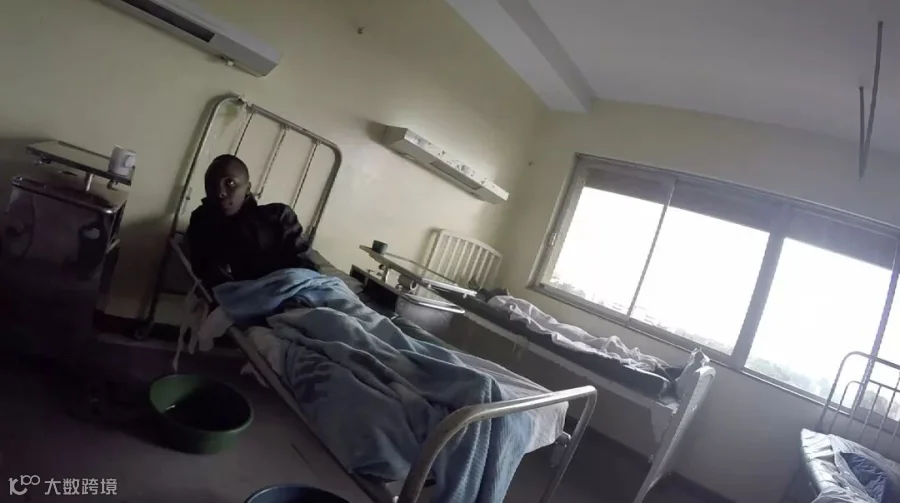
But there are no pictures of Robert Wanyonyi, shot and paralyzed in a robbery more than a year ago. Kenyatta will not allow him to leave the hospital because he cannot pay his bill of nearly 4 million Kenyan shillings ($39,570). He is trapped in his fourth-floor bed, unable to go to India, where he believes doctors might help him.

但你却并不能看到Robert Wanyonyi的身影。一年多以前,Robert在一次抢劫中被击中并瘫痪,由于他没有能力支付近400万肯尼亚先令(39,570美元)的治疗费,肯雅塔医院禁止他离开医院。于是,他被困在医院四楼的床上。在印度也许有医生会帮助他度过难关,但他却没法前往。

发生在超过30多个国家的“拘禁病人”现象

The hospitals often illegally detain patients long after they should be medically discharged, using armed guards, locked doors and even chains to hold those who have not settled their accounts. Mothers and babies are sometimes separated. Even death does not guarantee release: Kenyan hospitals and morgues are holding hundreds of bodies until families can pay their loved ones’ bills, government officials say.

这些医院经常非法拘禁没有支付能力的患者。病人本该出院,却遭到武装警卫的监视、被锁在屋子里,甚是被拷上了锁链。母亲和孩子有时被迫分开,就连死亡也不能保证自由。政府官员们表示,在肯尼亚,医院和太平间扣留着上百具遗体,只有死者的家属结清了账单,才能把他们领回家。


Dozens of doctors, nurses, health experts, patients and administrators told The Associated Press of imprisonments in hospitals in at least 30 other countries, including Nigeria and the Democratic Republic of the Congo, Thailand, Lithuania and Bulgaria, and others in Latin America and the Middle East.

美联社通过与数十名医生、护士、健康专家、病人以及行政人员的对话了解到,超过30个国家都出现了医院拘禁病人的现象,这些国家包括尼日利亚、刚果民主共和国、泰国、立陶宛、保加利亚以及拉丁美洲和中东的其他国家。


“What’s striking about this issue is that the more we look for this, the more we find it,” said Dr. Ashish Jha, director of the Harvard Global Health Institute. “It’s probably hundreds of thousands if not millions of people that this affects worldwide. It is not something that is only happening in a small number of countries, but the problem is that nobody is looking at this and it is way off the public health radar.”

 “值得注意的是,我们越深入调查这个问题,就有越多的案例浮出水面。” 哈佛全球卫生研究所所长Ashish Jha博士说到,“这可能使全球范围内成千上万甚至数百万的人受到影响。这并不是发生在少数几个国家的事情,但问题在于没有人关注这个它,它并不在人们对公共健康的讨论范围之内。”

该现象的前世今生

Hospital detentions, some experts argue, can be traced to policies pushed decades ago by the World Bank, the World Health Organization, UNICEF and others who made loans to developing countries on condition that they charge patients fees for medical services. Without explicit protections in place to protect the poor, they say, the policies gave countries the freedom to extract health care payments however they saw fit — including detaining patients.

一些专家认为,拘禁病人的做法可以追溯到几十年前的政策上。世界银行、世界卫生组织、联合国儿童基金会和一些其他组织向发展中国家提供贷款,条件是这些国家向患者收取医疗服务费用。专家表示,由于缺乏明确的对穷人的保护措施,这些政策使得发展中国家以任何他们认为合适的方式自由地收取医疗保健费用,包括拘禁患者。


The practice appears to be most prevalent in countries with fragile, underfunded health systems where there is little government accountability. But the problem has also surfaced in wealthier countries, with patients being detained in hospitals in countries including India, Thailand and Iran.

这种做法在医疗卫生系统薄弱、资金不足且政府问责制缺失的国家最为普遍。但问题也出现在较富裕的国家,印度,泰国和伊朗等国的医院也出现拘禁患者的情况。


Unlike many hospitals in developed countries, African hospitals don’t always provide food, clothing or bedding for patients, so holding onto them does not necessarily incur a significant cost. Detained patients typically rely on relatives to bring them food while those without obliging family members resort to begging for help from staff or other patients.

与发达国家的医院不同,非洲的医院通常不向患者提供食物、衣物和床位,所以拘禁病人不必负担高昂成本。被扣押的患者通常依靠亲属给他们提供食物,而那些没有家人关照的患者只得向工作人员或者其他病人乞求帮助。


Still, some officials openly defend the practice.

一些官员仍然公开捍卫这一做法。


“We can’t just let people leave if they don’t pay,” said Leedy Nyembo-Mugalu administrator of Congo’s Katuba Reference Hospital. He said holding patients wasn’t an issue of human rights, but simply a way to conduct business: “No one ever comes back to pay their bill a month or two later.”

刚果Katuba Reference医院的管理人员Leedy Nyembo-Mugalu表示: “如果患者不付钱,我们不能就这么放他们走了。”在他看来,扣押病人无关人权,仅仅是一种商业运营方式,因为“没有人会过一两个月之后再来付钱。”


际医疗卫生界的失败

Foreign agencies and companies that operate where patients are held hostage typically have very little to say about it. Some experts said the international health community’s failure to address the issue has undermined its own goals.

存在扣押患者情况却仍然在经营的外国机构和公司对这种做法自然没有什么发言权。一些专家认为,医疗卫生界没能解决这一问题已经破坏了自己的目标。


“Aid money becomes ineffective and useless in an environment where people are terrified they’re going to be locked up,” said Robert Yates, a health policy expert at Chatham House, the British think tank that reported on imprisoned patients. “It’s very embarrassing for the global health community that these detentions have become so embedded into countries that they seem normal, and so the whistle needs blowing on all of us.”

英国智库组织皇家国际事务研究所曾报道过囚禁患者的做法。来自该智库的卫生政策专家Robert Yates说:“人们在担心自己会被关起来的环境下,援助资金是低效和无用的。”他还认为:“拘禁的做法如此深刻地存在于某些国家的医院,以至于在他们看来这种做法是正常的,在某些国家的医院,拘禁病人的做法根深蒂固到人们都习以为常见怪不怪了。这对于国际医疗卫生界来说是一件非常难堪的事情,所以我们所有人都难辞其咎。”


The CDC provides about $1.5 million every year to Kenyatta and Pumwani Maternity Hospital, via funding from the President’s Emergency Plan for AIDS Relief, or PEPFAR. At Kenyatta, the CDC covers treatment costs for patients with HIV and tuberculosis, trains health workers and helps with HIV testing, among other programs. The agency declined to comment on whether it was aware that patients were regularly detained at Kenyatta and Pumwani or if the agency condones the practice.

疾病预防控制中心(CDC)每年通过总统艾滋病紧急救援计划(PEPFAR)向肯雅塔和普姆瓦尼妇产医院提供约150万美元的资助。 在肯雅塔,疾病预防控制承担了治疗艾滋病和结核病患者的治疗费用,培训医疗卫生工作者并帮助进行艾滋病毒检测等项目。 该机构拒绝评论是否知晓或者容忍在肯雅塔和普姆瓦尼患者常被拘留的做法。


Dr. Agnes Soucat of WHO said the U.N. agency was aware of hospital detentions and confirmed they happened “quite frequently.” And though WHO has issued hundreds of health recommendations — from treating AIDS to Zika — the agency has never published any guidance advising countries not to imprison people in their hospitals.

世界卫生组织的Agnes Soucat博士表示,联合国机构知晓医院存在拘留患者的做法,并证实这种情况“非常频繁”地发生。尽管世界卫生组织已经发布了从治疗艾滋病到寨卡病毒的数百项健康建议,但该机构从未发布任何反对医院监禁患者的指导意见。


针对反拘禁患者的行为作出的努力

One international organization did fight publicly for detained patients.

一家国际组织曾公开与拘禁患者的行为抗争。


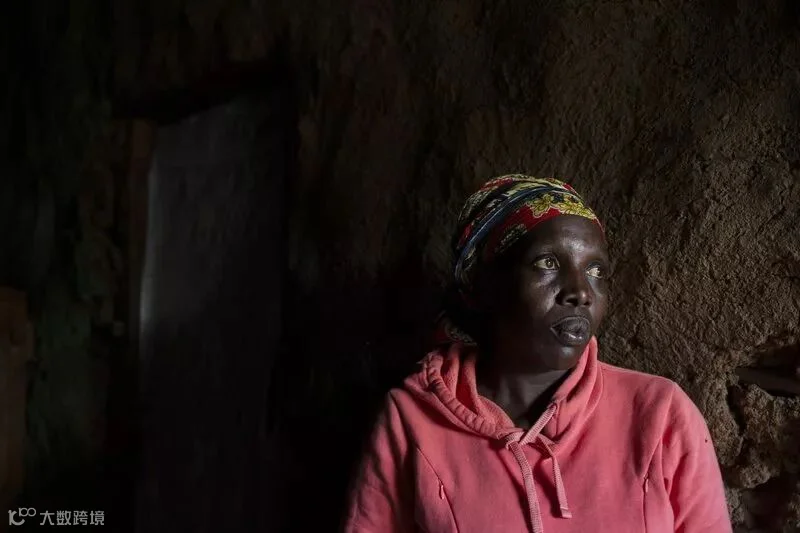
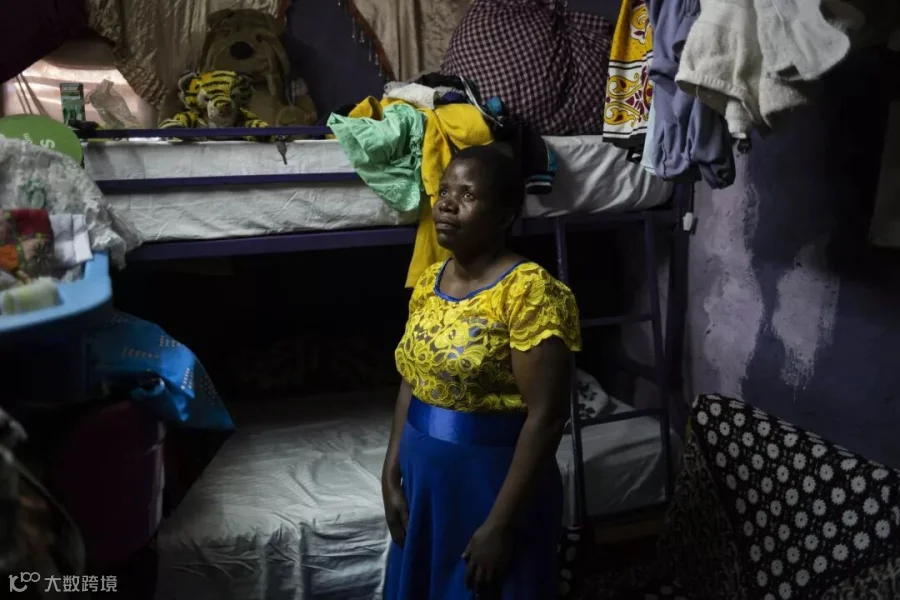
Researchers for the Center for Reproductive Rights, which acts to support women’s health around the world, were conducting a study of maternal health care in Kenya in early 2012 when they learned of the cases of Maimuna Awuor Omuya and Margaret Oliele and resolved to take up the cause of detained patients, bringing suit on behalf of Omuya and Oliele.

生育权中心的研究者致力于保障全球女性的健康,并于2012年初在肯尼亚,开展了一项妇科医疗保健方面的调查。其中,通过马穆纳•阿沃尔•奥姆亚以及玛格丽特•奥利尔两人的案例,研究者们决定深究病人遭扣留的原因,并且代表阿沃尔和奥利尔提起诉讼。


“These were two very appalling cases and their treatment was very degrading,” said Evelyne Opondo, a senior regional director at the center who oversaw the case.

该中心的高级地区主管伊芙琳•奥庞多称“这里有两人遭受了侮辱性的对待,这是相当令人震惊的两个案例”。


They won. In September 2015, Kenya’s High Court ruled the women’s detention violated numerous human rights enshrined in the constitution and was therefore illegal. The High Court described the women’s detention as “cruel, inhuman and degrading.” The court further ordered the Kenyan government to “take the necessary steps to protect all patients from arbitrary detention in health care facilities.”

她们胜诉了。2015年9月,根据肯尼亚高级法院的判决,扣留女性的行为,违背了铭刻于宪法中的数项人权,因而违法。该高级法院用”残忍、非人道、侮辱性“的字眼来形容扣留女性的行为。该法院进一步要求肯尼亚政府”采取必要措施来保护所有病患、禁止医疗保健机构随意扣留病患“。


But three years later, it appears little has changed.

然而,3年后,该现状没有什么改观。


“People are still being detained,” Oliele said. “They should stop treating people like animals and treat them as fellow human beings.”

“人们仍然被扣留,”奥利尔说,“他们不应该将人当成动物一样对待,而是应该将人当成同伴”。


Opondo said detentions continue because nobody has asked hospitals “to provide answers, because they’ve not been held accountable.” She estimated there could be many thousands of people across the country detained, based on information received by the center and news reports.

奥利尔认为扣留现象之所以持续不断,是因为没有人要求医院“提供解答,由于他们没有合情合理的说法”因为医院被认为不该对此负责。基于该中心以及最新报告的信息,她推测到,该国家可能有数千人被扣留。


Although the court instructed the government to produce guidelines on how hospitals should waive fees for patients unable to pay, Opondo said the proposed fixes have not gone far enough. A program that provides free maternity care is only available at a select number of private hospitals and does not include post-delivery care.

尽管该法院要求政府,关于医院不应收取没有负担能力之病患的医药费一事,提供相应的指导方针,但是奥庞多声称政府的提议没有得到有效实施。一项提供免费妇女保健的项目,仅仅适用于有钱人的少数私营医院,并且不包括产后保健。


Earlier this month, Kenya’s High Court ruled again that imprisoning patients “is not one of the acceptable avenues (for hospitals) to recover debt.” The case involved a man detained at Nairobi Women’s Hospital since June 25; the judge ordered his immediate release despite the outstanding bill. Kenyan politicians also will soon debate a proposed amendment to the country’s health law that will explicitly make patient detentions illegal.

这个月初,肯尼亚高等法院再次判决:被监禁的病患“不是医院用来弥补债款的合理渠道”。该案件中,一名男性被奈洛比妇科医院从6月25日开始监禁。尽管医药费账单数额惊人,法院方面要求医院立即释放该男性。肯尼亚政客也将就修改该国健康法、制定明确规定扣留病患非法的提议展开辩论。


The latest amendment was submitted by MP Jared Okelo, a member of Parliament who described the imprisonment of mothers as “rampant.”

国会议员杰瑞德•奥克洛提交了修改法律的最新提案,该国会议员将监禁妇女的行为形容为“狂暴猖獗”。


Omuya is still scarred by her detention at Pumwani. She says she developed chronic pneumonia after being held in the damp, cold conditions there and has not been able to work full-time since.

奥穆亚依然对在蓬巴尼遭受的监禁惊恐不已。她说,自从被关在潮湿、阴冷的环境以来,她就患上了慢性肺炎,难以从事全天制的工作。


“We don’t know what it was, but the doctors told us he needed many medications to treat, that it was a poisoning,” she said.

她说,“医生告诉我们将被施以很多项药物治疗,但我们不知道这其实是投毒”。


“Detentions still go on because there are no rights here,” she said. “What I suffered, I want no one else to suffer.”

“病患扣留的现状仍在继续,因为这里没有人权”,她说,“我不希望有人经历我所遭受的痛苦”。



新闻与图片来源 | 美联社

编译 | 产雨欣 刘与晨 谢依雯

排版 | 刘与晨

【声明】内容源于网络
0
0
QuriositySISU
编译全球年轻新风尚 滋养你的优质好奇心SISU国际新闻编译实践项目平台
内容 1081
粉丝 0
QuriositySISU 编译全球年轻新风尚 滋养你的优质好奇心SISU国际新闻编译实践项目平台
总阅读203
粉丝0
内容1.1k