全文字数: 3324
阅读时间: 10 分钟

普利策评价推荐

Staffs of The New York Times
and The Washington Post
获奖人:《纽约时报》和《华盛顿邮报》的工作人员
For deeply sourced, relentlessly reported coverage in the public interest that dramatically furthered the nation’s understanding of Russian interference in the 2016 presidential election and its connections to the Trump campaign, the President-elect’s transition team and his eventual administration. (The New York Times entry, submitted in this category, was moved into contention by the Board and then jointly awarded the Prize.)
获奖理由:他们为维护公共利益深入采访,持续报道,有力地帮助了美国公众了解俄罗斯对2016美国大选的干涉,以及俄罗斯与特朗普竞选团队、候任总统过渡团队和最终组建的政府之间的联系。

The Fake Americans Russia Created to Influence the Election
俄罗斯创造出假美国人干扰美国大选

Sept. 7, 2017
2017年9月7日
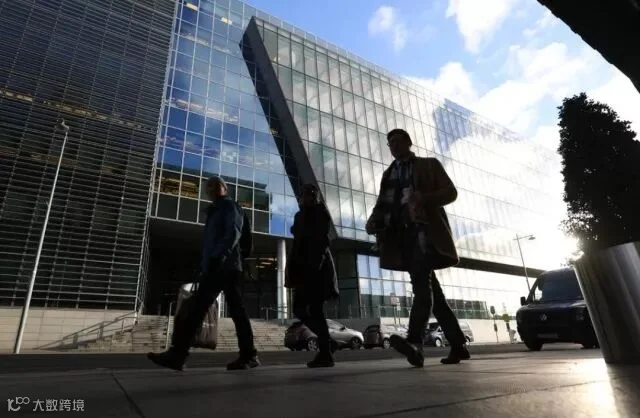
Facebook’s European headquarters in Dublin, above. On Facebook and Twitter, Russian fingerprints are on hundreds or thousands of fake accounts that posted anti-Hillary Clinton messages.
上图为Facebook位于都柏林(爱尔兰首都)的欧洲总部。俄罗斯势力隐藏在成百上千的虚假用户中,发布反对希拉里·克林顿的信息。
Sometimes an international offensive begins with a few shots that draw little notice. So it was last year when Melvin Redick of Harrisburg, Pa., a friendly-looking American with a backward baseball cap and a young daughter, posted on Facebook a link to a brand-new website.
有时,一些微不足道的小事能触发国际性的冲突。去年,来自哈里斯堡的梅尔文·瑞迪克在Facebook上发布了一个全新网站的链接。他的头像是一个面相和善的美国人,头戴棒球帽和小女儿在一起。
“These guys show hidden truth about Hillary Clinton, George Soros and other leaders of the US,” he wrote on June 8, 2016. “Visit #DCLeaks website. It’s really interesting!”
他在2016年6月8日写道:“这些家伙揭露了关于希拉里·克林顿、乔治·索罗斯和其他美国领导人的一些被隐藏的事实”,“请参观DCLeaks网站(2016年6月建立,涉嫌泄露美国政要邮件的网站)。有趣极了!”
Mr. Redick turned out to be a remarkably elusive character. No Melvin Redick appears in Pennsylvania records, and his photos seem to be borrowed from an unsuspecting Brazilian. But this fictional concoction has earned a small spot in history: The Redick posts that morning were among the first public signs of an unprecedented foreign intervention in American democracy.
结果,瑞迪克先生是一个让人捉摸不定的人物。宾夕法尼亚州的居民档案里不存在梅尔文·瑞迪克这个人,并且他使用的照片看起来是从一个可靠的巴西人那里借用的。但是这个虚构合成人物已经在美国历史上占据了一个小角落:瑞迪克那天早晨发布的消息使得美国民主政治被外国势力干涉的情况初见端倪。
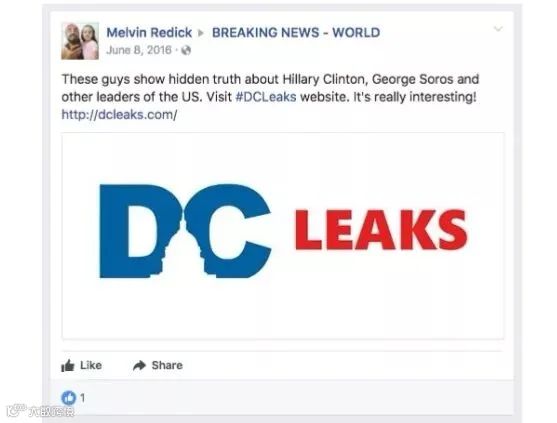
A Facebook post, by someone claiming to be Melvin Redick, promoting a website linked to the Russian military intelligence agency G.R.U.
有人发布了一条Facebook消息,声称自己是梅尔文·瑞迪克,并推荐了俄罗斯军事情报局G.R.U的网站。
The DCLeaks site had gone live a few days earlier, posting the first samples of material, stolen from prominent Americans by Russian hackers, that would reverberate through the presidential election campaign and into the Trump presidency. The site’s phony promoters were in the vanguard of a cyber army of counterfeit Facebook and Twitter accounts, a legion of Russian-controlled impostors whose operations are still being unraveled.
DCLeaks网站在几天前启动,发布了俄罗斯黑客从美国显赫政要那里偷来的第一批文件,这将影响美国总统选举,并进一步影响特朗普当选总统。这个网站的欺诈操纵者正在一个运营假冒Facebook和Twitter账号的信息技术团伙里充当主力,一大群被俄罗斯操纵的骗子冒牌货的罪行仍然没有被揭露。
The Russian information attack on the election did not stop with the hacking and leaking of Democratic emails or the fire hose of stories, true, false and in between, that battered Mrs. Clinton on Russian outlets like RT and Sputnik. Far less splashy, and far more difficult to trace, was Russia’s experimentation on Facebook and Twitter, the American companies that essentially invented the tools of social media and, in this case, did not stop them from being turned into engines of deception and propaganda.
俄罗斯对美国大选的信息攻击不止于在诸如今日俄罗斯(RT)、俄罗斯卫星网(Sputnik)等俄罗斯国际网站上进行黑客攻击、泄露民主党邮件,散布一些虚实不定的消息来攻击希拉里·克林顿。更隐蔽的、更难追踪的是俄罗斯对Facebook和Twitter进行的试验,可以说这几个美国公司创造了社交媒体工具,但也没能阻止俄罗斯人将其沦为欺骗和宣传的工具。
An investigation by The New York Times, and new research from the cybersecurity firm FireEye, reveals some of the mechanisms by which suspected Russian operators used Twitter and Facebook to spread anti-Clinton messages and promote the hacked material they had leaked. On Wednesday, Facebook officials disclosed that they had shut down several hundred accounts that they believe were created by a Russian company linked to the Kremlin and used to buy $100,000 in ads pushing divisive issues during and after the American election campaign.
纽约时报的调查以及网络信息安全公司FireEye的新研究揭露了可疑的俄罗斯操纵者运用Twitter和Facebook来传播反对希拉里的信息以及传播已经被泄露的黑料等一些手段。周三,Facebook官方宣布他们已经关闭了几百个账号,他们怀疑这些账号是由一个和克里姆林宫有关联的俄罗斯公司制造的,这个公司曾经在美国大选期间和大选结束后,花费十万美元投放制造分裂的广告。
On Twitter, as on Facebook, Russian fingerprints are on hundreds or thousands of fake accounts that regularly posted anti-Clinton messages. Many were automated Twitter accounts, called bots, that sometimes fired off identical messages seconds apart — and in the exact alphabetical order of their made-up names, according to the FireEye researchers. On Election Day, for instance, they found that one group of Twitter bots sent out the hashtag #WarAgainstDemocrats more than 1,700 times.
FireEye公司研究员发现,在Twitter和Facebook上,俄罗斯身影活跃在成百上千发布反希拉里信息的账号上。其中,许多都是自动操作的Twitter账号,也被称为僵尸号,这些账号有时每隔几秒就接连发出相同的信息,它们的用户名存在明显的字母表顺序规律。例如,在选举日,他们发现一群Twitter僵尸号发布了超过1700条以“反对民主主义者的战争”为标签的消息。
The Russian efforts were sometimes crude or off-key, with a trial-and-error feel, and many of the suspect posts were not widely shared. The fakery may have added only modestly to the din of genuine American voices in the pre-election melee, but it helped fuel a fire of anger and suspicion in a polarized country.
俄罗斯的作假是粗糙的,不得要领的,像试错一样,许多可疑的消息都没有被广泛传播。这些造假行为可能只是在选举前真正美国民众声音中加入了一些杂音,但这确实助燃了这个看法呈两极化的国家里人们的愤怒和怀疑。
Given the powerful role of social media in political contests, understanding the Russian efforts will be crucial in preventing or blunting similar, or more sophisticated, attacks in the 2018 congressional races and the 2020 presidential election. Multiple government agencies have investigated the Russian attack, though it remains unclear whether any agency is focused specifically on tracking foreign intervention in social media. Both Facebook and Twitter say they are studying the 2016 experience and how to defend against such meddling.
社交媒体在政治博弈中扮演了重要角色。要阻止或削弱俄罗斯对2018年国会选举与2020年总统选举进行类似或更复杂的干预,理解俄罗斯的行为至关重要。尽管目前还不清楚是否有机构致力于追踪外国对社交媒体的干预,许多政府机构已经开始着手调查俄罗斯的攻击了。Facebook和Twitter都表示他们正在分析2016年大选,并研究如何抵御这样的政治干预。
“We know we have to stay vigilant to keep ahead of people who try to misuse our platform,” Alex Stamos, Facebook’s chief security officer, wrote on Wednesday in a post about the Russia-linked fake accounts and ads. “We believe in protecting the integrity of civic discourse.”
Facebook的首席安全顾问Alex Stamos在周三发布了一则动态,事关俄罗斯虚假账户与广告:“我们必须保持警惕,以防人们滥用我们的平台。我们坚信应当保护公民话语的完整性。”
Critics say that because shareholders judge the companies partly based on a crucial data point — “monthly active users” — they are reluctant to police their sites too aggressively for fear of reducing that number. The companies use technical tools and teams of analysts to detect bogus accounts, but the scale of the sites — 328 million users on Twitter, nearly two billion on Facebook — means they often remove impostors only in response to complaints.
一些评论家们表示,由于股东在评估企业经营状况时,一定程度上是基于一个重要的数据点——“月活跃用户数”,所以为了避免这个数字下降,他们不愿过于严苛地监管网站。尽管这两家企业动用了技术工具和分析团队来检测虚假账户,但这两个网站的用户规模依旧庞大——Twitter 3.28亿,Facebook接近20亿,这意味着他们通常只是在接到投诉的情况下才会清除一些虚假用户。
Though both companies have been slow to grapple with the problem of manipulation, they have stepped up efforts to purge fake accounts. Facebook says it takes down a million accounts a day — including some that were related to the recent French election and upcoming German voting — but struggles to keep up with the illicit activity. Still, the company says the abuse affects only a small fraction of the social network; Facebook officials estimated that of all the “civic content” posted on the site in connection with the United States election, less than one-tenth of one percent resulted from “information operations” like the Russian campaign.
尽管两家公司在处理被操纵的问题上进展缓慢,但他们都在清理虚假账户上加快了步伐。Facebook表示一天内他们已经清理了一百万个账户,其中有一些涉及近日法国大选和即将到来的德国大选,但想要跟上非法活动的进度依然很困难。不过,Facebook表示,这一滥用行为仅仅影响到了社交网络的一小部分;据Facebook官方估计,发布在网站上的所有与美国大选有关的“公民言论”中,只有不到千分之一来自于类似俄罗斯参与的“信息操作”。
Twitter, unlike Facebook, does not require the use of a real name and does not prohibit automated accounts, arguing that it seeks to be a forum for open debate. But it constantly updates a “trends” list of most-discussed topics or hashtags, and it says it tries to foil attempts to use bots to create fake trends. However, FireEye found that the suspected Russian bots sometimes managed to do just that, in one case causing the hashtag #HillaryDown to be listed as a trend.
与Facebook不同的是,Twitter声称力求成为自由辩论的论坛, 并不实行用户实名制,也不禁止自动账户。但它持续更新着一个“热点”列表,其中包括最常被讨论的话题和最常被使用的标签。Twitter称在努力阻止利用僵尸号制造虚假热点的企图。然而,FireEye发现,有时俄罗斯疑似僵尸号的确能够制造热点,有一次它们把 #希拉里败选 这一标签推上了热点列表。
Clinton Watts, a former F.B.I. agent who has closely tracked Russian activity online, said that Facebook and Twitter suffered from a “bot cancer eroding trust on their platforms.” But he added that while Facebook “has begun cutting out the tumors by deleting false accounts and fighting fake news,” Twitter has done little and as a result, “bots have only spread since the election.”
Clinton Watts是一名前联邦调查局特工,曾经密切追踪过俄罗斯的线上活动,他表示Facebook和Twitter遭受了一场“侵蚀平台信号的僵尸号癌症”。他补充道,在Facebook“已经开始通过清除虚假账户和与假新闻作斗争来‘切除肿瘤’”时,Twitter几乎什么也没做,所以“僵尸号在大选伊始就散布开来。”
Asked to comment, Twitter referred to a blog post in June in which it said it was “doubling down” on efforts to prevent manipulation but could not reveal details for fear of tipping off those trying to evade the company’s measures. But it declared that Twitter’s “open and real-time nature is a powerful antidote” to falsehoods.
被问及时,Twitter官方提到了六月份的一篇博客帖子,其中写道Twitter 已经在防止被操纵的问题上付出了“加倍的”努力,但目前不能披露更多的细节, 以免有人给那些试图逃避企业管理措施的人通风报信。同时Twitter声明,他们的“公开性和即时性”是虚假账户问题的“一剂强力解药”。
“This is important because we cannot distinguish whether every single Tweet from every person is truthful or not,” the statement said. “We, as a company, should not be the arbiter of truth.”
“这很重要,因为我们无法分辨每一个用户的每一条推文的真实性,”Twitter在声明中提到,“我们作为一个企业,不应该成为事实的仲裁者。”

To be continued...

文章来源:纽约时报
图片来源:纽约时报
翻译:张文钰 谢伊雯 莫羽 何平芳 徐小涵
整理校对:徐小涵