国际舆论争执不休的朝鲜核问题,让人闻核丧胆。而近期美媒爆料说65年过去了,澳大利亚仍在处理英国核试验遗留下来的问题。那么,英国为什么在澳大利亚进行核试验?核试验的时候到底发什么什么?此次核试验究竟给澳大利亚带来了什么难以修复的问题?本期Quriosity带您一探究竟。

全文字数: 3545
阅读时间: 11 分钟

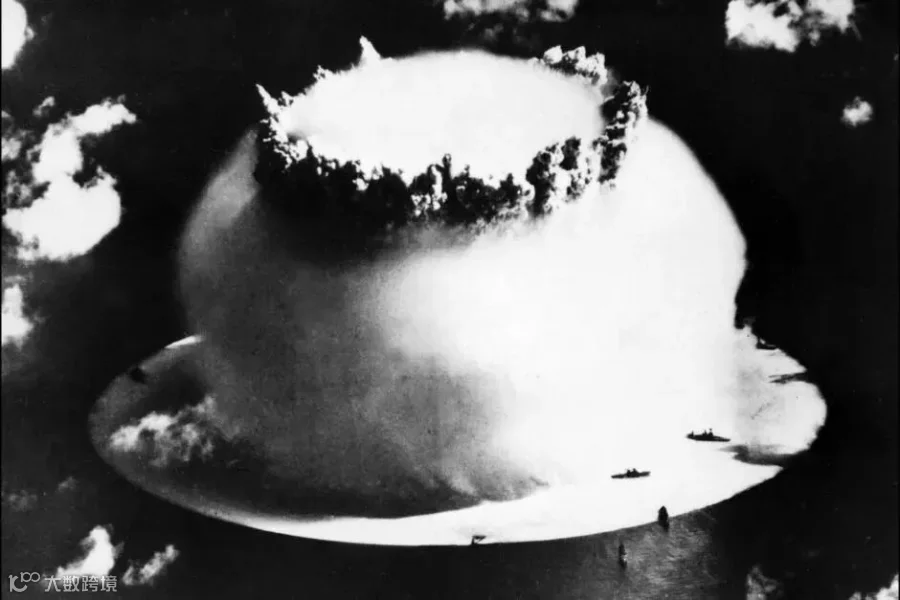
Early on the morning of October 15, 1953, the black mist came to Walatinna with a “big bang”in the distance. This was followed by a dark, ominous-looking cloud which drifted low over the ground like a slow-moving dust storm, bringing with it an unpleasant smell. As the dark cloud settled over the Walatinna camp, the tribal elders attempted to ward it off, thinking it was a malevolent spirit. In many ways they were right.
1953年10月15日清早,远处传来一声巨响,黑雾笼罩了瓦拉蒂纳。随之而来的是一团漆黑的、来势不妙的云,紧贴着地面仿佛是移动缓慢的沙尘暴,并夹杂着一股难闻的气味。黑云在瓦拉蒂纳营地上方徘徊,部落里的长者试图抵挡侵袭,认为这是恶灵的化身。从诸多方面来看,他们的想法是对的。
A tiny speck in the vast South Australian outback, the area around Walatinna was regarded as "depressingly inhospitable to Europeans" by early colonizers, few of whom settled there. But Indigenous people had a long history in the region, including Lester's tribe.
作为广袤的南澳大利亚内陆的一块盈尺之地,瓦拉蒂纳周边地区被早期殖民者视为“对欧洲人极其不友好”的一片地区,几乎没有人在那里定居。但是那片地区的本地人有着悠久的历史,其中包括莱斯特的部落。
It took almost three decades until the cause of the mist was acknowledged as the Totem I nuclear bomb test, as Indigenous people had been claiming for years.
将近30年后,迷雾是因图腾1号原子弹试验而产生的真相才水落石出,正如当地人多年来声称的那样。
That test was one of a number conducted in the 1950s and '60s, not by the Australian government, but by its former colonial master, the UK. Today, 65 years after the Totem I test, the effects are still being felt in South Australia and beyond.
这次试验只是20世纪50和60年代期间的众多试验之一。这些试验并不是澳大利亚政府所实施的,而是它的前宗主国,英国。如今,图腾1号试验结束65年后,南澳大利亚及其他地区依旧受到其影响。
British bomb
Australia was not the UK's first choice of nuclear testing site. British scientists had been intimately involved in the Manhattan Project during World War II, and fully expected to be able to follow the US in testing their own nuclear weapon on American soil.
澳大利亚并不是英国进行原子弹试验的首选地点。英国科学家在第二次世界大战期间密切参与了曼哈顿计划,完全能够跟随美国的步伐,在本国国土试验他们自己的原子弹。
However, after it emerged Soviet spies had infiltrated the US atomic program, Washington passed the McMahon Act, which strictly limited the sharing of nuclear information with other countries and sent London looking for new locations to conduct its first test.
然而,英国萌生这一想法后,苏联间谍便渗透进了美国的核项目。华盛顿通过了麦克马洪法案,严格限制与他国共享核信息,要求伦敦另寻地点进行首次原子弹试验。
"Ultimately, they settled on Australia, which had many benefits," said Elizabeth Tynan, author of "Atomic Thunder: The Maralinga story," a book about the tests. These includes a sympathetic, compliant government under the recently elected Anglophile Prime Minister Robert Menzies, and wide open spaces in which to carry out the detonations themselves.
“最终,他们选定了澳大利亚,这样做有许多好处。”伊丽莎白·泰南说。她是《原子雷霆:马拉林加故事》的作者,该书记录了此次核试验的情况。这些好处包括新当选的澳大利亚首相罗伯特·门齐斯政府倾向且顺从英国,以及澳洲有广阔空间实施核爆炸试验。
In September 1950, British leader Clement Attlee sent Menzies a secret message asking whether his government "would be prepared in principle to agree that the first United Kingdom atomic weapon should be tested in Australian territory."
1950年9月,英国领导人克莱门特·艾德礼给门齐斯发了一封密信,询问他的政府原则上是否“准备同意在澳大利亚国土上试验英国首枚核武器”。
According to a later Australian Royal Commission investigation, Menzies "immediately agreed to the proposal," without consulting any of his cabinet colleagues or the Australian parliament. Indeed, until weeks before the first test was carried out, only three government ministers knew about it.
根据澳大利亚皇家委员会后来的调查,门齐斯“立刻同意了这个提议”,没有向他的任何一个内阁同事或者议会进行咨询。而事实上,直到第一次核试验前几周,仅有三位政府部长知道这件事。
The Australian leader also saw in the atomic age an advantage for his country, which was one of the few to have large stocks of uranium, a previously largely unwanted material.
这位澳大利亚领导人也发现了本国在原子能时代的一个优势,那就是澳大利亚是少数几个拥有大量铀储备量的国家之一。铀是一种先前不太被需要的材料。
The UK's first atomic bomb was detonated in the waters off the Montebello Islands, a small archipelago in north western Australia, in the early hours of October 3, 1952, officially making London the third member of the nuclear club, after the US and the Soviet Union.
1953年10月3日凌晨,英国首枚原子弹在澳大利亚西北部的一个小群岛——蒙特贝罗群岛附近的水域被引爆,英国在美国和苏联之后正式成为了核俱乐部的第三名成员。
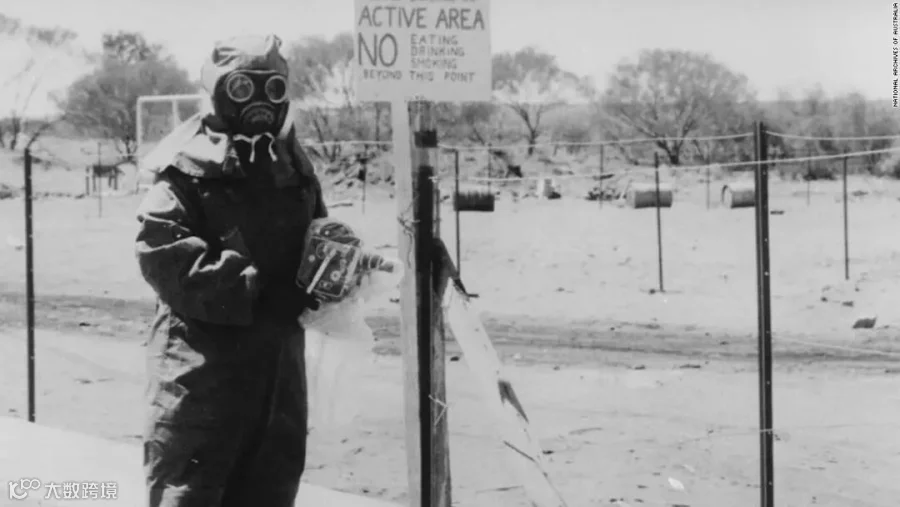
Emu Field
While the Montebello Islands were used for the first test, British planners were never totally happy with the location, and even before the bomb was set off they began looking for a site on the Australian mainland where they could be granted greater secrecy and autonomy.
虽然蒙特贝罗群岛被用于第一次核试验,但是英国的规划者对这个选址却不完全满意。在原子弹引爆前,他们就开始在澳大利亚本土寻找可以保证更好保密性以及自主权的地点。
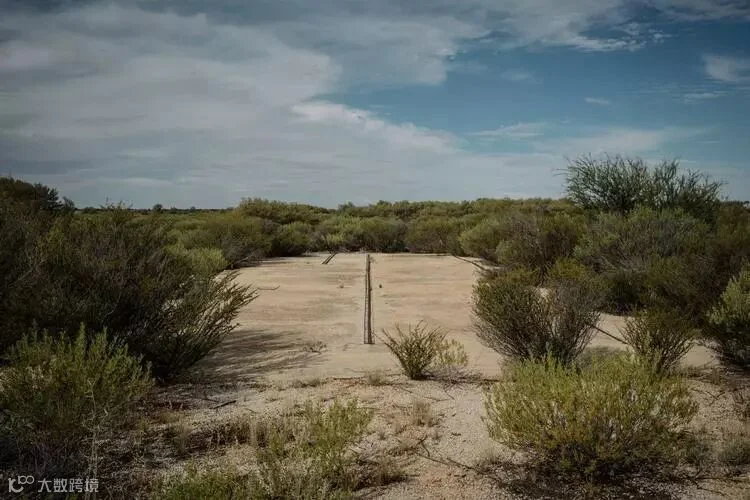
They settled on a location in the Great Victoria Desert, about 480 kilometers (300 miles) from the nearest town, Woomera, which they named Emu Field.
他们将选址定在维多利亚大沙漠,这里离最近的小镇Woomera大约480公里(300英里)。他们将这个小镇命名为Emu Field.
Soon the first of the Totem devices, the second test, was detonated on October 15,1953.
不久,第一个图腾装置于1953年10月15日被引爆。这是该项目的第二次试验。
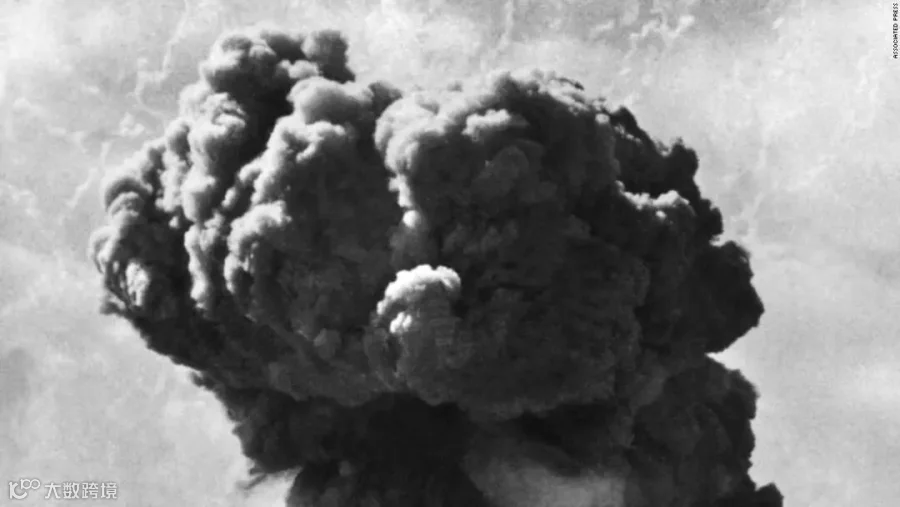
Unlike the Montebello test, which went off largely as planned, the 9.1 kiloton Totem I sent a cloud of debris and smoke some 15,000 feet (4,500 meters) into the air, spreading fallout far higher and farther than originally expected.
不同于基本顺利进行的蒙特贝罗群岛试验, 9.1千吨的图腾1号发射了一大团碎片,并向空中喷出了15000英尺(4500米)的烟雾,其发散出的放射性沉降物远比原先预期的要远得多、高得多。
The Royal Commission later found the test was carried out in inappropriate wind conditions and without proper consideration for people living nearby, examples of the often staggering lack of care taken by British officials overseeing the nuclear program, who frequently ignored or did not bother to seek out vital information about the potential effects of their tests on the host country.
澳大利亚皇家委员会后来发现,这次试验是在不合适的风力条件下进行的,而且没有适当考虑住在附近的人。这证明英国负责监督核项目的官员总是缺乏周到考虑,常常忽视或是不愿费心去搜寻有关试验对于东道国的潜在影响的重要信息。
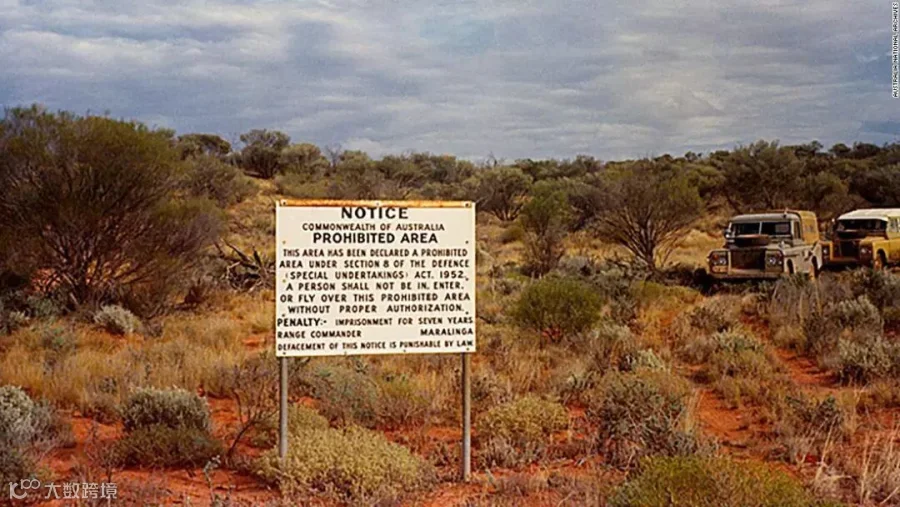
Black mist
The most devastating effects were suffered by two groups: Australian and British soldiers working on the tests themselves, and the Indigenous populations local to Emu Field and the later testing site of Maralinga.
受到影响最为严重的有两个群体:澳大利亚和英国亲身参与测试的士兵们;还有Emu Field和马拉林加后期测试地的原住民。
"The harm done to the Aboriginal people is one of the most shameful aspects (of the tests)," Tynan said. "Nowhere in the British records is there a sign of even the slightest concern for the Aboriginal people."
泰南表示:“对原住民产生的危害是(这个测试)最可耻的影响之一。在英国的相关记录中,没有任何迹象表明他们对原住民有丝毫的关心。”
But just as they had paid little attention to the wellbeing of Indigenous people prior to the test, the British and Australian authorities did not concern themselves with such matters afterwards.
而且,英国和澳大利亚当局在核试验后并未关注原住民的生活质量,就像他们当初忽视这些问题一样。
This was reflected by and large by Australian public opinion, which Tynan said was initially "quite jubilant" about the tests, and remained broadly supportive until the 1970s and '80s, when a host of revelations about the British nuclear program exposed its lackluster safety procedures — even by the standards of the time — and the disdain of those overseeing it for Australian democratic oversight.
这一点在很大程度上是由澳大利亚的公众意见反映出来的,泰南说这些舆论最初对于测试“欢欣鼓舞”并普遍支持,直到二十世纪七八十年代,大量关于英国核项目的言论揭露出其乏善可陈的安全程序(甚至以当时的标准来看也是如此)和对澳大利亚民主监督的蔑视。
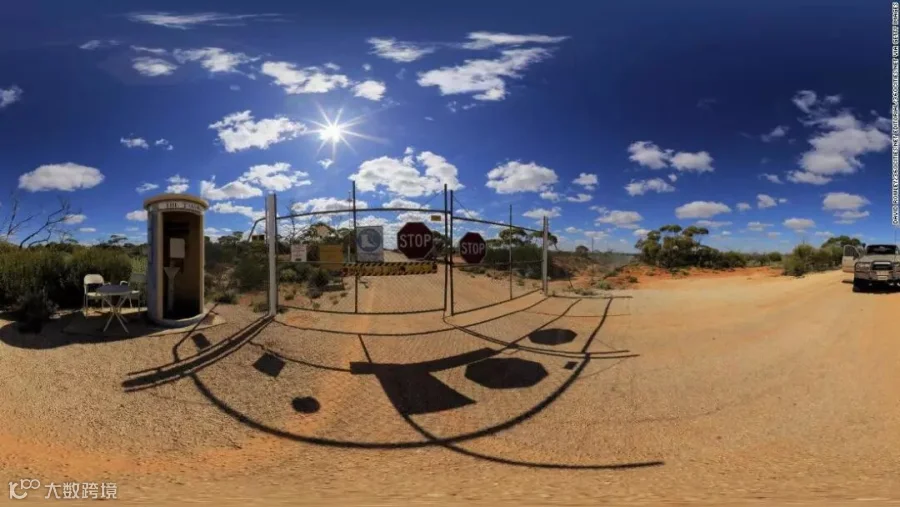
Maralinga mess
This shift began when an Australian defense ministry report was leaked to the press, warning that large amounts of plutonium left at Maralinga could potentially be a target of terrorists.
这一转变始于澳大利亚国防部泄露给媒体的一份报告,该报告警告称,留在马拉林加的大量化学元素钚可能会成为恐怖分子的潜在目标。
This ran contrary to a 1968 report prepared by British official Noah Pearce which assured the Australian government the plutonium had been properly buried and did not present a significant risk.
这与英国官员诺亚·皮尔斯1968年撰写的一份报告背道而驰,该报告曾向澳大利亚政府保证,所有的钚已被妥善掩埋,并不构成重大风险。
When Canberra finally carried out its own survey of the site, scientists were shocked by what they found.
当堪培拉最终对该地进行了调查后,科学家们对结果深感震惊。
"They still thought the Pearce Report was accurate until their geiger counter went crazy," said Tynan, who has interviewed several of the inspectors. "They weren't wearing protective gear (and) were kicking plutonium soaked rocks with their boots."
“他们一直以为皮尔斯的报告是准确的,后来才发现盖格计数器数值都爆表了。”泰南采访了几位检查员后表示:“他们没有穿防护装备,还用靴子踢着浸透钚的岩石。”
*注:盖格计数器,一种用于检测放射性的仪器
The Royal Commission report said later that there were between "25,000 and 50,000 plutonium- contaminated fragments in the (Maralinga) area, although the number might need to be doubled if missed and buried fragments were included." Emu Field and the Montebello Islands were also found to be more dangerous than expected.
后来皇家委员会的报告称“在马拉林加地区有2.5万到5万枚受钚污染的碎片,但如果算上未被发现的和已被掩埋的碎片,这个数字可能将增加一倍。”同时,调查也发现Emu Field和蒙特贝洛群岛比预期中更加危险。
"In addition to British scientific and military personnel, thousands of Australians were exposed to radiation produced by the tests," according to a report by the Australian Institute of Criminology.
一份澳大利亚犯罪学研究所的报告称,“除了参与核试验的英国科学家和军人,成千上万的澳大利亚人暴露在核试验产生的辐射中。”
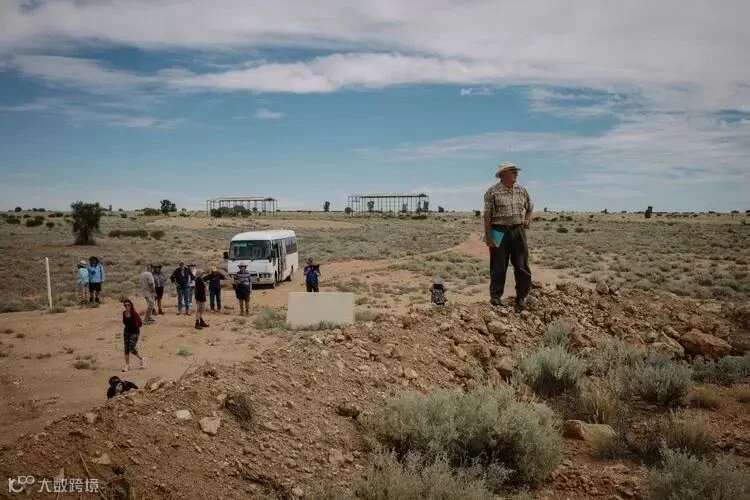
Final hearing
The Royal Commission hearings marked the end to any lingering approval of the tests among the Australian public, exposing fully the ongoing harm done to the local environment, Indigenous people, and the soldiers who worked on the tests.
澳大利亚皇家委员会的听证会标志着任何澳大利亚公众对核试验的残存赞同意见已经终结,充分暴露了核试验对当地环境、土著居民和核试验中士兵的持续伤害。
While many disorders are difficult to link directly to the nuclear tests, veterans of the program have complained of numerous cancers, autoimmune diseases, and other ailments — including among their children — which they put down to their lack of protective clothing and other precautions at the time.
虽然许多疾病很难直接与核试验联系在一起,但参与该核试验的退伍军人抱怨说,许多癌症、自身免疫性疾病和其他疾病——包括他们孩子的疾病——都与当时缺乏防护服和其他防范措施有关。
Last year, the Australian government expanded medical benefits for members of the nuclear testing program, but most are now in their late 80s and one told the ABC the move was "too bloody late."
去年,澳大利亚政府增加了对该核试验项目成员的医疗福利,但大多数成员已经80多岁。其中一位项目成员接受澳大利亚广播公司采访时称,此举“太迟了”。
In 1993, the British agreed to pay the Australian government and the traditional owners of the Maralinga lands around 46 million AUD ($30 million). The Australian authorities also paid Indigenous Maralinga communities a settlement of 13.5 million AUD ($9 million).
1933年,英国同意向澳大利亚政府和马拉林加的原著居民赔偿大约4600万澳元(合计3000万美元,约合人民币2亿元)。澳大利亚政府还向马拉林加的原住民社区支付了1350万澳元(合计900万美元,约合人民币6242万元)的和解金。
"Everyone became friends again after that," said Tynan, adding that the issue, which had dominated Australian media and public attention for years, slowly slipped away, becoming a "great Australian secret."
泰南说:“从那以后,大家又和好如初了。”他补充到,这个多年来一直占据澳大利亚媒体和公众视野的问题逐渐销声匿迹,变成了“澳大利亚的大秘密”。
As Tynan and others have pointed out, those wrongs have not been fully addressed. Health problems stemming from the tests continue for those still living, and while the veracity of Lester and other victims' stories has been acknowledged, what exactly happened to them remains unclear, the details of the nuclear test still kept top secret.
但正如泰南和其他人所指,这些问题并没有得到充分解决。对于那些还活着的人来说,核试验带来的健康问题依然存在。虽然莱斯特和其他受害者故事的真实性得到了承认,但是他们究竟经历了什么仍不清楚,核试验的细节也还是最高机密。
-End-
来源|CNN https://edition.cnn.com/2018/10/14/australia/australia-uk-nuclear-tests-anniversary-intl/index.html
图片来源|CNN、The New York Times
编译|苏娟 范仪亦 郑可意 张文钰
排版|张文钰