

当全球新冠疫情死亡人数达到100万这个灰暗的“里程碑”时,我们的大脑却似乎无法理解这一数字。那些悲伤的声音听起来似乎已经有些遥远和微弱,但是,数据无法完全代表逝去的生命,对于仍身处疫情阴影之中的我们来说,需要铭记的是——“他们”不仅仅只是一个个名字,不仅仅是数字,“他们”曾经也是“我们”。因此,让我们重新——解读数字。
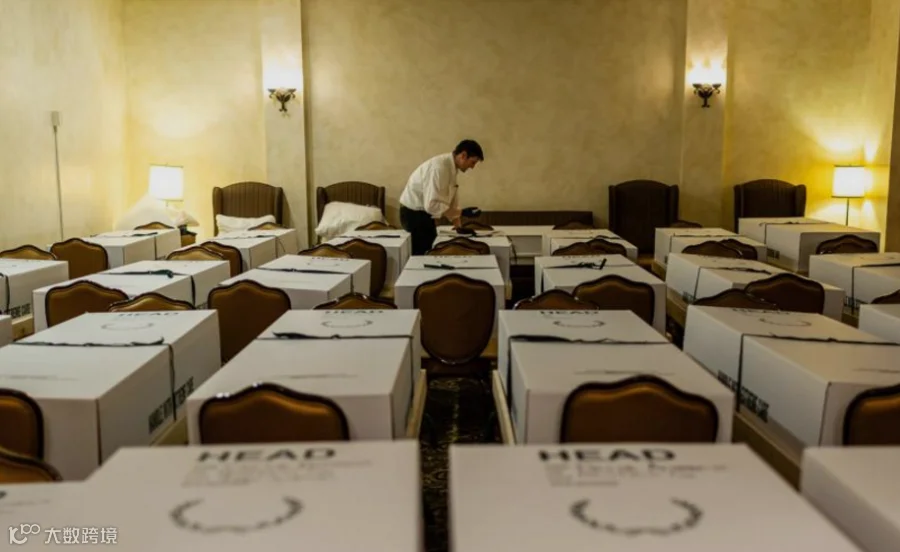
灼热的数字,冰冷的数字
九个月前新冠流行之初,人们无法想象疫情会夺走如此之多同胞的生命。然而残酷的现实是,目前美国的总死亡人数已经超过了20万,全球的死亡人数已经超过了100万。
When the COVID-19 pandemic started nine months ago, the current reported death tolls were unthinkable. Yet the fatality count now has surpassed 200,000 people in the United States, and global deaths have exceeded one million.
美国健康领域的部分官员认为,由于统计不严谨等因素,实际死亡人数应该会比20万更多。但是,目前的数字已经是一个令人心碎的“里程碑”。这个令人悲伤的节点已经深深灼伤了公众的感情,并标志着疫情到达了一个新的惨烈的高峰
Although health officials say the real toll is likely much higher, due to a percentage of coronavirus deaths not being officially classified, the statistic is a heartbreaking milestone. It’s a symbolic grim number that’s seared into the public’s consciousness and marks another alarming level of escalation in the pandemic.
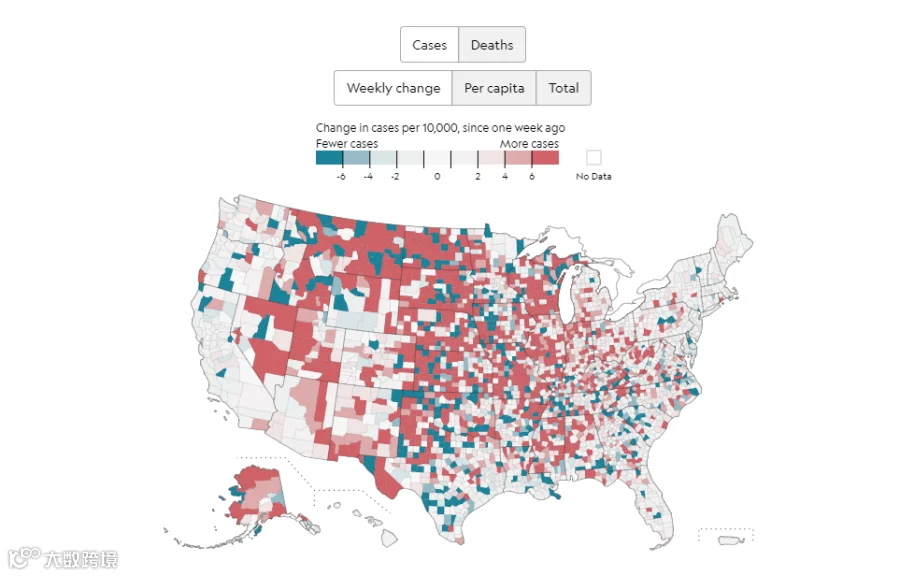




自今年二月下旬美国官方首次通报死亡记录以来,美国平均每一分半钟就有一人死亡。而20万这个数字意味着疫情已经消灭了一个小城市,比如犹他州的盐湖城或是俄亥俄州的Akron,再或者四分之一的华盛顿特区。你也可以想象一架载满人的飞机,20万意味着1450架这样的飞机再也没能返航。
The tally means a U.S. death has happened every 1.5 minutes, on average, since the first official fatality in late February. It’s also the equivalent of wiping out a small city—such as Salt Lake City, Utah or Akron, Ohio—or a quarter of Washington, D.C. It means we have lost 1,450 plane loads full of people.
“我们也可以再具体一些,假设是一架有138个座位的满员波音737,这意味着每天都有八架这样的飞机在美国坠毁,你能想象这个概念吗?”洛杉矶的情感专家,《悲伤的六个阶段》一书的作者David Kessler说。
“If you think about it like that, assuming there are 138 seats in a classic 737, that would mean eight planes have crashed on U.S. soil every day,” says David Kessler, Los Angeles-based grief specialist and author of Finding Meaning: The Sixth Stage of Grief. “Can you even imagine that?”

二、疲惫的身心,迟钝的大脑
尽管我们应该对逝去的同胞致以哀悼,但是我们的生物本性正在与我们作对。科研人员说我们的大脑并不能有效理解巨大的数字。更何况,人们仍然在疫情所导致的海量衍生问题中挣扎前行,例如经济前景不明、社会不稳定、森林大火和飓风、地缘政治冲突、大选的紧张局势以及各种工作生活中前所未有的改变。
Ultimately, our biology is working against us. Researchers say our brains aren’t wired to make sense of big numbers. We’re also trying to digest coronavirus death tolls amid a sea of other worries, including economic uncertainty, civil unrest, wildfires and hurricanes, geopolitical strife, election tensions, and unprecedented shifts in how we work, shop, socialize, and educate our children.
Elke Weber
Princeton University cognitive psychologist
“整个国家都很沮丧,如果人们的心灵已经疲倦不堪,那么20万只是一个无关痛痒的数据而已”
“The whole country is depressed
If you’re already stressed out, the 200,000 statistic becomes just another thing."

俄勒冈大学的心理学家Paul Slovic说,悲剧的加深并不总是能唤起更丰沛的同情,其反而会引起人们的冷漠。由于死亡的严重程度,一些人反而可能会变得更缺乏同情心,这是一种被他称作“精神麻木”的心理现象。
More tragedy doesn’t always elicit more empathy; it can counterintuitively bring about apathy. The magnitude of the death toll can cause some people to become less compassionate, says Paul Slovic, a psychologist at the University of Oregon, due to a phenomenon he calls “psychic numbing.”
在2014年的一项针对慈善捐赠的研究中,Slovic发现,人们对身陷囹圄的人的关注并没有随着其类似案例的增加而增加。“对于一个处于危险之中的人,我们的确会对其倾注非常多的情感投入,但是这一感觉并不会随着人数的增加而成比例提升。”他说,“如果相同的情况发生在两个人身上,你并不会觉得难受的程度翻倍。你的注意力反而会因此分散,无法与每个人产生足够强的共情关系。”
In a 2014 study that looked at charitable giving, Slovic found that people’s concern for those in distress didn’t increase as the number of needy cases did. “Our feelings are very strong for one person in danger, but they don’t scale up very well,” he says. “If there are two people, you don’t feel twice as bad. Your attention gets divided, and you don’t have as strong an emotional connection.”
其他专家补充道,疫情的长时间持续以及终点的遥遥无期,可能会导致人们的感官越来越迟钝。简单来讲也就意味着,有些大脑已经习惯于听到有关COVID-19死亡人数的信息,这些信息已经不再容易唤起人们的情感共鸣。
In addition, the long duration of the pandemic, combined with the absence of a clear end, can dull people’s sense of shock, other experts say. Simply put, some brains have gotten used to hearing about COVID-19 deaths to the point where higher numbers no longer register emotionally.
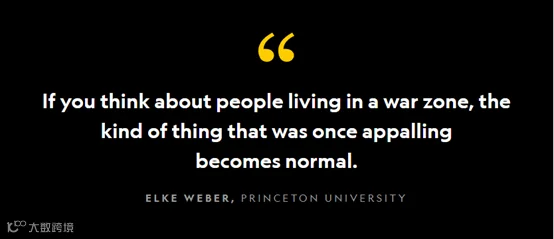
Elke Weber在认知心理学领域研究了人们在面对风险和不确定情况时的决策规律,他说:
“人类的适应能力确实很强,你可以想一想战区的人们是怎样生活的,在那里,往常看来令人震惊的事情变得习以为常。我们的大脑神经元的确会因外界的变化而变得活跃,但一旦过了一段时间,这些神经元很可能重新休眠。就像如果你住在一间有着难闻气味的房间里,那么你最终将不会再注意到那些气味。”
“The human species is really adaptive,” says Elke Weber, Princeton University, who studies how people make decisions when facing risks and uncertainty. “If you think about people living in a war zone, the kind of thing that was once appalling becomes normal. Our brain neurons fire when something changes, but they stop after a while. If you’re in a room with a bad smell, you eventually stop noticing it.”
此外,在悲剧发生后,能在悼念,甚至是送花时有一个具体的去处,是人们面对悲伤时很重要的一点,“在我研究2013年的波士顿马拉松爆炸案时,我发现人们会自发展开纪念活动,甚至将其设置成了一个专门的纪念日来缅怀逝者。”宾州匹兹堡大学的信息技术学副教授林玉如说。她研究发现,面对一些突发的紧急事件,表达自己急升的情绪可以帮助人们更好地面对这种危急的情况。
Having an actual place to go where the tragedy occurred and perhaps even bring flowers has also been key to processing grief. “When I studied the [2013] Boston Marathon bombing, people had gatherings and ceremonies after the event and would even have an anniversary event to remember these losses,” says Yu-Ru Lin, an associate professor at the School of Computing and Information at the University of Pittsburgh in Pennsylvania. In her research, she has found that being able to express a surge of emotions after the defined event helped people cope.
相比之下,新冠病毒无处不在,在一个时间跨度如此之长,且无时无刻都在发生的悲剧中,人们失去了应对的能力。没有一张标志性的照片可以传达疫情之沉重,以唤起人们的悲愤。由于社交聚会的限制,许多病逝者的家庭成员甚至无法参加葬礼,去一趟尚未建成的纪念馆更是无从谈起。
By contrast, the coronavirus is everywhere, and people don’t have a way to process their amorphous, long-haul grief. No single iconic photo that conveys the gravity of the pandemic has emerged and prompted mass indignation. Due to restrictions on social gatherings, many family members of victims cannot even attend funerals, let alone visit memorials that haven’t been built.

还有一个事实是,虽然死亡人数很高,但大多数美国人并没有亲历过亲人的离世,这使巨大的死亡人数在很多人看来更加遥远。
There’s also the fact that while the death toll is high, most people haven’t yet experienced the loss of a loved one, and that makes a big and grave number feel more remote.
Lin说:“除非你在社交网络中认识某个人,否则那些受影响的群体对于许多人来说是几乎不可见的。而对大多人来说,损失则更加模棱两可,似乎不过是正常生活被打断了或者疫情期间无法去医院看望病人。”
“These impacted communities are quite invisible to many people, unless you know of someone in your social network,” says Lin. “For others, the loss is more ambiguous,” like the interruptions to normal life or not being able to visit people in the hospital.
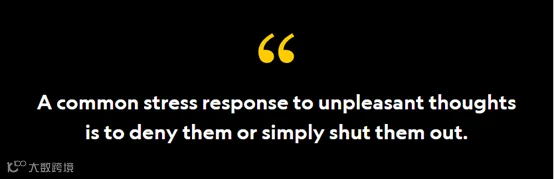
人们愿意放弃情感上的投入,还有一个原因是我们难以忍受不确定性。新冠病例是否会在冬季激增仍是未知,能否发明出安全有效的疫苗尚未知晓,更不用说疫苗何时能够上市的问题。面对以上种种压力或是不愉快的想法,"人们常常否认或者简单地将那些事件拒之门外,以此换取心理上的短暂平静",研究痛苦和创伤的加利福尼亚大学旧金山分校的精神病学家, Mardi Horowitz如是说道。
Another reason some people are tempted to check out emotionally is that humans struggle with tolerating the uncertainty of whether COVID-19 will surge in the winter r whether and when an effective and safe vaccine will become available. A common stress response to unpleasant thoughts is to deny them or simply shut them out. “It calms us down,” says Mardi Horowitz, a psychiatrist at the University of California, San Francisco, who studies grief and trauma.
三、以直面生命的勇气抵抗遗忘与麻木
Slovic说道:“避免感官麻木的最好方法是想象一个有面孔,名字和家庭的人。有人曾说,数据背后是流干了眼泪的人们。” 所以很自然的,他的研究发现,当人们看到那些穷苦儿童的照片并了解他们的情况时,人们会更加愿意向那些需要帮助的孩子捐款。
The best way to avoid compassion fatigue is to think of individuals with faces, names, and families, says Slovic. “Someone once observed, Statistics are human beings with the tears dried off,” he says. Not surprisingly, his research found that people were more likely to donate to needy children when they saw photos and learned more about their circumstances.
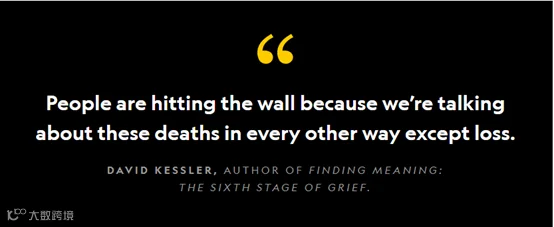

这样的方法在我们面对新冠疫情的受害者时也同样适用。当我们能有机会去了解并纪念那些曾和你我一样生活在这个世界的生命时,死亡的数字才会变得更加有意义。而现在当我们谈论死亡数据时,却不愿意直面生命的消亡,这种叙事让我们陷入了困境。Kessler说:“我们仅仅是在用抽象的叙事在谈论这些问题,比如政治手段,医疗危机,或是该不该带上口罩,事实上我们需要谈论的是更加具体的人,像是Juan的母亲亦或是Susan的哥哥。”
The same principle holds true for coronavirus victims. Death tolls become more meaningful when we have a chance to get to know and honor the people who are gone, says Kessler. “People are hitting the wall because we’re talking about these deaths in every other way except loss,” he says. “It’s a political device or a medical crisis or a mask debate. We’re not talking about Juan’s mother or Susan’s brother.”
插语:纽约时报做了一个很好的范例
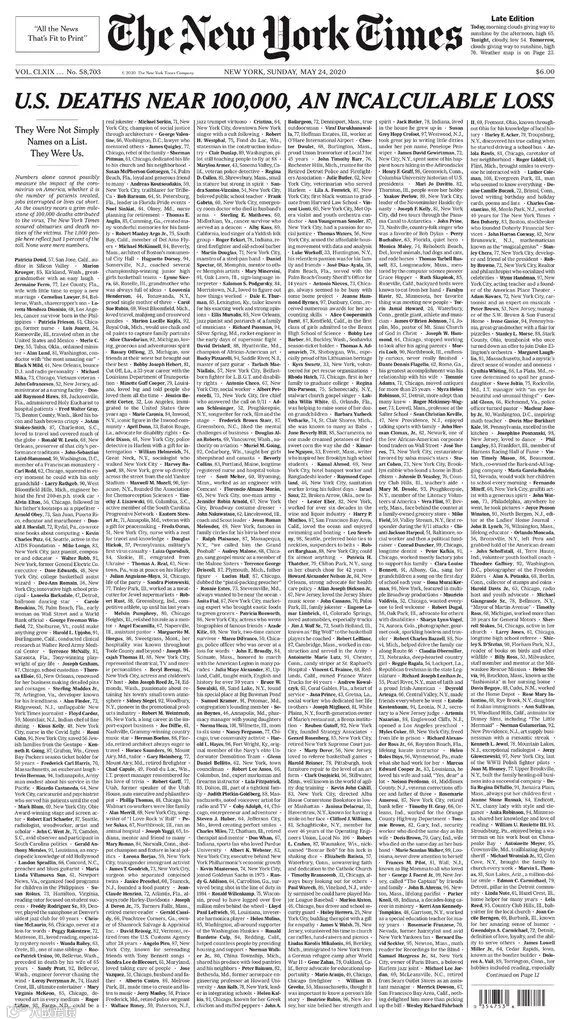


新冠疫情仍有许多未知需要我们勇敢地面对。当我们看到巨大的死亡人数时,害怕和悲伤总会一时间让我们感到手足无措,但重要的是,我们必须直面悲剧与不幸,运用我们的理性去思考应该怎样帮助那些身处漩涡中的人们渡过难关,唯有此道才能让我们有勇气跨越痛苦与绝望。正如Horowitz所说:“极端的不安与不确定之中尚有一个‘暂时的确定之点’值得我们为之奋斗,唯有如此我们才能恢复信心,重拾我们的共同目标。”
“When we see this death toll, it makes us feel frightened and sad. The important thing is to tolerate the pain and think reasonably what we can do to help people through it,” says Horowitz. He adds that it’s important to acknowledge feelings of indignation, hopelessness, and despair—and then move through them. “We have to strive for the middle ground in these extremes. It makes people feel better and restores our collective goals,” he says.
结语:犹太裔汉学家舒衡哲在描述大屠杀时曾说过这样的话:“大屠杀意味着的不是六百万这个数字,而是一个人,加一个人,再加一个人……只有这样,大屠杀的意义才是可以理解的。” 此时此刻,这句话同样适合今天,人们比任何时候都需要在数字的迷障中重新认识悲剧:“悲剧最真实的承重是远离话语场之喧嚣的,每桩噩耗都以它结实的羽翼覆盖住了一组家庭、一群亲人——他们才是悲剧的真正归属者,对之而言,这个在世界眼里微不足道的变故,却似晴天霹雳,死亡集合中那小小的“个”,于之却是血脉牵连、不可替代的唯一性实体,意味着绝对和全部”(王开岭《打捞悲剧中的“个”》)我们需要明白,温热而充盈的泪水,在悲剧面前,永远代表着一种尊严。
相关原文链接
https://www.nationalgeographic.com/science/2020/09/why-minds-brains-cannot-make-sense-coronavirus-enormous-death-toll/
编译:王兆隆 高语阳 储志阳
排版:高语阳