


Facing Tomorrow's High-Tech School Surveillance
当面部识别系统引入美学校
今年秋天,当美国Lockport的学生步入学校时,将有一套监视系统识别他们的面部,以找出携带枪支的可疑分子。然而,这样一套系统却在全美引起争议。首先一个问题是,这套投入重金的系统真的能确保学生安全吗?
全文共7500字
This fall, as students file into Lockport City schools in upstate New York, they will be watched not just by teachers. Instead, for the first time in the district's history, students will be monitored by a sophisticated new surveillance system that scans their faces, looking for matches to the school's security database.
今年秋天,当学生步入美国纽约北部的洛克波特城市学校时,他们不再由老师看管。取而代之的是,这所学校的学生将由一套全新的复杂监管系统看管,这套系统会识别学生的面孔,并与学校安保数据库的学生面孔相匹配。这将是该地区历史上第一次在学校运用面部识别的监管系统。
It might sound like dystopian science fiction, but this could be the not-too-distant future for schools across America and beyond. Researchers at the University of California, San Diego, for instance, have already begun publishing models for how to use facial recognition and machine learning to predict student engagement. A Seattle company recently offered up an open-source facial recognition system for use in school.
这听起来有点像反乌托邦的科幻小说,但是,在不久的将来,美国学校或者国外学校将很有可能会使用该系统。比如,美国加利福尼亚和圣迭代大学的研究人员已经开始发布了一种运用面部识别和机器学习去预测学生参与情况的模型。一家西雅图的公司近期也对外公开了一项面部识别系统的计算机源代码,以供学校使用。
Advocates for these systems believe the technology will make for smarter students, better teachers, and safer schools. But not everyone is convinced this kind of surveillance apparatus belongs in the classroom, that these applications even work, or that they won't unfairly target minority faces.
该系统的拥护者认为,此项技术将使学生更聪明,教师更优秀,学校更安全。但并不是每个人都相信这种监管设备适合课堂,相信它能起作用,或相信它会公平地针对少数族裔面孔。
Lockport's facial recognition program has become both a local controversy and a national test case at the forefront of a wave of similar systems rolling out in American schools. To install its system, the Lockport school district was awarded $4 million through the Smart Schools Bond Act, a New York State fund.
在此次美国学校使用类似监管系统的热潮中,作为最先尝试的学校,洛克波特学校的面部识别项目已成为当地的热议话题,当然也成为国家实施该系统的一个实验点。为了顺利安装好该系统,洛克波特学区通过纽约州基金Smart Schools Bond Act获得了400万美元的奖励。
While most other schools in the state applied for funding to update computer labs or digitize books, Lockport requested specific funds for "new cameras and wiring…to provide viewing and automated facial and object recognition of live and recorded surveillance video," plus "additional surveillance servers…to provide enhanced storage of recorded video and processing," according to the grant application.
根据基金拨款的使用情况来看,虽然大多数其他学校申请基金来更新计算机实验室或数字化图书,洛克波特学校却申请特定的资金项目以安装更新“新相机和电线设施…以此提供监管功能以及现场监控录像的自动面部和对象识别功能”,同时还有“额外的监控服务器…以提供对录制好的视频的增强储备功能和加工功能”。
Earlier this year, the school district announced it would be using tech developed by SN Technologies Corp., a surveillance platform that comes with both facial recognition software and a tool designed to flag guns that might appear on the camera footage (provided the firearm is in someone's hand, not in a bag).
今年早些时候,学区宣布将使用SN技术研发公司开发的一项技术——一个监控平台,包括面部识别软件和一项可以标记出现在相机镜头中的枪支的技术 (如果有人露出手持枪支,而不是将枪支匿藏在包中)。
In the wake of high-profile mass school shootings across the US, Lockport, a small, conservative town of around 20,000 people, has invested in Aegis out of a belief the facial recognition system will help safeguard students, even though there's no evidence that such a system would be an effective security measure in an active shooter scenario.
随着美国大规模校园枪击案的备受关注,即使目前并没有证据表明该系统可以在真正枪击案发生时起到有效的安保效果,这座人口2万的传统小镇——洛克波特仍选择投资这种监控系统,相信这种面部识别系统能帮助学校保护学生的安全。
As this issue went to press, KC Flynn, the head of SN Technologies, told me that 20 other US school districts were considering moving forward with Aegis.
随着枪击事件的持续报道升温,据SN技术研发公司老总KC弗林透露,现在另有20个美国校区正考虑使用该监控系统。
"They want to see the product up and running in Lockport first, "Flynn said.
“他们首先希望看到该系统在洛克波特启动并正常运行。”弗林表示。
2
这套系统是如何运作的?
Here's what SN Technologies' vision for Aegis looks like:
A school using the platform installs a set of high-quality cameras, good enough to detect individual student faces, before determining exactly which biometrics it thinks must set off the system. Crucially, it's up to each school to input these facial types, which it might source from local police and mug-shot databases, or school images of former students it doesn't want on its premises.
SN技术研发公司构想了该监控系统的运行模式:
在确定清楚启动该系统所需的生物识别特征之前,使用该监控平台的学校会安装好一套高像素的相机,这些相机足以拍清楚每一位学生的脸。至关重要的一点是,每个学校需要自己输入面部类型,并输入该监控系统,这可能需要当地入案面孔数据库和当地警方的帮助。
With those faces loaded, the Aegis system goes to work, scanning each face it sees and comparing it with the school's database. If no match is found, the system throws that face away. If one is, Aegis sends an alert to the control room.
在录入好面孔数据后,监控防御系统便开始运作了,系统会扫描它拍到的每张面孔,并将面孔于学校数据库相对比。如果没有匹配成功,那么系统会自动删除该面孔。如果匹配成功,那么系统会对控制室发出预警。
The idea is that the school could get an extra few seconds of warning when an unwanted person arrives on campus, whether that's an expelled student or an escaped felon.
这项系统的主要目的就是让学校在“不速之客”抵达校园时,可以掌握宝贵的几秒预警时间,不论这些“不速之客”是被开除的学生还是在逃重犯。
But critics of the system point out that the vast majority of school shooters are enrolled students—individuals who probably wouldn't be in the facial database.
然而,批评者指出,绝大多数学校枪击案的犯人都是学校本身的学生——这些学生的面孔当然不会出现在学校的入案面孔数据库里。
To implement its system, Lockport is installing or updating a total of 417 cameras, according to an excerpt of a contract obtained by Jim Shultz, a parent in Lockport, that outlines the district's planned implementation of the surveillance tech (with SN Technologies being a subcontractor, in this case). The network will cover six elementary schools, one middle school, one high school, and an administrative building.
根据洛克波特学区的一位家长吉姆•舒尔茨获得的一份合同中的一个片段,为了安装实施该系统,洛克波特学区正在安装或更新417台相机,该片段概述了学区规划实施的监测技术(其中,SN技术研发公司作为分包商)。
该监控防御网络将覆盖六所小学、一所中学、一所高中和一幢行政大楼。
"It is cutting edge," Dr. Robert LiPuma, the director of technology for the district, told the Lockport Union-Sun & Journal in March. (The district did not respond to repeated requests for comment for this story.)
When it comes to school security, LiPuma said Lockport hopes to be "a model."
该学区监控系统的技术总监罗伯特·利彪马博士今年3月在洛克波特Union-Sun & Journal期刊中称:“这是一种前沿技术。” (记者多次请求该学区负责人对此事发表看法,却并没有得到回应)。
当谈到校园安全问题时,利彪马说希望洛克波特可以成为一个“榜样”。
3
人们提出的第二个问题是,
这套系统收集的信息归谁所有?
它是否对少数族裔带有算法偏见?
The New York branch of the American Civil Liberties Union (NYCLU) is worried about just that. It's well known that facial recognition systems are often biased in ways that disproportionately affect people of color. It's also unclear what biometric database SN Technologies uses to train the Aegis system to detect faces.
美国公民自由联盟(NYCLU)纽约分部对此感到担忧。众所周知,面部识别系统往往偏向于影响有色人种。目前还不清楚SN技术公司使用什么生物特征数据库来培养测试Aegis系统识别人脸。
Previous cases have shown how big an impact training data has on the accuracy of these systems—and using certain databases creates a system that can, for example, incorrectly peg 28 members of Congress (most of them people of color) as criminals on the basis of images from a mug-shot database, as demonstrated in a recent ACLU test that used Amazon's facial recognition tool. Flynn declined to comment on how Aegis was developed, citing the proprietary nature of the software.
以前的案例表明了培养测试数据对这些系统的准确性有多大影响。例如,最近一个使用亚马逊面部识别工具的ACLU测试表明,经过图片数据库提供的嫌犯面部照片培养测试的系统曾错误地将28名国会议员(其中大多数是有色人种)识别为罪犯。Flynn拒绝回答Aegis是如何开发的,理由是该软件是专利产品。
In theory, the safeguard against a student of color being misidentified as a felon, for example, is that whoever is in the control room must confirm that a match is indeed correct and not a false positive. That may not be so simple, especially if the security worker is white, and what happens once the system triggers an alert is up to each school to decide.
从理论上讲,防止有色人种学生被误认为重罪犯的保障措施是,控制室里的任何人都必须确认匹配是正确的,而不是假阳性。这可能不是那么简单,尤其是如果保安人员是白人。而一旦系统触发警报会发生什么,则由每个学校决定。
Hundreds of documents related to Lockport's new surveillance program, obtained by the NYCLU in late August through a Freedom of Information Law request, suggest that Lockport did not engage with the community before deciding to move ahead with installing the surveillance network, and that a security consultant who taught Lockport's board about the tech and was later hired by the district holds licensing for Aegis through a separate company, CSI.
NYCLU于8月底通过信息自由法案要求获得了与洛克波特新监视计划有关的数百份文件,表明洛克波特在决定推进安装监控网络之前没有与社区接触,而且还有一名安全顾问曾教过洛克波特董事会关于科技的人,后来被该区聘用,通过一家独立的公司CSI持有Aegis的许可证。
The NYCLU found nothing in the documents outlining policies for accessing data collected by the cameras, or what faces would be fed to the system in the first place. And based on emails acquired through the same FOIL request, the NYCLU noted, Lockport administrators appeared to have a poor grasp on how to manage access to internal servers, student files, and passwords for programs and email accounts.
NYCLU在文件中没有发现任何关于访问摄像头收集的数据的政策,也没有发现最初系统会接收哪些人脸信息。NYCLU指出,基于通过相同信息自由法案请求获得的电子邮件,洛克波特的管理员似乎对如何管理对内部服务器、学生文件和程序和电子邮件账户密码的访问能力知之甚少。
"The serious lack of familiarity with cybersecurity displayed in the email correspondence we received and complete absence of common sense redactions of sensitive private information speaks volumes about the district's lack of preparation to safely store and collect biometric data on the students, parents and teachers who pass through its schools every day," an editor's note to the NYCLU's statement on the Lockport documents reads.
“我们收到的电子邮件通信中显示出当地管理层严重缺乏网络安全知识,完全缺乏修改敏感个人信息的常识。这说明该地区没有准备好安全地存储和收集每天经过学校的学生,家长和教师的生物识别数据,”NYCLU关于洛克波特文件的声明的编辑注释中写道。
The Aegis website offers little information about how the system actually works, either. It describes the facial recognition tool as something that "will be used to alert school officials if anyone from the local Sex Offenders Registry enters a school or if any suspended students, fired employees, known gang members or an affiliate enters a school."
Aegis的网站几乎没有提供系统如何具体工作的信息。该公司将这种面部识别工具描述为“如果任何来自当地性侵犯者注册中心的人进入学校,或者任何被停学的学生、被解雇的员工、已知的帮派成员或附属机构进入学校,该工具将提醒学校官员。”
As to where such a database of "known gang members or an affiliate" would come from, Flynn said Aegis doesn't come with preloaded faces, so it's on the individual school to provide the system whatever biometrics it thinks should be registered. Individual schools also get to select the duration of data storage, though in most cases, Flynn said, the system won't be saving individual faces as it scans students moving about the school. Rather, it will attempt to square any of them to those registered in the system, and discard if no match is found.
至于这样一个“已知帮派成员或联盟成员”的数据库从何而来,弗林说Aegis没有预装面部系统,所以它需要由学校提供它认为应该注册的生物识别系统。弗林说,个别学校也可以选择数据存储的时间,不过在大多数情况下,系统不会在扫描学生在学校里走动时保存个别面孔。相反,它将尝试将其中任何一个与系统中注册的值进行平方,如果没有找到匹配项,则将其丢弃。
Of course, if a school wanted to put every student's face in the system to track throughout the school year, theoretically, it could. "That hasn't been my experience," Flynn noted, when I raised that possibility. "That's not how we package the system."
当然,如果学校想让每个学生的脸在整个学年都能被系统跟踪,理论上说是可以的。“我还没碰到过这种情况”弗林说。“我们不是这样包装宣传这个系统的。”
Meanwhile, Jim Shultz, whose daughter currently attends Lockport High School, has been trying to organize parents to rally against the system. He sees it as not only an invasion of privacy, but a waste of money for a district that comprises around 4,500 students. Of the original $4 million Smart Schools grant, Lockport has spent over $3 million to date, putting its per-pupil spending on the tech at over $550.
与此同时,吉姆舒尔茨一直在试图组织家长们起来反对这一制度。舒尔茨的女儿目前就读于洛克波特高中。他认为这不仅是对隐私的侵犯,也是对一个拥有4500名学生的学区的浪费。在最初400万美元的智能学校赠款中,洛克波特迄今为止已经花费了300多万美元,使每个学生在这项技术上的花费超过550美元。
When Shultz tried to voice his concerns to school administration and a security consultant working with the district, he told me that the board seemed not to take him seriously.
当舒尔茨试图向学校管理部门和与学区合作的一名安全顾问表达自己的担忧时,他告诉我,董事会似乎没有认真对待他。
/daily mail
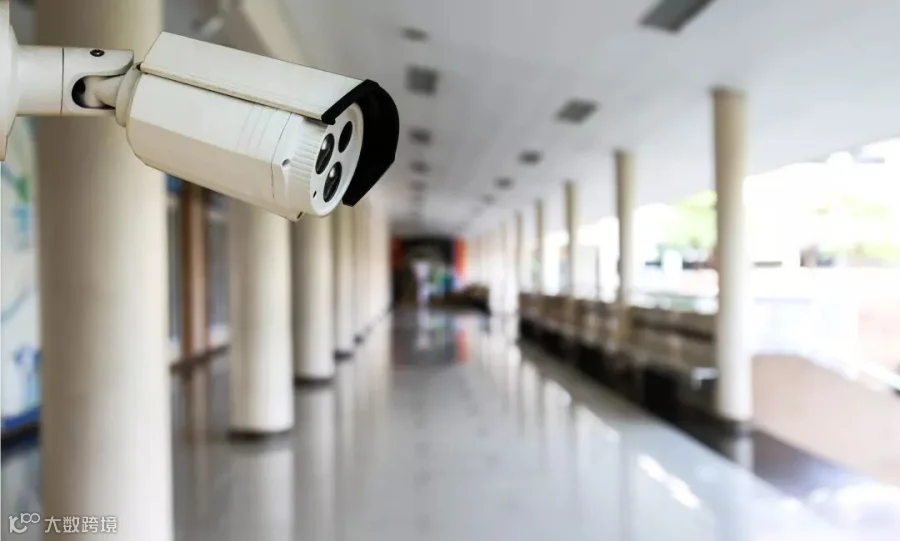
In Lockport, school security officers will be responsible for watching the cameras in a surveillance room, according to Flynn. At any other school, it's still anyone's guess who will have access to the surveillance system. This, in turn, leads the NYCLU to wonder whether undocumented students and their parents risk being flagged and turned over to US Immigration and Customs Enforcement for deportation.
在洛克波特高中,据弗林所说,学校警卫将负责在监控室里查看摄像探头。在任何学校,我们都不知道谁有权查看监控系统。这反过来导致NYCLU怀疑,这是否让无合法登记的学生和其父母冒着被标记,然后被移交至美国移民和海关执法局驱逐出境的风险。
To complicate matters further, schools can each establish their own protocols and decide themselves who can access the information. Without knowing how long this data is stored for, and by whom, it's hard to evaluate the potential security risks. It's also currently unclear if students, for their part, will be allowed to opt out of facial scanning.
让问题进一步复杂的是,学校可以建立自己的协议并自行决定谁可以访问这些信息。在不知道这些数据被存储多久,以及由谁来保存的情况下,我们很难评估潜在的安全风险。目前还不清楚的是,就学生而言,他们能否被允许退出面部扫描系统。
In the US, biometric data from students of any age falls under the Family Educational Rights and Privacy Act (FERPA), a law meant to protect the privacy of student education records. But if the surveillance system is controlled by law enforcement, and not the school, then FERPA doesn't apply.
在美国,对于任何年龄的学生,其生物数据都受家庭教育权利和隐私法案(FERPA)保护。该法案旨在保护学生教育记录不被公开。但是,如果监控系统是由执法者而不是学校控制的,那么FELPA不适用于这一情况。
Beyond the possibility that Aegis and similar surveillance platforms might harm some people more than others, critics say that deploying technologies in schools to begin with sets a clear tone. "They're sending this message to kids that they're unpredictable potential criminals," Stephanie Coyle, the NYCLU education counsel, told me.
除了Aegis和类似的监控平台可能对一些人造成比别人大得多的伤害,反对者表示,在学校使用这项技术首先需要奠定一个明确的基调。NYCLU的教育顾问斯蒂芬妮·科伊尔告诉我:“孩子们在接收这样的信息:他们是不可预测的潜在罪犯。”
Coyle co-wrote a letter to the New York State Education Department objecting to the use of this technology in schools. "Students should think of schools as a welcoming place to learn," Coyle added. "They shouldn't have to worry that their every single move is being monitored, and their pictures are going to wind up in some kind of law enforcement or immigrant database just because they decided to come to school today."
科伊尔参与合写了一封信给纽约州教育部门,反对在学校使用这项技术。“学生应该把学校看作是一个来学习的友好的地方,”科伊尔补充说,“他们不必担心自己的一举一动都受到监控,也不必担心他们的照片会落入某个执法或移民数据库中——只因为今天他们决定来学校。”
4
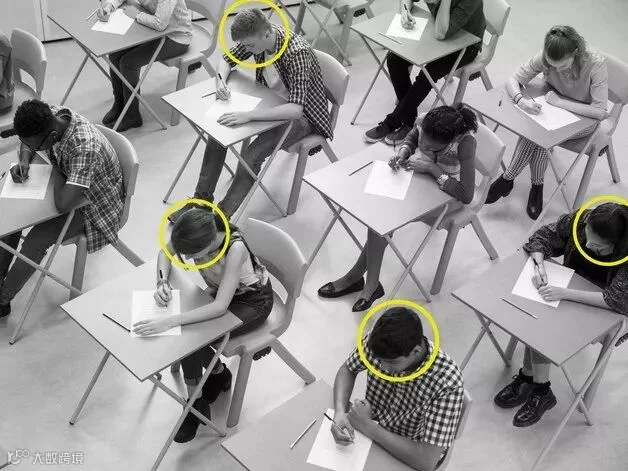
除了上述所说的监视系统(鉴别持枪入校园的可疑人员),还有一种面部识别系统,专门用来检测学生是否在课堂上集中力注意力,这套系统又是怎么回事呢
But then again, what if teachers could use facial recognition systems to better understand students and likewise improve their lectures? What if students could leverage machine learning to help them pay attention better? Developers are teasing out such ideas in labs and startups across the globe, hoping to build, essentially, emotional surveillance systems.
不过,如果教师能使用面部识别系统来更好地理解学生并且改进讲课;如果学生可以利用机器学习来帮助他们更好地集中注意力,那该怎么办呢?开发人员正在全球各地的实验室和初创企业中寻找这些问题的答案,希望能够根本上建立情绪监测系统。
One such system, Nestor, which is now mainly applied to at-home video lectures. At the end of the lecture, the system asks students questions only from segments where the software registered them as not being attentive. "It is impossible to pass the exam if you're not 200 percent focused," Marcel Saucet, the CEO of LCA Group, the company behind Nestor, told me.
Nestor就是一个这样的系统,它现在主要应用于家庭视频讲座。在讲座结束时,系统会对学生提问,这些问题仅从软件监测到学生不专注的地方选出。“如果你没有全神贯注,就不可能通过考试。”马塞尔·索赛,LCA集团(开发了Nestor的公司)的首席执行官,告诉我。
Proponents like Saucet see the potential for these engagement detection systems to revolutionize teaching. "I really think we can change the world of education," he said.
像索赛这样的支持者看到了这些接触检测系统的潜力,认为它能彻底改革教学方式。“我真的认为我们可以改变教育的世界。”他说。
Students at a French business school who participated in the main public case studies involving Nestor weren't so convinced. They couldn't opt out of the trial and to view lectures had to agree to turn their webcams on, something Saucet reported the students didn't always like: "They don't want to be spied on," he said. "They can be scared," he added, "but it's not going to change anything."
然而,法国商学院的学生参加了涉及Nestor的公共案例研究,他们却并不那么确信。他们无法选择退出软件试用,同时不得不在打开网络摄像头的条件下观看讲座。索赛表示学生们并不总是喜欢这一点。“他们不想被监视,”他说,“他们可能会害怕,但这不会改变任何事。”
The way he sees it, there's no stopping facial recognition tech creeping into our lives. "Everybody is doing this," he continued. "It's really early and shocking, but we cannot go against natural laws of evolution."
从他的角度来看,面部识别技术正渗透到我们的生活中,这个过程是不可阻挡的。“每个人都在这样做,”他说,“这确实很早且令人震惊,但我们不能违背自然进化规律。”
5
面部识别系统入校园,人们对它最根本的质疑是:
它真的有用吗?
In fact, there is nothing natural or predetermined about the active decisions made by technologists, each with their own innate prejudices, in developing systems that monitor students. There's evidence to suggest that facial recognition tech struggles to recognize non-white faces, and research also shows teachers are more likely to perceive the faces of black students as angry than the faces of white students.
事实上,在开发学生监控系统时,技术专家作出的每个主动决定都不是自然的或者预设好的,都带有固有偏见。有证据表明面部识别很难识别非白人面孔。也有研究证明,相对于白人学生,老师更容易认为黑人学生面带怒气。
"The mechanisms that perpetuate such systemic inequalities do not magically disappear when a new technological system like facial recognition is introduced into classrooms and therapeutic environments," said Meryl Alper, an assistant professor of communication studies at Northeastern University. "History shows that they actually tend to amplify them."
“持续造成这种制度不平等的机制,不会因为像脸部识别这种新技术被引入教室和治疗型环境就奇迹般地消失。”东北大学传播学助教Meryl Alper说。“历史证明这些新技术事实上会扩大这种不平等。”
When I asked Suresh Venkatasubramanian, a University of Utah computer science professor who studies algorithmic bias, about impartial emotional surveillance, he said:
"As you're describing this to me, a whole bunch of red flags are popping up and not one of them is about the machine learning. The machine bias is probably the least fraught question of all these."
犹他大学的计算机科学教授Venkatasubramanian研究算法偏向,当我问他关于公正情绪监控的问题时,他说:
“当你跟我说到算法偏向时,有一整串的危险警报突然响起,但没有一个是关于机器学习的。算法偏向可能是其中最不令人担忧的问题。”
The idea that researchers can, and should, quantify something as slippery as "engagement" is a red flag for many of the experts I talked to. As Alper put it, "anyone who has spent time in any kind of classroom will know that attention isn't something well-measured by the face. The body as a whole provides many more cues."
研究人员能够,并且应该量化像“课堂参与”这样模棱两可的东西,这对许多和我交谈过的专家来说都是一种危险信号。正如阿尔珀所说,“在任何课堂上过课的人都会知道,注意力不能仅仅通过脸部来衡量。身体作为一个整体提供了更多暗示。”
That's especially true for those who might not perform engagement the way an algorithm has been trained to recognize: students who don't make eye contact with a presenter, who rock or self-stimulate, or who are working parents trying to listen to a lesson at home while feeding kids.
这一点对于一些人来说尤为正确,比如从来不与发言人有任何眼神交流、自嗨型或者需要在家边喂孩子边努力听课的工薪阶级家长——这些不按算法识别的那一套学习的学生。
Saucet said that these individual differences wouldn't be a problem over time, as Nestor would learn how to recognize "engagement" on student's faces. But during the training period for any such system, students who don't perform engagement the same way as others could potentially be penalized.
Saucet说Nestor会学习如何从学生的面部辨别他们的“课堂参与”,这种个体差异不会成为一个长久的问题。但是对于所有系统来说,在这个学习的过程中,那些与其他人表现不同的学生可能就遭到惩罚。
And in order to learn like this, Nestor stores student data for a long time. For the moment, at least, the company's own data collection dates back about two and a half years, according to LCA Group's chief technology officer, Nicolas Delhaume. "If the goal is to track and help the student," Delhaume said, "mostly we need to keep history during the full course of the student." (Nestor stores data on teachers for at least two years.)
并且为了学会上文提及的技能,Nestor会把学生的数据储存很长一段时间。根据LCA集团首席技术顾问Nicolas Delhaume所说,至少到现在,这家公司的数据统计已经可以追溯到两年半前。“如果目标是监控和帮助学生,”Delhaume说,“我们会为学生保留几乎整个学习过程的所有记录。”(Nestor会保存教师的数据至少两年)
Other attempts at building these systems illustrate how difficult a thing "engagement" is to quantify. "Engagement is an abstract, somewhat hard to define state," said Jacob Whitehill, a computer science professor at Worcester Polytechnic Institute in Massachusetts.
建设这样的系统的其他尝试阐明了量化“课堂参与”是一件多么难的事。“这是一个抽象、多少有点难定义的表述,”马萨诸塞州的伍斯特工学院的计算机科学教授Jacob Whitehill说。
In 2014, Whitehill copublished a paper documenting the automated detection of student engagement, in which participating instructors specifically weren't asked to rate how engaged someone actually was. Instead, they were asked to rate "how engaged does the subject appear to be." (It gets around trying to read the person's mind," Whitehill said.) Whitehill and his coauthors ultimately found no correlation between perceived engagement and actual learning.
2014年, Whitehill与其他作者联合出版了一份关于自动检测学生参与的文件。其中特别指出,指导者不必评估一个人到底是如何参与的而仅仅是“看上去是什么”就可以。(“它在尝试解读人心,” Whitehill说)怀特希尔和他的合著者最终没有在感官表现和实际学习中找到任何相关性。
Venkatasubramanian, for one, thinks we're "in a hurry to throw tech at everything," though he's quick to say machine learning certainly could help in classrooms. What if students controlled the system, say, or owned all their data and decided what to do with it? "We could imagine so much more," he said.
就Venkatasubramanian来说,虽然他急忙补充说机器学习一定会对课堂有所帮助,但他认为我们“急于在每件事情上应用技术,”如果说学生控制了系统,或者拥有了自己所有的数据并且能决定怎样处理,会怎么样呢?” Venkatasubramanian说,“我们还可以想象更多。”
For now, in places like Lockport, gun violence has prompted a different reaction than in Parkland, Florida, where student-activists have led rallies demanding tighter gun control laws and regulations. Instead of pushing for similar measures, Lockport is turning to technology. "
如今,相对于学生激进分子已经召集会议,要求加强枪支管制法规的佛罗里达州的帕克兰,在洛克伯特,枪支暴力激发了不同的反应。洛克伯特不再诉求于相同的办法,转而投向技术。
Some people have taken that fear and used it as a device to generate public empathy and support for doing something about guns," Shultz said, "but those same fears can be used to take schools in the direction of other kinds of policies like this one.
“有些人已经把对枪支暴力恐惧当作一种手段,来引起公众对枪支问题的同情和支持,” Shultz说,“但是这种恐慌也可以用来引导学校采取其他类似的政策。”
"You want to look like you're doing something," Shultz continued. Even if that comes with its own set of problems.
Shultz说,“你希望自己看起来在采取措施。”即使这会衍生出一系列其他问题。
编译:张殷雯 常慧 李昕瑞 马林
排版:张殷雯
指导老师:刘佳