

医生协助自杀已在美国有七个司法管辖区合法化,这一直是饱受争议的话题。每个人都应有权利选择“带着尊严死去”,但老年痴呆症患者是否有这样的权利呢?今天,让Quriosity带你一探究竟。

全文字数:2581
阅读时间:8分钟
Medical ethics can be thorny even with relatively benign topics. But physician-assisted suicide to achieve “death with dignity’ is especially fraught. It raises issues of personal beliefs, religion, human rights, end-of-life-care, informed consent, the law and euthanasia.
即便是轻触医学伦理温和的话题,你依然会被它的荆棘扎伤。而以医师协助自杀的方式以期“带着尊严死去”这个话题尤为揪心。它在个人信仰,宗教,人权,临终关怀,知情同意,法律与安乐死等问题上皆引发了争议。
注:【知情同意】指患者对自己的病情和医生据此作出的诊断与治疗方案明了和认可。它要求医生必须向病人说明治疗方案的益处、不良反应、危险性等,使病人能自主地作出决定。
Right to choose how and how long to live

This subject was brought to international prominence earlier this year by the assisted suicide of David Goodall, a 104-year-old scientist from Australia. Although not suffering from a serious, discrete illness, he was aware of his diminishing abilities, including eyesight, and was told that he would eventually require round-the-clock care at home or go to a nursing home.
今年早些时候,104岁的澳大利亚科学家David Goodall选择了协助自杀,此事将安乐死话题推向了国际舆论的风口浪尖。虽然并未患上绝症,但他感觉到自己的能力,包括视力,正在慢慢衰减。他还被告知,最终,他要么待在家中被全天候看护,要么就得去疗养院。
Goodall decided he didn’t wish to go on living beyond his 104 years, but euthanasia is currently illegal in Australia. So the eminent botanist and ecologist flew to Switzerland, where he was put to death with the aid of a euthanasia advocacy group.
Goodall决定让他的生命终止在104岁,但安乐死目前在澳大利亚还是非法的。所以这位卓越的植物学家兼生态学家飞到了瑞士。在那儿,经由安乐死倡导小组的帮助,他被送离了人世。
Goodall's thoughts on the matter were very clear. He told Australia’s ABC News: “I'm not happy. I want to die. It's not sad particularly. What is sad is if one is prevented. My feeling is that an old person like myself should have full citizenship rights, including the right of assisted suicide.”
Goodall对于此事有清晰的看法。他告诉澳大利亚ABC新闻频道:“我不开心。我想要死。这并不是一件特别悲伤的事儿。一个人想死而不得,才是悲剧。我个人认为像我自己这样的老人应当享有充分的公民权利,包括采取协助自杀行为的权利。”
At the heart of the matter is an individual's right to choose how and how long to live. It should not be surprising that opinions are all over the map and raise some intriguing issues.
事件的中心是个人决定自己如何活、活多久的权利。世界各地自然各执己见,也引发了一些值得令人探究的问题。
For everyone, thinking about our own decline with age, possible diseases we may get, and eventual death is depressing. We don’t want to be obsessed with dark thoughts about these uncomfortable subjects, but at some point we each need to think about them.
对于每个人来说,想到我们会年老体衰,想到我们可能会得的病,想到人终有一死,都会感到压抑。我们并不是要执意谈论这个话题的黑暗沉重面,只是人生到了某个时间点,我们每个人都需要去思考这些问题。
Physician-assisted suicide is just about the most uncomfortable subject imaginable. It is legal in seven jurisdictions in the U.S. – California, Colorado, the District of Columbia, Hawaii, Montana (with a court decision), Vermont and Washington state. But there are a number of limits on the practice. These include:
医师协助自杀只是恰好涉及到了人们可以想象到的最令人不适的话题。在美国有七个司法管辖区将其合法化:加州,科罗拉多,哥伦比亚特区,夏威夷,蒙大纳州(经由法庭判决),佛蒙特州和华盛顿州。但在实际执行过程中有诸多限制,其中包括:
A terminal illness, meaning the person who wants to die is expected to live no more than six months.
1、患者患有绝症,且预期寿命少于六个月。
Restrictions on who can write the prescription for the lethal drug.
2、对于可以开安乐死药物处方的人有限制。
Mandatory waiting periods and as many as three different consents by the person who wants to die.
3、执行前有强制等待期、患者至少要签署三次不同的知情同意书。
Showing that the person who chooses assisted suicide is mentally competent.
4、证明选择(医生)协助自杀的患者心智正常。
It is the last of these that involves the strongest beliefs and loudest opinions – and the greatest obstacle for patients with Alzheimer's disease.
最后一条所表达的信念最强,呼声最高——也是阿尔兹海默症患者最大的障碍。
What leaves Alzheimer’s patients in a difficult situation
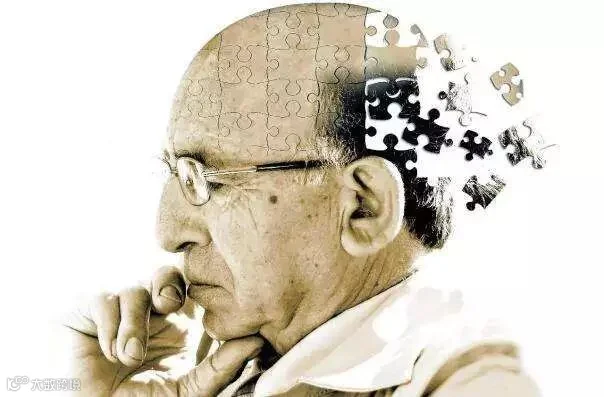
Alzheimer’s disease is widely regarded as one of the worst of all possible afflictions. Its progression and outlook are predictable and gruesome. It involves the erosion of a victim’s very identity.
阿尔茨海默症是被公认为是最痛苦的病症之一。病情的发展和前景可以预测,非常可怕。患者的核心人格遭到腐蚀逐渐丧失。
There are no effective drugs to prevent or treat the disease. And Alzheimer’s takes an enormous physical, emotional and financial toll on patients and their families.
目前还没有有效的药物可以预防或治疗这种疾病。阿尔兹海默症给患者及其家庭带来了巨大的生理、情感和经济上的损失。
Also, Alzheimer’s kills slowly – taking on average four to eight years from diagnosis. This forces people with the disease and their families to endure different stages, each marked by a progressive decrease in their mental ability to reason, exercise judgment, understand what is going on around them and remember things.
此外,阿尔兹海默症的折磨也很漫长,从诊断开始的平均时间是四到八年。患者和其家庭不得不经历不同的阶段,每个阶段都以他们推理、锻炼判断力、理解周围发生的事情和记住事情的精神能力逐渐丧失为特征。
By the end, people with Alzheimer’s barely resemble the people they once were. Many do not recognize their loved ones, think they are living in a different time period, and don’t know where they are.
到最后,阿尔兹海默症患者和之前几乎不再是同一个人。许多人不认识自己的亲人、认为自己生活在一个不同的年代、不知道自己身在何处。
Anyone who has spent time in a nursing home has seen what this terrible disease does to people. So it is not surprising that some people who have just been diagnosed with Alzheimer’s disease wish to end their lives before the deterioration becomes terminal. But when is that legitimate? When is it possible? This is where legal and ethical matters become very murky.
任何在疗养院住过的人都会看到这种可怕的疾病对人们的折磨。因此,一些刚刚被诊断患有阿尔兹海默症的人希望在病情严重恶化之前结束他们的生命,这也就不足为奇了。但是什么时候(结束生命)才是合法的呢?什么时候可能呢?这就是法律和道德的模棱两可之处。
There are two diametrically opposite opinions about assisted suicide for people with Alzheimer’s. We do not judge them, but feel there is an interesting bit of logic that bears examining.
关于(医生)协助阿尔兹海默症患者自杀,有两种截然相反的观点。我们不去评判他们,但有一个有趣的逻辑需要检验。
Under current state laws, it is impossible for someone with Alzheimer’s, regardless of the stage, to have the option of physician-assisted suicide. This is because of Catch-22 “safeguards” built into our laws that leave Alzheimer’s patients in a difficult situation.
现在国家法律规定,阿尔兹海默症患者无论处于哪个阶段,都无权选择协助自杀。他们身处困境是因为法律中存在着不合逻辑自相矛盾的规定。
The six-month rule
“至多六个月”的规定
Where physician-assisted suicide is legal, state laws specify that a person who wants to die this way must have no more than six months to live.
即使是在协助自杀合法的州,法律也明确规定选择这样结束生命的人预期寿命不超过六个月。
While this requirement makes some sense for terminal cancer patients, it is problematic when applied to Alzheimer’s. When patients are in the early stages of Alzheimer’s they have far more than six months to live (absent any other risk factors). Six years would be far more common, so, under current state laws, Alzheimer’s patients cannot choose physician-assisted suicide.
对于绝症患者,这一条件也许说得通,但是对于阿尔兹海默症患者而言就存疑了。早期阿尔兹海默症患者的预期寿命远远超过六个月(意外因素除外),而正是因为他们通常拥有六年预期寿命,所以现有法律不允许他们选择协助自杀。
Mental capacity
认知能力
Unlike most other diseases, the very nature of Alzheimer’s guarantees that those afflicted cannot possibly be considered to be of sound mind when they are near death. They lack the capacity to make meaningful choices. This is where things get complicated.
与其他疾病不同的是,阿尔兹海默症患者在死前不可能被视为是心智正常的。他们已经失去了做出理智选择的能力,这使情况变得复杂起来。
In the early stages of Alzheimer’s, patients are lucid enough to make rational decisions about how or when to end their lives. But current laws automatically disqualify them from doing so because they are too healthy and most likely have several years, rather than less than six months, to live.
早期阿尔兹海默症患者完全可以保持清醒,理性地决定要在何时何地怎样结束自己生命。然而现有法律认为他们依然健康,比起六个月他们更有可能再活好几年,便想当然地剥夺了他们选择死亡的权利。
Once they are unable to reason, Alzheimer’s patients are barred from choosing assisted suicide, because they no longer meet the requirement to be of sound mind when choosing to die.
一旦失去了思考能力,阿尔兹海默症患者就会被禁止选择协助自杀,因为他们已经不符合法律规定的必须心智正常才能决定安乐死的前提条件。
Analogy of living will

If the goal of physician-assisted suicide is to prevent unnecessary suffering, then why are Alzheimer’s patients and their families forced to suffer for years with no recourse, while people with a shorter-duration terminal disease that don’t impair their thinking have the right to choose their own fates? Does this make logical or medical sense?
协助自杀是为了让人免受不必要的痛苦。有些病人,不必遭受长期的病痛折磨,思考能力也没有受损,他们拥有选择死亡的权利。但为什么阿尔兹海默症患者及其家人无法行使同样的权利,只能遭受数年的折磨?这是否符合医学伦理呢?
We propose that this conundrum can be solved with an advance directive stating the individual’s wishes before the person is stricken with Alzheimer’s disease.
我们希望能有新的方案出台来解决这一难题。例如,对阿尔兹海默症患者来说,他们应被允许在神志尚且清晰时,提前表示协助自杀的意愿。
This would be analogous to the way that people can choose to refuse aggressive medical interventions – such as resuscitation from a cardiac arrest or admission to a hospital intensive care unit – near the end of life, by signing a document known as a living will (also called an advanced health-care directive).
这与病人签署的生前预嘱(也称作提前的医疗护理指示文件)类似。濒死的病人可以拒绝接受惊心动魄的急救措施,例如心脏骤停时进行心肺复苏,送入重症监护病房进一步救助。
A living will is a written statement of a person’s desires regarding medical treatment in cases where he or she is unable to give informed consent. Such documents allow the person to designate someone else – usually a loved one – to make these decisions.
生前预嘱是一份书面声明,陈述了签署人在无法对医疗措施知情同意的特殊情况下,同意让他人抉择。这样的文件准许他人,通常是病人的至亲之人,来为其做出尊严死的决定。
For example, if a person is in a terrible car accident and doctors conclude that he or she is in an irreversible coma, a living will signed earlier by the accident victim could empower the designee to agree to the recommendation of doctors to withdraw life support.
例如,假定一个人遭遇了一场可怕的车祸,医生宣布他陷入了不可恢复的昏迷。这样的情况下,他在生前预嘱上指定的人可以替他做决定——同意医生的建议,不再实行救助措施,让他安详地死去。
For Alzheimer’s patients how would this work – in other words, what conditions would be imposed – in practice?
对于阿尔兹海默症患者而言,怎样才能使生前预嘱发挥效力?换句话说,需要附加什么样的条件才能让他们拥有同样的权利呢?
There are innumerable formulas that one could devise. For example, the criteria might include: certification of the diagnosis of advanced Alzheimer’s disease by a neurologist or gerontologist; consistent loss of awareness of person, place and time by the Alzheimer’s patient; and the inability to carry out activities of daily living (bathing, eating, taking medications, and so on).
有关的改进方案其实有很多。例如,执行生前预嘱的条件可以增加几条:由神经学家或老年学家开出的罹患重度阿尔兹海默症的证明;阿尔兹海默症患者对人、地点和时间的认知持续丧失;日常生活无法自理(洗澡,吃饭,服药等等)。
A basic tenet of the medical profession is “first, do no harm.” Sometimes, the true sense of that requires that a patient’s wish not to suffer or lose dignity at the end of life be respected.
医疗职业最基本的宗旨是“首先,不能伤害病人。”有时候,真正的不伤害,是尊重病人,不让他们在临终时遭受痛苦或者丧失尊严。
Source:
https://www.foxnews.com/opinion/assisted-suicide-for-alzheimers-patients-raises-incredibly-difficult-issues
编译|貟扬 张进宁 范仪亦 邱思怡
排版|邱思怡
图源网络