

和人相处不自在?你可能被“微歧视”了!一句简短的质疑,一个微小的动作,过于轻描淡写的驳回都可能是微歧视。本期Quriosity 带您“放大”看似不值一提又使边缘化群体饱受排挤的”微歧视“。

Microaggressions are everyday slights and indignities some people encounter all the time - while others aren’t even aware they’re committing them.
有些人无时无刻不遭受着别人的轻蔑或侮辱,但是那些“施暴者”却丝毫没有意识到自己伤害了他们,这其实就是“微歧视”。
To a female CEO: “Can I speak with your boss?”
他们对女性CEO说:“我能和你的老板谈话吗?”
To a man who’s a nurse: “Wow, you don’t see many male nurses.”
他们对男护士说:“哇,男护士可不常见啊!”
To a mixed-raced person: “What are you?"
他们问混血儿:“你到底是什么?”
Welcome to the world of microaggressions: brief queries, comments or actions sprinkled throughout day-to-day life that make others – particularly those in marginalised groups – feel bad about themselves.
欢迎来到充满着微歧视的世界:简短的质疑、贯穿日常生活的评论或行动都可能使他人对自己感到不满与厌弃,尤其是对边缘化群体来说。
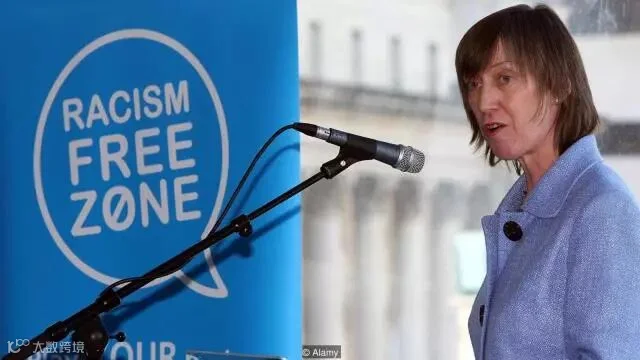
A speaker at a rally in Ireland that sought to bring attention to racism in the workplace (Credit: Alamy)爱尔兰集会上演讲者试图让人们关注职场中的种族主义。(来源:阿拉米)
A slow accumulation of these microaggressions can lead to low self-esteem, feelings of alienation and eventually even mental health issues, researchers warn. They can also create a toxic work environment.
研究者警告道,微歧视的积累会弱化人们的自尊心,给予人们疏离感,甚至会危害心理健康。此外,微歧视也会恶化工作环境。
Where microaggressions can happen
“微歧视”可能在哪儿发生?
Unlike hate speech, microaggressions are not intended to be malicious, even though the impact might be.
不同于仇恨性的言论,微歧视并非出于恶意,尽管它可能造成恶劣影响。
But they don’t have to be spoken. They can be tiny actions, too – ones that most onlookers might not even notice, let alone describe as offensive.
但微歧视不一定以言语呈现,它们也可能是微小的动作,大多数旁观者甚至不会注意到它们,更别说被视为侵犯性的了。
Not sitting next to someone on a train, for example. Or interrupting someone during a meeting, or assuming someone speaks the same language as you because you’re the same race – or assuming they don’t because they’re not the same race – or gawking at people who look different as they walk past.
举个例子,在火车上不坐在某人边上,在会议上打断别人,呆呆地盯着看上去不同的行人,因为人种相同而假定你们说相同的语言抑或相反,这些都是微歧视。
It makes the people experiencing the aggression feel different, weird, someone to be suspicious of, or even feared.
它让人们感到自己格格不入、举止怪异,行为可疑,甚至让人害怕。
“When a student says to me, ‘Dr Sue, I really liked that presentation – oh and by the way, your English is very good,’ my comment is: ‘thank you, I hope so – I was born here,” says Derald Wing Sue, a professor of psychology and education at Columbia University in New York City. He’s Asian-American and was born in Portland, Oregon.
Derald Wing Sue博士是出生在俄勒冈州的波特兰的亚裔美国人,他是纽约哥伦比亚大学心理学和教育学的教授。他说:“当一个学生对我说:‘Sue博士,我真的很喜欢你的演讲,对了还有,你的英语很好。’我回答道:‘谢谢你,我希望如此,因为我就出生在这儿。’”
Why are they damaging?
“微歧视“为什么有破坏性?
There are some who think that
microaggressions are much ado about nothing. They might say that microaggression is a product of political correctness, or that it causes a walking-on-eggshells sort of atmosphere. Op-eds in media outlets have claimed that it fosters “a culture of victimhood.”
有一些人认为微歧视就是无事生非,小题大做。他们可能会说微歧视就是政治正确的产物,或者说它带来了一种如履薄冰的氛围。媒体专栏声称它促成了“一种受害者文化”。
“I understand the people who are saying, ‘don’t be a whiner,’ ‘enter the real world.’ What they don’t understand is what the real world is like for people of colour [for example],” says Sue.
Sue博士说:“我明白那些人说的,‘别做祥林嫂’‘面对现实吧’这一类说辞,但他们根本不明白有色人种面对的真实世界是什么样子。”
That student complimenting Sue probably thought they were doing just that – paying him a compliment. But in actuality, the comment sent a message to Sue that he, despite being an American, is an outsider. And because this has happened over and over throughout his life, he says these comments make him feel like a foreigner in his own country of birth.
那个恭维Sue博士的学生可能觉得他们这么做只是在恭维Sue博士。但事实上,这条评论向sue传达着这样的信息:尽管身为美国人,他还是个局外人。因为这件事在他的一生中不断发生,他说这些评论让他觉得自己就是一个出生在这个国家的外国人。
Here in lies the problem with microaggressions: slow-building, incremental damage that snowballs into something a lot bigger.
微歧视的问题在于: 缓慢地积累,不断增加的伤害,让雪球越滚越大。
How to take action 该怎么行动?
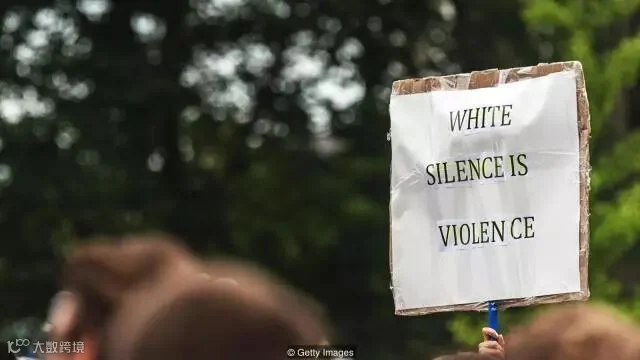
To fight microaggressions in daily life, bystanders in non-marginalised groups are encouraged to acknowledge them, call them out and offer support (Credit: Getty Images)
为了对抗生活中的“微歧视”,我们鼓励非边缘化群体的看客承认“微歧视”的存在,说出“微歧视”这个字眼,并提供支持。(来源:华盖创意)
“The best thing to do in that moment is acknowledge that it happened,” Chandrasekera says. “The person is feeling very much alone. They’re very ‘triggered,’ because it’s not the first time it’s happened,” she says, referring to microaggressions’ repeating nature.
Chandrasekera 说:“遭到微歧视时,最应该做的是承认它发生了。”关于微歧视的重复性,她说道“遭到微暴力的人会感到非常孤独。因为微歧视并非第一次发生,他们的情绪十分易于被‘触发引爆’。”
If you are on the receiving end, Sue suggests microinterventions – comebacks that simultaneously “disarm the microaggression but also educate the perpetrator,” he says, for example, when he told the student who said he spoke good English that he was in fact born in the US.
Sue建议遭受“微歧视”的人们采取“微干预”措施,化解“微歧视”的同时教育施暴者。他说,例如他对夸奖自己英语口语的学生说,自己事实上就出生在美国。
Sue, who specialises in racism and multiculturalism, reminds us that “no one is immune from inheriting racial, gender or sexual biases in our society.”
Sue专门研究种族主义和多元文化。他提醒道:“在社会中,没有人能免于渊源深厚的种族主义与性别歧视的影响。”

图片来源网络
信息来源:BBC news
推荐阅读:www.bbc.com/capital/story/20180406-the-tiny-ways-youre-offensive---and-you-dont-even-know-it
编辑校对:曹羽晗
翻译:曹羽晗 安然然 糜琪琦 刘曼芳