



● 编者按
近日,澳洲发生了一起离奇的绑架案:两名互不相识的中国留学生在同一屋檐下相处八天,相互配合完成了一场自导自演的绑架案,向其中一名学生的家人发出了自制的被绑架视频。直到警方破案时,他们才知道自己落入了针对中国留学生的”虚拟绑架骗局”。骗子究竟是怎样精心谋划的?当你被骗局盯上时,又该如何保护自己?快随小Q来看看到底是怎么一回事!
01
被“绑架”的留学生,被骗局利用的亲人
近年来澳大利亚警方、中国有关部门和澳大利亚华人社区多次对“虚拟绑架”骗局发出警告,但仍不断有中国留学生上当受骗。
Despite repeated warnings about "virtual-kidnapping" scams from Australian police, Chinese authorities and Chinese-Australian community groups in recent years, international students have continued to fall for the scam.

“虚拟绑架”并不是恶作剧,而是针对中国留学生精心设计的骗局。事实上,“绑架案”并没有发生,骗子会打电话给学生的家人让他们相信自己的孩子被“绑架”了,以此骗取“赎金”。
骗子为了让自己的骗术更加“天衣无缝”,甚至会对学生展开心理战术。被骗局盯上的学生不得不假装自己被绑架,并发送视频“证据”给自己远隔重洋的家人来换取赎金。
These are not your usual prank calls. They are elaborate phone scams targeting vulnerable Chinese international students.
In a virtual kidnapping, the most common circumstances are that a demand is made, almost always over the phone, but there is no actual hostage-taking to accompany it. The demand is made to the family, or even a company on the pretext that the person or virtual hostage (most often a relative) has been kidnapped and is under threat.
In the elaborate extortion, blackmailed students are forced to stage their own kidnappings and then send video "proof" to their families overseas for money in exchange for their safe release.

新南威尔士警方公布的最新案件显示,一名22岁的男子中了骗子的招:他确信自己必须按骗子的指示将一名完全不认识的女高中生带到自己的公寓中进行监视保护。
In the latest case revealed by police in New South Wales this week, a 22-year-old man was convinced by the scammers that he had to take a female high-school student – a complete stranger – into witness protection at his apartment.
同时,这伙骗子谎称自己是中国警方,告知那名女生她必须跟随那名男子躲在他的公寓中。
The 18-year-old student meanwhile had been conned into believing by the same scammers, who claimed they were Chinese police, that she had to go into hiding with the man at the apartment in the Chatswood area of Sydney.

那名女生通过微信发送了一系列自己“被绑架”的照片和视频给自己的家人。接着,骗子冒充中国警方告知她的家人,只有转钱才能安全释放她。
During that time the woman sent a series of photos and videos of herself “kidnapped” to her family via Chinese social media app WeChat. These messages were followed up by others purporting to be from the Chinese authorities and telling the relatives to transfer money to secure her release.
这并不是个案。新南威尔士警方称今年该州共发生9起类似案件,对受害者造成的经济损失累计达350万美元。全球范围内,针对中国年轻人的“虚拟绑架”骗局已导致数十亿美元的财产损失。在一些国家,例如美国,甚至发生了真实的绑架案,这无疑使得受害者更加容易上当。
NSW police say the case detected in September is one of nine reported in the state this year, which have resulted in ransoms of almost $3.5m being paid. Virtual kidnappings targeting young Chinese adults are estimated to have netted billions of dollars worldwide. In some countries, such as the US, actual kidnappings of exchange students have taken place, undoubtedly making the scams more convincing.
骗局给受害者造成的伤害不仅仅是经济上的。在澳大利亚,不少受害者听信了骗子的蛊惑伤害自己,为了让自己“被绑架”的照片看起来更真实。一些女性甚至被要求暴露自己的身体并拍照片,这让本就深陷骗局的她们更加痛苦和羞耻。据报道,一些人不堪其辱选择了自杀。
The damage to victims is not just financial. In Australia, there have been multiple instances of the scammers convincing their victims to harm themselves, to make the ransom photos sent to their parents appear more realistic.
Some women scammed in Australia were told they had to expose themselves and take photos, furthering their torment and shame at being caught up in the ruse. That shame has driven some victims to suicide, according to international reports.
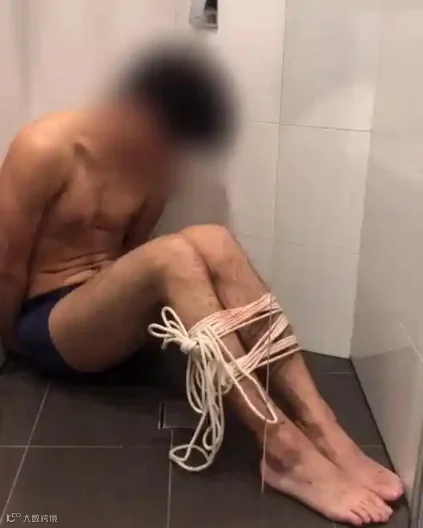
莫纳什大学的犯罪学教授 Lennon Chang 说道,受害者常常会因被骗而感到羞耻,因此他们往往不会向其他人透露此事。他的学生也曾落入圈套,他们告诉他,尽管被骗走了钱财,但他们并没有报告当局。Chang 说,他们被骗后会陷入深深的自责中,认为自己竟然这么蠢,会相信这样的骗局。
Chang, considered a leading international expert on the scams, says that because of the stigma associated with being a victim of the scam, it is almost certainly underreported. Students of his told him they had been targeted in such scams, and that their parents had paid ransoms, but they had never reported the offences to authorities. “They feel stupid,” he says. “They feel: how can you be scammed? How can you believe those people?”
02
“虚拟绑架”套路深,留学生为何被盯上?

“虚拟绑架”并不是一个新鲜的套路,莫纳什大学的犯罪学教授 Lennon Chang 表示,这种类型的诈骗已经存在近30年了。骗子通常瞄准的是初来乍到的中国留学生,或者那些不太与他人来往的澳大利亚华人社区成员。
Scams of this type have been operated for almost 30 years, according to the Monash University criminology lecturer Lennon Chang. Scammers typically target Chinese international students who have recently arrived in Australia or people who are socially isolated in the Chinese-Australian community.


澳大利亚紧急援助协会(AEAAI)副主席蔡女士在过去两年中曾帮助过少数受害者的海外家庭,她说,根据她个人处理此类案件的经验,虚拟绑架骗局通常有四个步骤,需要花费几个月时间来实施。
Skye Cai, vice-president of Australian Emergency Assistance Association Incorporated (AEAAI), has assisted the overseas families of a handful of victims in the past two years. Ms Cai said, based on what she had personally dealt with, there were usually four steps involved in a virtual-kidnapping scam, which usually took months to carry out.

首先,受害者会接到一通冒充权威人士的自动电话或真人电话,比如假装成政府、中国大使馆或者澳大利亚税务局官员。只要受害者参与了通话,骗子就会通过电话或钓鱼网站上的表格,诱使他们提供自己的私人信息,包括全名、出生日期和住址。骗子还会鼓励受害者通过网络社交应用等继续沟通。
First, victims receive an automated call or call from a real person impersonating a person in authority, such as a government, Chinese embassy or Australian Tax Office official.
If the victim engaged in the call, the fraudster would trick them into giving them their private information, including their full name, date of birth, and residential address either over the phone or via a form on a phishing website.
The scammers would also encourage the victims to continue communications through various encrypted apps such as WeChat and WhatsApp.
接着,骗子会指控受害者有犯罪行为,并威胁利用他们的个人信息来实施法律惩处。这可能涉及驱逐出境、取消签证、采取法律行动或逮捕,除非他们或其家人支付赎金。
Second, the scammers accuse the victim of committing a crime and threaten to use their personal information to enforce a legal punishment.
That might involve deportation, having their visa cancelled, legal action or being arrested unless they or their families pay a ransom.
第三步是取得受害者的信任,并告诉他们,他们已经成为一项金融调查的目标,如果不支付赎金,可能会影响到他们在中国的家人。
The third step involves gaining the victim's trust and telling them they are involved in a financial investigation that could have implications for their family in China if they fail to pay.
最后,骗子会说,他们需要受害者提供一笔“保证金”来解决问题。如果受害者手头没有这么多钱,他们会建议受害者假装自己遭人绑架,操纵父母付钱。骗子还会胁迫受害者拍下自己被绳索捆绑和蒙住眼睛的照片和视频,然后发给家人。然后强迫受害者搬到某个未知的地点,比如酒店,同时切断与外界的所有联系。为了掩盖阴谋,骗子还会声称这项调查十分敏感,不得对家人透露或是报警。
Finally, the scammers say they need a "bond" to make the problem go away. They suggest the victim fakes their own kidnapping to manipulate their parents into paying if they do not have the cash themselves.
Scammers also coerce the victim to take photos and videos of themselves bound and blindfolded which are sent to their family. The victim is then forced to move to an unknown location such as a hotel, but without communication to the outside world.
And to make sure the whole plot is kept under wraps, the scammer tells them the investigation is a sensitive matter and they should not contact their family or authorities.
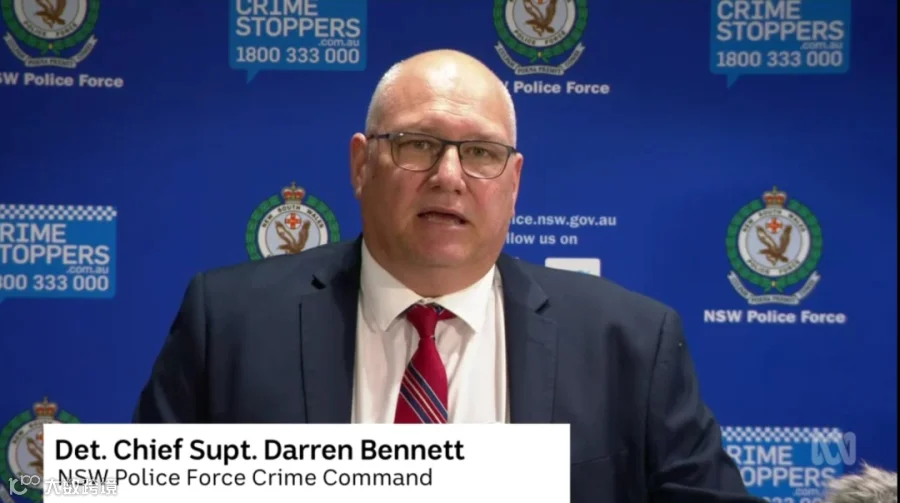
新州刑事侦查总监总警司贝内特(Darren Bennett)在一份声明中说,虚拟绑架“在过去十年中被跨国组织犯罪团伙发展壮大,旨在利用人们对当局的信任”。他表示,“虽然这些电话似乎是随机拨打的,但骗子似乎针对的是澳大利亚华人社区的弱势成员。”
NSW Detective Chief Superintendent Darren Bennett said in a statement virtual kidnappings were "designed to take advantage of people's trust in authorities and [they] have developed considerably over the last decade by transnational organised crime syndicates".
"While these phone calls appear to be random in nature, these scammers seem to be targeting vulnerable members of the Chinese-Australian community," he said.
受害者通常是刚刚来澳的留学生,他们往往很少与家人联系,骗子们正是看准并利用了留学生群体的这一弱势。
Victims were usually students who had recently arrived in Australia. It appears these scammers are continuing to operate and are once again preying on the vulnerabilities of individuals in the community who are not in direct physical contact with their families.
蔡女士说:“他们习惯了在家里被照顾,但现在必须独立生活,可他们没有能力去识破骗局。所以他们才是最常见的目标。”
"They are used to being taken care of at home. Now they have to be independent, but they don't have the capability to navigate scams. That's why they are the common targets," Ms Cai said.
墨尔本华裔临床心理学家吴女士补充说,“一些留学生背负着家人的高期望,很怕在这里做错事,影响学业……所以他们会非常担心和焦虑。而骗子就是利用了这种心理。”
Some international students come here with high expectations from their family. They are afraid of doing things wrong here that might impact their [stay here] or study … so they can be very worried and anxious. Scammers are taking advantage of this psychology.
03
警方行动有顾虑,打击骗局遇难题
“虚拟绑架”的骗局一度成为令当地警方头疼的问题,澳大利亚竞争与消费者协会六月份公布的一份报告显示,去年当地警方接到的所有与诈骗相关的报案中,谎称“中国当局”实施电信诈骗位居前五名。
According to an Australian Competition and Consumer Commission report published in June, phone calls related to “Chinese authority” frauds were among the top five scams reported to authorities last year.
昆士兰警方曾突袭两处可疑的住宅,豪华外饰下的丑恶让警方也愕然,他们发现了50多名中国台湾公民因骗局受困于此。没有酬劳、护照被没收,在警方看来这些人的遭遇与奴隶一样。事实上,直到其中一个人闯了出去并拦下一辆路过的车,这个房子里的一切才被曝光。
Police in Queensland once raided two properties, including a palatial Morningside home with a swimming pool and a tennis court, and found more than 50 Taiwan residents working on the scams inside.
Police alleged the men were being held as slaves, without being paid and after having their passports confiscated. The houses were only found after one of the men broke out and waved down a passing car.
尽管当地警方一直在严厉打击此类诈骗,但他们的工作常因为种种顾虑和不便而难以有效开展。接受《卫报》采访时,一名高级警官透露,他们最早在大约5年前就曾注意到此类案件。但是,由于担心向公众发出警告会对本国获利甚巨的留学生市场造成冲击,以及在追踪资金去向方面与中国政府的合作不畅,澳洲警方早期的案件调查常常进展缓慢。
Senior police spoken to by Guardian Australia say they first noticed cases in the country about five years ago. But their early investigations were hampered by a concern that raising public awareness could be harmful to the extremely lucrative international student market, and by poor cooperation with Chinese authorities when it came to tracing the money.
此外,网络连接的便捷大大增添了此类骗局的机动性与隐蔽性,使其可以发生在世界上的任何角落。诈骗犯需要的只是一个大一点的房间作为呼叫中心,这往往会让受害者更加难以分辨骗局,因为骗子们彼此早已串通好。据报道,在西班牙、肯尼亚、印度尼西亚以及其他一些国家都有发现这样的房间。
The scams can operate from anywhere with a solid internet connection. A large room functioning as a call centre where the various elements of the scam can play out more convincingly because the fraudsters are co-located. Such rooms have reportedly been found in Spain, Kenya and Indonesia, as well as a host of other countries.
04
自救指南:要转钱一定不给,有麻烦联系警方
“虚拟绑架”导致受害者及其家人蒙受巨大损失,作为学生,掌握一些基本的自救方法往往能够在关键时刻派上用场,当接到来路不明的电话时,FBI给出的一些建议或许能够帮助我们辨别出这是否是一场早有预谋的骗局。
To avoid becoming a victim of this extortion scheme, look for the following possible indicators.
INDICATOR1
陌生区号打来的电话谨慎接听
Calls are usually made from an outside area code
INDICATOR2
诈骗电话通常包含多次转接
May involve multiple phone calls
INDICATOR3
并非由“被绑架者”本人打来的电话不可轻易相信
Calls do not come from the kidnapped victim’s phone
INDICATOR4
打电话的人若竭尽全力不想让你挂断电话则多半不怀好意
Callers go to great lengths to keep you on the phone
INDICATOR5
打电话的人若阻止你与“被绑架者”联系则动机可疑
Callers prevent you from calling or locating the “kidnapped” victim
INDICATOR6
“赎金”若只接受电子转账则必须多留个心眼
Ransom money is only accepted via wire transfer service
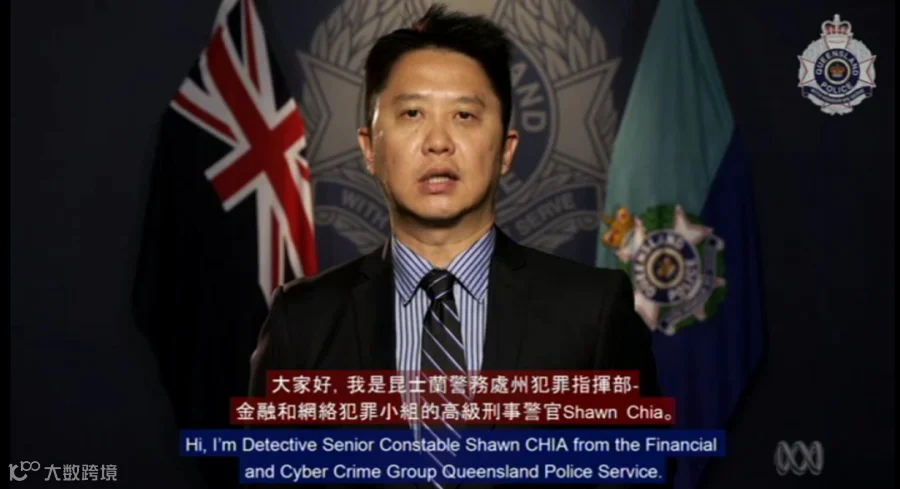
除此之外,新南威尔士警方也表示,任何人如果接到涉及以暴力威胁索要钱财的电话,都应该立刻挂断电话,向官方部门核实说法,并向警方报案。
NSW Police said anyone who received a call involving demands for money under the threat of violence should hang up, contact the Chinese consulate in Sydney to verify the claims, and report the matter to the NSW Police Force or Crime Stoppers.
维多利亚警方则向民众表示,如认为自己被骗可以通过ReportCyber网站提交初步报告。该网站将收集详细情况,并送交警方作进一步评估。
A Victoria Police spokesperson encouraged people who believed they were a victim of the scam to submit an initial report via the ReportCyber website. Details are collected and sent to police for further assessment.
千言万语汇成一句话:提到转账需谨慎,遇到困难找警察。任何人如果难以分辨究竟是骗局还是真的绑架案,任何人如果认为自己有危险或是需要警方立即协助,千万记得立刻联系警察(澳大利亚报警电话为000),不要鲁莽行事。愿所有学子都能平安顺利完成学业。






原文链接:
https://www.theguardian.com/australia-news/2020/sep/26/bizarre-virtual-kidnapping-in-australia-highlights-risk-to-chinese-students
编译 | 王兆隆 高语阳 储志阳
排版 | 王兆隆