



编者按
从白开水到花果茶,从大红袍到碧螺春,在中华文化里,蒸汽腾腾的热水从未缺席。与一些别国相比,中国无疑是实锤了的养生大国。那么热水是如何在中华文化里渗透开花的呢?
如果你在中国餐馆要一杯水,那端上来的绝对是一杯热气腾腾的开水。和美国不同,往水里加冰块在中国人看来可太奇怪了。刚刚烧开的热水是标配。
如果你在中国旅居,或感冒时身边恰巧有中国的亲戚朋友,那你很可能会听到他们对你说:多喝热水!这条建议适用于出于任何原因而感到不适的任何人。

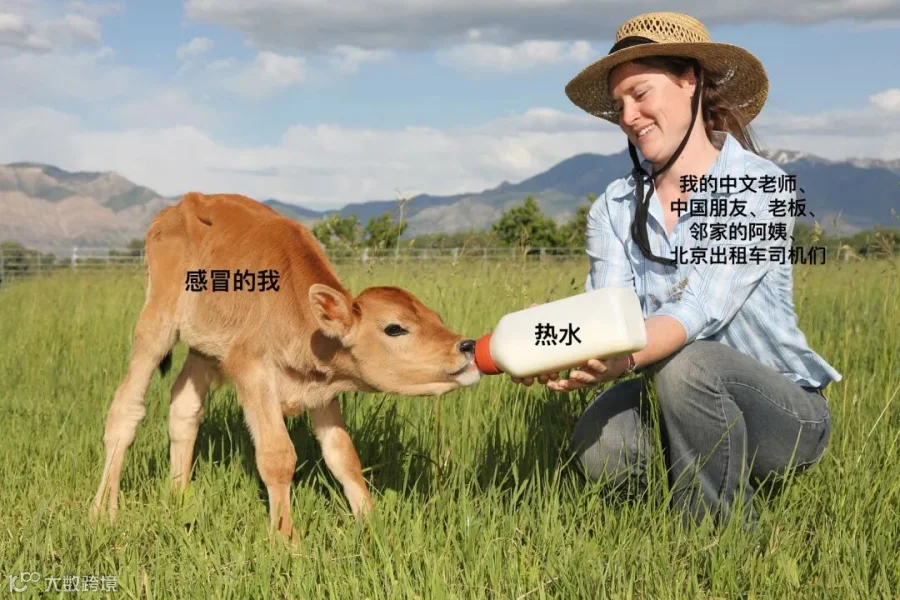
(Author's Chinese teachers, Chinese friends,his boss, the auntie next door, and more than one Beijing taxi driver advising him to drink some hot water.)
作者的汉语老师,中国朋友,老板,邻居,甚至不止一位北京的出租车司机建议他多喝热水

所以,中国人究竟为什么如此偏爱热水呢?
So why do Chinese people prefer hot water to cold water?
Hot Water is Good for You!
热水对你有益!
从中医的角度来看,热水能排出体内多余的寒气和湿气,促进血液循环,帮助身体排毒和放松肌肉。而冷水就会起反作用,会减缓器官功能,引起很疼的肌肉收缩。因此,热水常常被吹捧为治疗一切疾病的良药,无论是喉咙痛或是僵硬、抽筋和疲劳,喝热水都有效。
In traditional Chinese medicine, hot water is used to expel excess cold and humidity from the body, and it is believed to promote blood circulation. This helps detoxify the body and relax the muscles. Cold water supposedly has the opposite effect, slowing organ function and causing painful muscle contractions. Thus, hot water is often touted as the cure for everything from sore throats to stiffness to cramps to fatigue.
尽管从公元前200年起就有人认为喝热水有益身体健康,但这在中国流行起来,也不过是近几年的事。在中国古代,低下的生活水平和昂贵的燃料让热水变成了一种奢侈品。然而,1862年时,一场瘟疫在中国北部爆发,但中国南方却幸免于难了。关于此,一个普遍的解释是,(历史上较富有的)南方人更倾向于喝白开水。在那之后,国民党和共产党政府都把饮用热水的做法纳入了公共卫生运动。
Though the idea that drinking hot water is good for you has been around since at least 200 BC, it wasn’t a widespread practice in China until relatively recently. In ancient China, poor living standards and the high price of fuel meant that hot water was considered a luxury. However, when a cholera epidemic broke out in northern China in 1862, the popular explanation for why the south was spared was that (historically wealthier) southerners tended to drink boiled water. After that, the practice of drinking hot water was incorporated into the public health campaigns of both the Nationalist and the Communist governments.
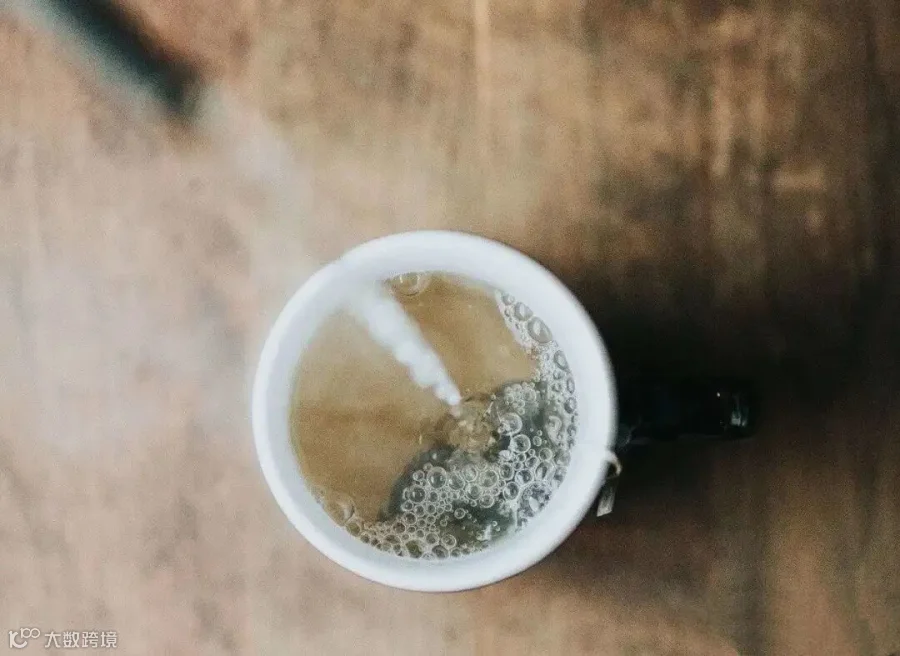
如今,把水烧开再喝依然是明智之举。就算是在像北京、上海这样的大城市,直接喝生水也是不安全的。如果不多加注意,那你怕是要拉肚子了。

A: 你怎么啦?你看起来像是生病了。
A:What’s wrong? You look ill.
B: 我昨天喝了生水,现在拉肚子。
B:I drank tap water yesterday, and now I’ve got the runs.

Next-Level Hot Water Technology
升级换代的烧水技术
如今,几乎每所学校,每家公司和政府部门都配有饮水机,员工和访客都能够自助接热水喝。这些饮水机有的小到可以放在厨房的柜台上,有的大到需要专门的锅炉房。在许多工作场所,这些锅炉房的功能类似于西方办公室的小厨房或者休息室。在中国人家中,茶壶是很常见的。事实上,中国游客在国外住旅馆时最常抱怨的问题之一便是没有开水机或者茶壶了。
Today, just about every school, business, and government office has its own hot water dispenser, from which employees and visitors alike can draw their own hot water for drinking. Some of these dispensers are small enough to sit on a kitchen counter, but some are large enough that they require special boiler rooms. In many workplaces, these boiler rooms function like the small kitchens or break rooms in Western offices. At home, tea kettles are more common. In fact, one of the most common complaints Chinese tourists have about foreign hotels is the lack of hot water dispensers or tea kettles.
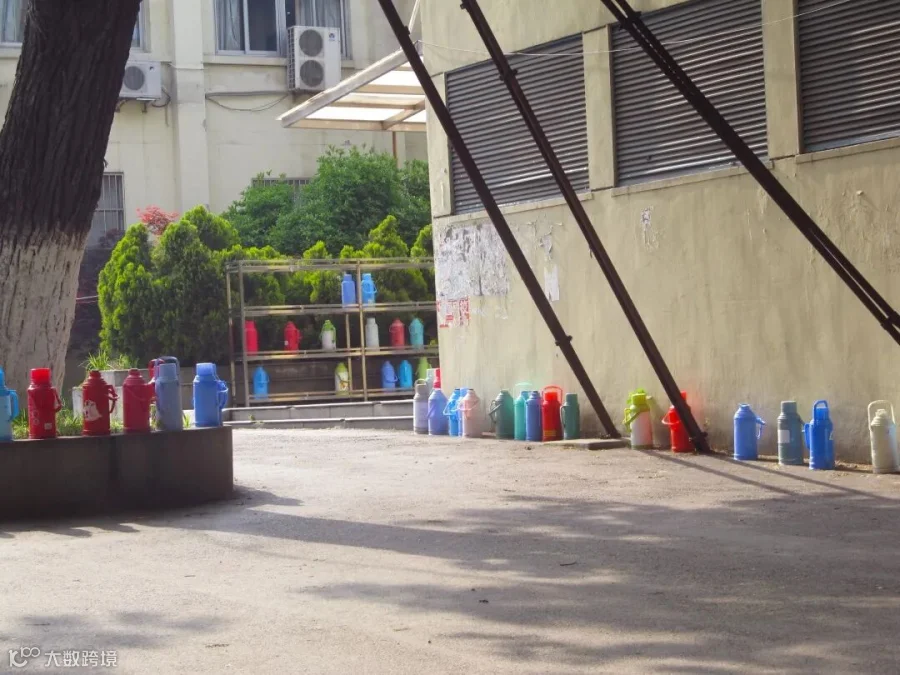
(Thermos bottles waiting to be filled on Nanjing University’s campus.)
南京大学校园里“嗷嗷待哺”的暖瓶们

英国人可能发明了暖瓶,德国人可能已经将其商业化,但中国人已经将其完善。你问我我橱柜里的那只暖瓶?我有一次在里面打满了开水但忘记了,一晚上都把它放在了教室里,结果第二天发现里面的水居然还是热的!即使是上图中这种大暖瓶也能保温热水一整天。在中国,学生们会把一个大暖瓶装满,然后带回寝室,这样他们不管是用来沏茶还是自己喝,都可以方便地随时取用。
The British may have invented thermos technology, and the Germans may have commercialized it, but the Chinese have perfected it. That Chinese thermos in my kitchen cupboard? I once filled it, forgot about it, and left it in a classroom overnight, and the next morning the water inside was still hot! Even the large thermos bottles pictured above can keep water at blistering temperatures all day long. In China, students will fill up a large thermos and bring it back to their room so they have water conveniently ready whenever they need it--whether it’s for making tea or drinking by itself!
Growing Popularity of Cold Beverages
冷饮日渐兴起
尽管热水或其他热饮在中国很普遍,但近几年冷饮和冰饮正悄悄崭露头角。走近中国任何一家便利店或超市你都能看见冰箱里满满都是冷冻的茶、咖啡、果汁和运动功能饮料。
不过,如果你在餐馆里要一瓶汽水,服务生可能会问你 :“汽水要冰的还是常温的?”作为一个土生土长的波士顿人,我整个冬天都在喝冰咖啡,一想到要喝常温的苏打水,我就不寒而栗,但对许多中国人来说,这还是一种比冰镇饮料更好的选择。
Still, if you order a soda at a restaurant, the server may ask you,“Would you like your soda cold or at room temperature? ”As a born and bred Bostonian who drinks iced coffee all winter long, the idea of drinking a room temperature soda makes me shudder, but for many Chinese people, it’s still preferable to a cold or iced beverage.
Two Final Warnings
两条忠告
最后,我要用我两次血淋淋的教训来现身说法:
1)烧水的时候,一定要让水沸腾至少一分钟。你也许会很想提前打开电茶壶的开关,但一定要确保杀净了水中所有的病毒。否则,你的胃会不太舒服。
1) When boiling water, make sure you bring the water to a roiling boil for at least one minute. It’s tempting to hit the switch on an electric tea kettle a little early, but it’s important to make sure all pathogens in the water are actually dead. Otherwise, you run the risk of an upset stomach.
2)热水器的水箱比你想象的要烫得多。别碰他们!不然你会后悔的。
2) The tanks of hot water dispensers are so, so much hotter than you think they are. Don’t touch them! You will regret it.

原文链接:https://www.cheng-tsui.com/blog/hot-water-in-chinese-culture

编译|陈语姝
排版|陈语姝
审核|赵寒旭