


How the Internet changed the way we read
从阅读到略读:网络如何改变了我们的阅读方式?
全文字数:3799
阅读时长:9分钟
As a professor of literature, rhetoric, and writing at the University of California at Irvine, I’ve discovered that one of the biggest lies about American culture (propagated even by college students) is that Americans don’t read.
身为一名加州大学欧文分校教授文学、修辞学及写作的教授,我发现关于美国文化的最大谎言之一(这个谎言甚至被大学生广为传播),就是美国人不爱阅读。
The truth is that most of us read continuously in a perpetual stream of incestuous words, but instead of reading novels, book reviews, or newspapers like we used to in the ancien régime, we now read text messages, social media, and bite-sized entries about our protean cultural history on Wikipedia.
事实上,大多数美国人仍持续着杂七杂八的阅读,只不过所读的内容变了。从前我们阅读小说、书评或者报纸;而我们现在读的,是短信、社交媒体上的内容,以及维基百科上千变万化的美国文化历史的简短词条。
In the great epistemic galaxy of words, we have become both reading junkies and also professional text skimmers.
在海量的认知词汇中,我们既成了阅读的爱好者,也成了专业的文本略读者。
Reading has become a clumsy science, which is why we keep fudging the lab results.
阅读像一门蹩脚的科学,我们对实验结果常常含混不清。
But in diagnosing our own textual attention deficit disorder (ADD), who can blame us for skimming?
但是在诊断我们自身的文本注意力缺陷障碍(ADD)时,谁又能因为我们喜欢略读而加以责怪呢?
We’re inundated by so much opinion posing as information, much of it the same material with permutating and exponential commentary.
我们被很多冒充信息的观点淹没了,其中很多都是歪曲和渲染事实的同类评论。
Skimming is practically a defense mechanism against the avalanche of info-opinion that has collectively hijacked narrative, reportage, and good analysis.
略读实际上是一种抵御信息和观点泛滥的防御机制,而正是这种雪崩式的泛滥挟制了记叙作品、新闻报道和优质分析内容。
We now skim everything it seems to find evidence for our own belief system. We read to comment on reality.
如今,我们浏览所有看似能为自己的信仰添砖加瓦的材料,是为了评论自身所处的现实。
Reading has become a relentless exercise in self-validation, which is why we get impatient when writers don’t come out and simply tell us what they’re arguing.
阅读成了一项人们自我认同的不懈练习,所以如果作者不赶快跳出来直接告诉我们他的观点是什么,我们就不耐烦了。
Which reminds me: What the hell am I arguing? With the advent of microblogging platforms, Twitter activism, self-publishing companies, professional trolling, everyone has a microphone now and yet no one actually listens to each other any more.
这提醒了我:我到底认同什么?随着微博平台、推特大V、各种自媒体、专业键盘侠的出现,虽然每个人都有一个手机,但人们不再真正意义上地互相倾听了。
And this is literally because we’re too busy reading. And when we leave comments on an online article, it’s usually an argument we already agree with or one we completely reject before we’ve read the first paragraph.
而这恰恰是因为我们过于忙于阅读了。当我们评论一篇网上的文章,通常那是一个我们已经同意的或者在我们阅读第一段之前就完全排斥的观点。
In the age of hyper-information, it’s practically impossible not to be blinded by our own confirmation bias. It’s hard not to be infatuated with Twitter shitstorms either, especially when we’re not the target practice.
在这个超信息时代,我们基本不可能不被自己的“确认偏见”所蒙蔽。不迷恋于推特的垃圾风暴信息同样很难,尤其是当我们不是被攻击的靶子的时候。
(译注:Confirmation bias指遇到一个命题时人会倾向于寻找支持这个命题的证据,而忽视否定这个命题的证据。)
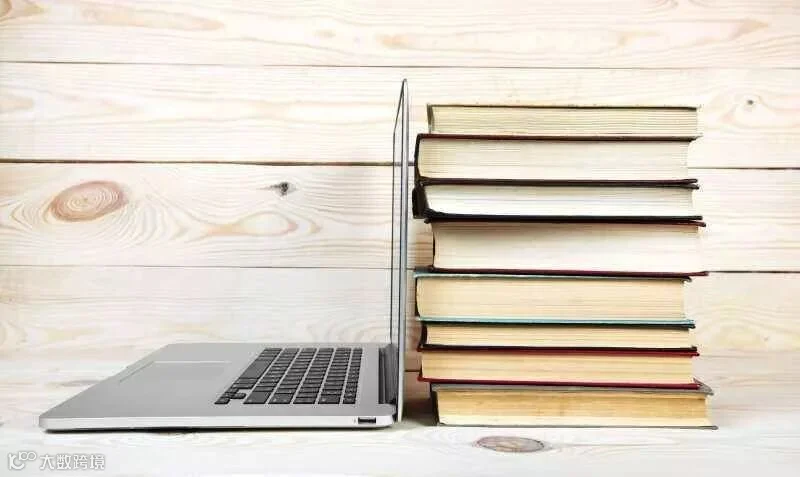
E-novels, once the theater of the mind for experimental writers, are now mainstream things that look like long-winded websites.
曾出产于实验作家“脑海中的剧场”的电子小说,现在已经成为像冗长乏味的网站一样的主流读物。
Their chapters bleed into the same cultural space on our screen as grocery lists, weather forecasts, calendar reminders, and email messages.
它们的章节像杂货铺产品名单、天气预报、日程提醒和电子邮件一般共融于我们屏幕上同一的文化空间。
What’s the real difference between reading a blog post online by an eloquent blowhard and reading one chapter of a Jonathan Franzen novel?
浏览一篇由满腹经纶的自吹自擂者推送的线上博客,和阅读一章节Jonathan Franzen的小说到底有什么区别呢?
We can literally swipe from one text to another on our Kindle without realizing we changed platforms. What’s the real difference between skimming an informed political critique on a political junkie Tumblr account and reading a focused tirade on theWashington Post’s blog written by putative experts?
我们可以在Kindle上从一个文本切换到另一个文本,而没有意识到切换了平台。匆匆浏览某个Tumblr资深政治迷用户高谈阔论的时评,和认真阅读一位华盛顿邮报公认专家的深度长文,究竟有什么区别?
That same blog post will get reposted on other news sites and the same news article will get reposted on other blogs interchangeably.
相同的博客文章会在其他新闻网站上重新发布,相同的新闻报道也会交换着重新发布在其他博客上。
Content—whether thought-provoking, regurgitated, or analytically superficial, impeccably researched, politically doctrinaire, or grammatically atrocious—now occupies the same cultural space, the same screen space, and the same mental space in the public imagination.
内容——无论是发人深省的、刻板重复的;浮于表面的分析、还是无懈可击的研究;政治教条的、语法稀烂的——如今在大众想象中都占据着同样的文化空间、荧屏空间和心理空间。
After awhile, we just stop keeping track of what’s legitimately good because it takes too much energy to separate the crème from the foam.
过不了多久,我们就不再会追寻什么才是真正的优质内容,因为分辨良莠去粗取精实在是太耗神了。
As NPR digitizes itself in the 21st century, buries the “R” in its name, and translates its obsolete podcasts into online news features, every one of its articles now bleeds with its comment section, much of it written by posters who haven’t even read the article in question—essentially erasing the dividing lines between expert, echo chamber, and dilettante, journalist, hack, and self-promoter, reportage, character assassination, and mob frenzy.
美国国家公共电台(NPR)在始于21世纪的数字化过程中,弱化代表电台的R字,将过时的播客转型为线上新闻特辑。如今其每一篇文章的评论区都触目惊心,其中大部分评论者根本都没有好好把文章读完。这就使得存在于专家、回音壁制造者与业余爱好者之间,记者、黑客与自吹自擂者之间,新闻报道、人身攻击与乌合之众之间的界限越来越模糊了。
One silver lining is that the technological democratization of social media has effectively deconstructed the one-sided power of the Big Bad Media in general and influential writing in particular, which in theory makes this era freer and more decentralized than ever.
一线希望是,社交媒体的技术民主化,有效地解构了“一家独大市况萧条的媒体”的片面力量,尤其是有影响力的写作,这在理论上使这个时代比以往任何时候都更加自由和分散化。
One downside to technological democratization is that it hasn’t lead to a thriving marketplace of ideas, but a greater retreat into the Platonic cave of self-identification with the shadow world.
技术民主化的一个弊端是,它没有带来繁荣的意见自由市场,而是更大程度上退回到自我认同的柏拉图式的洞穴,把影子当成真实的世界。
We have never needed a safer and quieter place to collect our thoughts from the collective din of couch quarterbacking than we do now, which is why it’s so easy to preemptively categorize the articles we read before we actually read them to save ourselves the heartache and the controversy.
在一片门外汉瞎指挥的喧嚣声中,我们从来没有像现在这样需要一个更安全、更安静的地方,这就是为什么在真正阅读之前,我们很容易先对文章预设分类,省得读完再失望纠结。
(译注:柏拉图的洞穴之喻:有些囚徒从小被绑在洞穴里,只能把火光投射在洞穴后壁的影子当成真实世界的样子。隐喻我们有限的可见世界。需要寻找洞外的可知世界。)
The abundance of texts in this zeitgeist creates a tunnel effect of amnesia. We now have access to so much information that we actually forget the specific nuances of what we read, where we read them, and who wrote them.
当今时代浪潮中海量的文本信息导致了健忘症的隧道效应。我们现在可以获得如此多的信息,多到实际上忘记了一些细微差别—— 读了什么,哪儿读的——谁写的。
We forget what’s available all the time because we live in an age of hyperabundant textuality. Now, when we’re lost, we’re just one click away from the answer. Even the line separating what we know and what we don’t know is blurry.
因为生活在被海量信息淹没的文本世界里,我们总是忘记了什么是可用的。现在,当我们感到迷惑时,鼠标一点就能找到答案。如今连那条已知和未知之间的界限,都是模糊的。
It is precisely because we now consume writing from the moment we wake until the moment we crash—most of it mundane, redundant, speculative, badly researched, partisan, and emojian—that we no longer have the same appetite (or time) for literary fiction, serious think pieces, or top-shelf journalism anymore, even though they’re all readily available.
正是因为我们从睁眼到闭眼的时间都在消费阅读——其中多数内容单调冗长、投机推测、未经调查、盲目偏袒、自带表情包——所以我们不再对文学小说、严肃思考、顶级新闻感兴趣,即使这类文章唾手可得。
If an article on the Daily Dot shows up on page 3 of a Google search, it might as well not exist at all.
如果Daily Dot上的文章在谷歌搜索引擎的第3页才出现,那它的存在就是形同虚设。
The New York Times article we half-read on our iPhone while standing up in the Los Angeles Metro ends up blurring with the 500 modified retweets about that same article on Twitter.
我们站在洛杉矶的地铁里用iPhone读了一半《纽约时报》的文章,最后却被推特上关于同一篇文章的500条修改过的推文弄得思绪不清。
Authors aren’t privileged anymore because everyone writes commentary somewhere and everyone’s commentary shows up some place. Only the platform and the means of production have changed.
作者不再有解释文章的特权了,因为每个人都会在某个地方写评论,而每个人的评论都会在某个地方出现。只有平台和生产工具变了。
世界图书日
Someday, the Centers for Disease Control will create a whole new branch of research dedicated to studying the infectious disease of cultural memes.
总有一天,美国疾病控制中心会创建一个全新的研究分支,专门研究文化模因的传染病。
Our continuous consumption of text is intricately linked to our continuous forgetting, our continuous reinfection, and our continuous thumbs up/thumbs down approach to reality, which is why we keep reading late into the night, looking for the next place to leave a comment someone has already made somewhere.
我们总是会遗忘某些事情,总是会被他人的意见左右,总是会对现实点赞或不满,这些事情都和我们一直拿着手机看消息发消息的习惯有着千丝万缕的关系,这解释了为什么我们直至深夜还在看手机,伺机在别人发表的想法下留下自己的意见。
Whether we like it or not, we’re all victims and perpetrators of this commentary fractal. There seems to be no way out except deeper inside the sinkhole or to go cold turkey from the sound of our own voices.
不管我们承认与否,我们都同时是这种评论碎片的受害者和加害者。要么选择在这个烂泥坑里越陷越深,要么彻底戒除这个回音壁,除此之外,我们似乎看不到其他出路。
来源∣Jackson Bliss—
https://www.dailydot.com/via/how-internet-changed-way-we-read/
排版∣陈宇帆
指导老师∣刘佳