



编者按
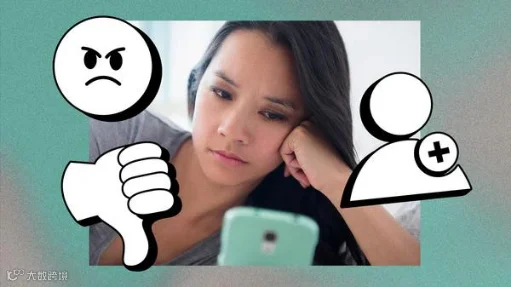
发现没有,在我们的朋友圈、QQ空间、微博等社交平台里,总会有些人或者信息会引起我们的反感。但我们有时候还是忍不住点击去浏览,为什么呢?
In its most benign form, social media is about checking in with friends and family, looking at hot people, and keeping up with the news. But for some of us, despite logging on with innocent intentions, spending time browsing Instagram or scrolling Twitter can quickly turn into stoking flames of resentment and doling out judgment over digital bad behavior.
联系家人朋友、了解网络红人、浏览热点新闻,这是人们使用社交媒体时最理想的状态。一些人登录Instagram或者Twitter时没有特别的用意,但是浏览的时候很快就会生气并且会对网络上的不良行为作出评判。
The celebrity posting non-stop “relatable” content from his second home in Martha’s Vineyard, the Cool Girl who’s somehow been clubbing her way through the pandemic, the most obnoxious guy from your sophomore year econ lecture who posts screenshots of his own tweets to Instagram: All of these people, and more, are prime subjects of the hate-follow, the practice of following and keeping online tabs on someone who you can’t fucking stand.
这位上流名人不停显摆他的玛莎葡萄园别墅,那个酷女孩在疫情封闭期间还在泡夜店,在大二经济学课上那个最讨厌的家伙把自己的推文截图发布到Instagram……这些人,甚至更多,往往会引起你的反感,但你还是忍不住去关注他们的动态。
According to experts, we’re socially hardwired to look at other people’s lives, even other people we dislike. “Fundamentally, we are all hardwired to pay attention to what other people are like,” Pam Rutledge, a psychologist who founded the Media Psychology Research Center, told VICE. “Social monitoring, social comparison, whatever you want to call it, is very natural and normal.” But when a jokey obsession with someone else’s life becomes an obstacle to being happy with your own, it’s probably time to reexamine how and why you’re spending your time online like this.
有专家表示,在日常社交中我们本来就喜欢观察别人的生活,包括那些我们讨厌的人。“从根本上说,我们天生喜欢观察别人,”传媒心理学研究中心创立者、心理学家Pam Rutledge谈道,“社交监视、社交攀比……不管你想怎么称呼它,这种心理其实是很正常。但是,当这种行为影响你的心情时,就需要去重新审视自己了。
You’re bored, and looking to feel something.
你太无聊了,想找点不一样的感觉。
It might seem counterintuitive, but according to Rutledge, looking at things we know will piss us off online is a pretty normal form of staving off boredom. “Having your emotions activated in a way that you would expect that you know you're going to resolve can actually be pleasurable,” she said.
The way we spend time on social media is controllable in the way real-life social interactions aren’t. Run into an unpleasant acquaintance at a party, or get cornered by an ignorant cousin at a family gathering, and decorum dictates when and how you can pull yourself away. Online, we can indulge in feeling irritated by the people we dislike at will and end the engagement by closing the app.
虽然似乎有悖常理,但Rutledge认为在网上浏览一些明知会惹恼自己的东西是摆脱无聊的正常方式。她说:“以一种符合自己预期的方式激活情绪,其实是很快乐的。”
社交媒体上的一切都在我们掌控之中,但现实生活并非如此。我们可能会在聚会上遇到不喜欢的熟人,或是在家庭聚会上被一个无知的表弟逼到尴尬的境地,但是拘于礼节无法脱身离开。但在网上,我们可以随意沉浸在被不喜欢的人激怒的感觉里,只要关掉软件就能结束一切。
Rutledge and social psychologist Erin Vogel both compared the charge from hate-following to the appeal of horror films. “Watching a scary movie can be entertaining, even though being scared is generally unpleasant,” Vogel said. “Social media allows us to watch other people's lives as if their lives were movies.”
Rutledge和社会心理学家Erin Vogel都认为这种心理就好比恐怖片的吸引力。Vogel说:“尽管恐惧会让人不舒服,但不得不说看恐怖片真的很有意思。社交媒体让我们像看电影一样窥视他人生活。”
You’re drawn in by the illusion of closeness.
你很享受与别人关系亲密的感觉,尽管这只是幻觉。
One of the best things about social media is the way it allows us to feel connected to the people we care about, even if they’re physically distant from us. But according to Vogel, looking at the things that people we hate-follow post on social media can also foster a perception of closeness to them.
“Social media can make us feel like we have an actual relationship with a person we follow, even if we've never met them. It feels intimate,” Vogel told VICE. “Learning more about [people we hate-follow] can feel satisfying, if we learn more information that confirms that we're ‘right’—that we dislike them for a reason.”
社交媒体好处之一就在于它给予我们一种同他人跨越空间的亲密感。Vogel认为,浏览讨厌的人发布的帖子,我们同样会有一种亲近的错觉。
“社交媒体让我们有一种和关注的人有实际联系的感觉,即使从没见过。这种感觉是很亲密的。”Vogel告诉VICE杂志,“通过更多地了解讨厌的人的信息,会获得更多证实我们‘正确’的信息,这会让我们感到满足。——我们讨厌他们并不是空穴来风啊。”
But in spite of the allure of “knowing your enemy,” Vogel cautioned against treating social media like a direct window into someone else’s life, especially someone you don’t know at all, like a celebrity you hate or an influencer whose content you dissect in the group chat. “We forget that public figures are still sharing carefully curated highlights of their lives—not the full story,” she said.
尽管“了解敌人”对人们有吸引力,但是Vogel警告人们不要把社交媒体当作窥探他人生活的一个直接窗口,尤其是你根本不认识的人,比如讨厌的名人或者你在群聊中剖析其内容的影响者。“我们忘记了公众人物仍在分享他们精心策划的生活亮点——而不是完整的故事”她这样说。

You’re using them as a point of comparison—for better or worse.
你把它们作为比较点——无论好坏
Another big component of hate-following involves comparing ourselves to the people we’re gawking at. “We all make these comparisons, both online and offline,” Vogel said. “Social media makes it easy to compare ourselves to others.”
When these comparisons shake out well for us, Rutledge said they can actually add to the entertainment value of the hate-follow.
看讨厌的人动态的同时,我们可能会我们自己和我们关注的人进行比较。“我们都在比较,不管是线上还是线下。”Vogel这样说,“社交媒体让我们很容易将自己与他人进行比较。”
Rutledge说,当这些比较对我们有利的时候,它们实际上可以增加“讨厌却关注”的娱乐价值。
“We're very interested in people who have been very successful, because we're curious about how and why,” she said. “But we also periodically really reassure ourselves by stalking people who are worse off than we are. You use it to sort of renormalize your experience of where you are in the human continuum.”
Where these comparisons can become harmful, however, is when we begin measuring ourselves up against the perceived success of others and judge ourselves short. Stalking former romantic partners—or even the ex of a current partner—can also evoke these negative emotional reactions.
“Be very careful at the point where you start creating artificial standards, because you just made all that up,” Rutledge said. “If we're using that to judge ourselves, we're asking for trouble.”
“我们对那些已经非常成功的人很感兴趣,因为好奇他们是如何做到的以及他们为什么能做到。”她这样说。“但我们也在定期地关注那些过得不如我们的人来安慰自己。通过这些,你才觉得你在人类社会处于一个正常的位置。”
但是,当我们开始用他人的成功来衡量自己并对自己做出评价时,这些比较就变得有害了。关注前任的动态——甚至是现任的前任——同样可以引起负面的情绪。
“在你开始人为地设定标准时,你就要小心了,因为这些都是你自己编造的。如果我们用那些东西来衡量自己,就是在自找麻烦。” Rutledge说。
You’re defining yourself in opposition to their “bad” behavior.
你把自己定义为和他们的“坏”行为相对立的人。
Social comparison isn’t just about what other people do, or have. It’s also about who they are—and who we want to be. By reflecting on the qualities we dislike in other people (even if, in reality, those qualities are just part of their online persona), we set standards for ourselves and live accordingly.
社会性比较不仅仅局限于其他人做了什么或拥有什么,还与他们是谁——以及我们想成为谁有关。通过反思别人身上我们不喜欢的品质(虽然在现实中,这些品质只是他们网络形象的一部分),我们为自己设定了标准,并按照这些标准生活。
“Looking at people we dislike, or don't respect and trying to understand the difference helps us shore up our own identity and our own value system,” Rutledge said. “If you're looking at somebody, and you're like, I really hate this person, because this person brags about their wealth, or this person exposes themselves in a way I dislike or this person is rude, that allows you to create self-definition. You say, ‘I'm not like that. Here's where I draw the line.’”
“看着我们不喜欢或不尊重的人,试着理解其中的不同能够帮助我们坚持自己的身份和价值观。” Rutledge这么说。“如果你一直看着一个人,你会说,我真讨厌这个人,因为这人一直在炫耀财富,或是这人用我不喜欢的方式表现自己,或是很粗鲁,这些都会让你进行自我定义。你会说,‘我不是那样的。这是我的底线。’”
If their posts tank your self-esteem or take up too much of your brain space, it’s time to hit the unfollow button.
如果他们的帖子贬低了你的自尊,或者占用了太多的脑空间,那么是时候取消关注了。
“I think people need to be more appreciative of the difference between positive and negative emotions,” Rutledge said. In order to suss out how your hate-following habit makes you feel, she suggested keeping a media use journal, where you make note of when you check in with someone you hate-follow, what sparks the impulse to do so, and how you feel during and after the fact.
“As long as you're feeling good about it, then and you're getting something out of it from an entertainment point of view, then it's fine,” she said. “If you're allowing a following to diminish your moods, then I would say look, look at why and try and find a new activity that makes you feel better.”
Rutledge说:“我认为人们需要更多地理解积极情绪和消极情绪之间的区别。”。为了弄清“讨厌却关注”的习惯给你带来了怎样的感受,她建议写一份媒体使用日志,在这本日志中,你记下你什么时候看了你讨厌的人的动态,你这样做的冲动,以及在此期间和之后你的感受。
“只要你对此感觉良好,并且从中获得了快乐,那就很好,”她说。“如果并不开心,那么我会说,你自己要想想原因并且试着找一个让你感觉更好的新活动。”
Vogel agreed that self-inquiry, and honesty, is essential in assessing whether or not you need to cut hate-following out of your life. “Ask yourself what you gain from hate-following the person. Does it help combat your own insecurities? Does it entertain you? If your hate-following habit is bothering you, is there another way you could get those needs met?” she said. If you find the answer to these questions is that hate-following is interfering with you having fun online, there’s always the option to mute, soft-block, or simply unfollow the object of your ire.
“It may feel strange at first to not see their posts,” Vogel said. “But you might find that you enjoy your time on social media more when you're only following people who add value to your life.”
Vogel同意,自我探究及诚实对于评估你是否需要改变“讨厌却关注”的习惯是至关重要的。“问问你自己,你从忍不住去看讨厌的人的动态收获了什么。有助于缓解自己的不安全感吗?你快乐吗?如果它困扰着你,有没有其他方法可以满足你的需求?”她说。如果你发现这些问题的答案是,看讨厌的人的动态会妨碍你在网上玩得开心,你可以选择静音、软屏蔽或干脆不关注你讨厌的人。
“一开始看不到他们的帖子你可能会觉得不习惯,” Vogel说。“但你可能会发现,当你只是在追随那些为你的生活增添价值的人时,你会更享受在社交媒体上的时光。”

原文链接:
https://www.vice.com/en/article/4addam/why-do-i-follow-people-i-hate-on-social-media
编译 | 王思雨、刘海燕、唐一鸣
排版 | 王思雨
(图源网络)