

提到公共厕所,你首先会想到什么?
杂乱污秽?幽暗闭塞?缺乏安全?
许多人往往宁愿憋着也不愿就近上公共厕所,原因无外乎以上几点。
最近,有人推出了一种透明厕所,几乎可以为你解决上述所有困扰!这些新式公共厕所的过人之处在哪呢?还有一个问题:众目睽睽之下,你敢进吗?

Some of Japan’s creative visionaries have joined a unique project that’s putting public facilities on the map. They’re designing toilets like no other, sparking curiosity and a new type of tourism.
在日本,一些富有创意、远见卓识的人加入了一个特殊的项目,试图让公众注意到公共设施的重要性。他们正在设计与众不同的厕所,以此激发人们的好奇心、刺激新兴旅游的发展。
See-through loos “透明”厕所
首先,我们必然要从厕所本身的设计出发。
When transparent toilets appeared in two Tokyo parks in August, they immediately went viral on the internet. People were fascinated, if not terrified, by the prospect of using such a facility. As it turns out, privacy was not a problem.
两个月前,东京的两所公园里出现的透明厕所迅速走红网络。尽管有的人被透明厕所吸引,但大多数人还是会被它的发展前景吓到。事实证明,在透明厕所中,许多人担忧的隐私并不是个大问题。
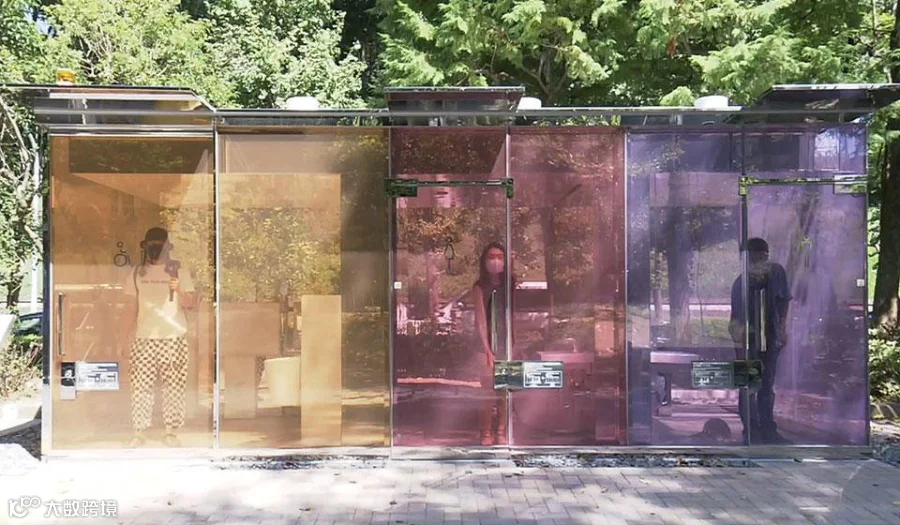
(涩谷的代代木深町迷你公园和大川春之社区公园都安装了透明厕所。每到夜晚,它们像灯笼一样,照亮了公园。)
World-renowned architect Ban Shigeru came up with the design. Using “smart glass”, the toilet’s walls turn opaque when the door is locked. They need an electrical current to remain see-through, so even if the power goes out, users will be saved from the indignity of being caught with their pants down.
透明厕所的设计由著名建筑师Ban Shigeru提出。建筑的墙体使用了“智能玻璃”,当厕所门被锁上时,原本透明的墙壁变实。而想要维持透明状态就必须保证通电,所以即使遭遇停电,使用者也无需担忧自己褪下裤子的样子被别人看到。
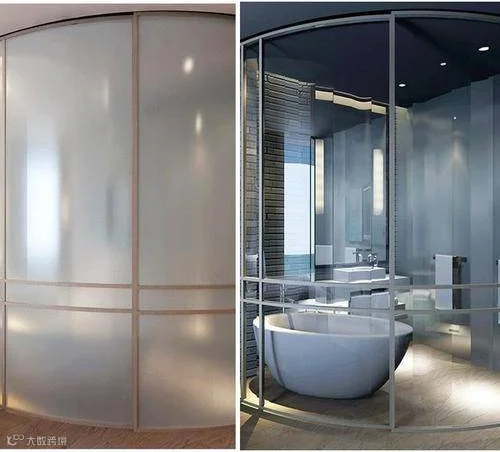
(智能玻璃材质,能在雾化和透明状态中互相切换)
日本建筑师坂茂( Shigeru Ban ),是当今国际最受瞩目的中生代建筑师之一,其最大的特色是他的“纸建筑”。其创作遍布全世界,最为人熟悉的诸如东京的三宅一生住宅、2000年德国汉诺威世界博览会日本馆、纽约“游牧博物馆”、法国庞皮度中心新馆设计等。
Ban was thinking about how people approach a public toilet. “Before going in, everyone wants to check that no one is hiding inside, or that it’s clean, and that’s only natural. This is a solution to those issues,” he says.
Ban一直在思考人们是怀着怎样的心情走近公共厕所的:“所有人在上厕所之前都要看看里面有没有人,是不是干净,这很正常。透明厕所就是这些问题的解决方案。”
The 2014 Pritzker Architecture Prize winner says he’s surprised by how much attention his latest work is attracting. “Making weird or interesting shaped buildings isn’t design to me, especially for public facilities. Design is all about solving problems. In this case, there are two things we worry about when entering a public restroom: safety and cleanliness.”
这位2014年普利兹克建筑奖得主很惊讶,这件作品会引发这么高的关注度:“设计就是为了解决问题。奇形怪状的建筑都不能称之为设计,尤其是公共设施。而从这件作品上看,我们进入公共厕所时担忧的就是两个问题:安全和清洁。”
Architect Ban Shigeru is known for his work designing and building low-cost temporary homes in disaster-hit areas worldwide.He is also known for his innovative use of materials. He has designed partitions made of paper and cloth for evacuation shelters, also with privacy in mind.
因采用低成本临时建筑设计和创新使用材料的方式,Ban享誉全球。之前他还为避难所设计了由纸和布制成的隔断,在这件作品中,他也考虑到了隐私问题。
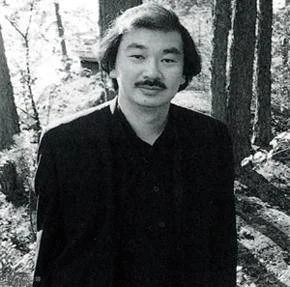
(Ban Shigeru)
“There are times when privacy is essential, and other times when it is not required,” he says. “That’s an idea common to both temporary shelters and public toilets. Facilities can be open or private as needed.”
Ban认为:“隐私是否重要,需要视不同情况而定。临时避难所和透明厕所的设计有着一个共有理念,那就是,根据不同的需求设施既可以公开,也可以私密。”

Comfort and entertainment 舒适与娱乐
你可能想不到的是,透明厕所还能给人带来舒适与娱乐。
All 17 of the facilities that have been ear-marked for what’s known as the Tokyo Toilet Project are located in Tokyo’s Shibuya ward, an area known for its youth culture and diversity. Shibuya Mayor Hasebe Ken sees it as “an opportunity for the city to offer its residents and visitors both happiness and entertainment.”
被称为“东京厕所项目”的17个设施都位于以现代文化和多样性而闻名的东京涩谷区。市长HasebeKen认为这是一个“给城市居民和游客提供快乐和娱乐的机会”。
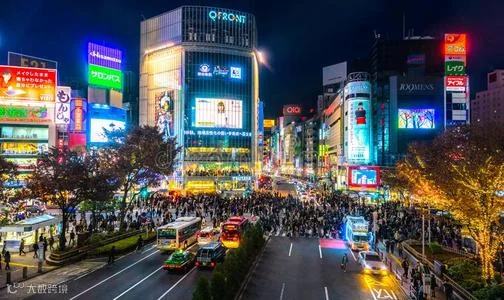
(涩谷,东京核心地段之一,每天来往人群络绎不绝)
“I was inspired by the architects involved in this project and wanted to do my best. A building’s value isn’t determined by its scale. This public toilet may be small, but it conveys an important message,” says Ando, who won the Pritzker Prize the year after Ban.Ando Tadao is another world-famous architect who opted in.
另一位世界著名建筑师,普利兹克奖得主Ando Tadao说:“参与这个项目的建筑师们给我了灵感,所以我也想在这个项目中尽我最大的努力。建筑物的价值不在于它的规模决。这座公共厕所虽然很小,但它传达了一个重要的信号。”
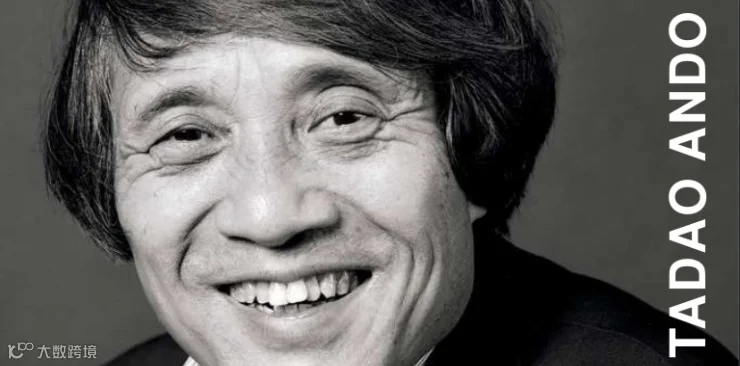
(Ando Tadao)
安藤忠雄(Ando Tadao),日本著名建筑师。代表作品有住吉长屋,万博会日本政府馆,光之教会等。其从未受过正规教育,却开创了一套独特、崭新的建筑风格,成为当今最为活跃、最具影响力的世界建筑大师之一。
“I want users to feel comfortable when they use this facility,” he says. “I thought about accessibility for everyone, including wheelchair users. I believe a city has to be inclusive, and it would be great if we can show that one of the ways is to change the humble public toilet.”
他表示:“我希望人们在使用这个厕所的时感到舒适。我充分考虑了这间厕所的便捷性,每个人,甚至是腿部不便的残疾人都可以轻松使用。一个城市必须是包容的,如果我们能通过改进公共厕所来展现这一点,那就再好不过了。”


Toilets that change habits and minds
改变习惯与观念
“透明厕所”并不仅仅是为了博人眼球,更重要的是,它试图挑战人们对公共厕所的成见,力求改变人们对公共厕所退避三舍的习惯。
The Tokyo Toilet project is run by the non-profit Nippon Foundation. There are 16 big names from architecture and design involved. Seven have been completed, with the remainder due to open by next summer.The Nippon Foundation says it has received enquiries about replicating the designs from India, China and Europe.
“东京厕所项目”由一个日本的非盈利组织经营。来自建筑与设计行业的16位知名人士参与其中。7所厕所已经竣工,而余下的则定于明年夏天前开放。 该组织表明他们已经收到了来自印度,中国和欧洲的询问,是否可以复制该设计。
The organizer says the aim is to change habits as well as minds. “These unique and advanced designs make the toilets accessible for everyone, regardless of gender, age, or ability. Ultimately, it demonstrates the possibilities of an inclusive society,” says Hanaoka Hayato of the Nippon Foundation.
该组织者说他们的目的是同时改变人的习惯和观念。组织成员Hanaoka Hayato说:“这些独一无二的和先进的设计让厕所适用于每一个人,无论男女,老少,是否残疾。从根本上看,这个项目展示了包容性社会的无限可能。”
He goes on to explain, “toilets are a symbol of Japan’s world-renowned hospitality culture. While Japan is known as one of the cleanest countries in the world, the use of public toilets is very much limited because of stereotypes that they are dark, dirty, smelly and scary. So we’ll fight to change those assumptions.”
他继续解释到:“厕所是日本举世闻名的好客文化的象征之一。然而日本作为世界上最干净的国家之一,公共厕所的使用却十分有限,这是因为人们一成不变的观念——公厕又黑又脏,又臭又吓人。所以我们会努力改变人们对公厕的成见。”
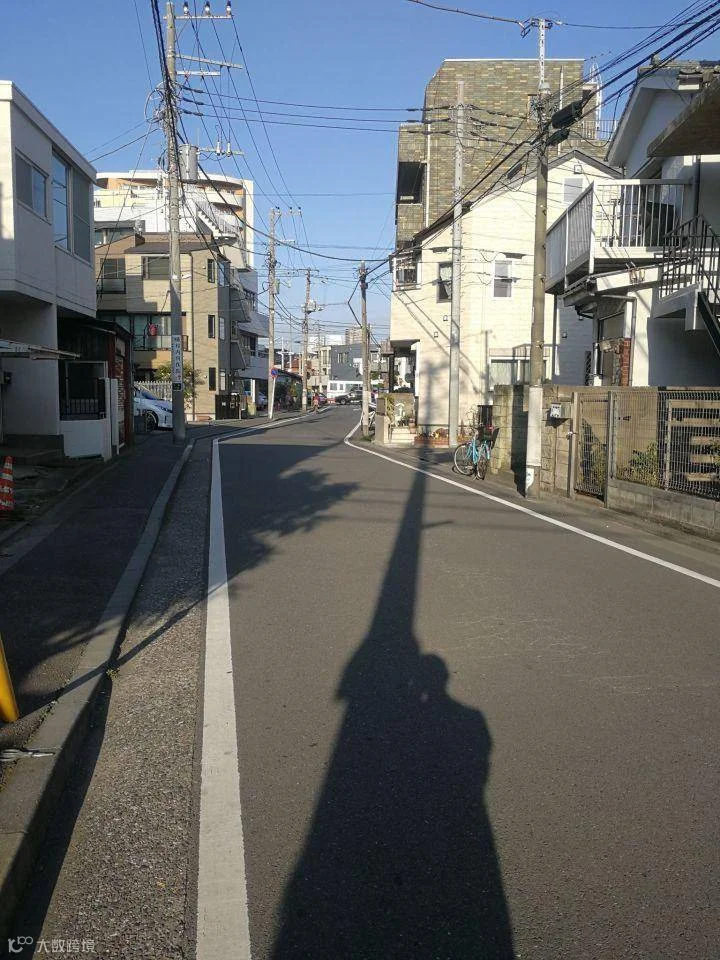
(日本街景,小巷子都如此干净,可见日本人对干净的执着)
The cool factor doesn’t end with the structures themselves. Maintenance and cleanliness are being shared by three key stakeholders – Shibuya city government, the Nippon Foundation and Shibuya’s tourism authority – and workers have been kitted out with navy blue jumpsuits whose design was overseen by Japanese fashion supremo NIGO.
这些透明厕所建筑结构酷炫,其它方面也不赖。其维护与清洁工作由三大核心利益相关者共同承担。分别为:涩谷市政府,主办方和涩谷旅游局。清洁人员会身穿海军蓝的连衣裤,该套服装由日本潮牌大师NIGO把关设计。
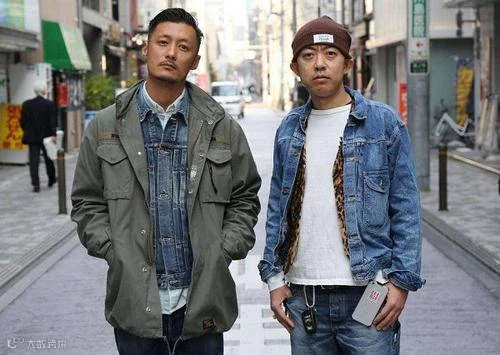
(NIGO与余文乐)
注:长尾智明(NIGO),日本著名潮牌大师,BAPE品牌创始人,其作品红遍日韩与欧美。

由此看来,透明厕所并不是我们想象的那样“一览无余”,相反,它不但设计炫酷,使用起来安全舒适,保障了个人隐私,对人们的观念更有积极影响。
对此,你又如何看待呢?


编译 | 李翱 曹金杰 李家蕊
排版 | 曹金杰