



在这些国家,女性享有月经假期!
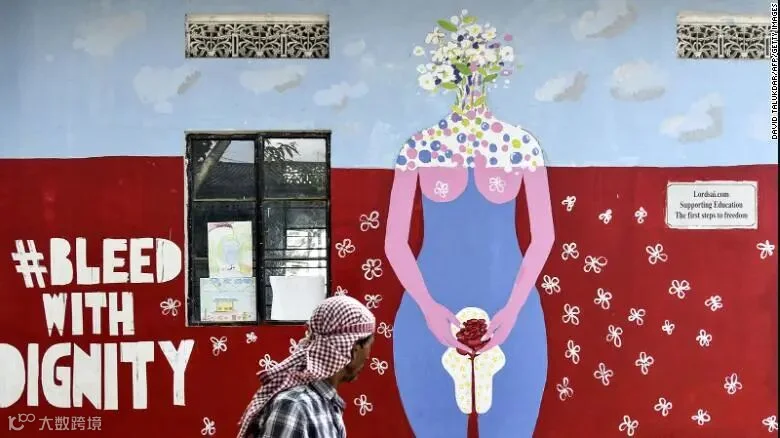
编者按:最近,你一定看到过有关于卫生巾互助盒的推送吧!在全球很多地方,月经仍是一个难以启齿的话题。一些国家推出了“月经假期”政策,又引发了包括一些女权主义者在内的反对声音。月经假是必要权益还是多此一举?

Sachimi Mochizuki has worked in Japan for two decades, but she's never taken a day off for her period.That's mostly because Mochizuki is lucky — her periods aren't a big problem. But she's also been reluctant to use Japan's long-standing leave entitlement as that would have involved telling her managers, most of whom have been male, that she was menstruating.
"It's very private and, especially in Japan, that's still kind of a taboo," said Mochizuki. "We don't want to talk about it with any men."
Sachimi Mochizuki已经在日本工作了20年了,她从来没有因为月经请过假。很大程度上是因为 ,她是幸运的—— 月经没有给她带来大麻烦;另一方面,尽管来了月经可以请假,她也 不情愿告诉 她的上司,因为她的上司大部分都是男性。“月经是很隐私的事情,尤其在日本,它简直就是禁忌。我们从来不和任何男性谈论这种事。”她说。
Japan's period leave entitlement has existed for more than 70 years, and the country isn't alone in Asia in having such a policy. South Korea adopted period leave in 1953. And in China and India, provinces and companies are increasingly adopting menstruation leave policies with a range of entitlements.
日本的月经假期已经有七十多年的历史了,在亚洲也不是只有日本有类似的“月经假期”政策。韩国在1953年也确立了月经假期。在中国和印度,越来越多的省份和公司在实施“月经假期”政策,给予女性一定的权利。
The landscape on the other side of the world, however, looks a lot different. Period leave policy is almost nonexistent in the United States, the United Kingdom and Europe. And even in countries that do have period leave, feminists are split on whether period leave is a step back or a sign of progress when it comes to women's rights. Some argue that it's as necessary for working women as maternity leave, while others say that it casts women as less able than men and could lead to further discrimination.
但是,西方世界的情况截然不同。“月经假期”政策在美国、英国和欧洲几乎是不存在的。甚至在本就有“月经假期”的国家,女权主义者也会产生分歧:就女性的权利而言,“月经假期”到底是进步还是退步的标志呢?有些人说它和产假一样有必要,还有些人说它映射出女性不如男性,并且可能会导致进一步的歧视。
01
触手可得,却不愿使用?
Japan introduced its period leave policy in 1947 to address labor rights concerns. For at least a decade, female factory workers had been granted period leave to give them a reprieve from harsh labor and poor sanitary conditions, while struggling with menstrual pain. After Japan's defeat in World War II, the country wrote period leave into its new labor laws as a right for all female employees whose periods are "especially difficult."
日本在1947年引进了月经假期以解决劳工权益问题。至少十年间,工厂女工得益于月经假期,她们能在月经痛经期间暂时摆脱艰苦的劳动和恶劣的卫生条件。二战战败后,日本政府就把“月经假期”写进了新劳动法里,从而保障那些受痛经折磨的女员工的权利。
At first, there was a relatively high take-up — around 26% in 1965, according to local media. Estimates vary on the proportion of women globally who experience dysmenorrhea, or period pain so bad that it interferes with daily activities, but all point to it being a common condition.
As time went on, fewer women took the option. A Japanese government survey in 2017 found that only 0.9% of female employees claimed period leave. In South Korea, usage is also dropping. In a 2013 survey, 23.6% of South Korean women used the leave. By 2017, that rate had fallen to 19.7%.
起初,选择在月经期间休假的女性的比例相对来说挺高的——根据当地媒体,在1965年大约有26%。全球范围内,痛经或经期疼痛严重影响日常活动的女性比例估计各不相同,但都表明痛经是一种常见情况。
但随着时间流逝,越来越少的女性选择在经期休假。2017年日本政府的一个调查发现,只有0.9%的女性员工会要求月经假期。在韩国,月经假期的使用率也在下降。在一个2013年的调查中,23.6%的韩国女性会在经期休假。而在2017,比例下降到了19.7%。
There are a few reasons that might explain this. Although all companies in Japan have to give women period leave when they request it, they are not required to pay. And some woman may not even know that it's available to them, as companies don't typically advertise it, said Yumiko Murakami, the head of the Organisation for Economic Co-operation and Development's (OECD) Tokyo Center.
有一些原因或许可以解释这种情况。经合组织(OECD)东京中心的负责人Yumiko Murakami说,尽管当女员工要求请月经假时,日本所有的公司都不得不批准。但是这些公司在“月经假期”期间,不需要付给她们工资。况且有的公司不会专门告知,还有一些女性员工甚至不知道有月经假期。
But the bigger issue in both South Korea and Japan is cultural.
但是国家文化背景是韩国和日本更大的问题所在。
Women already face an uphill battle in both countries, which have some of the highest gender pay gaps in the OECD and some of the lowest shares of female managers. Although it's illegal to discriminate against female employees in Japan, they often face pressure to quit once they become pregnant, Murakami said. And workers of all genders in Japan are discouraged from taking leave of any kind, Murakami added.
在经合组织(OECD)成员国中,韩国和日本有着最大的男女收入差距,并且在这两个国家一些女经理的比例也是最低的。Murakami说,尽管在日本歧视女性员工是违法的,但一旦她们怀孕了,就不得不面临着被辞退的压力。并且,日本不鼓励员工休任何形式的假,不论男女。
02
Zomato的政策能否打破印度的月经羞耻?
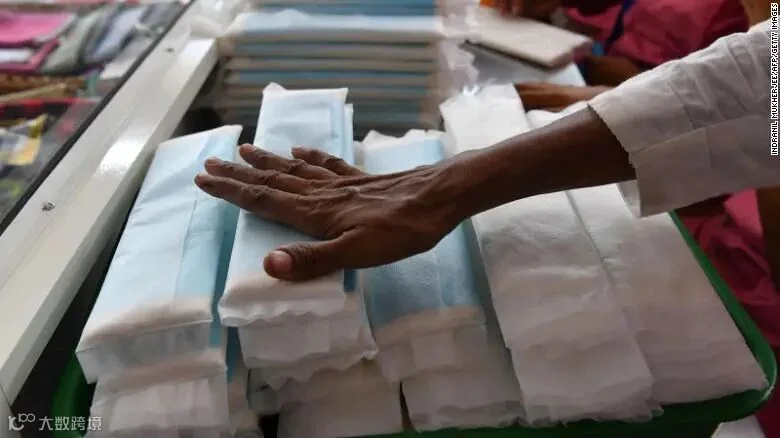
In other parts of Asia, companies aren't just using period leave to support their workers — they're also making a political statement. Indian food delivery company Zomato, for example, said when it rolled out its policy in August that it wanted to change perceptions in India where periods are shrouded in shame.
在亚洲的其他地方,公司不只是采用“月经假期”来支持员工——他们也在表明自己的政治立场。举个例子,印度的食物快递公司Zomato说,当他们在八月推出(每年给女性员工提供10天的“定期假期”)政策时,这同样也是在企图改变印度原有的旧观念——月经是一种羞耻,需要隐藏起来。
"At Zomato, we want to foster a culture of trust, truth and acceptance," founder and CEO told staff in an email, which was released publicly. "There shouldn't be any shame or stigma attached to applying for a period leave. You should feel free to tell people on internal groups, or emails that you are on your period leave for the day."
Zomato的创始人兼CEO Deepinder Goyal在一封写给员工的公开邮件里这样写道:“在Zomato,我们想要创设一种充满信任、真实和包容性的文化。我们不希望申请月经假期和羞耻联系在一起。你可以随意地告诉内部小组成员,或者发邮件告诉他们你正在休月经假。
The announcement was notable in a country where women are sometimes not allowed to cook or touch anyone when they are menstruating. Girls in India typically miss 20% of the school year because of their period, and 70% of mothers consider menstruation "dirty," according to a 2014 report by philanthropic organization Dasra.
这篇公告非常引人注目——要知道在印度,女性有时候甚至不能在经期下厨或触摸别人。根据一个慈善组织Dasra在2014年的一个报告,通常印度女孩子会因为月经错过20%的学年,并且有70%的母亲认为月经是“肮脏“的。
But Zomato's announcement was still met with backlash on social media, where critics argued that the policy could make women look weak or discourage managers from hiring female workers. Some of those opposing the move were women.
但是Zomato的公告仍然在社交媒体上遭到了强烈反对。批评者们认为这种政策可能会让女性看起来很虚弱,或者使经理雇佣女员工的积极性下降。有一些反对者还是女性。
According to University of Sydney professor Elizabeth Hill, who researches gender and employment, the reason period leave is so hotly contested even among feminists is because there is little data on whether period leave helps or hinders women in the workplace.
Hill says many of the arguments against period leave are similar to those that have been made against maternity leave. Opponents argued that making employers pay maternity leave could discourage them from hiring women.
悉尼大学教授Elizabeth Hill研究性别和就业。据他研究,关于月经假期的争论如此激烈(甚至在女权主义者之间)的原因就在于,几乎没有数据表明,在工作中“月经假期”到底帮助女性还是阻碍女性。他说,很多反对月经假期的的论据和反对产假的很类似。反对者们认为,要求老板让女性员工带薪休产假可能会使得雇主不愿意雇佣她们。
But Hill also said there's now evidence to suggest that generous maternity leave policies encourage women to stay in the workforce rather than push them out.
That's particularly important in India, which has one of the lowest female participation rates in the workforce, at 35%.
但是Hill还说,现在已经有证据表明,产假政策会鼓励女性留在工作岗位上,而不是辞职。这在印度尤其重要,毕竟印度女性在工作岗位的参与率是最低的,只有35%。
"It's a wonderful reframing of what the problem is — the problem is work, not women," said Deepa Narayan, a social scientist and former senior adviser at the World Bank.
“这是对于问题所在的精彩重构——问题在于工作,而不是女性。” 社会科学家、世界银行前高级顾问Deepa Narayan这样说道。
Guneet Monga, who produced an Academy Award-winning short documentary called "Period. End of Sentence" about menstruation in India, said Zomato's move seems progressive, but, even if it trickles into other workplaces, it won't make an impact to the millions of women in India not working in office jobs.
一部关于印度女性月经的纪录短片《月事革命》曾获奥斯卡奖。它的制作人Guneet Monga说,Zomato的举措看起来是进步的,但即使月经假期渐渐被其他工作场所接受,它也不会对印度千千万万不在办公室工作的女性有影响。
"I think that this whole concept of women's rights and equality and feminism is not a choice at the lower economic level. They just work day to day to feed. They work on an existential crisis," she said. "I encourage the conversation at one level, but I do think it is a long way before we see a change."
“我认为一个国家处于在低经济水平时,没有女权、平等和女权主义的选择。她们只是为了吃饭而每天工作,她们努力战胜生存危机。一方面我鼓励这种对话,但是我也确实认为,我们还有很长一段路要走,才能看到变化。”她这样说。
03
月经假期真的无法在西方存在吗?
Every few years, the topic of period leave hits the headlines in Western countries. Just as often, it's accompanied by scathing think pieces about why it's a bad idea.
每隔几年,月经假期话题就会在西方国家登上头条。同时,伴随它而来的还有尖锐的提问——为什么这是一个坏主意呢?
After Zomato's announcement, the Washington Post ran an opinion piece titled: "I'm a feminist. Giving women a day off for their period is a stupid idea." The article argued that period leave is a "paternalistic and silly" proposal that "reaffirms that there is a biological determinism to the lives of women."
Zomato发表公告之后,《华盛顿邮报》发表了一篇文章表明观点,文章题目是“我是一个女权主义者。给女性一天的月经假是个愚蠢的想法“。这篇文章认为,月经假期是”家长式作风且没脑子的”建议,它会重申生物决定论在女性的生活中存在。
And after the Victorian Women's Trust, an Australian advocacy group for women's rights, introduced a menstruation leave policy for its staff in 2017, Brisbane newspaper The Courier-Mail ran an opinion piece with the headline: "As a working woman in Australia I'm insulted by this crazy plan."
Victorian Women's Trust(澳大利亚的一个女性权利宣传组)在2017年引进了月经假期政策,在那之后布里斯班的报纸《信使邮报》发表了一篇头条文章来表明观点,文章标题是“作为澳大利亚的一个拥有工作的女性,我被这个疯狂的计划侮辱了”。
Hill, the Sydney professor, said there was anecdotal evidence that younger women and men in the West tend to be more receptive to the idea, while older women are more opposed. Older women often feel that because they struggled through work while menstruating, younger women should do the same. Some argue that there should be more personal leave entitlements for people of all genders, Hill said. Others advocate for increasing sick leave to include period leave, although critics argue that women aren't sick when they have their period — they are just experiencing a normal, biological process.
悉尼教授Hill说,有传闻的证据表明西方的年轻男女往往更能接受这个想法,但是年纪大一点的女性就非常反对了。可能是因为她们觉得自己在痛经的时候也努力工作了,所以年轻的女性也该一样。Hill还说,一些人认为应该授予更多私人化的假期权利,不论男女。其他人提倡增加病假来把月经假期包括在内。但是批评家说女性来月经并不是生病——她们只是在经历正常的生理过程。
A survey of 32,748 Dutch women published in the British Medical Journal last year found that 14% had taken time off from work or school during their period. Even when they called in sick due to their period, only 20% gave the real reason.
去年有一篇发表在《英国医学杂志》的调查,调查了32,748个荷兰女性,结果发现有14%的女性在经期向工作单位或学校请过假。即使她们因为月经而请病假,也只有20%说出请假的真正的原因。
Around 68% said they wished they had the option of more flexible work or study hours during their period. But most — just under 81% — turned up to work anyway, even though they felt less productive as a result of their symptoms. Lost productivity amounted to almost nine days a year, according to the study.
有大约68%的人说她们希望在月经期间有更加灵活的工作或学习时间可供选择。但是大部分人——不到81%的人还是会工作,即使因为一些症状她们感觉自己不那么高效。根据这项研究,一年中损失的生产力几乎有9天。
At the Victorian Women's Trust, executive director Mary Crooks said the benefits of period leave have been "absolutely palpable" for her office which has 13 female staff members.
"You shouldn't have to be dishonest about why you can't come to work, and why you can't perform productively at work," she said, adding that the reproductive cycle was crucial to women's physical and mental health.
Victorian Women's Trust的执行董事Mary Crooks说,在她的办公室里有13个女性成员,而月经假期的好处是“绝对显而易见”的。“你没必要掩饰不来工作和低效工作的真实原因,而且生理期对女性的身心健康也非常重要。”
In the four years since it was introduced, staff have only taken 21 paid period leave days between them, Crooks said. The culture has become more supportive and staff feel more comfortable discussing their menstrual needs and care for themselves better, she said. Because employees feel respected by their company, they also work more productively, Crooks added. "I think there's nothing but positives that have come about in our workplace as a result of it," she said. "To us, the removal of shame and stigma is one of the great big jigsaw pieces in the gender equality picture."
Crooks说,自从四年前引进月经假期以来,员工们总计只休了21天的假。现在的文化背景已经越来越支持月经假期,而员工们在讨论月经时期的需要时感到更自在了,并且能够更好地照顾自己。同时,也正是因为员工们感受到了来自公司的尊重,她们也会更加高效地工作。她还补充道:“我觉得月经假期给我们工作带来的只有积极影响。对我们来说,不再因为月经感到羞耻,是拼凑出性别平等的一块非常重要的拼图。”
原文链接:https://edition.cnn.com/2020/11/20/business/period-leave-asia-intl-hnk-dst/index.html

编译 | 刘海燕
排版 | 刘海燕
审核 | 赵寒旭