

编者按
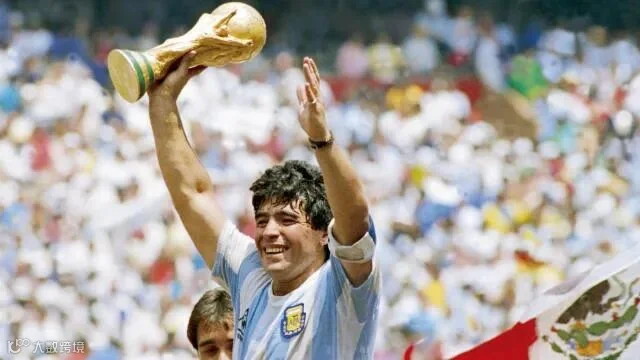
独狼罗马里奥说,我是球星,巴乔也是球星,但是马拉多纳是球王。
罗纳尔多说,球王只有一个,那就是马拉多纳。
C罗说,优秀的球员很多,但最优秀的只有一个,马拉多纳。
梅西说,阿根廷只有一个球王,不是我,不是我,不是我,是马拉多纳。
2020年11月25日,迭戈·马拉多纳去世,享年60岁。这位传奇人物究竟拥有怎样的魅力令世界球迷为其疯狂?
01 球王“陨落”:一代人的灯塔
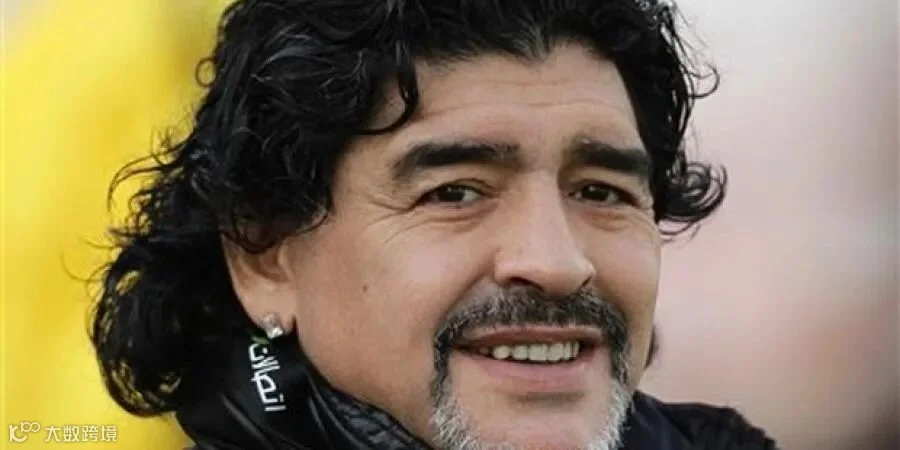
这位60岁的老人在家中休养时因心脏病突发不幸离开人世。11月初,马拉多纳成功地进行了摘除脑血栓的手术,并因酒精依赖症准备接受治疗。
The 60-year-old died of a heart attack at his home where he was recuperating. Maradona had a successful operation on a brain blood clot earlier in November and had been due to be treated for alcohol dependency.
马拉多纳去世后,他的医生在接受采访时泪流满面。他说:“你想知道我的责任是什么?我负责爱护他,负责照顾他,负责延续他的生命直到生命的尽头。"医生说他已经"尽其所能地做了一切, 几乎是不可能的事情。"
Diego Maradona's doctor gave a tearful interview after the footballer's death. The doctor said: "You want to know what I am responsible for? For having loved him, for having taken care of him, for having extended his life, for having improved it to the end. "The doctor said he had done "everything he could, up to the impossible".
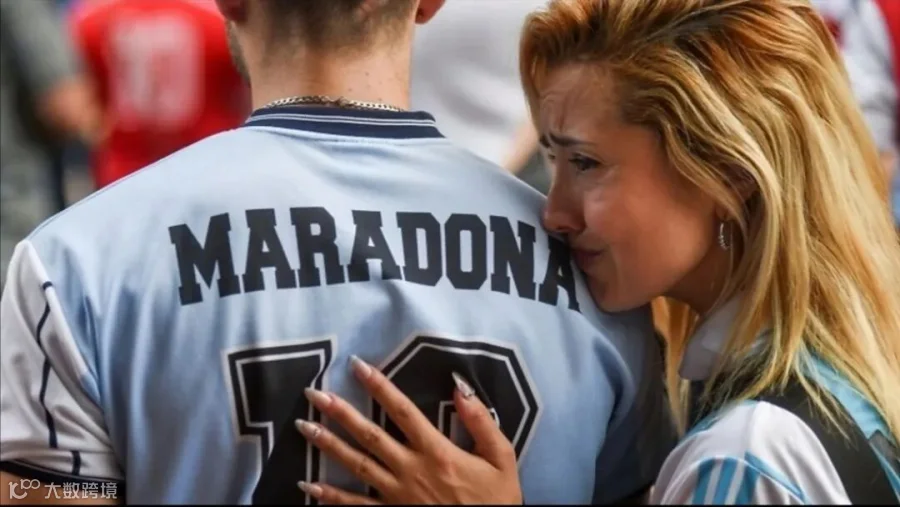
马拉多纳将永远活在我们心中
02 迭戈不朽:一代球王的悲与欢
迭戈·马拉多纳在1986年以阿根廷球队队长一职代领国家队赢得世界杯,在四分之一决赛对阵英格兰的比赛中他打出了著名的“上帝之手”进球。马拉多纳在他的俱乐部生涯中曾效力于巴塞罗那和那不勒斯队,并代领其所在队伍两次赢得意甲联赛冠军。阿根廷青年足球队是他职业生涯的开始,同样在塞维利亚,博卡青年队和纽维尔老男孩队踢球。他一生代表阿根廷出场91次,打进34球,并代表国家队四次参加世界杯。
Diego Maradona was captain when Argentina won the 1986 World Cup, scoring the famous "Hand of God" goal against England in the quarter-finals. Maradona played for Barcelona and Napoli during his club career, winning two Serie A titles with the Italian side. He started his career with Argentinos Juniors. He scored 34 goals in 91 appearances for Argentina, representing them in four World Cups
1990年,马拉多纳率领国家队进入意大利世界杯决赛,但最终落败于德国队。1994年,马拉多纳在美国再次担任国家队队长,但由于麻黄碱药检不合格,被遣送回国。职业生涯的后半程中,马拉多纳一直在与毒瘾作斗争,1991年,他的可卡因检测指标呈阳性,被禁赛15个月。直到1997年,在他37岁生日那天,他正式宣布退役。
Maradona led his country to the 1990 final in Italy, where they were beaten by West Germany, before captaining them again in the United States in 1994, but was sent home after failing a drugs test for ephedrine. During the second half of his career, Maradona struggled with cocaine addiction and was banned for 15 months after testing positive for the drug in 1991. He retired from professional football in 1997, on his 37th birthday.
在职业生涯结束后,马拉多纳曾在短期内担任过阿根廷的两支小球队的教练。2008年,他被任命为阿根廷国家队的主教练,在2010年世界杯四分之一决赛中阿根廷被德国击败后,他卸任主教练身份。随后,他在阿联酋和墨西哥管理球队,他去世时任负责这阿根廷顶级联赛的球队Gimnasia和Esgrima的训练。
Having briefly managed two sides in Argentina during his playing career, Maradona was appointed head coach of the national team in 2008 and left after the 2010 World Cup, where his side were beaten by Germany in the quarter-finals. He subsequently managed teams in the United Arab Emirates and Mexico and was in charge of Gimnasia y Esgrima in Argentina's top flight at the time of his death.
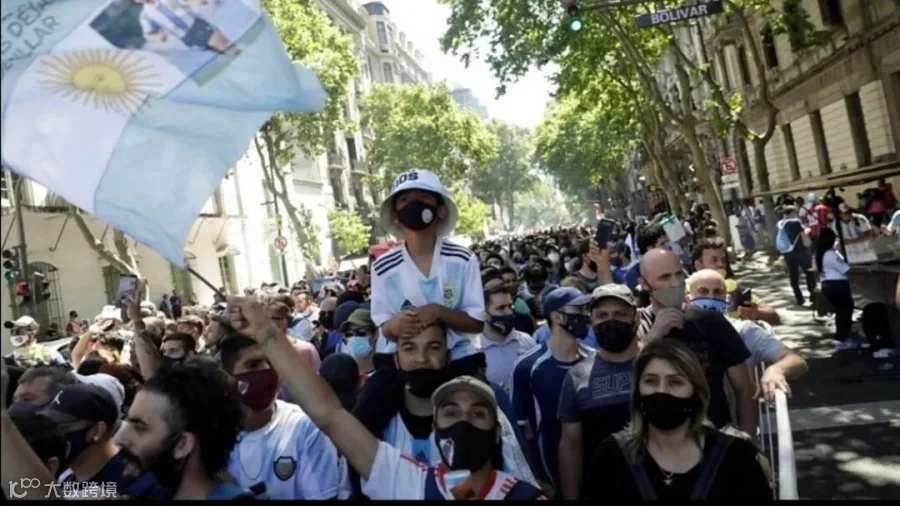
大批人聚集在罗萨达宫,希望看到迭戈·马拉多纳的灵柩
03 不羁的一生:天使与魔鬼的融合
(1)斯人已逝,传奇永存
2001年11月10日,迭戈·阿曼多·马拉多纳在布宜诺斯艾利斯举行了他的最后一场纪念比赛。对那些不熟悉这一传统的人来说,这场纪念比赛更像是一场为崇拜他的球迷们所做的致敬游戏。比赛中,罗纳尔多的朋友们在球场上悠闲地慢跑,让他再次获得荣耀。在他的巅峰时期,马拉多纳可以轻松地从后卫身边滑过,但是现在,他已41岁高龄。他体重超重,膝盖和脚踝都受损,并且他已经和毒瘾斗争了近20年。对方球员为他放水,当他笨拙地走过时,对方球员就会自动让步。那天,他进了两个球,都是在对阵前哥伦比亚国家队守门员雷内·伊吉塔时进的点球,伊吉塔为他的老朋友的纪念比赛添上了精彩的荣誉。每次进球得分,伊吉塔和马拉多纳就紧紧地拥抱在一起。
On November 10, 2001, Diego Armando Maradona played his final testimonial match, in Buenos Aires. For those unacquainted with the tradition, testimonials are tribute games, played for adoring, nostalgic fans, in which friends of the honored player jog leisurely around the pitch, allowing him one more moment of glory. In his prime, Maradona could flit past defenders with sublime ease, but now, at forty-one, he was overweight, with bad knees and bad ankles, and had been fighting drug addiction for nearly two decades. The opposing players indulged him, stepping aside as he lumbered by. He scored two goals that day, both penalties against René Higuita, the former goalkeeper for the Colombian national team, who obliged his old friend by jumping out of the way. Each time the ball hit the back of the net, Higuita
八十年代,当我还是个不谙世事的中学生时,马拉多纳是我的偶像。但是,观看纪念比赛的时候,我承认我已经忘却了他的职业生涯。不幸的是,我们经常这样对待我们心中的英雄:这种爱就如商品一样。随着时间的推移这份爱被我们消磨殆尽。在纪念比赛中再次见到他,我回忆起了他给予我的点点滴滴。我并不是唯一一个有这种感觉的人。几天后,在秘鲁利马,我拜访了我的一个表兄。一提到马拉多纳的告别比赛,他沉默了,寂静中我看见了他眼角留下的泪。“迭戈就要死了,”这句话简直是脱口而出,悲伤与惊讶夹在话里,仿佛他从来没有想到过马拉多纳会死。
In the nineteen-eighties, when I was in middle school, Maradona had been my idol, but, by the time of the testimonial match, I admit that I’d lost sight of his career. This, unfortunately, is how we often treat our heroes: with a kind of transactional love. We use them up. Seeing him in that tribute game was a reminder of all we’d taken from him, and I wasn’t the only one who felt that way. A few days later, in Lima, Peru, I visited a cousin of mine. At the mention of Maradona’s farewell match, he fell into a reverential silence, his eyes suddenly watering. “Diego is going to die,” he said in an urgent whisper, the words tumbling out with the force of discovery, as if Maradona’s mortality had never occurred to him.
1986年世界杯阿根廷对阵英格兰的四分之一决赛中,马拉多纳的两个进球是足球史上屹立不倒的丰碑,这两个进球,将他的运气和天赋完美的展现。一个是大胆的手球,他从裁判眼中把球偷出来了,是无耻的犯规更是完美的骗局。另一个进球是在几分钟后的长驱直入,被冠以本世纪最佳进球的荣誉。70码的冲刺,他的身手令人眼花缭乱,足球就好像粘在了他的左脚上,英格兰的防守队员在这猛烈的进攻下显得毫无缚鸡之力。阿根廷电视台标志性的解说概括了这种感觉:“迭戈,”气喘吁吁的播音员喊道,“你来自哪个星球?”
Argentina’s quarter-final match against England in the 1986 World Cup will always be remembered for Maradona’s two goals, which, taken together, are a kind of shorthand into his genius and recklessness. The first, an audacious handball, is brazen, opportunistic cheating—which somehow worked. His second, scored minutes later, is known simply as the Goal of the Century: a dazzling, mazy seventy-yard sprint with the ball glued improbably to his left foot, as English defenders flail helplessly to the side. The iconic Argentine-television narration sums up the feeling: “Diego,” the breathless announcer shouts, “what planet are you from?”
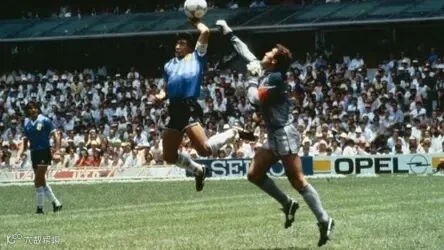
传奇进球“上帝之手”
(2)双面人生,巨星中的极致
然而,在那个非凡进球、在赢得世界杯冠军的巅峰战和2001年的纪念赛之间,马拉多纳的人生走入了误区。阿西夫·卡帕迪亚非凡的新纪录片《迭戈·马拉多纳》讲述了这些日子里发生的悲惨故事。这部影片是一个悲剧寓言,它描绘了天才的成长之路,展示了成名的情感代价,揭露了无论多么超凡脱俗的天才都是那么容易被世界抛弃的事实。
Somehow, between scoring that goal, winning the World Cup two matches later, and that 2001 testimonial match, it all went wrong. Asif Kapadia’s remarkable documentary, called simply “Diego Maradona” tells the harrowing story of what happened. It’s a tragic parable, a portrait of genius, a revealing look at the emotional cost of fame and how disposable talent can be, no matter how otherworldly the gift.
这部电影为观众证明了,马拉多纳最大的成就不是1986年代领阿根廷队赢得的世界杯冠军,而是1987年和1990年他随那不勒斯队赢得的两项意大利国内联赛冠军,这两项冠军颠覆了联赛对那不勒斯队的守旧评价,让传统强队意识到了其强队名号地位不保的危机。
The film argues convincingly that Maradona’s greatest sporting achievement was not the 1986 World Cup victory with Argentina but the two scudettos—Italian domestic-league championships—that he won with Napoli, in 1987 and 1990, which upended the league and angered the traditional powerhouses.
决定其退出舞台的时刻是1990年意大利世界杯。为阿根廷效力的马拉多纳因与一家受人鄙视的俱乐部签约而被大多数意大利球迷憎恨,他在任何地方踢球都能听到恶意的声音。阿根廷在半决赛中与意大利队在那不勒斯的圣保罗球场相遇。他邀请当地球迷来支持阿根廷队,很多人认为这是对阿根廷队的不尊重,所以,当阿根廷淘汰了意大利队时,马拉多纳便成了阿根廷最令人讨厌的人。不久之后,他被卷入了吸毒和嫖娼的丑闻风波,意甲联盟对他实行了为期一年多的禁赛,于是穷途四壁的他不光彩地回到了阿根廷。
The defining moment came during the 1990 World Cup, in Italy. Maradona, playing for Argentina and already hated by most Italian fans because of his association with a despised club, was booed everywhere he played. Argentina met Italy in the semifinals, at Napoli’s Stadio San Paolo. He invited local fans to support Argentina instead. This was perceived by many as disrespect, and, when Argentina eliminated Italy, Maradona became the most hated man in the country. Soon afterward, he was caught in a doping-and-prostitution scandal, the league banned him from the game for more than a year, and he returned to Argentina in disgrace.
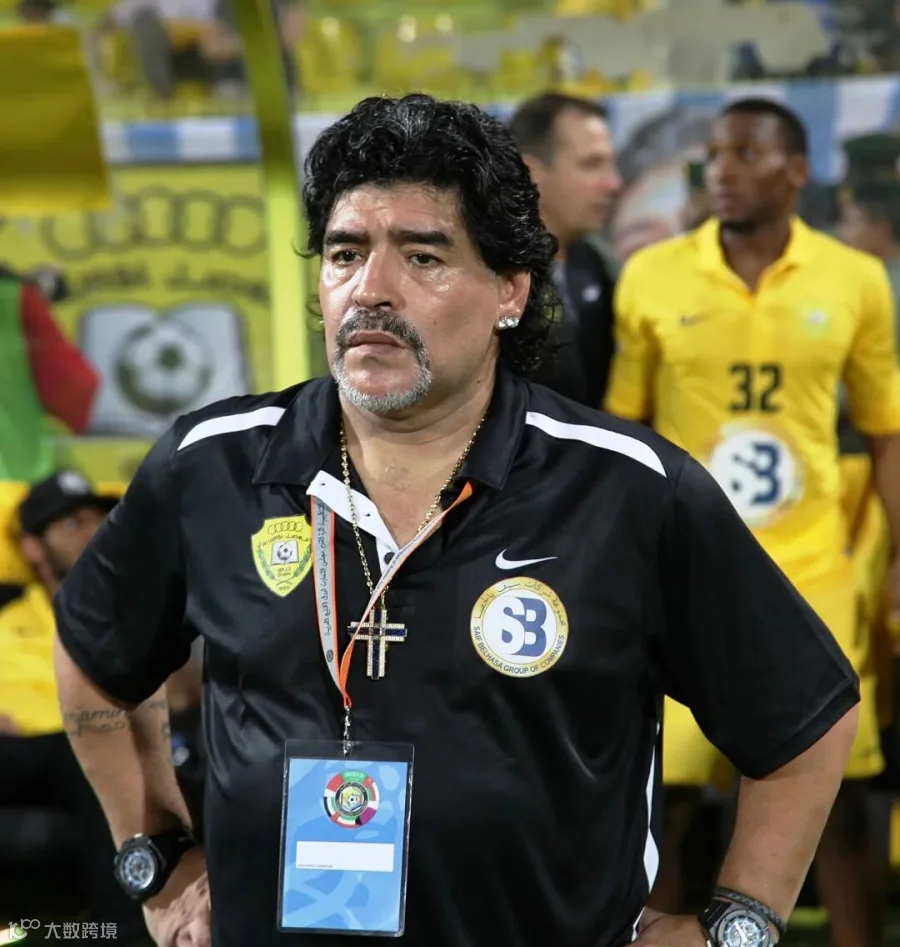
就任教练时的马拉多纳
而最令人瞩目的不是马拉多纳足坛地位的急速下滑,而是他在如此巨大的压力下,坚持走到了今天。在2001年的纪念仪式上,马拉多纳手持麦克风,站在观众面前,双臂交叉在胸前,观众们高呼着他的名字。他说,足球是世界上最美丽的运动,他的所作所为不应该给这项运动抹黑。“我犯了错误,我也为此付出了代价。”回音贯穿了整个体育场为他咆哮着表示歉意,他停顿片刻,然后继续说“但是球绝不肮脏。”
What’s remarkable isn’t the scale of Maradona’s precipitous fall but the fact that he kept it together for so long, under such intense pressure. The day of his 2001 testimonial, Maradona took the microphone and stood before the crowd, arms folded across his chest, as they sang his name. Soccer is the world’s most beautiful game, he said, and nothing he’d done should be held against the sport itself. “I made mistakes, and I paid for them,” he said. The entire stadium roared back its forgiveness, and he paused for a second, before continuing. “But the ball is never stained.”
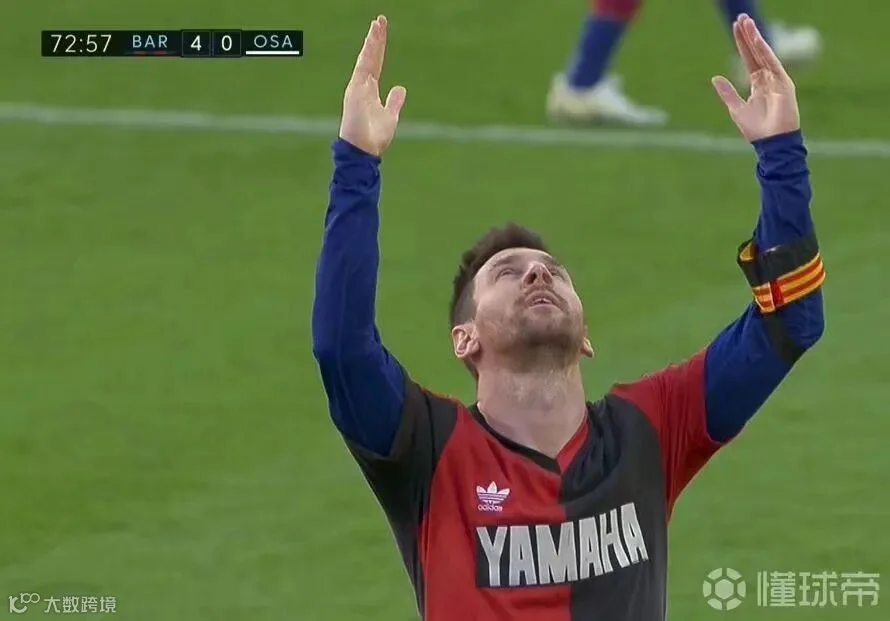
梅西向马拉多纳致敬
原文链接:https://www.newyorker.com/culture/culture-desk/the-tragedy-of-diego-maradona-one-of-soccers-greatest-stars
https://www.bbc.co.uk/news/world-latin-america-55123188
编译:王庶同
排版:王庶同
审核:赵寒旭