

The people who moved to Chernobyl
那些搬回切尔诺贝利的人
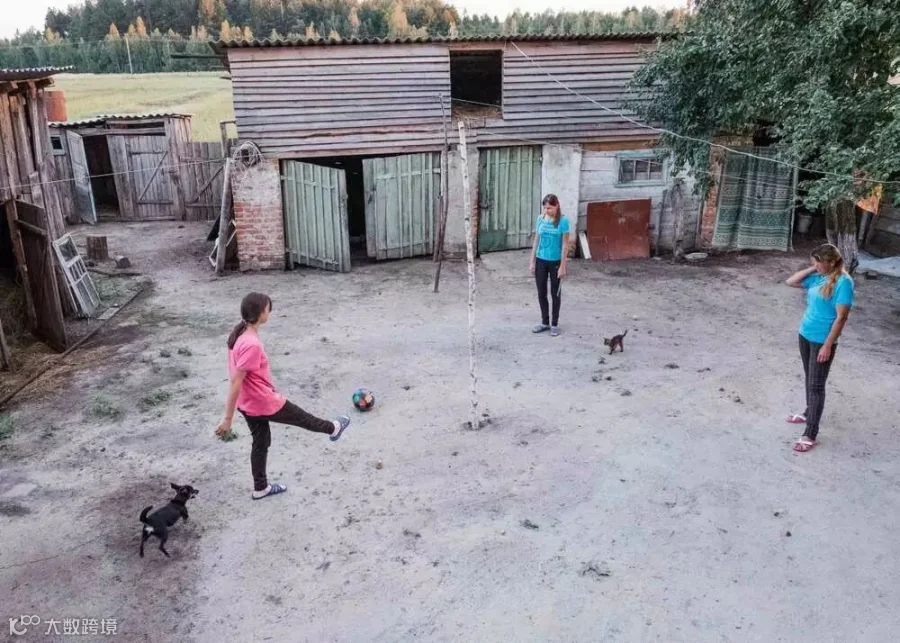
On a warm summer's evening, Maryna Kovalenko is playing football with her two teenage daughters in their backyard.
这是一个温暖的夏日夜晚,Maryna Kovalenko正在后院院子里和她的两个十几岁的女儿踢足球。
Iryna and Olena laugh as the family dog attempts to wrestle away the ball, scattering the startled chickens.
Iryna和Olena欢笑着,家中的宠物狗与她们一起抢球,小鸡们受到惊吓四下散开。
But out beyond the family’s back fence, all is silent and still.
但在她家的后院篱墙之外是一片寂静。
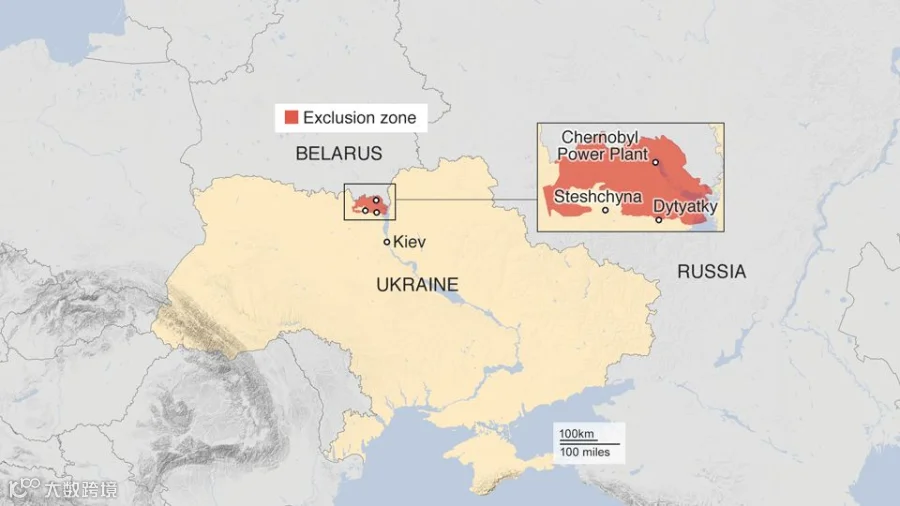
Numerous houses, a shop and a library stand vacant in the village of Steshchyna, northern Ukraine - just 30km from the Chernobyl nuclear exclusion zone.
Steshchyna是位于乌克兰北部的一个小村,如今村里还空置着许多房屋、一家商店和一所图书馆——这里距离切尔诺贝利核禁区只有30公里。
The exclusion zone
隔离区
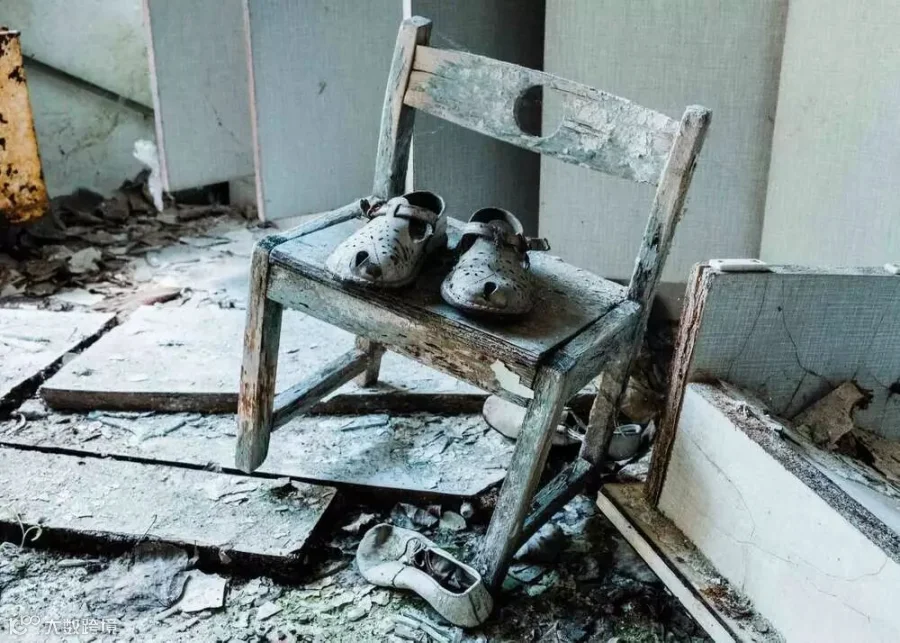
On 26 April 1986, Chernobyl suffered the world’s worst nuclear disaster.
1986年4月26日,切尔诺贝利发生了世界上最严重的一次核灾难。
Those living close to Chernobyl - about 116,000 people - were immediately evacuated. A 30km exclusion zone was imposed around the damaged reactor. This was later expanded to cover more affected areas.
住在切尔诺贝利附近的约116,000人被立即疏散。发生泄漏的核反应堆周围设置了方圆30km的隔离区,随后隔离区的面积还在扩大,隔离其他受到核辐射的地区。
Over the next few months a further 234,000 people were moved out. Almost all left in a hurry. Some were given just a few hours to pack up all their belongings. Others were told they would only be gone a few days, but were never allowed back.
之后的几个月,还有234,000人被疏散。几乎所有人都是匆匆离开。有些被允许花几个小时收拾行李,其他人则被告知只会离开几天,但是他们再也没能回来。
Today it is still illegal to live inside the exclusion zone. Despite this, about 130 to 150 people do. Many are women, still farming their ancestral land in their 70s and 80s.
如今居住在隔离区内仍然是非法行为。尽管如此,还是有130-150人选择了这么做。他们中许多是女性,已经七八十岁了,仍然在耕种祖先留下的土地。
And just outside of the exclusion zone, there are a number of new arrivals.
而就在隔离区之外,到来了一些新居民。
Building a home
重建家园
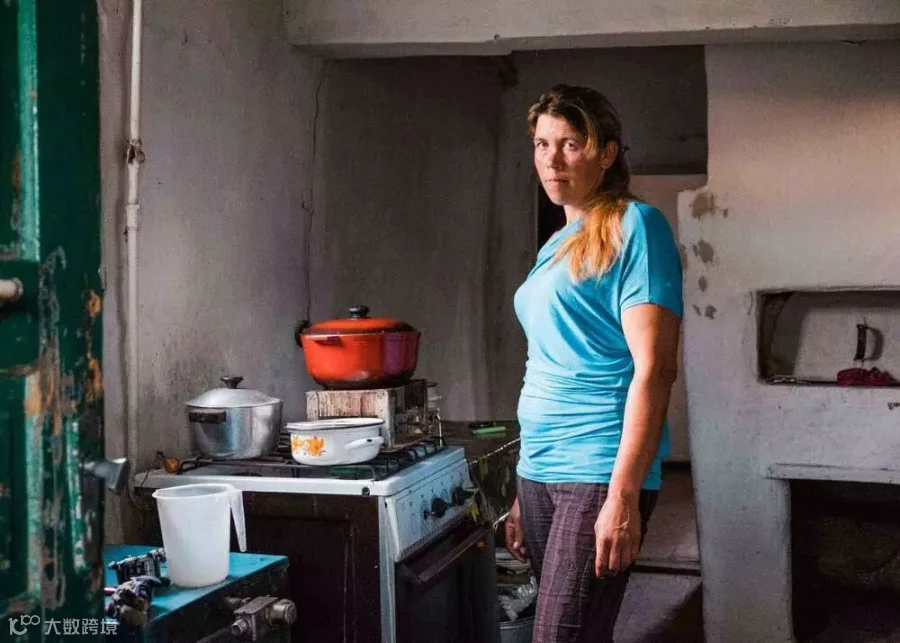
Maryna’s house is in desperate need of repair. The floors are rotting and the metal radiators have cracked - a major problem in a place where temperatures can drop to -20C in the winter.
Maryna的房子亟需修缮,地板正在腐烂,暖气的金属片也已经开裂,他们面临的最严峻的问题是冬天这里的气温可能会跌至零下20度。
They have basic amenities - gas, electricity and a mobile phone signal, which means they can access the internet. But they only have an outside toilet. Water is a problem - their only source is a polluted well which connects to the house via a single pipe. They need to boil all their water before it’s used.
他们有基础的生活设施,例如煤气、电、手机信号,这意味着他们可以上网。但是他们只有一个室外厕所。用水很成问题——他们仅有的水资源是一口受污染的井,井水由一根管子连进房里,需要先煮沸才能用。
Most of the vacant homes - are being sold by their former occupants for less than a few hundred dollars. Maryna was too poor to buy even one of those when she arrived. Instead, the governing council offered her family an unusual house-share.
绝大多数空房子已经被他们原来的房主以不到几百刀的价格出售。当Maryna刚来这儿的时候,她甚至连这点房钱也付不起。于是管理委员会就给她们一家提供了一个特殊的合租房。
In return for their bed and board, the family cared for an elderly man in the late stages of dementia. When he died two years ago, the family inherited the house.
作为提供食宿的回报,她们需要照顾一位痴呆症晚期的老人。两年前这位老人去世了,她们一家得以继承这所房子。
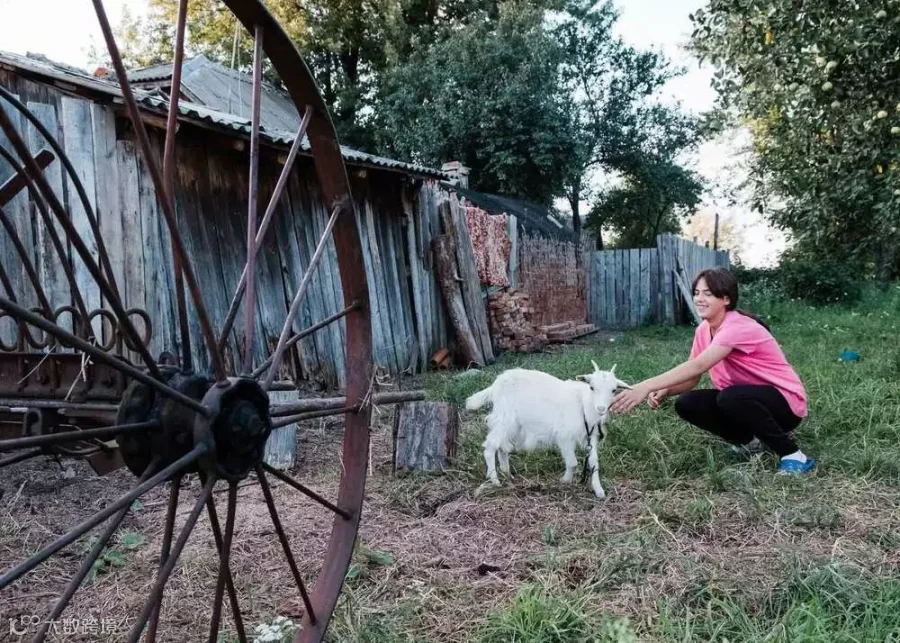
Outside in the yard, Iryna and Olenashow off the rest of their “family” - several hens, rabbits, goats, even a couple of guinea-pigs.
Iryna和Olena还向我们展示了院子里其他的“家庭成员“——几只母鸡,兔子,山羊,甚至还有两只豚鼠。
When not at the school - a 5km walk away - the sisters spend much of their time helping mum in the garden, growing vegetables and looking after the animals.
她们要走5公里去上学,不去学校的时候,两姐妹花很多时间在花园帮母亲种植蔬菜和照料动物。
The family’s sole source of income is state benefits - $183 a month (5,135 Ukrainian hryvnia). Growing their own food and keeping livestock for milk and meat is essential on their budget.
这个家庭唯一的收入来源就是政府每月183美元(合5135乌克兰格里夫纳)的补贴。为了控制家庭预算,她们必须要自己种植蔬菜以及养殖动物来产奶产肉。
Finding refuge
寻找避难所
Maryna and her daughters fled from Toshkivka, a large industrial town in the Donbass region of eastern Ukraine. After four years of conflict in the east of the country, an estimated 10,000 people have been killed, and about two million displaced.
Maryna和她的女儿是从位于乌克兰东部Donbass地区的大型工业城镇Toshkivka逃出来的。四年来的乌克兰东部武装冲突导致大约一万人死亡,约200万人流离失所。
The conflict began in 2014.
战争始于2014年。
After Russia’s annexation of the Crimean peninsula, armed separatists claiming to act on behalf of local Russian speakers in eastern Ukraine decided to act. Fighters declared two separatist enclaves around the cities of Donetsk and Luhansk in the Donbass, the heart of the Ukraine’s coal industry.
在俄罗斯吞并克里米亚半岛后,武装分裂分子声称要代表东乌克兰俄语地区采取行动。他们宣称在乌克兰煤炭工业中心Donbass地区的两座城市Donetsk和Luhansk周围有两个分离主义的飞地。
As pro-Russian separatists began capturing villages and driving the Ukrainian military out of the region’s towns and cities, Maryna and her daughters’ home came under heavy shelling.
随着亲俄分裂分子开始占领村庄并将乌克兰军队赶出该地区的城镇,玛丽娜和她女儿的家遭到了猛烈炮击。
Except for a few hours each morning, the bombardment was relentless. During these temporary ceasefires, everyone would attempt to regain some sense of normality. Iryna and Olena would go to school, while Maryna went to the market. But by noon, the firing would resume. Most nights were spent sheltering in the cellar.
除了每天早上的几个小时,该地区遭遇着无情的轰炸。在短暂的停战期间,每个人都试图找回一点正常生活的感觉。Iryna和Olena去上学,Maryna去市场。但是一到中午,战火重燃,大多数夜晚他们只能躲在地下室里。
Walking home from school during one such hiatus, Iryna and Olena were unexpectedly caught in crossfire. With mortars raining down, Maryna could not get to them. The girls owe their survival to a shopkeeper, who dragged them off the street and into the safety of her cellar.
在一次休战期间,Iryna和Olena在从学校回家的途中意外碰上了一次交火。迫击炮像雨点一样落在地上,Maryna没法靠近女儿们。多亏一位店主将女孩们拖出街道送进地下室里,她们才躲过一劫。
That’s when Maryna decided they had to leave.
从那时起,Maryna决定带她们离开那里。
There are at least ten other families from the Donbass region who have made the same long journey to the abandoned villages close to the exclusion zone.
至少有十个来自Donbass地区的家庭,和她们一样长途跋涉,来到隔离区附近的废弃村庄。
Like Maryna, most of them came on the recommendation of old friends or neighbours. One woman even says she simply Googled “cheapest place to live in the Ukraine”. The result - near to Chernobyl.
他们中大多数人和Maryna一样,在老友或邻居推荐下找到这里。一位女士甚至说,她只是在谷歌上搜索“全乌克兰最便宜的居住地”,显示的结果就是这个靠近切尔诺贝利的地方。
Risks underground
潜在的危险
Since the disaster, scientists have been continuously monitoring the radiation levels in the soil, trees, plants and animals around Chernobyl, even in areas outside the exclusion zone.
自灾难发生以来,科学家们一直在持续不断地监测切尔诺贝利周围甚至禁区之外的土壤、树木、植物和动物的辐射水平。
There is no longer a risk from radiation in the atmosphere, says Professor Valery Kashparov, director of the Ukrainian Institute of Agricultural Radiology (UIAR). But in some areas soil contamination could pose a threat to people’s health.
乌克兰农业放射学研究所(UIAR)主任Valery Kashparov教授表示,大气辐射已没有风险。但在某些地区,土壤污染可能对人们的健康构成威胁。
Kashparov and his team recently reported dangerous levels of radioactive caesium-137 in cow’s milk produced outside the exclusion zone. In large enough quantities, ingesting it can damage human cells, and in some cases lead to serious diseases such as thyroid cancer.
根据Kashparov和他的团队最近的报告,在禁区外生产的牛奶中放射性铯-137的含量很高,已经到达危险水平,摄入这种牛奶会损害人体细胞,在某些情况下会导致严重的疾病,如甲状腺癌。
But these risks, Kashparov says, are limited to specific hotspots. For more than 30 years his team have been working to map such hotspots so they can estimate the potential risk for people living and working around the exclusion zone.
但是Kashparov说这些风险仅限于特定的热点地区。三十多年来,他的团队一直致力于将这些热点在地图上标记出来,这样他们就可以为隔离区周围生活和工作的人们预估其可能面临的风险。
Kashparov points out the village of Steshchyna where Maryna and her daughters live. He says the risk from growing vegetables or drinking goats’ milk in Steshchyna is very low. But the area is currently being investigated for the risk of radiation in wild food stuffs, such as forest mushrooms or wild berries.
Kashparov指出,在Maryna和她的女儿居住的Steshchyna村,种植蔬菜或喝山羊奶的风险非常低。但目前他们还在调查该地区野生食物(如森林蘑菇或野生浆果)的辐射风险。
Maryna says she has thought about the potential risks from radiation, but believes her family fled from something much more dangerous - the threat of war.
Maryna表示,她考虑过辐射的潜在危险,但她相信她们一家逃离了更大的危险——战争的威胁。
"Radiation may kill us slowly, but it doesn't shoot or bomb us," says Maryna. "It's better to live with radiation than with war".
“辐射可能会慢慢地杀死我们,但至少它不会射击或轰炸我们,”玛丽娜说,“生活在辐射中总比生活在战乱中好”。
The entrepreneur
创业之选
Less than two hours’ drive from the capital Kiev, along the perimeter of the exclusion zone, it’s not just families looking for opportunities in these ghost towns, but also entrepreneurs.
距离首都基辅不到两小时车程,沿着隔离区的边缘,不仅有家庭来这些鬼城谋生,企业家们也来这里寻找商机。
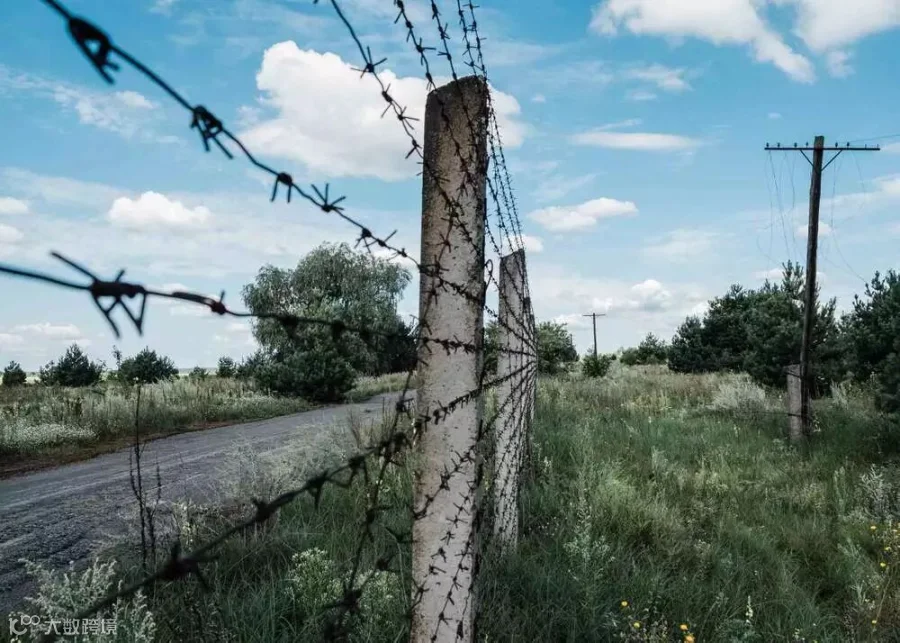
Every day Vadim Minzuyk walks his dog along the high wire fence marking out the beginning of the exclusion zone. It’s his favourite place to enjoy the birdsong and the quiet of the forest.
每天,Vadim Minzuyk都会沿着隔离区起始处高高的铁丝网遛狗。这个鸟鸣啁啾的静谧森林是他最喜欢的地方。
"It’s like living in the north of Finland or Alaska," says Vadim. "This area has the lowest population density of anywhere in Ukraine - only two people per square kilometre.”
“我就像生活在芬兰北部或者阿拉斯加,”Vadim说,“这里是全乌克兰人口密度最低的地区——每平方公里只有两个人。”
In his former hometown of Horlivka, eastern Ukraine, Vadim was a businessman turning over a million dollars a year. But after the town ended up on the front line, pounded by artillery, his once-flourishing factories and warehouses were obliterated - some are just craters now.
他来自乌克兰东部的霍利夫卡,在那里他曾是一位年收入超过一百万美元的商人。但是小镇最终沦为战场前线,炮火连天,他曾经繁荣的工厂和仓库都被摧毁,有些现在化作了弹坑。
For more than a year, his family endured daily ID checks at military checkpoints across the city. They saw dead bodies left lying along the roadside. They even witnessed a murder, when a man was pulled from the car right in front of them by rebels and shot dead in broad daylight.
一年多以来,他和家人忍受着遍布全城的军事检查站对他们进行每日身份核查。他们看到尸体沿着路边横放,甚至还目睹了一起谋杀案:当时叛乱分子从他们面前的车上拉下一名男子,并在光天化日之下将他枪杀。
After evacuating his children, Vadim and his wife soon followed. Driving out of Horlivka, they left everything behind them.
将孩子送出去之后,Vadim和妻子也很快离开了。他们开车驶离Horlivka,将一切抛诸身后。
For several months, living off savings, Vadim travelled around Ukraine looking for ways for his family to start again. One day, he had a tip-off. A relative had heard about cheap property for sale near Chernobyl.
几个月来,Vadim靠积蓄生活,游遍乌克兰各地,寻求为全家人开启新生活的方法。有一天,他得到一个消息。一位亲戚听说切尔诺贝利附近有待售的廉价房产。
He went to see an abandoned grain silo in the village of Dytyatky. Lying right on the border of the exclusion zone, property was cheap, but it was also close enough to the capital city of Kiev (115km) to make it a viable business opportunity.
于是他去看了位于Dytyatky村的一个废弃粮仓。此地处于禁区的边界,物业价格便宜,但也足够靠近首都基辅(115公里),使其成为一个可行的商机。
“The roof was leaking where locals had stripped it of all its metal. I met the owner, and we struck a cheap deal.”
Vadim说:“屋顶上的金属被当地人全扒掉了,屋顶正在漏水。我与房主见面,然后我低价买下了这所房子。”
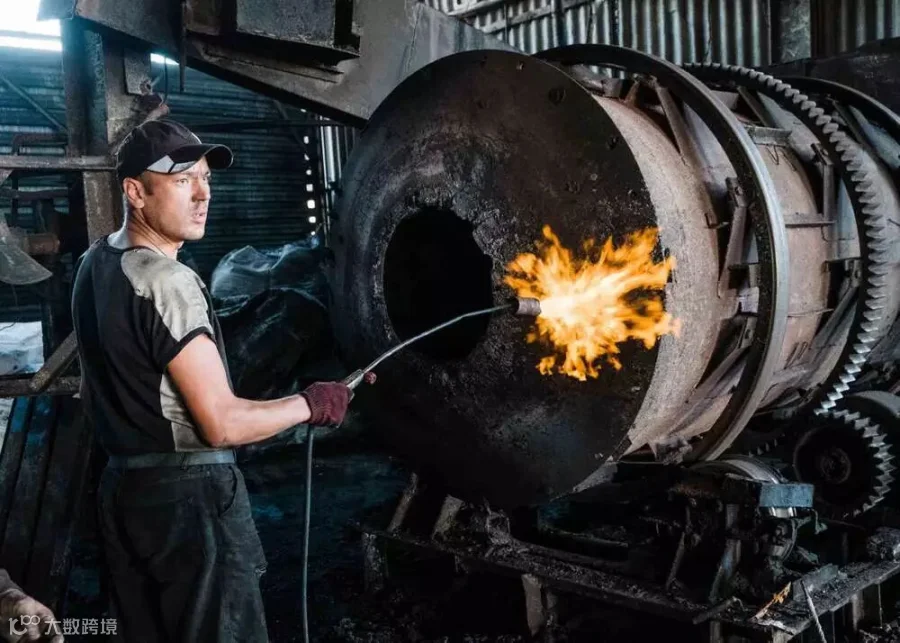
Buying up the warehouse for $1,400, and a further three houses for just $240, he connected them all to the electricity grid and started up a smelting business.
Vadim最终以1,400美元的价格买下了仓库,另外三个房子只花了240美元。他给所有房子都通了电,开始做冶炼生意。
“My strategy was to start a business by producing a product made out of waste. The first year was the most difficult, but over the last two years I feel much better."
“我的策略是利用废物再制造的产品来创业。第一年是最困难的,但过去的两年我感觉好多了。”
Vadim even re-employed seven of his former workers from Donbass, offering them accommodation by converting one of his houses into a hostel.
Vadim甚至重新雇了他在Donbass的七名工人,将他的一所房子改建成宿舍供他们居住。
"I can make a living and help my workers to make money too. I’m the largest taxpayer here in the village. After all, I’m Ukrainian and I want to help my country.”
他说:“我不仅自己可以谋生,还可以帮助我的工人赚钱。我是村里最大的纳税人。毕竟我是乌克兰人,我想帮助我的国家。”
Vadim says he does sometimes think about the radiation. He even bought himself a handheld Geiger counter to measure it.
Vadim表示他有时确实会考虑辐射问题。他甚至给自己买了一个手持式盖革计数器(一种测量放射性的仪器)来测量辐射。
But he’s not worried. He is confident that the atmospheric radiation level is safe.
但是他并不担忧。他乐观地认为大气中的辐射水平对于人体来说是安全的。
“After what you witness in war, radiation is nothing. It was a miracle we survived.”
“当你目睹过战争后,辐射就啥都不是了。我们能活下来已经是一个奇迹。”
It’s not just the absence of war, but a special kind of peace.
这里不仅没有战争,更有一种特殊的宁静氛围。
Both Maryna and Vadim’s families talk about their love of taking long quiet walks in the forest.
Maryna和Vadim两家人都谈到他们喜欢在森林里长时间安静地散步。
Life may be basic, but neither family wants to move to a bigger town, even if it would mean more friends or opportunities. Their need for stillness after fleeing from the chaos of war is sobering.
在这里可能只能维持基本生活,但两个家庭都不想搬到更大的城镇,即使那里意味着更多的朋友或机会。逃离战乱后,他们很清醒自己最需要的是安宁。
"I don’t care about the radiation," says Maryna. "I only care that there are no shells flying over my children. It’s quiet here. We sleep well and we don’t need to hide.”
Maryna说:“我不在乎辐射,我只在乎这里没有炮弹在我的孩子头顶飞过。这里很宁静,我们睡得很好,也不用东躲西藏。”
Vadim says his wife Olena sometimes likens parts of the derelict exclusion zone to their war-torn hometown of Horlivka. But there’s a clear distinction - here on the edge of the exclusion zone she believes their family has a future.
Vadim说,他的妻子Olena有时将部分废弃的隔离区比作他们饱受战争蹂躏的家乡Horlivka。但是两者之间有一个明显的区别——在这里,在隔离区边缘,她相信他们一家未来可期。
"I felt like we had lost it all," says Vadim. "But now, living here, things are getting better.”
“我觉得我们曾失去了一切,”Vadim说,“但现在住在这里,情况正在好转。”
编译 | 刘与晨
指导老师 | 刘佳老师
新闻、图片来源 | BBC