


导语:春夏秋冬组成的四季是人们对于一整年气候变化的分类,而这一传统已经沿用了数千年而从未改变过。然而,随着人类工业革命之后对环境的不断污染,气候也随之发生了巨大的变化,固有的四季模式正在被打破。
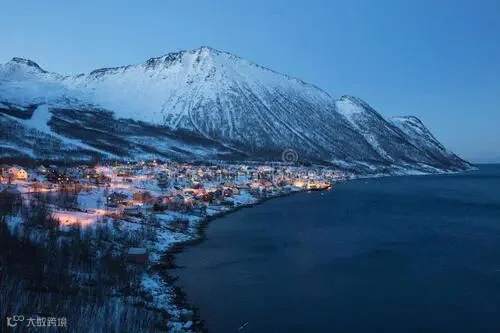
(奥斯陆,挪威首都)
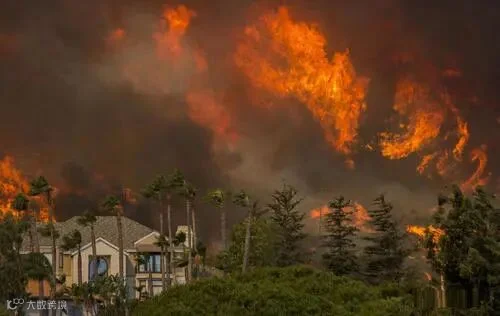
(加州山火)

PART 2 四季之死的广泛影响


Climate change is wreaking havoc on both seasonal patterns and the cultures and histories that are connected to them.
气候变化正在对四季以及与之相关的人文历史造成巨大的破坏。
In the U.S., the first frost of the year arrives one month later than it did a century ago, according to an analysis by the National Oceanic and Atmospheric Administration. North American summer has also stretched about a week longer over the past few decades, while winter in some areas of the U.S. has grown shorter by two weeks to nearly two months.
在美国,根据美国海洋和大气管理和研究局的分析,今年第一次严寒天气相比一百年前晚来了一个月。北美的夏天长度同样在过去几十年的时间里增长了一个礼拜,而美国一些地区的冬天时长则缩短了两个礼拜到两个月不等。


And as the seasons shift, the changes ripple through people’s lives and livelihoods.
同时随着季节的转换,这些变化波及了人们的生活和营生。
In Arctic Europe, erratic winter weather has made it increasingly difficult for the indigenous Sami to continue traditional reindeer-grazing practices that go back generations. For the Viliui Sakha community in Siberia, whose way of life relies on horse- and cattle-breeding, erratic freezing and thawing patterns mean livestock often find their fodder not blanketed by snow but trapped under ice, impossible to access.
在北冰洋沿岸的欧洲,不稳定的冬季天气让土著萨米人越来越难去保持传承了数代人的驯鹿放牧传统。对于西伯利亚的Viliui Sakha社区的土著来说同样如此,他们以养马养牛为生,不稳定的冻融模式意味着当地的牲畜的饲料经常不是被雪覆盖,而是被冻在冰里,无法接近。

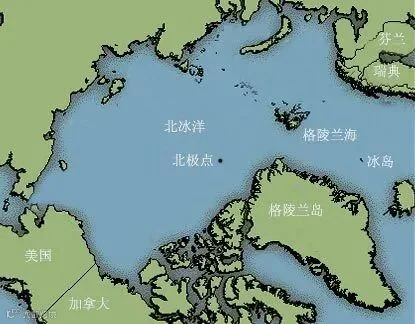
(北冰洋)

In northeast North America, the shortening of winter is hurting the process of maple syrup production, which is important economically in the U.S. and Canada and also culturally, especially among Native American tribes and First Nations. (And of course, as cuisine goes, pancakes and maple syrup are practically as American as apple pie.)
在北美东北部,冬季时间的缩短破坏了枫糖浆的生产过程,而这在经济上对美国和加拿大很重要,在文化上对于美洲土著部落原住民来说也十分重要。(当然,就烹饪而言,煎饼和枫糖浆几乎和苹果派一样十分“美国”。)


(枫糖松饼)

In the tropics, climate change could prompt a later arrival of rainy seasons, which could have a domino effect: A delay in the opening of flowers could be a potential problem for bees and hummingbirds that depend on nectar, which in turn could interfere with pollination. If the timing of pollination starts to fail, there may be less fruit for animals like monkeys and parrots.
在热带雨林,气候变化可能导致雨季延迟,造成能改变许多事情的重大影响。开花期的延迟对于以花蜜为食的蜜蜂和蜂鸟是潜在的问题,而这可能从而影响它们授粉的过程。如果授粉不能定期按时完成,雨林中猴子与鹦鹉赖以为生的水果数量可能会减少。

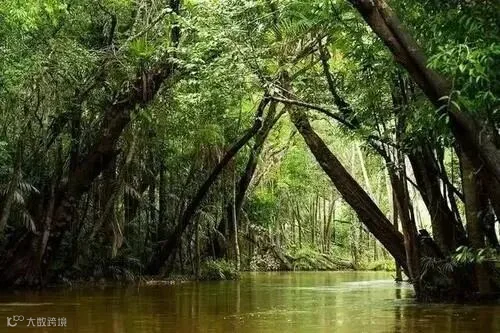
(热带雨林)

The study of seasonal change is called phenology (from a Greek word meaning “to appear”). The 13-year-old National Phenology Network ― based out of the University of Arizona ― maintains one dataset based on a vast nationwide collection of cloned lilacs that started in the 1950s, and another similar network of honeysuckle cultivars. When the shrubs bloom and flower, it’s a sign that spring has arrived. NPN reported that spring this year showed up three to four weeks earlier than historic averages, prompted by warming temperatures.
针对四季变化的研究被称为物候学。发源于亚利桑那大学,有13年历史的的NPN就有着相关的数据库,其来源是基于其始于20世纪50年代,对大量克隆丁香,以及另一个类似的金银花品种的数据收集。当灌木开花时,这象征了春天的到来。NPN报告说在变暖的气候影响下,今年的春天比往年平均早到了高达三到四个礼拜。


NPN runs a project called Nature’s Notebook, an app and website that allows scientists and science enthusiasts across the U.S. to make recurring observations of plants or animals near them — especially the unfurling of leaves, the opening of flowers and the ripening of fruit. Yingying Xie, a professor at Northwestern University, has been analyzing NPN data, along with other botanical observations and historic datasets, to predict what will happen with one of the most iconic events of American autumn — the emergence of fall leaf color.
NPN运营着一个叫Nature’s Notebook的项目(由一个网站和一个应用程序组成),该项目能让全美的科学家与科学爱好者有机会反复观察他们身边的植物或动物,尤其是叶片的生长,花朵的开放和果实的成熟等一系列植物生长过程。同时西北大学的一个教授薛莹莹(音译)通过分析NPN的数据,其他的植物观察数据和历史上的数据记录,预测了美国秋天最典型的事件——落叶,将会发生什么样的变化。


Since the 1980s, the onset of leaf color has been happening later and later. By carefully observing the factors that correlate with a particular tree turning red, orange or yellow, Xie and her colleagues have been able to create models of future leaf seasons. In them, trees may actually lose their leaves even earlier in response to stressful conditions, especially after an extreme event like a heat wave. In these cases, the leaves may not have time to develop much color pigment; instead, they may just turn brown.
自上世纪80年代起,树叶颜色开始转变的时间就一直在越变越晚。通过仔细地观察使一片特定的树叶变红,变橙,变黄的相关因素,Xie和她的同事对未来的落叶季进行了建模预测。根据这些模型,在恶劣气候条件的影响下,树可能会提早落叶(尤其是在经历了如热浪潮等极端天气之后)在这些情况下,树叶可能无法及时分泌足够的色素,从而会变成棕色。


The future of fall looks drab. This is bad news for “leaf-peepers” in the Northeast and for the quaint bed-and-breakfasts, pancake houses and country inns that host them and make up the multibillion-dollar tourism industry.
秋天在未来可能变得毫无生机。这对于东北部喜欢欣赏落叶的人是一个坏消息,对那些提供古色古香的床,早餐的煎饼屋和乡村客栈来说更是如此,因为秋天为当地旅游产业带来了数百万美元的收入。

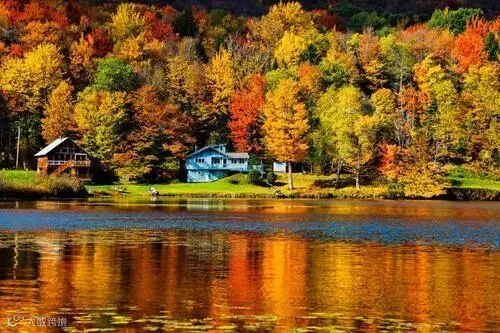
(北美秋日,红叶是其特色)

PART 3 亡羊补牢,为时未晚

Climate change is often realized when we are directly impacted by it, especially during a pandemic where we have abundance of time to notice the nature around us.
当我们直接受到气候变化的影响时,特别是在疫情中我们有足够的时间去关注我们周围的自然环境时,我们通常才会意识到气候变化。
All over the world, scientists have been enlisting citizens to help develop more detailed models of how seasons are changing and how this affects ecosystems. And in a pandemic year, people stuck at home have turned to their backyards or nearby parks to help monitor both large and small shifts in the rhythms of nature.
科学家们在世界各地,努力地开发更详细的季节变化模型,以及季节变化对生态系统的影响。在疫情的一年里,被困在家里的人们转向自家后院或附近的公园,开始静下来关注大自然节奏的大小变化。

Beyond the raw data, the stories that emerge from observing the seasons can be painful. To pay attention to shifts in nature is also to catalog loss — of species, ecosystems, and familiar cultural and ecological norms. But paradoxically, noticing and cataloging the small losses and participating in the science that seeks to understand them can actually be therapeutic, according to scientists who study emotions and climate change. It connects us to a larger endeavor, which makes us feel less alone in coping with climate change. It also allows us to take a kind of ownership over the natural world, the place we live in, and the rhythms around us.
除了数据之外,观察季节所产生的故事可能是艰难的。关注自然的变化,也是对物种、生态系统和熟悉的文化和生态规范的损失进行分类。但矛盾的是,根据研究里的气候变化的科学家们的说法,注意到小损失并将其分类并参与寻求理解它们的科学实际上是很放松精神的。它将我们与更大的努力联系在一起,使我们在应对气候变化时不再感到是一个人的战斗。它还允许我们对自然世界、我们居住的地方以及我们周围的节奏有一种归属感。
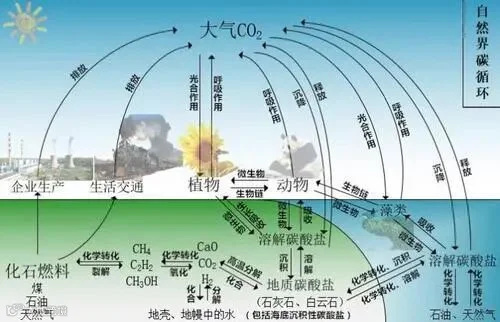
(地球生态系统之一,其复杂程度远超想象)

“What’s interesting is, when you approach [climate change] from what’s changing in your backyard, you can have conversations with people of many different groups,” she says. In Pennsylvania, “fishermen tend to be a lot of conservative Republicans, and they invite me in for talks. They’re concerned about, ‘What’s going to happen with the trout that I love to fish, with warming streams?’” Diane Husic said in her project that tracked a list of easily recognizable species.
戴安·胡西奇在做容易辨认的物种研究项目中说:“有趣的是,当你从自家后院的变化着手(气候变化),你可以和许多不同群体的人沟通”。在宾夕法尼亚州,“渔民往往是保守的共和党人,他们邀请我参加会谈。他们担心的是,“我喜欢钓鱼,如果溪流变暖,会发生什么事?

In a pandemic — when each of us feels simultaneously more isolated, less mobile, and more fixed to a particular place — seasons are a touchstone of connection. Their subtle shifts are a window into climate change and planet-wide temperature trends that we can see, even from behind our own windows.
在一场疫情中,当我们每个人感到孤独、行动更少、更固定于家里时,季节会把人们与大自然联系在一起。它们微妙的变化是了解气候变化和全球气温变化的一扇窗户,而我们甚至可以从我们自己的窗户后面看到它。

“The seasons are changing, affecting whole ecosystems,” Jensen says into the camera. Images of plants sprouting, ice cracking and bees dying flash across the arena walls. “And, yes, the seasons are supposed to change. But they’re not supposed to change life on Earth.”
“季节在变化,影响着整个生态系统,”詹森对着镜头说。”是的,季节应该改变。但它们不应该改变地球上的生命。”

编译|曹金杰 李家蕊 李翱
排版|李翱