




本文中英文共约3950字
阅读需要15分钟
Are Trump’s Immigration Policies Literally Making Us Sick?
特朗普的移民政策真的会让我们生病吗?
Are Trump’s Immigration Policies Literally Making Us Sick?
特朗普的移民政策真的会让我们生病吗?
Sure, food safety is regulated, and Trump is trying to squash those regulations. But the bigger concern is how the administration is undermining the people who work to keep our food safe.
当然会。食品安全是受监管的,而特朗普正试图这些监管。但更大的问题是,行政部门正在伤害那些为保障食品安全而工作的人士。
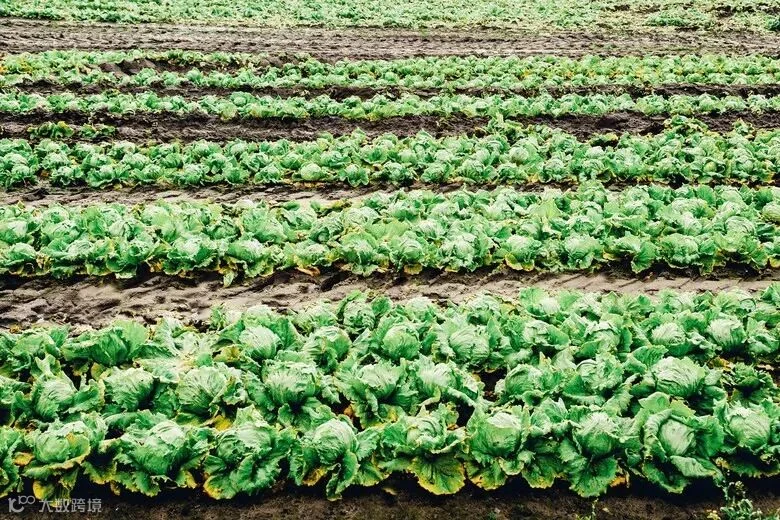
After years of relative quiet, the past year brought a cluster of incidents—three outbreaks of E. coli in romaine lettuce and a 12 million–pound beef recall thanks to salmonella. The obvious question: Why are all these outbreaks happening now?
不同于多年来的相对平静,过去一年里发生了一系列事件——三起生菜感染大肠杆菌事件、由于沙门氏菌而召回1200万磅牛肉等等。问题显而易见:为什么这些事件都在当下发生呢?
The pat answer is the Trump administration won’t enforce updated Food and Drug Administration and Department of Agriculture water testing requirements. I’m not convinced—produce wholesalers have already required farms to test water for years and still do. Dirty water on leafy greens doesn’t explain tainted beef either. Problematic as they are, I don’t think lax federal water testing rules are the root cause here.
表面原因是特朗普政府不愿执行食品药品管理局和农业部最新的水质检测标准。我不相信这种解释,农产品批发商多年以来已经要求农场检验水质,现在也依然坚持。绿叶蔬菜上的脏水也不能完全解释牛肉污染。虽有瑕疵,但我不认为宽松的联邦水质测试标准是食品污染的根本原因。
Others propose that these outbreaks have been happening all along, and we’re simply noticing them now because of better testing technology and reporting. This is a good caveat to keep in mind when looking at data that stretches out over several years. But our testing and communications abilities haven’t changed that radically in the past 12 months.
其他人则认为这些疫情一直在发生,只不过现在因为更好的检测技术和报告体系才为人所知。在查看长达数年的数据时,需要牢记这条提示。但是在过去一年里,我们的测试和通讯能力并未彻底改变。
What has changed? Immigration policy—specifically, the way Trump’s liberal use of Immigration and Customs Enforcement has diminished immigrants’ sense of security.
那么什么变了?移民政策。特别是特朗普随意使用移民和海关执法局的公权力,削减了移民的安全感。
Food safety is fragile. Even the most basic practices—making sure crops aren’t getting runoff from feedlots, keeping equipment clean, using clean water, keeping records—take teamwork, training, and consistent follow-through from management. I think consumers and even many folks in the industry take these practices for granted. It sounds obvious to use clean water and wash your hands and keep track of where the food came from.
食品安全是脆弱的。甚至最基本的劳动工序——比如确保农作物不用养殖场废水灌溉、保持设备清洁、使用清洁水、保持记录等等——都需要团队合作、培训、以及管理层的持续跟进才能落实。在我看来,消费者甚至许多业内人士都认为这些做法理所当然。使用干净的水、洗手、跟踪食物的来源,这听起来都是显然易见的。

But to do even the most basic food safety practices, you need workers who can get trained, stay, and put that training to work. Any situation that disrupts the farm workplace, increases turnover, or incentivizes workers to keep quiet and not get noticed has consequences for food safety. And the recent immigration crackdowns are more than disruptive enough to affect farm operations’ safety practices.
但是即使是食品安全中最基础的劳动工序,也需要工人接受培训并且愿意留下来爱岗敬业,并把培训内容付诸实践。如有任何干扰农场工作的情形,员工流失率增加,或者鼓励员工对问题视而不见、明哲保身,这些都会对食品安全造成影响。然而最近的移民制裁政策极大地干扰了农场运行中的安全工作。
Americans have gotten used to thinking of immigrants as a brute manual labor force. I don’t think most of us realize that they’re also the knowledge workers and front-line managers in the food industry, the first line of defense in keeping the food we all eat safe. The bulk of the food industry’s recordkeeping, care and cleaning of equipment, harvest logistics, and more are run by new arrivals to our country.
美国人习惯认为移民就是干体力活的麻木劳动力。我认为大多数人不明白,他们也是食品行业中的知识工作者,是奋斗在确保食品安全第一防线的经理。大部分食品业的记录保存、设备保养和清洁、收获物流以及其他很多工序,都是靠新移民完成的。

That’s because native-born Americans aren’t interested in being landless farm laborers. Farm owners often complain that kids these days don’t want to work hard. That’s not what’s going on at all. I live in Fayetteville, North Carolina, next to Fort Bragg—the world’s largest military installation. The 50,000 active-duty soldiers stationed here suggest that young Americans are just fine with hard outdoor work, demanding bosses, low pay, and high risk of injury. The thing that takes farm work off the list of worthwhile careers for most Americans is that it essentially requires spending your life on the road with no benefits and little chance of advancement. Once migrant farmworkers learn English, they tend to find other jobs and settle down. That means America’s farm industry is largely staffed by new arrivals.
这背后的原因是本土美国人不愿意做无土地所有权的单纯农场劳工。农场主常常抱怨现在的孩子不想吃苦。但事实完全相反。我住在北卡罗纳亚纳州的费耶特维尔,与之相邻的布拉格堡(世界上最大的军事基地之一),驻扎有50000名现役军人,表明美国年轻人完全可以接受辛苦的户外工作、苛刻的老板、微薄薪酬和高危岗位。对大多数美国人来说,之所以不把务农当作有价值的职业,关键点在于务农将一生奔波在路上,徒劳无益,而且很难有大的进步。每当外来务农者学会英语,他们就会另找工作并就此安定下来。这意味着美国农业的大部分员工都是新晋迁入者。
That’s why legal and regulatory actions against immigrants are a surgical strike on our food security. Higher worker attrition and fear of being arrested also make it easier for employers to abuse staff, override valid health concerns, and steal wages.
这就是为什么制裁移民的执法和监管对我们的食品安全造成外科手术式打击。加之递增的工人流失率、移民害怕被逮捕的心理,这些都使雇主更加肆无忌惮地虐待员工,无视正当的健康保障并且克扣员工工资。

Examples of the connection between working conditions and food safety abound. In Chipotle’s 2015 streak of outbreaks, at least two were traced back to staffers who were forced to work while violently ill. Blue Apron became infamous in 2016 for worker safety problems, and publicly available food safety reports for its California facility show leadership’s carelessness extended into hygiene. A meat plant worker for Smithfield Foods was recently caught urinating onto the floor while on shift.
工作条件与食品安全息息相关,这样的例证俯仰皆是。2015年,在Chipotle一连串的疾病爆发中,起码有两起是和强迫重病员工劳作有关。2016年,公开食品安全报道披露了Blue Apron旧金山工厂领导层玩忽职守造成了卫生事故。Smithfiled食品加工厂一名工人被抓到在当班时随地小便。
注:Chipotle即Chipotle Mexican Grill,是一家主营墨西哥卷饼的连锁餐饮。
This could be viewed as an act of sabotage, or it could be a logical solution in an industry with a track record of denying workers bathroom breaks. The link between high turnover (often a consequence of poor working conditions) and poor food safety is so strong and so well known within the food industry that some food safety audits, such as Safe Quality Food, downgrade farms and facilities just for relying too much on temp workers—even without visible hygiene problems.
这可能是故意破坏,也可能情有可原,因为这个行业一直禁止员工工作时间上厕所。高流失率(通常是恶劣的工作条件的结果)与糟糕的食品安全之间的联系如此紧密,行业内知名的食品安全审计机构如SQF,会给那些过度依赖临时工的农场或食品加工厂降低评级,即使他们没有明显的卫生问题。

In spite of this, we don’t typically think about working conditions when discussing outbreaks. We talk about lab tests and traceability, but we have a giant blind spot around management responsibility and worker empowerment needed to make those tools meaningful. In formal investigations, we collect data on what bacteria were found where—but we don’t talk about what workplace conditions led to poor sanitation in the first place.
尽管如此,我们在讨论疾病暴发时通常不会考虑工作条件。我们往往谈论实验室测试和可追溯性,而管理层责任和工人赋权是一个巨大的盲点,而他们才会使得那些工具落到实处。在正式的调查中,我们收集那些不同细菌藏身地点的数据——但是我们没有讨论首先是什么工作环境导致了糟糕的卫生条件。
If we’re serious about stopping outbreaks, we need to have that conversation. Currently, the consumer discussion about which farms are safer typically revolves around size. But in my experience, size is a red herring—I’ve seen clean mega-operations and little family farms that’d make you swear off food entirely. There’s only one thing I’ve seen correlate to how clean a farm or food facility actually runs: management’s attitude toward workers.
如果我们真的想阻止疫情爆发,我们需要进行这样的会话。目前,消费者关于哪个农场更安全的讨论通常围绕着规模展开。但以我的经验,企业规模是具有误导性的——我见到过整洁的超大型企业,也看到过让你彻底丧失食欲的小型家庭农场。我看到只有一件事与农场或食品设施的清洁程度有关:管理人员对工人的态度。

In my experience, farms that view their workers as people who need time, training, and resources to do their jobs well tend to give it to them. They’re clean, well-organized, and can track where their product went. Those that view their workers as farm equipment that you run and run and run until it breaks down are dirty, flighty, and start resorting to crookedness just to cover their tracks. It’s really that simple.
根据我的经验,那些把工人当人看,也就是需要时间、培训和资源才能把工作做好的农场往往会提供这些条件。这样的农场往往很干净,组织良好,能够跟踪他们的产品去向。而那些把工人当作农业设备的农场,就不停使用,用坏为止,这样的农场往往是肮脏的,轻率的,为了掩盖劣迹往往会借助旁门左道。就这么简单。

Upton Sinclair’s The Jungle, published more than a century ago, launched our current era of food consumer protection in the United States. It made the connection between poor working conditions and tainted food explicit. Unfortunately, public response did little to address the root cause—poor working conditions. Sinclair later wrote, “I aimed for the public’s heart and by accident hit it in the stomach.” We need to stop making that mistake—our well-being and farm and food workers’ are one and the same. We can’t protect ourselves without protecting them.
厄普顿·辛克莱在一个多世纪之前出版了《屠场》,并由此在美国引发了当代食品消费者保护运动。它明确地将糟糕的工作条件和受污染的食物结合了起来。不幸的是,公众没有深入处理本质性的原因,即糟糕的工作条件。辛克莱后来写道:“我旨在警醒公众的内心,没想到他们却关注起了自己的胃。”我们需要纠正这个错误——我们的福祉、农场、食品业的从业者是紧密相连的整体。我们想要保护自己,就必须保护好他们。

Persecuting immigrants is an easy way to gin up votes from America’s most spiteful citizens. To those who don’t see immigrants as people, it feels like a victimless crime. But that’s not just a spiteful outlook—it’s an ignorant one. When we threaten the people who grow and make our food, we all have to eat the risks.
压迫移民是一种很简便地从最为恶毒的美国人那里拉来选票的方法。对于那些不把移民当人看的人,压迫移民仿佛是无人受害的犯罪。但是这不仅仅是一个充满恶意的想法,而且还极其无知。当我们恐吓威胁那些为我们种植、制作食物的人,我们都要吞下风险的苦果。

新闻来源丨slate.com
编译丨貟扬 徐炜 常慧 谢伊雯
排版丨谢伊雯
指导老师 | 刘佳