

—▼—
吃完鸡肉,鸡竟然还好端端地活着?这其实是美国一家食品公司的“黑科技”。除了“取肉”不用“杀鸡”,在提高肉产量和环保方面,这种“免杀戮”的肉也可以大显身手。这究竟是什么新技术?这种技术又会带来哪些影响呢?本期Quriosity带您一探究竟。
—▲—
细胞“种”出来的肉
There's a looming crisis over the world's growing appetite for meat. Could a chicken running around a farmyard in San Francisco hold the key to a solution?
全球对肉类需求的持续增长已经造成一场日益迫近的危机。而一只在旧金山的农家院里奔跑的鸡能否成为解决这一危机的关键呢?
In 1931, Winston Churchill predicted that the human race would one day "escape the absurdity of growing a whole chicken in order to eat the breast or wing, by growing these parts separately under a suitable medium".
1931年,温斯顿•丘吉尔预测,有一天,人类会“在合适的培养基下分别培育鸡胸和鸡翅,通过这一举措来避免为了吃鸡胸或翅膀而养殖整只鸡的荒谬行为”。
Eighty-seven years later, that day has come as we discovered at Just, a food company in San Francisco where we tasted chicken nuggets grown from the cells of a chicken feather.
87年之后,这一天终于到来了。我们发现了一家位于旧金山的食品公司Just,在这里我们品尝了由鸡羽毛细胞培养出的鸡块。
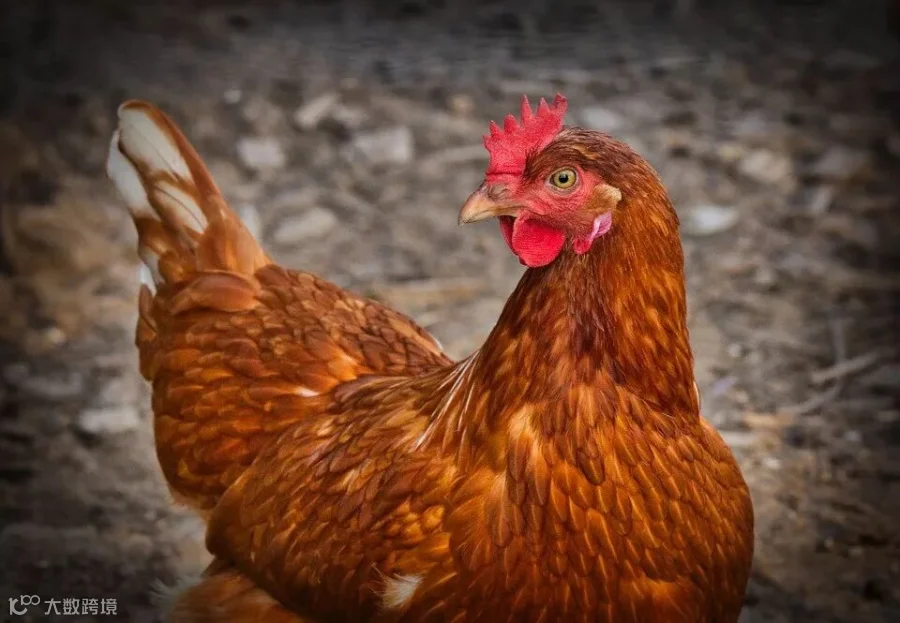
We were given a rare taste and the results were impressive. The skin was crisp and the meat flavour some although its internal texture was slightly softer than you would expect from a nugget at, say, McDonalds or KFC.
肉的口感很独特,令人回味无穷。鸡块的肉质比麦当劳或肯德基的鸡块肉质要略微柔软,但它的外皮很脆,味道也很鲜美。
The chicken - which tasted like chicken - was still alive, reportedly roaming on a farm not far from the laboratory.
这块“鸡肉”吃起来与寻常鸡肉无异,而提供这块肉的鸡,现在还活着,据说在离实验室不远的农场里漫步。
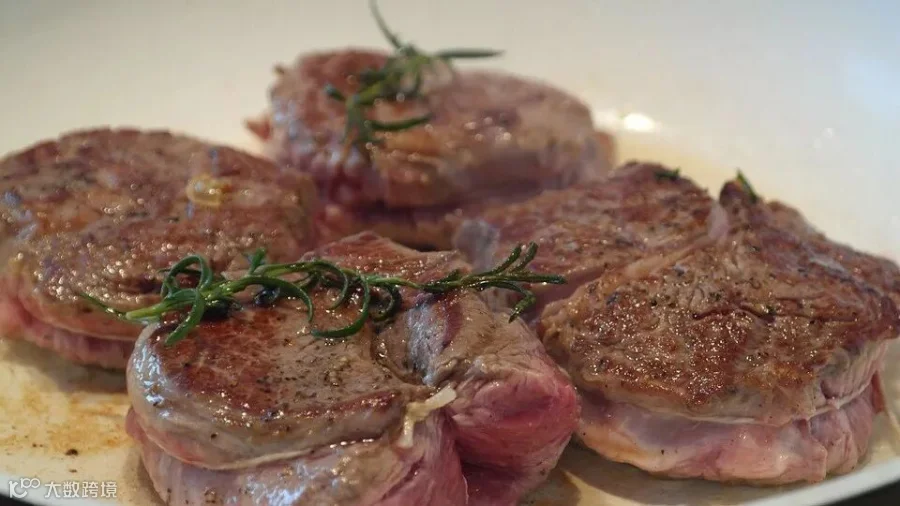
This meat is not to be confused with the vegetarian plant-based burgers and other meat-substitute products which are gaining popularity in supermarkets. No, this is actual meat grown from animal cells and variously described as cultured, synthetic, in-vitro, lab-grown or even "clean" meat.
别把这种肉与在超市中越来越受欢迎的素食植物汉堡和其他肉类替代产品相混淆。不,这是用动物细胞培养出的真正的肉,并且被描述为培养的、合成的、体外的、实验室生长的或甚至是“干净”的肉。
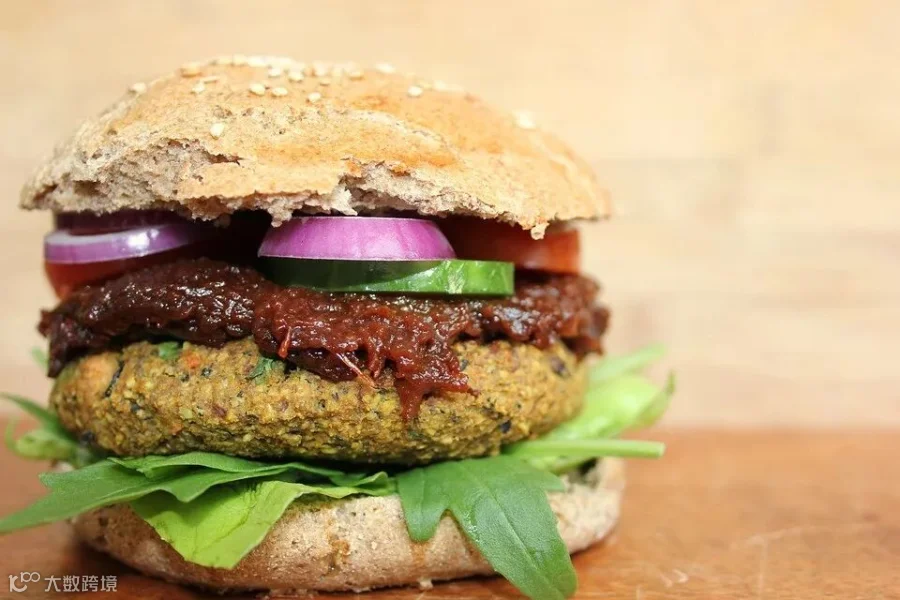
素食汉堡
It takes about two days to produce a chicken nugget in a small bioreactor, using a protein to encourage the cells to multiply, some type of scaffold to give structure to the product and a culture, or growth, medium to feed the meat as it develops.
生产这种鸡块大约需要在小型生物反应器中花两天时间,使用蛋白质来促进细胞繁殖,由某种类型的支架为产品提供结构,通过培养物或生长培养基给肉的生长提供养料。
The result is not yet commercially available anywhere on earth but Just's chief executive Josh Tetrick says it will be on the menu in a handful of restaurants by the end of this year.
该成果暂时还没有进行商业化推广,但是Just的董事长乔希•蒂特里克(Josh Tetrick)说,到今年年底,这种肉会出现在一小部分餐厅的菜单上。
"We make things like eggs or ice cream or butter out of plants and we make meat just out of meat. You just don't need to kill the animal," Tetrick says.
“我们用植物制作鸡蛋、冰淇淋、黄油等食物,但在肉上,我们只用肉做肉,没有动物需要为此牺牲。“蒂特里克说。
为何研发“细胞肉“?
Tetrick and other entrepreneurs working on cellular meat say they want to stop the slaughter of animals and protect the environment from the degradation of industrial factory farming.
蒂特里克和其他致力于细胞肉研究的企业家表示,他们希望停止人们对动物的屠宰并保护环境免受工业化工厂养殖带来的影响。
They say they are solving the problem of how to feed a crowded earth without destroying the planet, pointing out that their meat is not genetically-modified and does not require antibiotics to grow.
他们正在尝试如何在不破坏环境的前提下解决人口温饱的问题,并指出他们研制的肉是非转基因,且无需依靠抗生素生长。
The United Nations says raising animals for food is one of the major causes of global warming and air and water pollution. Even as the conventional livestock industry strives to become more efficient and environmentally friendly, many doubt it will be able to keep up with the rising global appetite for protein.
联合国表示,以饲养动物为食是引起全球气候变暖、空气污染和水污染的主要原因之一。尽管传统畜牧业努力提高效率、减少对环境的破坏,仍有许多人质疑这是否能跟上全球对蛋白质日益增长的需求的步伐。
We slaughter 70 billion animals each year to feed seven billion people, says Dr Uma Valeti, a cardiologist who founded California-based Memphis Meats, a leading cell-based meat company.
心脏病专家乌玛•瓦莱蒂(UmaValeti)博士说:“人类每年屠宰700亿只动物,为70亿人提供食物。” 瓦莱蒂博士创立了一家在业内领先的细胞肉类公司,孟菲斯肉品(Memphis Meats),该公司总部位于加州。
He says the global demand for meat is doubling as more people rise out of poverty and that humanity won't be able to raise enough cattle and chicken to sate the appetite of nine billion people by 2050.
他表示,随着越来越多的人摆脱了贫困,全球对肉类的需求正以两倍速增长。到2050年,人类将无法养活足够的牛和鸡来满足90亿人的胃口。
"So we could just literally grow any meat, poultry or seafood directly from those animal cells," Dr Valetisays. "I think that is probably much bigger than sliced bread."
“所以我们真的就可以直接拿那些动物的细胞种出各种肉来,不管是家禽类的还是海鲜类的,”瓦莱蒂博士说,“我认为那可能成为比切片面包更伟大的发明。”
Many Americans say they are eating less meat but US Department of Agriculture (USDA) figures suggest the average consumer will still consume more than 222lbs (100kg) of red meat and poultry this year - about 20lb more than they ate in the 1970s.
很多美国人说他们在减少食肉量了,但是美国农业部(USDA)的数据表明,今年平均每名消费者还会多消耗222磅(100千克)的牛羊肉和禽肉——大概每人每年比在70年代多吃20磅。
“细胞肉”何时能走上餐桌?
The pioneer of cellular agriculture is Dutch scientist Mark Post. His first lab-grown hamburger, grilled in 2013, cost$300,000 (£228,000).
细胞农业的先锋是荷兰科学家马克•博斯特(Mark Post)。他在2013年烤制了他在实验室种出的第一个汉堡包,成本高达30万美金(22万8千英镑)。
No company has yet scaled-up production to serve a cell-based patty commercially but Post estimates that if he started mass producing his burgers, he could get the cost of making them down to about $10 each. "That's of course still way too high," he said.
目前在商业上还没有公司实施细胞肉饼的规模化生产,但是博斯特预计,如果他开始大量生产这种汉堡,他能将每个汉堡的耗资降到10美元。“当然,这还是太贵。”他说。
If Just does manage to produce enough chicken nuggets to sell this year, it is unlikely to be in an American restaurant as the US government is still deciding how to proceed.
就算Just 公司今年真的生产出了足够的鸡块来卖,它们进入美国餐馆的几率也不大,因为美国政府还在斟酌中。
Most food in the US is regulated by the Food and Drug Administration (FDA). But some - mostly conventionally raised meat - is regulated by the USDA. So if you're buying a frozen pizza in the US, the USDA handles the pepperoni version and the FDA handles the cheese.
美国大多数食物都由食品及药物监管局(FDA)管理,除了一些传统饲养的肉类由美国农业部(USDA)管理。所以如果你要在美国买速冻披萨,意大利辣肠味的由农业部负责,芝士味的则由食品及药物管理局来负责。
"There are a number of countries in Asia and Europe that we're talking to," Tetrick says. "There's a lack of clarity" about regulations in the US while the USDA and FDA hold public hearings, he explains.
蒂特里克说:“我们正在跟亚洲和欧洲的一些国家洽谈合作。”他解释道,在美国农业部和食品及药物管理局举行公众听证会期间,美国的管理规章还有些“含糊不清”。
"I think countries want to take the lead in this. Whether it's food scarcity, whether it's sustainability issues or they just want to build an entirely new economy, they want to take the lead in doing this," Tetrick said.
蒂特里克说:“我认为一些国家想要在这方面起带头作用。不管是解决粮食短缺还是可持续问题,亦或是他们只是想建立全新的经济模式,他们都想通过这样做带头行动。”
The eventual aim is to move cellular meat out of the laboratory and into large manufacturing plants.
该公司的最终目标是让“细胞肉”走出实验室,进入工厂大规模制造阶段。
“细胞肉”受到投资青睐
There are now dozens of companies working in the field and they're attracting venture capitalist investment from across Silicon Valley and beyond. Billionaires Bill Gates and Richard Branson are among those who have ploughed money into the technology.
现在,有几十家公司正在进行该领域的研究,它们也吸引了来自硅谷及其他地区的风险投资人的资本。亿万富豪比尔盖茨和维珍公司创始人理查德•布兰森就身处其列,他们在这项技术上已投入大量资金。
The product also has a more surprising benefactor in Tyson Foods, which has invested an undisclosed amount in Memphis Meats.
更令人惊讶的是,泰森食品公司(Tyson Foods)也对“细胞肉”进行了投资,它对孟菲斯肉品的投资金额尚未披露。
Tyson is the biggest meat processor in the US, processing around 424,000 pigs, 130,000 cows and 35 million chickens everyweek. So why is it investing in cellular meat?
泰森公司是美国最大的肉类加工商,它每周都要加工处理约42万4000头猪,13万头牛和3500万只鸡。为什么这样一家公司会投资“细胞肉”呢?
The firm decided "to shift from being a meat company to a protein company," said Tom Mastrobuoni, chief financial officer for Tyson's venture capital arm, Tyson Ventures.
泰森公司风险投资部门首席财务官Tom Mastrobuoni表示,公司已决定“由一家提供肉制品的公司转型为一家提供蛋白质的公司”。
"We've made the conscious decision that we're going to be the biggest protein company," he added.
“我们已有意识地作出决定,要成为最大的提供蛋白质公司。”他补充道。
传统农业将受冲击
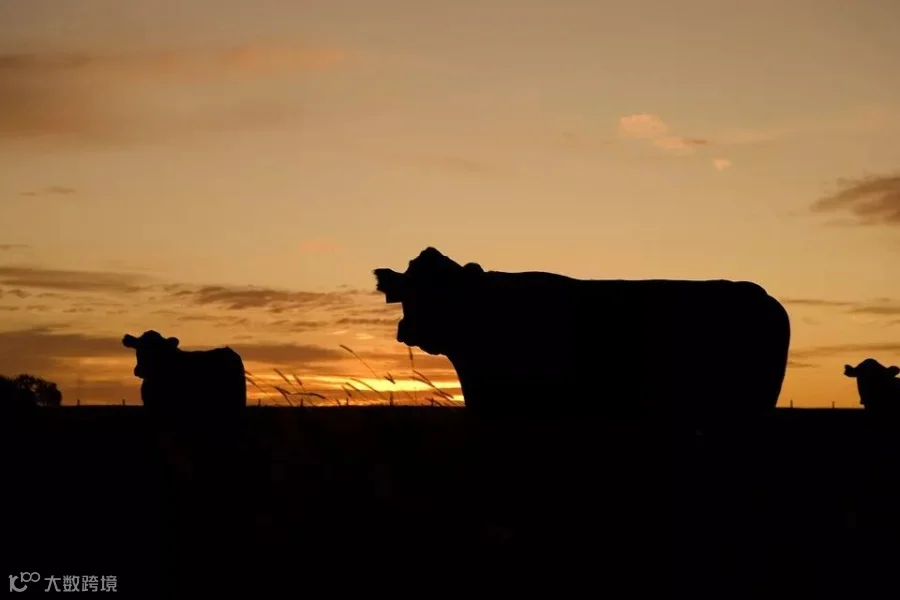
The cutting edge technology of Silicon Valley may be synonymous with the free wheeling, entrepreneurial spirit of the United States but this is still a country where tradition runs deep.
尽管硅谷的这项尖端技术与美国自由的创业精神相互契合,但在这个国家,传统观念依然根深蒂固。
The Cattlemen's Association has a powerful lobby and there's arguably no symbol more revered or romanticised in the nation's history than the cowboy.
美国牛仔协会(The Cattlemen's Association)就有一个强大的游说团体,可以说,在这个国家的历史上,可以说没有比牛仔更受尊敬或被浪漫化的象征了。
And so the ranchers of the mid-west are stepping into the debate about how this new product will be marketed - as cleanmeat, cellular meat, slaughter-free meat, ethical protein, or just meat?
因此,这一新生的“细胞制肉”技术引发了美国中西部的农场主的争论:新制产品该以什么概念进入市场销售?——是叫“无菌培养肉类”、“细胞繁殖肉类”、“免屠宰肉类”、“伦理合法肉类”,还是只笼统地称它是“肉”?
On their ranch in the Ozarks, a mountainous region extending from Missouri into Arkansas, Kalena and Billy Bruce are feeding their herd of black Angus cattle, helped by their four-year-old daughter Willa.
从密苏里州延伸到阿肯色州的奥索卡山脉上,有一家农场,农场工人卡莲娜和比利•布鲁斯和他们四岁的女儿正在给他们的黑安格斯牛群喂食。
"I think it needs to be labelled accordingly - a lab-produced protein," says Billy Bruce. "When I think of meat I think of what's standing behind us, a live breathing animal," he adds.
“我认为这种新制肉类产品应该相应地标出”实验室人造蛋白质”,比利•布鲁斯说。“因为按常理,我平时听到‘肉’就会自然而然地联想到鲜活真实存在的动物,但是这种新制产品却并不是这样的。”
The state of Missouri agrees. At the urging of farmers, the legislature has decreed that meat labels may only be applied to the product of livestock. It is a hint of the disruption which traditional agriculture feels could be on the way.
密苏里州同意这一看法。在农场主的要求下,立法机关随即颁布一项法令:肉类标签只能用于家畜产品。在某种程度上,这暗示了传统农业感受到了即将面临新技术的冲击。
"From a transparency standpoint for consumers, so that they know what they're purchasing and what they're feeding their families, we think that it needs to be called something different, "says Kalena Bruce.
凯莉•布鲁斯说到:“根据消费者信息透明原则,他们有权获悉自己到底在消费什么产品、给自己的家人们吃什么。因此,我们认为很有必要把这些新制肉类产品注明清楚。”
Lia Biondo, the director of policy and outreach with the US Cattlemen's association, based in Washington, DC, says she expects the Missouri law could be replicated in other states.
总部在华盛顿的美国牧场主协会的政策和外联部主任莉亚•比翁多称,她很希望密苏里州的这项法令也可以被其他州采纳实施。
"We will let those companies decide what to call their products just as long as they don't call it beef or meat," says Biondo.
“我们会允许那些公司自己决定新产品的名称,当然,只要不叫‘牛肉’或者‘肉’就好了,”比翁多表示。
But in any case, will anyone actually eat it, especially here in cattle country?
但是,如果这些新制产品真的标出肉类来源的话,在这个盛产牛肉的国家,真的还会有人去消费这些新制肉类吗?
消费者是否愿意买单
Diners at Lamberts, a traditional Midwest restaurant in Ozark, Missouri, are going to take some convincing.
坐落于密苏里州奥索卡山脉附近的Lamberts,是一家正宗中西部特色饭店,在这里用餐的客人还不能信服细胞肉这种新概念。
"Meat oughta be growed on a farm, out in the fields," declares Jerry Kimrey, a construction worker from Lebanon, Missouri.
一位来自密苏里州黎巴嫩的建筑工人杰里•金里表示:“肉类就应该被养殖在农场的田野里”。
Teacher Ashley Pospisil, also from Lebanon, says she would prefer not to eat cell-based meat. "I like to know where it came from and that it's natural and not processed from a lab," she says.
同样来自黎巴嫩的阿什莉•波斯皮西尔老师说,她不喜欢食用细胞肉制品。她说:“我想了解它是从哪里来的,我希望它是天然的,不是实验室加工出来的”。
Linda Hilburn, who is tucking into a (cow) steak before heading home to Guthrie, Oklahoma agrees. "I kind of like it having four feet in the beginning," she says.
琳达•希尔伯恩也同意这一观点,她正在吃一块牛排,随后将回到俄克拉荷马州的格斯里。“我还是喜欢吃四条腿的真正的牛身上的肉”她说。
"There's just something about man's creation that scares me. We've created havoc here. I kind of like the idea of God's creation."
“有些人类创造的东西让我害怕。我们在这里制造了混乱。我还是喜欢上帝的创造。”
While Ms Hilburn is far from alone in feeling squeamish about the idea of "Frankenstein food" as critics have labelled it, Josh Tetrick insists that cell-based meat is entirely free from the many animal diseases which plague traditional meat production.
有些批评者称细胞肉为“弗兰肯斯坦怪物食物”(Frankenstein food)。不只希尔伯恩女士一个人对这种概念感到不安。但乔希•蒂特里克坚持认为,以细胞为基础的肉类完全没有那些困扰传统肉类生产的动物疾病。
And he is betting on human experience favouring progress.
他打赌,人类还是喜欢创新进步。
"At the end of the day whether you're talking about a move from picking ice to refrigerator or from slaughtering a whale to refining oil into kerosene and moving from kerosene to a light bulb...even though people called the light bulb the Devil's current... humanity managed to embrace something new.
“在一天结束的时候,不管你是在谈论从采集冰块到冰箱,还是从屠杀鲸鱼到将石油提炼成煤油,再从煤油变成灯泡……”尽管人们把电灯泡称为魔鬼电流……人们终究会接受一些新的东西。
"It always happens and if I had to bet it'll happen for this too."
“历来如此。如果要打赌的话,我打赌这次也是一样。”
◆ ◆ ◆ ◆ ◆
编译人员 | 刘与晨 产雨欣 张进宁 刘可圆 李昕瑞 徐炜
指导老师 | 刘佳
新闻来源 | BBC News
图片来源 | Pixabay