



男人为啥会出轨?
这个问题讨论的人很多,但没有什么确切的答案,
毕竟,人心难测。
但最近有研究显示,一个男人是否容易出轨,
其实看脸型就能判断一二。
Cheating men's face shapes can give it away, study suggests
研究表明看脸可以识别渣男
Experts find men with more ‘masculine’ faces more likely to seem, and be, unfaithful
专家发现面容更具"阳刚特质"的男性看起来更容易不忠
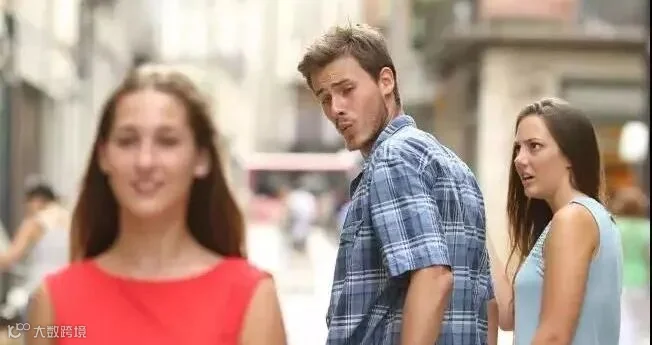
Philandering men have unfaithfulness written all over their faces, according to research that suggests men and women are able to spot cheating chaps just by looking at them.
据研究表明,拈花惹草的男人们在他们脸上写满了不忠,男性和女性只要看着这些家伙们的脸就能辨认出他们是否会出轨。
Experts found men with more “masculine” faces were more likely to be thought to be unfaithful, and such men also self-reported more cheating or “poaching” of other men’s partners.
专家发现面容更具"阳刚特质"的男性更容易被认为是不忠诚的,而这种男性自己也承认会更多地背叛爱人或勾引其他人。
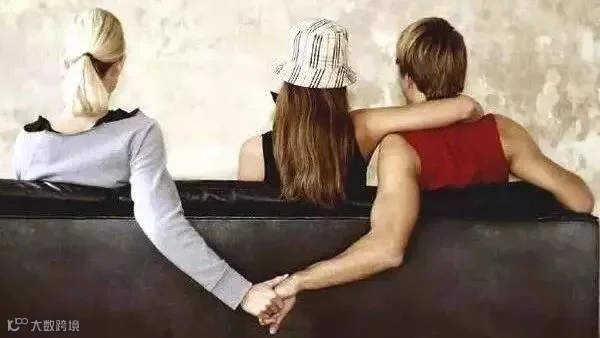
However, they stressed the results were modest, and said people should be wary of deciding whether someone is a love rat based on impressions of facial features alone.
不过,专家们强调这项结果不是那么重要,并提醒人们在仅仅依靠对面部特征的印象来判断一个人是不是花心大萝卜时需要谨慎。
The team said being suspicious of men with masculine features – such as a strong browridge, strong jaw and thinner lips – might have offered an evolutionary advantage, allowing heterosexual women to spot a flaky partner and men to recognise a potential rival who might seduce their partner or leave them raising someone else’s child.
这个研究团队称,对有阳刚特征的男性(比如有高耸的眉峰,结实的下颚和偏薄的嘴唇)保持警惕可能会是一种进化式的好处,能够让异性恋的女性辨别出不可靠的伴侣,也让男性辨别出可能勾引他们伴侣甚至让他们伴侣怀孕的潜在竞争对手。
Previous research has suggested women are able to spot unfaithful men from their mugshot, with the masculinity of the man’s face a key factor in the judgment, while weaker effects have been found for men weighing up images of women. However, it was unclear whether people could also spot a philanderer of the same sex.
先前的研究表明女性可以从面部照片中辨别出不忠的男性,男性脸上的阳刚之气是进行判断的关键因素,而男性对女性形象的判断效果较弱。然而,人们是否也能从同性中辨认出拈花惹草者还不清楚。




Writing in the journal Royal Society Open Science, researchers described how they asked heterosexual white participants to judge the facial features of 189 white adults who had been photographed and taken part in previous research. Overall, 293 men and 472 women rated pictures of women, while 299 men and 452 women judged images of men, rating on a scale of one to 10 how likely they thought each person was to be unfaithful.
在《英国皇家开放科学》杂志上,研究人员描述了他们如何让异性恋白人参与者来判断189个成年白人的面部特征,这些成年白人拍了照片并加入先前的研究。一共有293位男性和472位女性对女性照片进行了判断,299位男性和452位女性对男性照片进行了判断,他们按1到10级来评估照片里每个人的忠诚度。
Those in the pictures had previously reported the extent of any cheating and whether they had “poached” a partner from someone else. Their photos had already been rated for attractiveness, untrustworthiness and how masculine or feminine they appeared.
那些照片上的人在此前已报告了背叛情况以及他们是否“偷”过别人的伴侣。这些照片已经按吸引力、不可信度和阳刚气质或柔美气质的程度进行过评估了。
The results showed men and women as a whole gave higher scores of unfaithfulness to the images of men who had self-reported more cheating or poaching.
研究结果显示,那些自己承认有更多背叛或“劈腿”行为的男性,他们的形象都被参与者们,无论男女,给予了更高的、代表不忠的分数。
“Therefore, perceived unfaithfulness may indeed contain some kernel of trust in male faces,” the authors said. However, there was no such effect for the images of women.
论文作者说:“因此,被认为不忠的男性可能确实会在相貌上表现出一些特征。”然而,女性的照片并未产生这样的效果。
When the team examined what about the men’s faces might have offered clues to their unfaithfulness, they found the standout feature was how masculine the face appeared. Further analysis confirmed facial masculinity was linked to self-reported unfaithfulness, although it did not completely predict it.
当团队研究男性的面部特征会为他们的不忠提供怎样的线索时,他们发现这在于他们面部特征的阳刚程度。进一步的分析证实,面部的阳刚程度与参与者自曝的花心程度有关,尽管这并不能完全用来推测男人花心与否。
However the team stressed many other factors are linked to whether someone is unfaithful. “The actual unfaithfulness varies in our sample of faces, and 4-8% of this variation is accounted for by the average perceived unfaithfulness of those faces,” said Dr Yong Zhi Foo, the first author of the research from the University of Western Australia.
然而,研究小组强调,许多其他因素都和一个人的忠诚度有关。该研究的第一作者、西澳大利亚大学的Yong Zhi Foo博士说:“在我们的面部样本中,实际的不忠程度各不相同,其中4-8%的不同是由这些面部不忠程度的平均感知造成的。”

The team said they were surprised that participants only saw cheating and poaching of partners in the face of men, and suggested it could be down to a number of factors, including women being less prone to cheating than men, or that women’s use of cosmetics masks links between facial features and behaviours.
研究团队表示他们非常惊讶地发现,参与者们只能从面部看出容易劈腿的男性。这可能归根于很多因素,包括男性比女性更易出轨,或者女性化妆品的使用影响了面部特征和行为之间的联系。
They said further experiments with a wider range of photographed participants – including older people who might have had more time to be unfaithful – were necessary.
他们表示有必要对更多拍了照的参与者进行进一步的实验,包括那些在人生历程中可能有更多出轨行为的老年人。



Dr Kristen Knowles, an evolutionary psychologist from Queen Margaret University in Edinburgh, who was not involved in the study, said it was interesting the research made a clear connection between perceptions of infidelity and actual infidelity.
Kristen Knowles博士是爱丁堡玛格丽特女王大学的进化心理学家,虽然她没有参与这项研究,但她说,这项研究很有趣,因为它明确不忠的感知和实际不忠之间的联系。
She said the results may only be seen in men as women may be less likely to self-report they have cheated on a partner or poached someone else’s.
她说,这一结果可能只出现在男性身上的原因是,女性更不愿意承认自己欺骗过伴侣或劈腿过别人。
But Knowles stressed it should not be assumed that men with masculine faces were likely to be unfaithful. “We should be aware that these behaviours are incredibly complex, and are likely to be influenced by many factors, including social and cultural effects, personality, genetics and life experiences,” she said.
但是Knowles强调,我们不应该认定长着阳刚面孔的男性更可能不忠。她说:“我们应该意识到,这些行为极其复杂,而且可能受到许多因素的影响,包括社会和文化效应、性格、基因和生活经历。”


编译|王姝 陈宇帆 戴乐彤
排版|王姝
指导老师|刘佳
来源|The Guardian