

本文中英文共约2500字
阅读需要10分钟
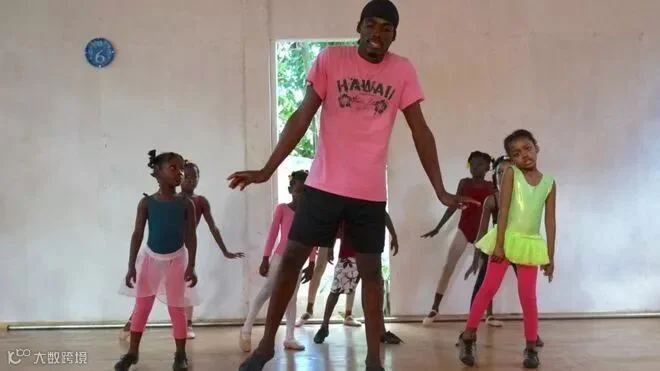
Spirits are high as the young dancers mimic the moves of their lithe-limbed teacher. At this dance school with a difference, shaded by towering mango trees and tucked away from the frenzy of Cap-Haitien in northern Haiti, children are learning the steps for a forthcoming performance of the Lion King.
小朋友们兴致高昂地模仿着老师那柔美飘逸的舞姿。这家舞蹈学校与众不同,它有高大芒果树为其遮荫,也远离北方海地城市海地角的狂乱。小朋友们正在学着舞蹈动作,为即将上演的狮子王做准备。
The high concrete surrounds and bolted metal gates are a grim reminder of the perils which lurk outside in the overcrowded city. But within these walls only kinship and ambition abound.
高大的钢筋水泥建筑环绕在这座学校周围,而上了锁的金属大门暗示出危险潜藏在这座过于拥挤的城市中。但在这些围墙内部,是充满了亲切和睦与青涩理想的另一番天地。


这是一所什么样的学校?
An oasis for the disadvantaged and the displaced, Dance to Save Lives (DTSL) was set up in 2012 with the aim of giving needy children a skill, along with a sense of purpose and, in some cases, a roof.
DTSL这家机构成立于2012年,是贫困流离之人的沙漠绿洲。它的目的是教给贫困孩子们一项技能、一种目的意识以及,在某种情况下,一个避风港。
With 60% of the population living on around $2 (£1.56) a day, Haiti is the poorest nation in the Americas, a plight exacerbated by high inflation and endemic corruption.
这个国家有60%的人每天只有大概2美元(1.56英镑)来维持生计。海地是美洲最贫穷国家,而它的困境,又因为过度的通货膨胀以及随处可见的破产而不断加剧。
Over the past seven years, the school's founder Dieufel Lamisere has worked with scores of promising youngsters from across the country
, including some uprooted by the 2010 earthquake and others controversially deported from neighbouring Dominican Republic.
过去7年间,学校建立者Dieufel Lamisere与许多前途光明的年轻人一起工作着。他们来自全国各地,一些人来自2010年大地震之后变成废墟的地方,另一些被邻国多美尼加驱逐出境。
In addition to dance lessons and the associated clothes and shoes, the donation-dependent project also pays for the children to attend school.
除了舞蹈课、舞蹈服装和舞蹈鞋之外,这个基于捐款而成立的项目也负担着小朋友们上学的费用。


关于创始人
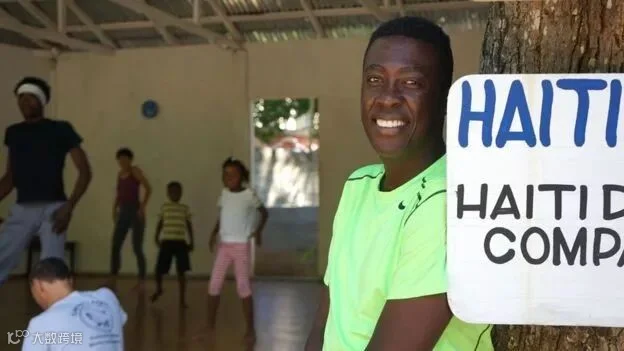
"I was born loving dance," Mr Lamisere told the BBC. "But I was stigmatised because many people in our culture think boys shouldn't dance. My mother would tell me dancing was for gay people and that I'd disgraced the family."
“我生来就热爱舞蹈,” Lamisere告诉BBC,“但我被污名化了,因为在我们的文化中,很多人认为男孩不应该跳舞。我妈妈告诉我只有同性恋才会跳舞,我让家里蒙羞了。”
It was during eight years living in the US that Mr Lamisere, now 42, launched the Haitian Dance Company, incorporating both contemporary and traditional styles which proved popular with international audiences. In 2008 he moved back home to share what he had learned with his compatriots.
现年42岁的Lamisere在美国生活了8年,并创办了这家海地舞蹈公司。这家公司融合了现代和传统风格,受到了国际观众的欢迎。2008年,他搬回家与他的同胞们分享他所学到的东西。
But upon arrival in the holiday hotspot of Jacmel, he was shocked by the number of kids roaming the streets alone and often, he says, falling prey to sex tourists. "I decided I needed to do something to keep these girls and boys busy," he said.
但当他抵达度假胜地雅克梅尔时,他被独自在街上游荡的孩子的数量震惊了,他说,这些孩子经常成为性游客的猎物。“我决定做些什么来让这些男孩和女孩们不再无所事事。”他说。
"That's when the idea for Dance to Save Lives came to me. I started making flyers for free classes. The first priority is to save lives through education. The second is to give kids from poor neighbourhoods more opportunities."
“就在那时,我萌生了创建DTSL的想法。我开始为免费课程制作传单。首要目标是通过教育拯救生命。其次是为了给贫困地区的孩子更多的机会。”


教什么舞蹈?
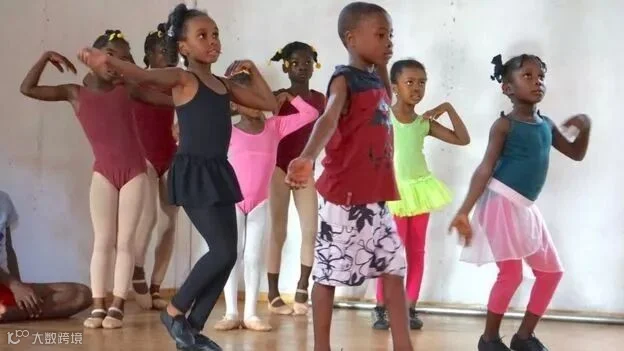
Themes from Africa, where most Haitian people's ancestors came from, are embedded in modern culture across the Americas, and Haiti is no exception.
大多数海地人的祖先来自非洲,而非洲的主题融入了美洲的现代文化,因此海地也不例外。
"We brought our dancing with us from Africa and it's important to keep it going," Mr Lamisere said. "Our culture is everything we are; the way we eat, speak, dress."
“我们从非洲带来了我们的舞蹈,把它继续传承下去是很重要的。” Lamisere表示,“我们的文化就是我们所生活的一切:我们吃饭、说话、穿衣的方式。”
One enduring feature of Haitians' African roots is manifested in the syncretic and often misinterpreted religion of voodoo, characterised by a belief in multiple spirits and ceremonies incorporating dance and song.
海地人的非洲根源有一个持久的特点,那就是对巫毒教的融合,这是一个经常被误解的宗教,其特征是信仰多种神灵和结合舞蹈和歌曲的仪式。
IBO is a dance that represents freedom in tribute to the country's status as the world's first black republic, independent since 1804. Its movements emulate breaking out of the chains of slavery.
IBO是一种代表自由的舞蹈,向这个国家作为在1804年世界上第一个黑人共和国的地位致敬。它的舞蹈动作模拟奴隶摆脱奴隶制枷锁。
The vibrant traits, exhilarating drums and costumes appeal to the school's students who are currently aged five to 11 and attend daily sessions.
充满活力的特性,振奋人心的鼓点和服装吸引了年龄在5至11岁的学生,他们每天都来参加舞蹈课。


一些发展,一些关爱
The project also provides an avenue for taking Haiti's rich traditions beyond its shores; DTSL is collaborating with dance groups in the US, Brazil, Turks & Caicos and Dominican Republic and Mr Lamisere hopes to expand this further.
该项目还为将海地丰富的传统带到海外提供了一条途径;DTSL正在与美国、巴西、特克斯凯科斯群岛和多米尼加的舞蹈团合作,Lamisere希望进一步扩大这一范围。
After almost three decades in the industry, Mr Lamisere has a knack for spotting potential.
在这个行业工作了近30年后,Lamisere早已掌握发现他人潜力的本事。
"Most of the kids I am working with now are from the poorer suburbs of Cap-Haitien but have a special talent," he said. "The school gives them the opportunity to do what they love. And what is better for them, to be out in the city stealing, killing or prostituting, or being here learning something?"
他说:“现在和我一起工作的大多数孩子都来自Cap-Haitien贫穷的郊区,但他们有着特殊的天赋。”学校给了他们做喜欢的事的机会。到城里去偷窃、杀人、卖淫还是在这里学点东西,哪样更好呢?”
Keeping children off the streets is one thing, but the ultimate goal is to train the youngsters to become professional performers, choreographers and tutors. Mr Lamisere's most cherished protégé is 22-year-old James Joseph, who joined the group at the age of 16 and has since been adopted by Mr Lamisere as his son.
让孩子们远离街头是一回事,但最终的目标是训练他们成为专业演员、舞蹈指导和导师。Lamisere最珍爱的学生是22岁的James Joseph。Joseph 16岁时加入了该组织,后来被Lamisere收养为儿子。
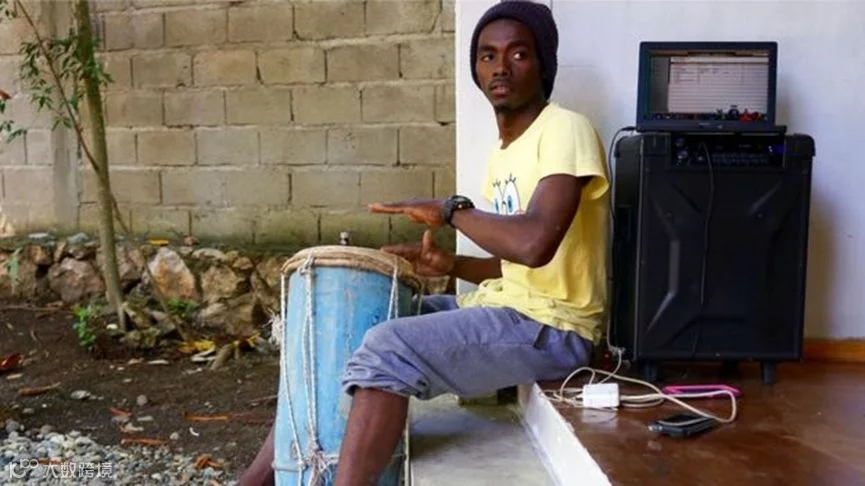
"Dancing was something new for me then. I have made a lot of progress and hope to make a future from it," said Mr Joseph, who is now working as a DTSL teacher himself.
Joseph目前已经是DTSL的一名老师了。他说:“那时跳舞对我来说是一件新鲜事。我已经取得了很大的进步,我希望能从中收获未来。”
"I feel good helping other children in the same way Dieufel helped me. It's great watching them progress, especially when you've spent time teaching them steps and then you see them do it exactly the way you taught them," he said
“用Lamisere帮助我的方式来帮助其他孩子,我感觉很好。看着他们进步是一件很棒的事,尤其是当你花费心思教他们学习舞步,看着他们能够按照你教的样子照做的时候。”他说。
Asked what he thinks life might have been like for him without DTSL, Mr Joseph hesitated, then he said, "I would not be doing what I'm doing now; maybe I would be in jail or worse."
当被问及如果没有DTSL,他的生活会是什么样时,Joseph犹豫了一下,然后他说:“我不会做我现在做的事;也许我会进监狱,甚至更糟。”
For Mr Lamisere, the school also offers the children a sense of home. "I do my best to make sure the kids' time with us is comfortable, enjoyable and happy," he said. "Some come because they love to dance and want to one day become a professional. Some are just looking for love."
对于Lamisere来说,学校也给孩子们一种家的感觉。“我尽我最大的努力确保孩子们和我们在一起的时间是舒适的,愉快的,快乐的,”他说。“有些人来是因为他们喜欢跳舞,希望有一天能成为一名专业人士。有的只是来寻求关爱。”

来源:BBC新闻
编译:戴乐彤 刘可圆 谢伊雯 周盈
排版:戴乐彤
指导老师:刘佳