


编者按
众所周知,印度拥有一个发展的相当快的网络约会市场。但数据显示,大多数印度年轻人仍然更倾向于通过传统的媒人牵线搭桥,寻找自己的伴侣。这究竟是为什么呢?
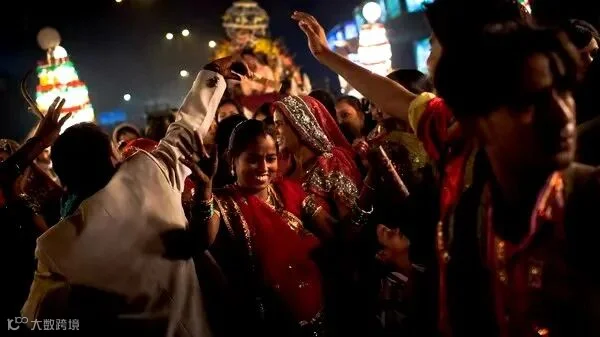
"Are you single?"
If you’re a resident of India and above 25 years of age, chances are that you will be accosted with this question. It could be by a family member, a neighbor, or even a complete stranger. Hazard a “yes” to that query and these individuals can move mountains to ensure that status changes.
如果你是个超过25岁的印度人,那么你极有可能会深受困扰:家人、邻居、甚至是陌生人都会问你这个问题。假如你随口回答“是的”,这些人将使出浑身解数来帮你摆脱单身狗的现状。
In Indian culture, parents tend to feel obliged to find suitors for their children. Some seek suitable matches within extended families, while others spread the word in their professional networks. Many reach out to professional matchmakers—individuals or agencies who facilitate marital union between INR 1,000 to anything above INR 100,000 (USD 13 to over USD 1,300).
在印度文化中,父母们觉得自己有义务为孩子寻找称心如意的伴侣。一些人在家族里寻找合适的婚配对象,另一些人则利用专门的网站来征婚。大部分人都接触过职业媒人,人们需花费1000到100000卢比(13到1300美元)甚至更高的价格来请他们做媒。
The job doesn’t require professional qualifications, but it necessitates them to set off a complex process of meet-cutes (with families first, of course), background checks, negotiations, counselling, and, sometimes, private investigations. "It’s like social service," Neelam Pathak, a New Delhi-based septuagenarian who has been a matchmaker since the age of 20 years, said. "We’re not just professionals. We do it for the happiness of both the families involved. It’s very personal, and we are not in it for just money."
这个职业并不需要专业资格,但其过程却相当复杂。媒人先要安排双方会面(当然要先见家长),了解一下家庭背景、做一些协商咨询,有时还会私底下进行调查。来自新德里的七旬老人Neelam Pathak说道:"这就和做社工差不多。"他20岁开始就当起了媒人, "我们没有把它仅视作一个职业,更多时候,我们所做是为了两个家庭的幸福。这和个人福祉密切相关,我们做媒并不只是为了赚钱。"
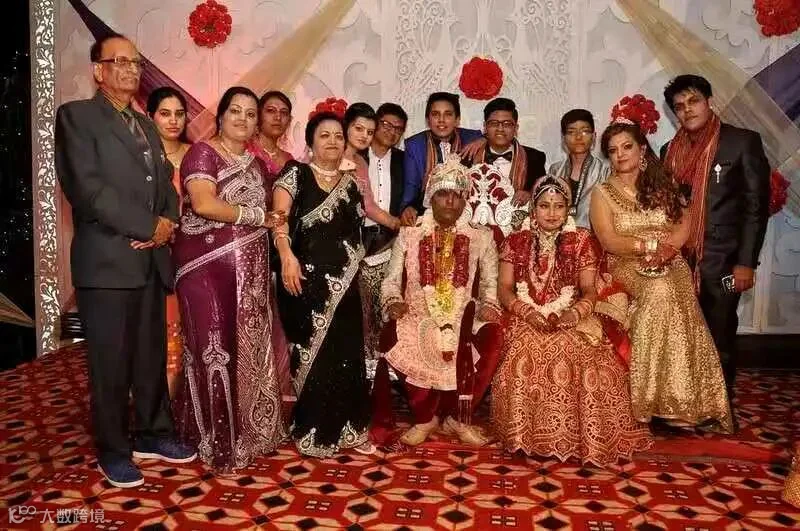
Neelam Pathak(身穿黑色莎莉)和她撮合的新人
今年早些时候,网飞一档名为《印度媒婆》的节目引发了极大的争议,吸引了国际社会的广泛关注,人们都想借此一窥印度包办婚姻的古老传统。
“Matchmakers are unusual for many, especially non-Indians, because India has taken huge strides and the youth has been given autonomy to make their own decisions vis-a-vis education and career choices,” Amita Nigam Sahaya, author of “The Shaadi Story: Behind the Scenes of the Big Fat Indian Wedding” said. “Young people broke away from years of traditional thinking, especially after the economic liberalisation of 1990. And yet, when it comes to what we see as the most important decision of our lives, of choosing a partner, they hand over the decision to their parents.”
“对许多人,尤其是非印度人来说,包办婚姻很奇怪。现在印度社会已经取得了长足的进步,年轻人可以自主地决定教育和职业选择,”《沙迪故事:揭秘印度盛大婚礼背后》一书作者Amita Nigam Sahaya说道,“年轻人打破了固有的传统思维,特别是在1990年经济自由化之后。然而,当谈及人生中最重要的抉择之一——选择伴侣时,他们仍会让父母来帮他们抉择。”
“It’s a hugely puzzling scenario,” she said.
她感叹道:“这点真的让人想不明白。”
A recent survey found that 60 percent of young Indians accept arranged marriages, and 81 percent are happy to stay in a joint family after marriage. Matchmakers do not find this recent interest unusual. Pathak, who runs one of the oldest matchmaking companies in India’s capital city, said: “Despite the popularity of online dating and matrimonial services, matchmaking is far from being outdated.”
最近一项调查显示,60%的印度年轻人接受包办婚姻,81%的印度人乐于在婚后和另一半共同生活。媒人们并不觉得这种趋势很奇怪。Pathak——在新德里经营着一家古老的婚宴中介,说:“尽管如今线上的约会和婚姻服务很流行,但保媒拉线远未过时。”
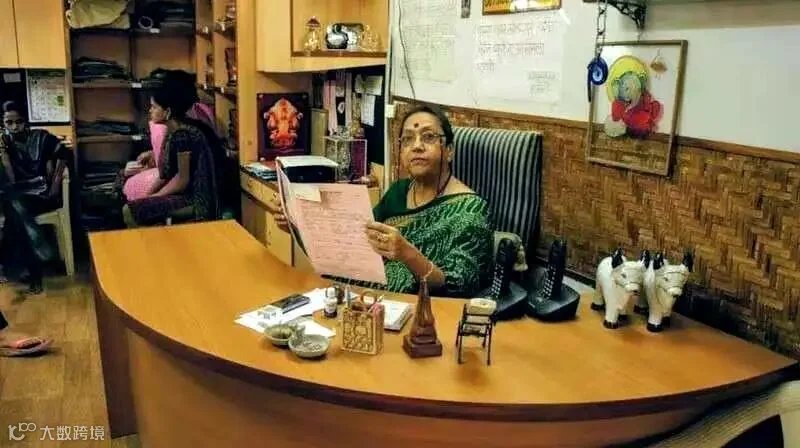
媒人Dange坚信印度婚介永远不会过时。
India is the fourth largest global market for dating apps with 20.85 million paid users and 18.72 million free users, as of February 2019. In this evolving scenario, matchmakers say they have a leg up on dating apps and online matrimonial services because the latter are distrustful and unreliable. “I’m against them,” said Pathak. “There are fake ads, no background checks or personalised services. I’ve seen cases where a man on a matrimonial ad rented a house and car to mislead a family. We may be old, but with us, there are less chances of divorces.”
截至2019年2月,印度拥有全球第四大交友应用市场,其中包括2085万付费用户和1872万免费用户。在这种发展趋势下,媒人们认为相较于约会软件和线上婚姻服务,他们有着更大的优势,因为后者不太靠谱。"我不支持这些交友软件," Pathak说,"里面有太多虚假广告,还缺乏背景调查和个性化服务。我见过一个男人在征婚广告里展示自己的房子和车——实际上那都是他租来的。很不幸,有一家人就被他给骗了。尽管我们的方式有点老套,但有这种婚姻以后离婚的可能性低多了。"
CHALLENGES
Today, a major challenge to matchmaker’s work is the growing agency of Indian women. “Girls are way more educated now,” Poonam Sachdev, who has been running Connex’on H Matrimonial services out of Delhi for the last 20 years, said. “Earlier, when they were not very educated and didn’t have demands, things were simpler. They have demands now, as much as men.”
眼下,媒人面临的主要挑战来自于印度日益增强的女性力量。"现在女性受教育程度比以往要高得多,"过去20年来一直在德里经营康奈克斯婚姻服务的Poonam Sachdev谈到:"早些时候,女性受教育程度不高,对婚姻有没有太多要求,那时候事情就好办多了。而现在,她们提的要求和男性一样多。”
But this increasing independence and reluctance to settle for anything less is a double-edged sword. “I’ve seen girls becoming materialistic,” Nandini Dange, 76, the founder of Harmony Marriage Bureau in Pune, said. “There are also more ego clashes between the two. I’ve seen girls and boys fight over an inch of the other person’s height. Our jobs have become tougher.” At the same time, she said, since young folks are so busy chasing careers and working on themselves, they barely get time to find their own partners. “That reliance on parents is still there in our society. And this is why we’re still relevant,” said Dange.
然而,女性们愈发独立的性格和不愿将就的个性也不全是好事。"我看到了越来越多的物质女孩,"76岁的Nandini Dange是浦那和谐婚姻局的创始人,她感叹:"男女间的冲突变多了,我甚至还见过两人因身高这点小事而打架。我们的工作变得更加困难。”她还提到,现在的年轻人普遍忙于事业,几乎没时间自己寻找伴侣。"在我们社会里,年轻人多多少少还是会依赖父母,这也解释了为何我们这一行仍需存在。"
Many matchmakers hire private detectives to flag some of these problems. Dange said that some families want to find out the “character” of the potential groom or bride. “They want to know if the man was a womaniser, or what their behavioral pattern is, whether he is gay, et cetera,” said Dange. “There are also queries of health conditions, mental disorders or even impotency.”
很多媒人还会雇佣私家侦探。Dange说,一些人很想了解未来另一半的"性格"。"女方家庭会打听对方是不是个花花公子、言行举止是什么样的、会不会是个同性恋等等," Dange说,"同时也有关于健康状况、精神障碍甚至是性无能方面的疑虑。"
Mirchandani said there are equal amounts of risks in arranged marriages. In some cases, LGBTQ people were pressured into getting married to straight individuals. “One also sees cases where people working abroad get married in India, and then the partner discovers that their spouse is in love with someone else,” he said.
Mirchandani说包办婚姻同样也存在风险。在某些情况下,同性恋者被迫与异性恋者结婚。"还有些人,在印度登记结了婚但却到国外工作,结果就发现他们的另一半出轨了。"
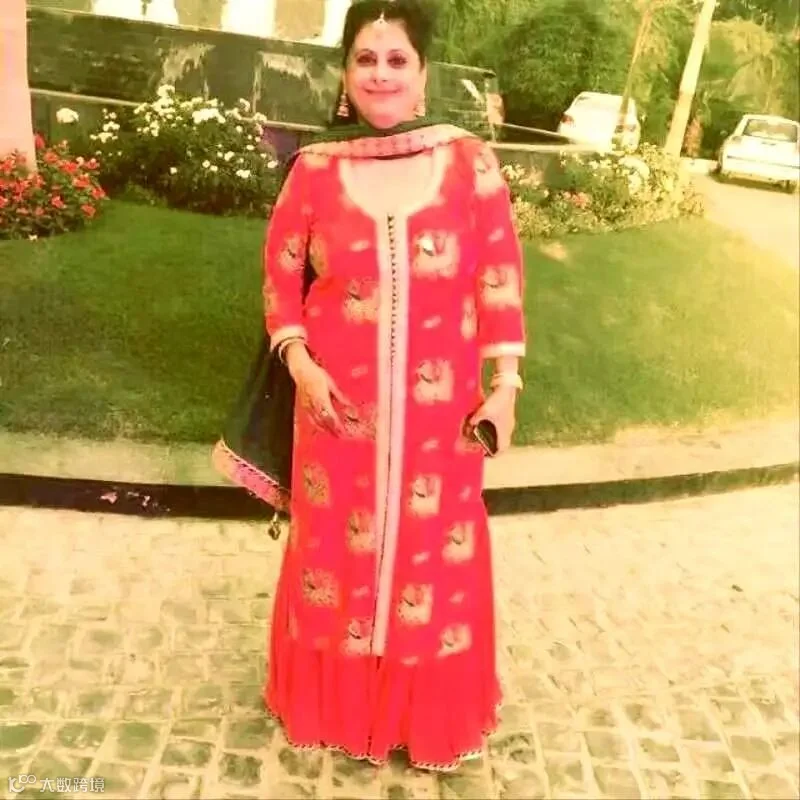
媒人Poonam Sachdev说,由于生活方式和女性需求的不断变化,她的工作变得具有越来越有难度。
Matchmaking and arranged marriages are often caught in the complexities of Indian society, especially when it comes to patriarchal mindset, conservatism, casteism and sexism. The Netflix show “Indian Matchmaking” became viral because it exposed Indian families’ tendency to validate and perpetuate these social problems.
婚介和包办婚姻往往会牵扯到印度社会的复杂性,特别是在父权观念、保守主义、种姓和性别歧视等方面。网飞的《印度媒婆》之所以会走红,是因为它暴露出根植于印度家庭的社会性问题以及这些问题仍将延续下去的态势。
Experts say that matchmakers happen to be a part of the system that they can’t control. “They’re just catering to a need,” said Sahaya.
专家认为,媒人碰巧是这无法控制的社会体系的一部分。"他们只是迎合了一种社会需求," Sahaya说。
Matchmakers often follow a list of unspoken rules, which includes sticking to the family’s caste, class, religion, economic section and so on. “In a way, it’s good because marriages of people from different backgrounds do not last,” said Dange.
媒人通常遵循一系列不言自明的规则,其中包括家庭种姓、阶级、宗教、经济条件等。Dange 说:"从某种意义上来看,这是件好事。因为门不当户不对的婚姻绝不会长久。"
Sahaya added that most Indian arranged marriages are mostly about wealth and status, rather than compatibility. “Matchmaking is an on-the-table transaction where these boxes or social parameters have to be matched. This is the reality of the big fat Indian wedding,” she said.
Sahaya补充道,印度的包办婚姻大多注重财富和地位,而不是男女双方是否能够和睦相处。"包办婚姻是种台面上的交易,方方面面的条件都要完美结合。而这就是印度盛大婚礼背后赤裸裸的现实。"
原文链接:
https://www.vice.com/en/article/5dpp93/indian-matchmakers-arranged-marriage
编译&排版 | 唐一鸣