


全文中英文共约2860字,阅读需12分钟。
“哎,我见过他吗?”
我们或多或少都遭遇过脸盲的尴尬,
但脸盲到连自己都不认识呢?
Face blindness: 'I can't recognize my loved-ones'
脸盲症:“我无法认出我的亲人”
A stranger once waved at Boo James on a bus. She did not think any more of it - until it later emerged it was her mother.
有个陌生人在公交车上对Boo James 挥了挥手。她没有多想,过了会儿她才想起来那是她妈妈。
She has a relatively rare condition called face blindness, which means she cannot recognize the faces of her family, friends, or even herself.
她有一种叫做脸盲症的比较罕见的症状,这意味着她不能识别她家人、朋友、甚至她自己的脸。
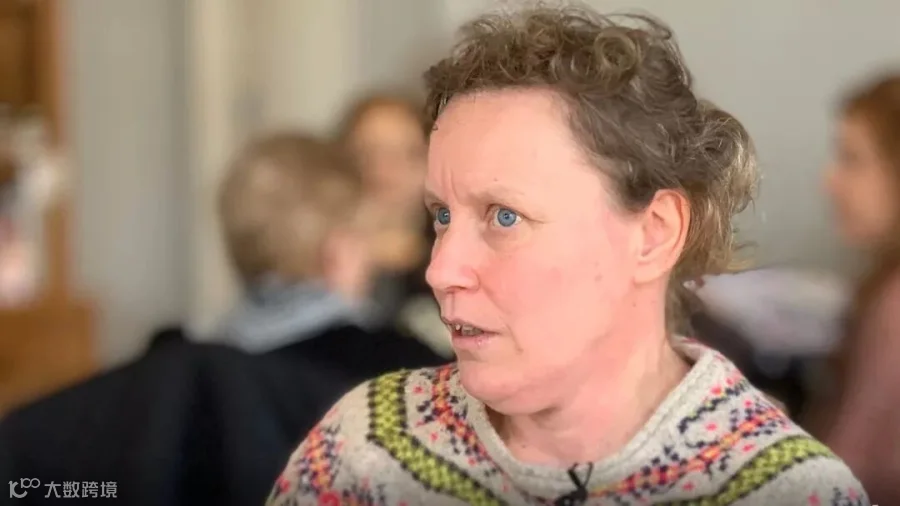
Boo James,脸盲症患者
Scientists have now launched a study they hope could help train people like Boo to recognize people better.
科学家们已经启动了一项研究,希望可以帮助训练像Boo这样的脸盲症患者更好地识别他人。
Boo said for many years she thought she was "from another planet".
Boo说多年来她都觉得自己是“从另一个星球来的”。
"It is immensely stressful and very emotionally upsetting to sit and dwell upon so I try not to do that," she said.
“坐下仔细考虑这个问题让我倍感压力、情绪不安,所以我尽量不这么做,”她说。
"It's very hard work. It can be physically and emotionally exhausting to spend a day out in public constantly wondering whether you should have spoken to someone."
“其实很辛苦。在外面呆一天,不断地想你刚才是否该和谁说个话,真让人身心俱疲。”
For most of her life, she didn't know she had the condition - also known as prosopagnosia - and blamed herself for the "social awkwardness" caused when she failed to recognize people.
她一生大部分时间都不知道自己有这个病症——人面失认症——而且把认不出人而造成的“社会尴尬”都怪在自己身上。
"I had to try and find a way to explain that. I really couldn't very well, except to think that I was just the one to blame for not being bothered to remember who people were.
“我不得不尝试着去找到一个解释它的方法。但我真的无法很好地解释它,除了去想:我理应受到责备,因为我不花精力去记住谁是谁。
"[Like it was] some sort of laziness: I didn't want to know them, obviously I wasn't interested enough to remember them, so that was some kind of deficiency, perhaps, in me."
“这就像是某种懒惰:我不想认识那些人,很明显我没有足够的兴趣去记住他们,所以这或许就是我(性格上)的某种缺陷。”
But the penny dropped in her early 40s when she saw a news item about the condition on television.
40岁出头时,她在电视上看到了一条关于这种症状的新闻,这才恍然大悟。
the penny dropped:恍然大悟
"I then knew that the only reason I wasn't recognizing that person was because my brain physically wasn't able to do it," she said.
“我那时才知道,我认不出人的唯一原因是,我的大脑生理上做不到这一点,”她说。
"I could immediately engage more self-understanding and forgive myself and try to approach things from a different angle."
“我一下子就能够更好地去理解和原谅自己,并尝试着从不同的角度去处理事情了。”
She said her childhood was punctuated by "traumatic experiences" with fellow children, childminders and teachers she could not recognize.
她说,她小时候认不出同龄的孩子、保育员和老师,她的童年因这些创伤经历而被频繁打断。
And even now, the 51-year-old, of Loughor, Swansea, said she struggles to recognize her family and long-term friends, including failing to recognize her father while meeting him during a holiday.
时至今日,这位生活在斯旺西州拉夫霍市的51岁女士仍表示,她很难认出自己的家人和老友,包括在度假期间曾遇到父亲时认不出他来。
But she also finds it very difficult to recognize someone even more fundamental.
她还发现,她很难认出一个更加重要的人。
"Recently, my mother said she'd found some old photos on her computer, so we were looking at them on screen," she said.
“最近,我母亲告诉我在她电脑里找到了一些旧照片,于是我们一起在电脑上看照片,”
她说。
"She was talking about one person in a picture and I said 'OK, but who on earth is that other person?' She said, 'well, that's you!'"
“我母亲那时正在谈论照片里的一个人,然后我说,‘好吧,这个人到底是谁?’我母亲说,‘啊,就是你啊!’”
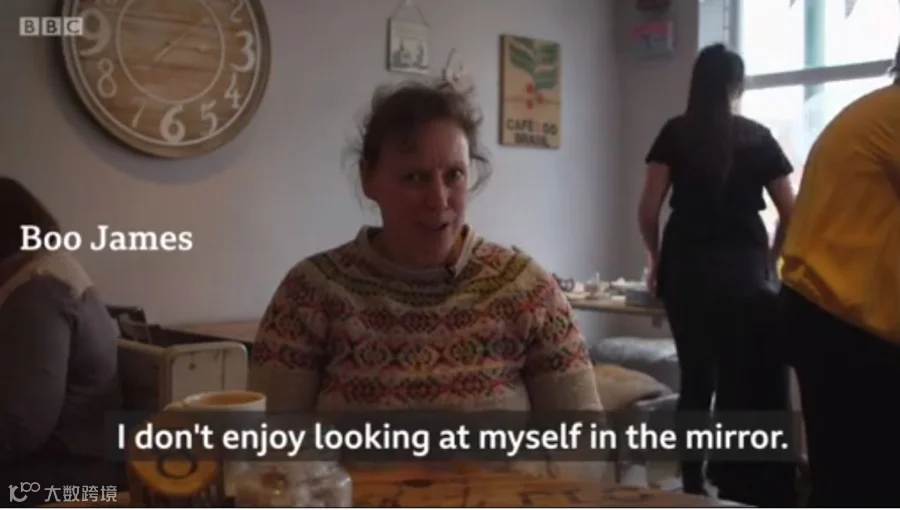
Boo :我不喜欢看镜子里的自己
所幸,Boo在生活中有个得力助手
帮她“识别面孔”。
Boo describes her partner, Dewi, as her "seeing dog for the face blind" because he will try to discreetly tell her if someone they're talking to is someone she knows.
Boo将她的丈夫Dewi称为“脸盲者的导盲犬”,因为如果与他们交谈的是她的熟人,他会小心地提示她。
He is also on hand to explain the plot and identify characters in films, which would be otherwise "impossible " for her to follow.
Boo在看电影时,丈夫也会在场,为她解释剧情、识别角色,否则Boo将完全无法看懂电影。
"He's very kind and very patient and he perseveres. Just occasionally we switch a film off because it just gets too complicated," she said.
“他善良又有耐心,而且始终如一。不过偶尔我们也会因为一部电影太复杂了而选择放弃。”
患有脸盲症的人究竟是如何认脸的呢?
But how do people with prosopagnosia perceive faces? Those with the condition say it can be difficult to describe.
患有人面失认症的人是如何看脸的呢?据患者说:“很难描述清楚。”
"I can see component parts of a face," Boo said. "I can see there's a nose, I can see there are eyes and a mouth and ears.
“我能认出脸部的各个组成部分,能看到脸上有鼻子、眼睛、嘴巴和耳朵。”Boo 说。
"But it's very difficult for my brain to hold them all together as the image of a face."
“但我的脑子却很难将它们组合在一起,成为一张脸的样子。”
She now works from home as a writer and says the condition has impacted on her career, making her time in retail and as a receptionist "very awkward".
Boo现在在家从事写作工作。她说,脸盲症早已对她的工作造成了影响,曾经使她做零售员、做接待员的时光“非常尴尬”。
"People come in and see you regularly, and they know you but you're looking at them and you're not sure about your history with these people," she said.
“人们经常进店看到你,久而久之,就认识你了。但是当你看着他们的时候,你却不能确定自己和这些人的过往。”她说。
However, despite the limitations, Boo believes she has developed tactics and techniques which allow her to often figure out who's who.
尽管受到这些限制,Boo却相信她自己已经掌握了一些辨认谁是谁的窍门。
"I do have a whole other palette I can use: hairstyles; a piece of jewelry someone might wear regularly; the way that someone dresses; people's voices, once they start talking; even the silhouette of someone, their body shape, the way that people talk.
我用一种完全不同的方法来识别他人:发型;人们常常佩戴的一件首饰;人们的穿衣风格;人们的声音,只要他们开始讲话;甚至某人的身影,他们的身材,他们说话的方式。
"I'd like to think I'm better at recognizing people from behind than your average person," she explained.
“我想,如果从背后识人的话,我可比你们一般人要强。”她解释道。
It is believed up to one in 50 people have some form of developmental face blindness, although not as all profoundly as Boo.
科学家认为,50个人里面就有一个人患有某种发育型脸盲症,虽然他们没有Boo那么严重。
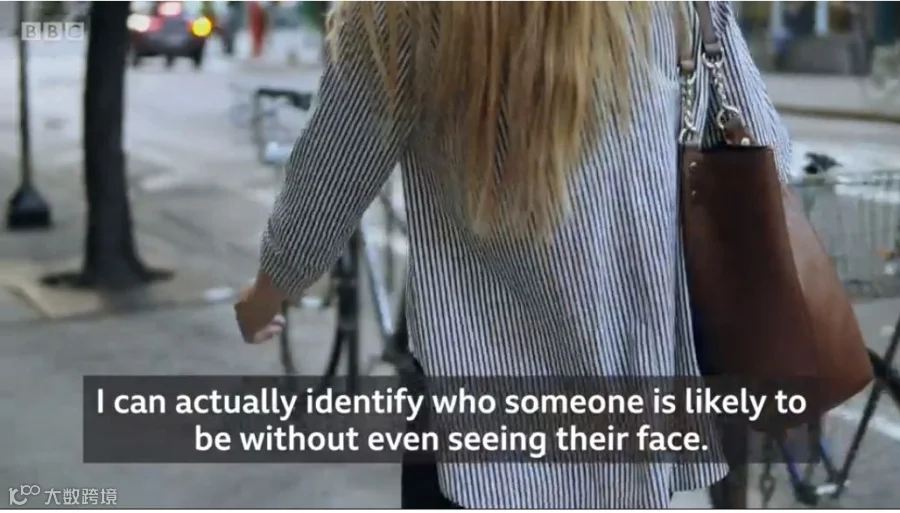
Boo:不看脸,我也能认人
其实,关于人面失认症的科学研究已经展开
Academics carrying out the new research at Swansea University want people to come forward who may have experienced difficulty in recognizing faces, as many have no idea they have prosopagnosia.
在斯旺西大学开展新研究的学者们想让那些或许有过脸部识别困难的人主动站出来,因为很多人根本没意识到自己患有人面失认症。
"This is the kind of person who maybe finds films a little bit difficult to follow," said Swansea University psychologist, Dr John Towler.
“这些人要跟上电影情节可能有困难。”斯旺西大学心理学家,John Towler博士说道。
"Maybe they were watching Game of Thrones and everyone's got long hair and beards and they've got no idea what's going on.
“也许他们在看《权力的游戏》的时候,由于里面每个人都长着长头发和胡须,他们就完全不知道这戏在讲什么了。”
"It's only through raising awareness for prosopagnosia that people are starting to realize 'maybe that's me'."
“只有通过加深对脸盲症的认识,人们才会开始意识到‘也许我人面失认症患者。’”
There are two kinds of prosopagnosia.
人面失认症分为两种。
Acquired prosopagnosia is a result of brain damage from injury to parts of the brain that control facial recognition, while developmental prosopagnosia, which affects those with face blindness from birth, arises from a breakdown in communication between different parts of the brain.
获得性人面失认症是由大脑中控制面部识别的部位受损而造成的;而发育型人面失认症则是由于大脑不同部位之间的交流中断而导致的,这一脸盲症的患者从出生起就会受到影响。
Dr Jodie Davies, who is also part of the research team, said: "If we can really work out exactly which part of the brain is going wrong, then we can start to look at remediation of this problem.
研究小组成员Jodie Davies博士说:“如果我们真的能弄清楚大脑的哪一部分出了问题,那么我们就可以着手修复它。”
"We're working here at Swansea at developing a rehabilitation program for people with prosopagnosia.
“我们正在斯旺西工作,为人面失认症患者开发一个康复方案。
"We're hoping that will increase the connections between the areas and therefore increase their ability to recognize faces."
“我们希望这个方案能够增强大脑不同部位之间的联系,从而提高患者们识别人脸的能力。”
Support group, Face Blind UK, said the experiences of people like Boo were not uncommon and greater awareness really helped.
支持这项工作的组织Face Blind UK表示,Boo这样的经历并不罕见,提高对脸盲症的认识确实对人们有所帮助。
"If other people are aware of the difficulties then they can begin to understand, and even offer help," spokeswoman, Hazel Plastow, said.
“如果其他人意识到这些脸盲症患者的困难,他们就会开始理解,甚至提供帮助,” Face Blind UK的发言人Hazel Plastow说。
编译 ▏张进宁 李藜 陈雨昕 王姝 尹天翼
排版 ▏尹天翼
来源 ▏ BBC
指导老师 ▏刘佳