

本文约1740字,阅读需7分钟
什么是费米悖论?
The Milky Way galaxy has billions of planets that could potentially host life. Yet despite scientists' efforts to monitor for and occasionally signal to extraterrestrials, we have not found any evidence that aliens exist.
银河系有数以亿计的行星有可能存在生命。尽管科学家做了很多努力去监测外星人并且偶尔还向他们发送信号,我们还没能发现任何外星人存在的迹象。
This conundrum is known as the Fermi Paradox, and it has inspired debate among researchers for decades.
这个谜题被称作费米悖论,几十年来,它常常引发研究人员们之间的争论。
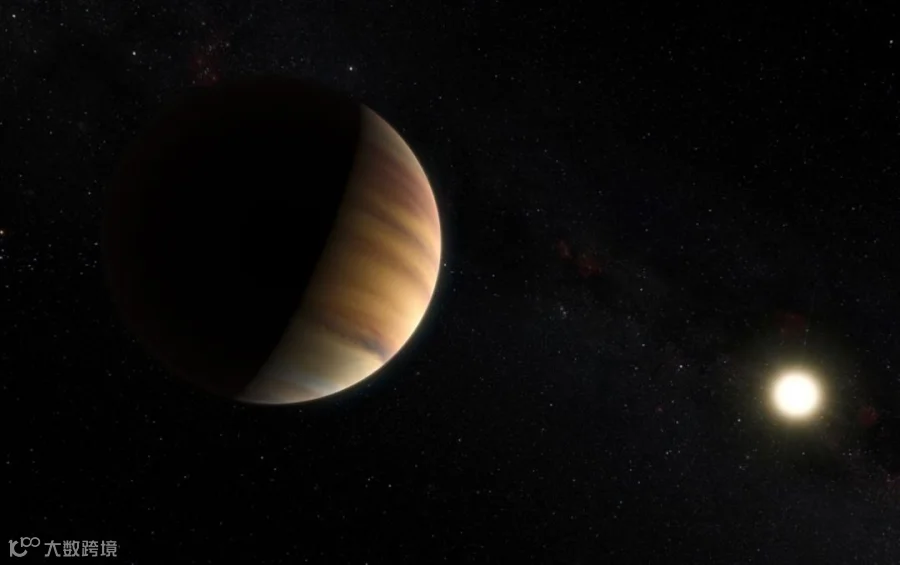
Didier Queloz, a physicist from the University of Cambridge, was named a co-winner of the Nobel prize in physics on October 8th for his discovery of the first exoplanet orbiting a sun-like star in 1995.Named 51 Pegasi b, the Jupiter-like planet is located about 50 light-years away from Earth, in the Pegasus constellation.
剑桥物理学家Didier Queloz因在1995年发现了第一个围绕其他类太阳恒星运行的系外行星,于2019年10月8日被授予诺贝尔物理学奖。类木行星飞马座51位于飞马座,它距离地球约五十光年。
In the decades since that discovery, techno-logy that enables astronomers to detect Earth-like planets has improved significantly.
这项发现后的几十年里,支持天文学家探测类地球行星的科技有了显著进步。
That's in part why Queloz is convinced that we will find proof of aliens in the next century, if not sooner. (He suggested that in just 20 years, we may have the equipment needed to detect extraterrestrial life.)
这也是为什么Queloz确信我们能在下个世纪或更早找到有外星人存在的证据的部分原因。(他表明也许仅仅在二十年后,我们就能拥有探测外星生命所需的设备。)
"I can't believe we are the only living entity in the whole universe. There's just way too many planets, way too may stars ... the chemistry that led to life has to happen elsewhere," Queloz in a talk at the Science Media Center in London on Tuesday.
星期二,Queloz在伦敦的科学媒介中心谈到: “我不能相信在整个宇宙只有我们人类是活着的实体。宇宙里有太多行星、太多恒星了,能创造生命的化学物质一定也可以在其他地方发生。”
ESO/M. Kornmesser/Nick Risinger/Wikimedia Commons
欧洲南方电文台/ M. Kornmesser/ Nick Risinger/维基共享
In his recent book "End Times," science writer Bryan Walsh discusses 13 theories as to why we've yet to make contact with aliens and why we might never do so. Here's how each one addresses the Fermi Paradox.
在科学作家Bryan Walsh最近的书籍《时代终结(End Times)》中阐述了13个关于为什么我们到现在还没能和外星人取得联系以及为什么我们可能永远都做不到的理论。下面将介绍每一条都是如何解释费米悖论的。
Kathleen Franklin/Wikimedia Commons
Kathleen Franklin/维基共享
为什么我们现在还没发现外星文明?
Reason 1
The chances that our telescopes would coincidentally be pointed at the exact right part of space at the right time to detect signs of extraterrestrial civilization are infinitesimal.
原因1:在探测外星文明信号时,我们的望远镜碰巧在恰当的时间指向太空中恰当的方向的可能性微乎其微。

Caleb Jones/Associated Press
Caleb Jones/美联社
Reason 2
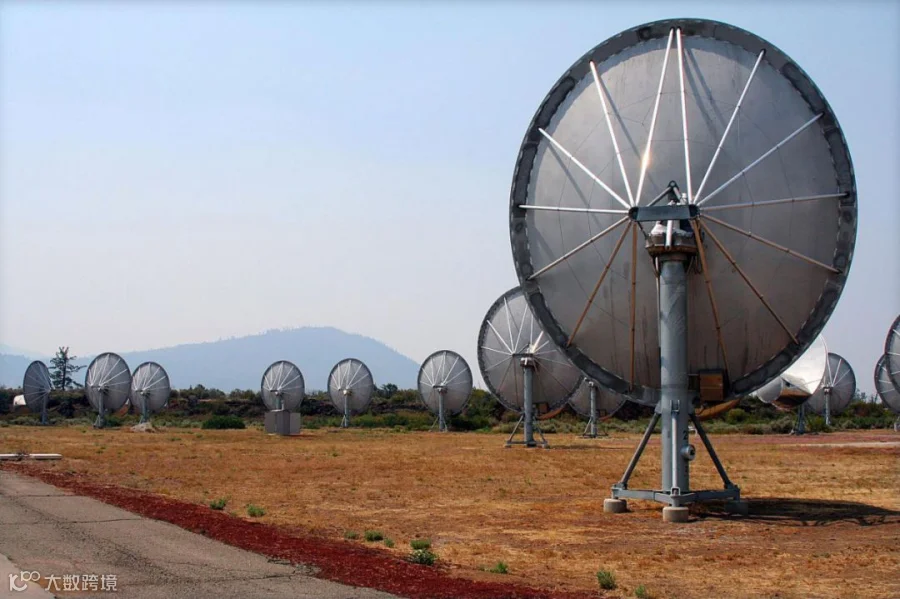
SETI(Search for Extraterrestrial Intelli-gence)'s monitoring system is predicated on the idea that aliens are trying to message us — we just need to hear it. But those monitoring efforts have thus far been unsuccessful.
原因2:SETI(搜寻地外文明计划)的监测系统是建立在外星人正尝试给我们发送信息,而我们只需要去接收它的基础上的。但到目前为止,这些在监测上的努力都失败了。
Jenny Cheng/Business Insider
Jenny Cheng/商业内幕网
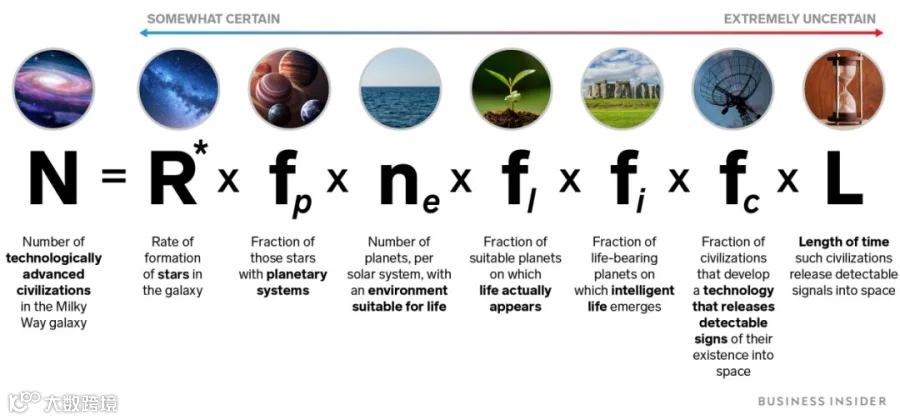
Astrophysicist Frank Drake created an equation in 1961, now known as the Drake Equa-tion, that offers a way to calculate an estimated number of technologically advanced civili-zations in the Milky Way.
天体物理学家Frank Drake在1961年构建了德雷克公式,它提供了一种计算银河中高智能文明数目的方法。
The equation is made up of seven vari-ables that, when multiplied together, yield a calculation of the possibility that humanity might someday hear from an intelligent alien civilization (one that has achieved the ability to transmit radio signals that we can detect on Earth).
德雷克公式由七个变量组成,当它们相乘,能计算出人类将来某天接收到来自一个有思维的的外星文明信号的可能性(这个外星文明已经有能力用无线电传递地球上可以探测到的信息)。
The problem is that we don't know the value of many of the Drake equation variables with any degree of certainty. Scientists have a good handle on the first three: the rate of star formation, the number of those stars with planets, and the number of those planets within the stars' Goldilocks zone. But the rest are still a mystery.
问题是我们并不知道在德雷克方程中的变量数值的准确程度。科学家能很好地处理前三个数值:恒星形成的速度、有行星的恒星的数量,以及恒星的适居带内行星的数量。但其余数值的仍然是个谜。
Reason 3
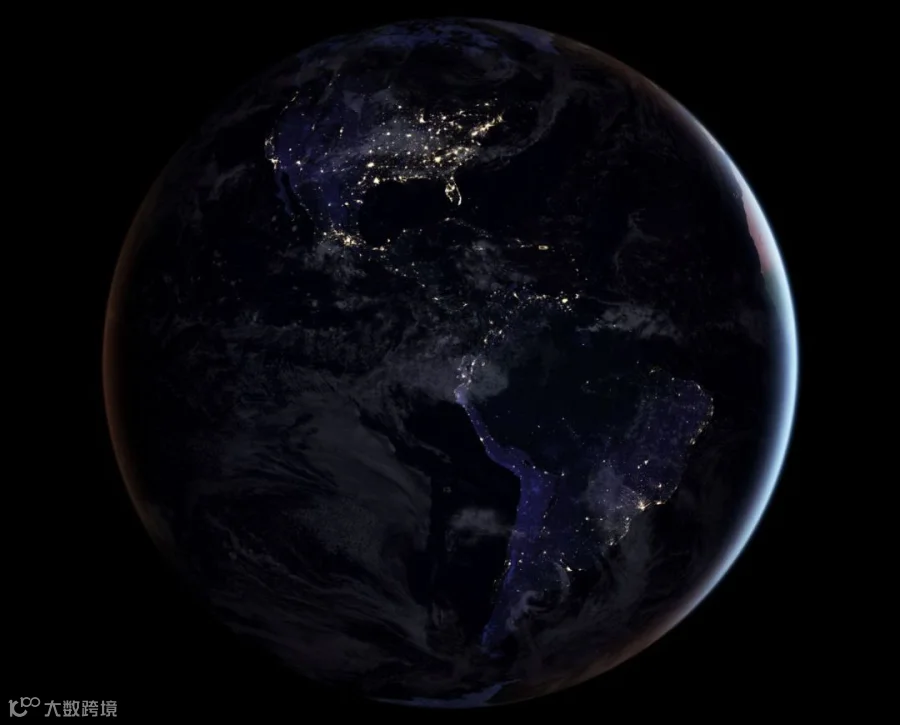
Perhaps, Earth holds the only intelligent life in the universe.
原因3:也许地球拥有着宇宙中唯一有智力的生命。
Joshua Stevens/NASA Goddard Space Flight Center
/Reuters
Joshua Stevens/美国宇航局戈达德航天飞行中心/路透社
Astrophysicist Michael Hart explored this question formally in a 1975 paper; he argued that there had been plenty of time for intelligent life to colonize the Milky Way in the 13.8 billion years since the galaxy formed. Since nobody on Earth had heard anything, Hart concluded, there must be no other advanced civilizations in our galaxy.
天体物理学家迈克尔·哈特在1975年的一篇论文中正式探讨了这个问题。他指出,在银河系形成后的这138亿年里,智能生命有着充裕的时间殖民银河系。于是他得出结论:既然地球上没有人听到任何讯息,我们的银河系中一定没有其它发达的文明存在。
More recently, a 2018 Oxford University study suggested that there's a roughly two-in-five chance that we're alone in our galaxy and a one-in-three chance that we're alone in the entire cosmos.
最近,2018年牛津大学的一项研究指出,我们在银河系中孤独存在着的几率有2/5,在整个宇宙中孤立存在的几率有1/3。
But the more astronomers learn about conditions that make a planet suitable for life, the more it seems our galaxy could be more hospitable to life than previously thought.
但是当天文学家们越了解让一个行星适合生存的条件,我们的银河系越看起来比先前想象的更适合生存。
Reason 4
Aliens want to talk to us but can't.
原因4:外星人想和我们对话但是做不到。

YouTube/Movieclips
油管/影片分享
SETI assumes that any extraterrestrials we might come into contact with would be more technologically advanced than we are, given the relatively short time humans have existed.
SETI认为,由于我们人类存在的时间相对较短,我们可能接触到的任何外星人的科技水平会比我们更加发达。
So it's possible that aliens don't use radio waves as a means to communicate. They could be reaching out using a technology that we don't know about yet. Walsh compared the situation to one in which modern-humans would try to chat with a caveman on a cell phone (we're the cavemen in this analogy).
所以,外星人可能不通过无线电波的方式进行交流,而是可能运用我们还不知道的技术向外探索。Walsh将这种情形类比为现代人类想要通过手机与穴居人聊天。(在这个类比中我们是那穴居人)
Reason 5
If other intelligent life in the universe has outpaced us technologically, it's possible those beings think Earth isn't worth contacting at all.
原因5:如果宇宙中其它智能生命已经在科技上超越了我们,它们或许会认为地球根本不值得联系。
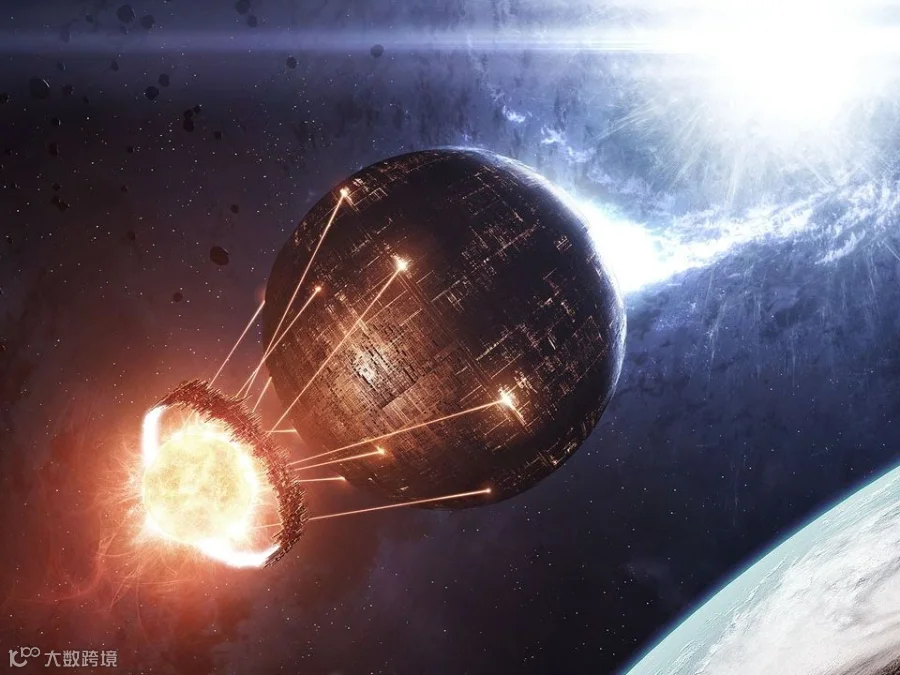
NASA 美国航空航天局
Walsh refers to our absence of extraterres-trial contact as "The Great Silence."
Walsh把我们与外星接触的缺失的称为“无边的寂静”。
One answer to the Fermi Paradox, he says, could be called "The Great Indifference" — perhaps aliens just don't care what a subintelligent race has to say.
他说,费米悖论的其中一个答案可以被称为“无边的冷漠”——也许外星人根本不在乎一个亚智能种族要说什么。
Reason 6
Maybe our radio messages just haven't reached anyone yet.
原因6:也许我们的无线电讯息还没传到任何人那里。

Adam Block/Wikimedia Commons
Adam Block/维基媒体共享
Frank Drake sent out the first deliberate interstellar radio message on November 16, 1974 — 168 seconds of a two-tone sound were beamed toward the star system Messier 13 (or M13) in the Hercules constellation.
Frank Drake于1974年11月16日发出了第一条经过深思熟虑的星际无线电讯息——一段168秒长的双音调声音被发射到了处于大力神星座的梅西埃13(或M13)恒星系统。
Encoded in the message were the atomic numbers of basic Earth elements, the numbers 1 to 10, and a graphic of our solar system to indicate where the message originated from. But M13 is roughly 21,000 light-years away, according to SETI, so Drake's message will take about the same number of years to get there. Then it would take any similar return signal the same amount of time to get back to us.
被编码进讯息的是地球基本元素的原子序数、数字1到10,以及一张太阳系的图表,以表明信息的来源。但是根据SETI的数据,M13恒星系统大致有21000光年远。因此,Drake的讯息也大概要花与该数字相同的时间才能到达那里,并且任何类似的回复信号也都需要同样的时间才能回到我们身边。
Reason 7
Aliens could also be deliberately hiding from us.
原因7:外星人也可能在故意躲着我们。

MARK RALSTON / Staff
MARK RALSTION/员工
Hawking once told the Times of London: "I imagine they might exist in massive ships, having used up all the resources from their home planet. Such advanced aliens would perhaps become nomads, looking to conquer and colonize whatever planets they can reach."
霍金曾经告诉过《泰晤士报》:“我想象它们坐着巨大的飞船出现,并且已经用光了它们星球上的所有资源。这种先进的外星人可能会成为流浪者,准备征服并殖民任何他们所能到达的行星。”
Some researchers have suggested that intelligent life in the galaxy may have the same concerns that Hawking did about making contact, so therefore elect to remain silent.
一些研究者于是指出,星系中其它的智能生命或许对于联系外界有着与霍金一样的忧虑,因此它们也选择保持沉默。
Reason 8
原因8:Aliens could simply be content to leave us alone until we become too greedy and pose a threat to the greater universe.
外星人可能只是目前满意于让我们独自呆着,直到我们变得太贪婪,对更大范围的宇宙构成威胁才采取措施。

20th Century Fox
二十世纪福克斯公司
The 1951 Hollywood blockbuster "The Day The Earth Stood Still" explores such a theory. In the film, an alien spaceship lands in Washington, DC to deliver a message: live peacefully or be destroyed as a danger to other planets.
1951年的好莱坞大片《地球停转之日》就探索了这个理论。在影片中,一艘外星飞船降落在华盛顿特区,传递了一个信息:要么和平地生活,要么作为对其他行星的威胁而被摧毁。
Reason 9
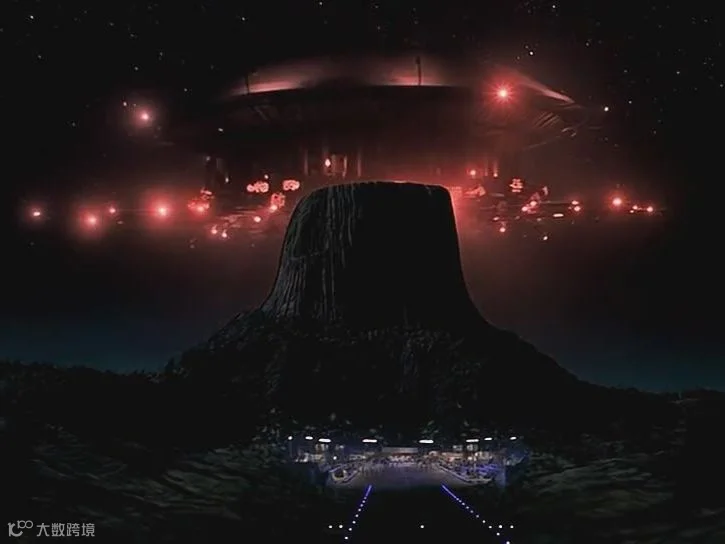
Perhaps extraterrestrials are just hiberna-ting, Walsh suggests.
原因9:Walsh认为,也许外星人只是在冬眠。
Columbia Pictures
哥伦比亚电影公司
The intelligent civilizations we're trying to contact could be in a state of dormancy that may last for billions of years, he says.
他说,我们试图接触的智能文明可能处于休眠状态,而这种状态可能会持续数十亿年。
Reason 10
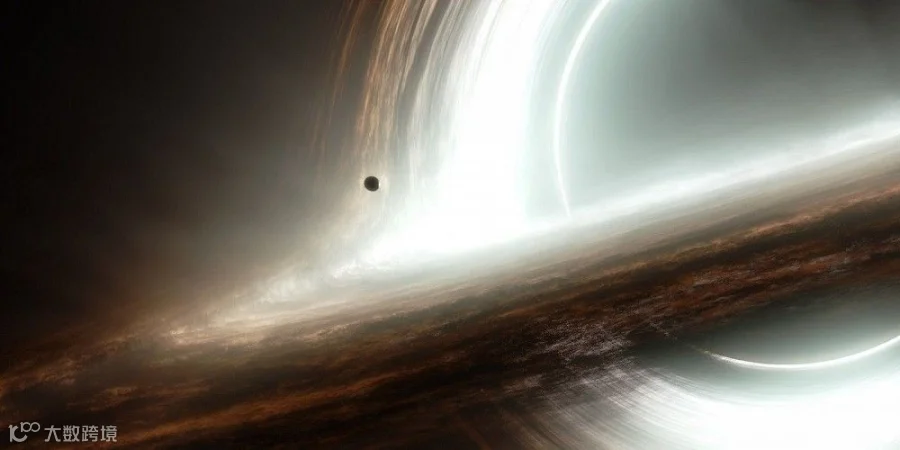
Perhaps we're living in the "galactic sticks," on the outskirts of where intelligent life is located in the Milky Way.
原因10:也许我们生活在“银河边远地区”,远离银河系里有智慧生命存在的区域。
Paramount Pictures
派拉蒙影片公司
But Walsh argues that, given enough time, an intelligent civilization should have been able to find us by now, even if they were traveling slowly.
但Walsh提出,已经过了足够久了,即使一个智能文明行进得很慢,它们现在也应该已经能够找到我们了。
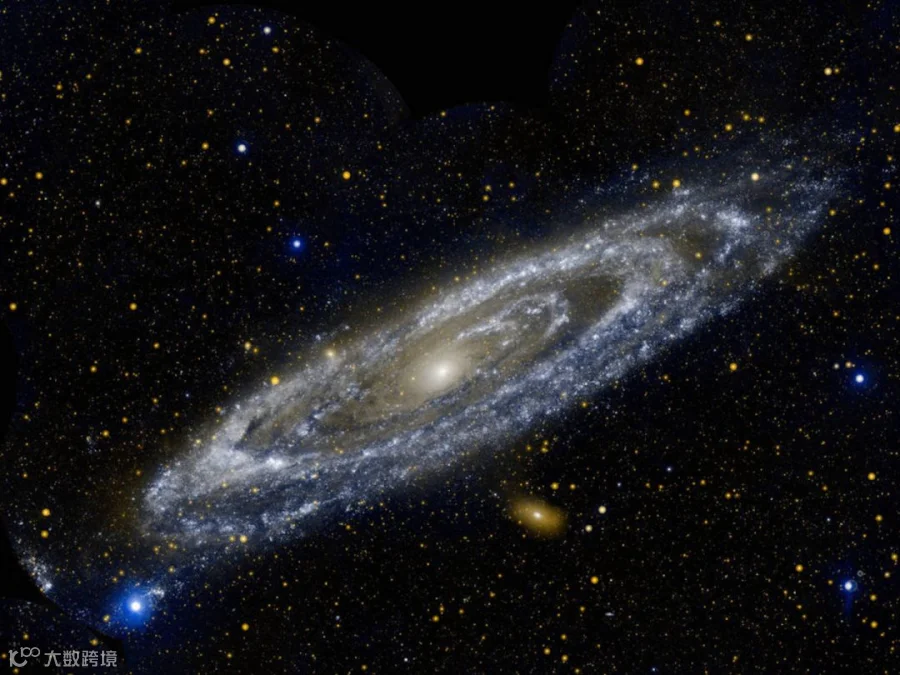
If aliens were traveling at one-tenth the speed of light, it would take them 10 million years to cross the entire Milky Way. That's less than 0.1% of the age of the galaxy.
如果外星人的行进速度是光速的十分之一,那么他们需要1000万年来穿越整个银河系。这还不到银河系年龄的0.1%。
NASA/JPL-Caltech
美国航空航天局/喷气推进实验室
Reason 11
Perhaps a technologically advanced civilization just can't last long enough to be able to travel through the galaxy for millions of years.
原因11:也许一个技术先进的文明只是无法持续足够长的时间来在银河系中穿行数百万年。

Wikimedia Commons
维基共享
As philosopher Nick Bostrom has explained, this concept suggests that life on an Earth-like planet has to achieve several "evolutionary transitions or steps" before it can communicate with civilizations in other star systems.
正如哲学家Nick Bostrom解释的那样,这个概念表明,在能够与其他星系的文明交流以前,类地行星上的生命必须完成几次“进化的步骤”。
But an obstacle or barrier — a "Great Filter," as it's called in this line of thinking — makes it impossible for an intelligent species to progress through all of those steps before collapsing. A study published last year points to climate change as the most likely "filter" that prevents a civilization from reaching other star systems.
但是一个障碍——在这一思路中被称为“大型过滤器”——使一个智能物种不可能在瓦解前通过所有这些步骤来进步。去年发表的一项研究指出,气候变化是最有可能阻止一个文明到达其他星系的“过滤器”。

Reuters/Aly Song
路透社/Aly Song
The study put forth four scenarios that a civilization could follow as it develops. One of those pathways leads to sustainable existence. But in the other three, civilizations overuse resources and collapse or die off as a result.
该研究提出了一个文明在发展过程中可以遵循的四种情景。其中一条途径通向可持续的生存。但在其他三条中,文明过度使用资源,最终导致瓦解或消亡。
So a possible answer to the Fermi Paradox, the study authors posited, is that environmental transformation (whether that involves using up necessary resources or irreversibly changing a climate) inevitably prevents civili-zations from surviving long enough to travel to distant stars.
因此,该研究的作者们提出,对费米悖论的一个可能的回答是,环境的变化(无论是涉及到耗尽必要的资源还是不可逆转地改变气候)不可避免地阻止文明存活的足够久以到达遥远的星球。
Walsh suggests that we may never find anything in our search for aliens except their remains — evidence of extinct civilizations, in other words.
Walsh表示,在寻找外星人的过程中,我们可能除了他们的遗骸什么都发现不了——换句话说,这是已灭绝的文明的证据。
Reason 12
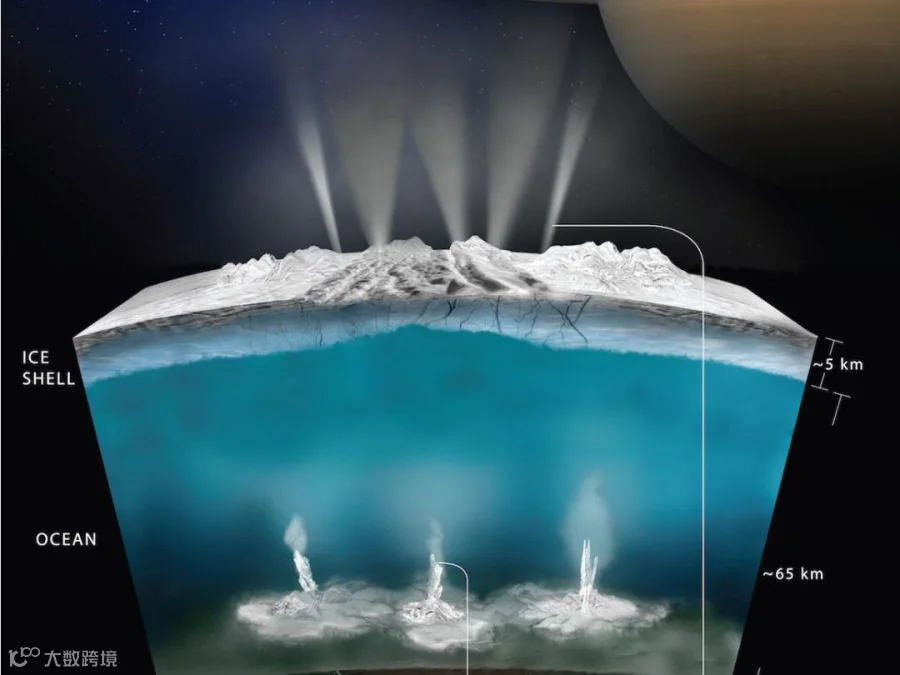
Planetary scientist Alan Stern, meanwhile, thinks it's possible that — unlike humans on Earth — aliens live in the interior of their respective planets, which is why we've yet to find signs of life.
原因12:与此同时,行星科学家Alan Stern认为,与地球上的人类不同,外星人有可能生活在各自的行星内部,这就是为什么我们至今尚未发现生命迹象的原因。
NASA-GSFC/SVS,NASA/JPL-Caltech/Southwest Research Institute
美国航天航空局戈达德太空飞行中心/宇宙飞行器模拟装置/喷气推进实验室/西南研究所
Stern posited that some habitable worlds' liquid water is located under the surface, in the planets' interior. That appears to be the case for Saturn's moon Enceladus.
Stern推测,一些宜居星球的液态水位于星球表面之下,在行星内部。这似乎就是土星的卫星土卫二的情况。
"If technological civilizations can actually develop in these interior ocean worlds, they would naturally be cut off from us because of the shell of rock and ice above their ocean," he previously told Business Insider. "We wouldn't see their city lights. We wouldn't be able to hear their communication. They wouldn't maybe even know that there was a universe out there to communicate with."
“如果技术文明真的能在这些内部的海洋世界中发展起来,它们就会自然地与我们隔绝,因为它们的海洋上有岩石和冰的外壳。”他之前告诉商业内幕网,“我们看不到他们的城市之光,听不到他们的交流。他们甚至可能不知道外面有一个宇宙可以交流。”
Reason 13
Perhaps aliens have already visited Earth — just not recently enough for us to have noticed.
原因13:也许外星人已经拜访过地球了——只是在很早以前以至于我们没能注意到。
ESA
欧洲航天局
The study, published in The Astronomical Journal in August, posits that intelligent aliens could be taking their time to explore the galaxy, and other civilizations could have already been here and left no evidence of their visit.
发表在8月份的《天文学杂志》上的一篇研究假设,有智慧的外星人可能会花时间探索银河系,并且其他文明可能已经来过这里,只是没有留下他们来访的证据。
Despite the many ideas about why we may never make contact with aliens, though, Queloz remains hopeful.
尽管有很多关于为什么我们可能永远不会与外星人接触的想法,但Queloz仍然抱有希望。
NASA/Ames/JPL-Caltech
美国航空航天局/艾姆斯氏试验/喷气推进实验室
In an interview with the Nobel prize press office, he said that the detection of the first exoplanet merely served as "the trigger" for humanity's renewed hunt for alien life in the cosmos.
在接受诺贝尔奖新闻办公室的一个采访时,他表示,对第一颗系外行星的探测,只不过是充当了人类重新在宇宙中寻找外星生命的“触发器”而已。
"We are convinced there must be life on other planets, otherwise we wouldn't search for it," Queloz said of his fellow astronomers.
“我们确信其他行星上一定有生命存在,否则我们不会去寻找它。”Queloz这样说他的天文学家同行们。
新闻来源:
https://news.yahoo.com/fermi-paradox-asks-why-havent-124800491.html?from=groupmessage&isappinstalled=0
编译|周筱楠 黄思谊 刘佳月
排版|周筱楠