



古老偏见死灰复燃
As the coronavirus spread throughout the U.S., bigotry toward Asian Americans was not far behind, fueled by the news that COVID-19 first appeared in China.
随着新冠肺炎疫情在美国蔓延,再加上“病毒最早出现在中国”之类新闻报道的推动,美国国内对于亚裔美国人的歧视正在愈演愈烈。
Some initial evidence suggested the virus began in bats, which infected another animal that may have spread it to people at one of Wuhan, China’s “wet markets.”
一些初始证据显示,新冠病毒来自于蝙蝠,而后又感染了其他动物,进而可能在武汉的一个生鲜市场传播给了人类。
The information quickly got distorted in the U.S., spurring racist memes on social media that portrayed Chinese people as bat eaters responsible for spreading the virus, and reviving century-old tropes about Asian food being dirty. Fueling the fire, President Donald Trump repeatedly referred to COVID-19 as “the China virus.”
这些信息很快在美国的舆论场中遭到扭曲,社交媒体上出现了带种族歧视色彩的表情包,将中国人描述成了喜欢吃蝙蝠的人,并要求他们为病毒的传播负责,更导致“亚洲食物肮脏不堪”的古老偏见死灰复燃。而特朗普多次将新冠病毒称为“中国病毒”的举动,更是火上浇油。
“That old-school rhetoric that we eat bats, dogs and rats — that racism is still alive and well,” said Clarence Kwan, creator of the anti-racist cooking zine “Chinese Protest Recipes.” The speed with which such false stereotypes resurfaced during the pandemic is “a reflection of how little progress we’ve made,” Kwan said.
“那些说我们吃蝙蝠、狗还有老鼠之类带有种族歧视的老套说辞依然存在,而且形势很严重。”反种族歧视的烹饪杂志《捍卫中国食谱》的作者Clarence Kwan说,这些错误的刻板印象在疫情期间又迅速出现,说明我们在反种族歧视方面取得的进步微乎其微。
But wildlife and other “exotic” animals are not part of the modern mainstream Asian diet, either in Asian countries or in the U.S. All of the misinformation has had serious consequences.
但实际上,无论是在亚洲国家还是在美国,野生动物和其他奇奇怪怪的动物都不属于现代亚洲主流饮食的一部分。然而,这些错误的信息已经造成了严重的后果。


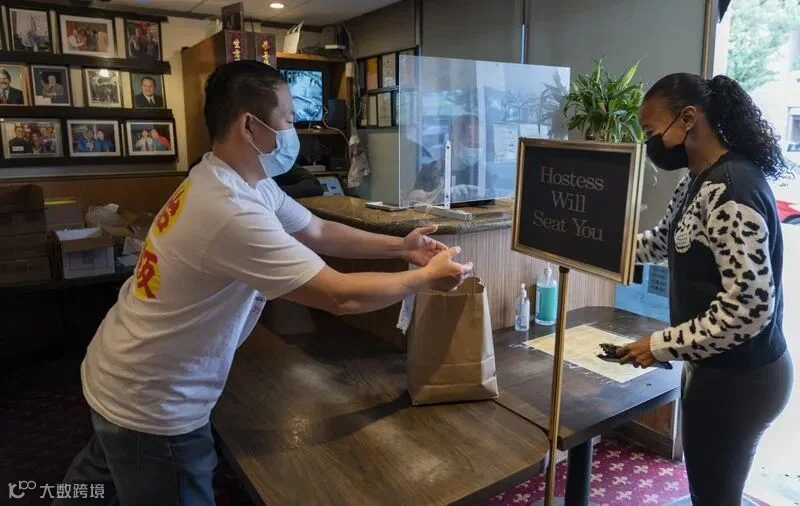


亚裔餐饮业遭受污名化
Stop AAPI Hate, a coalition of Asian American advocacy groups, issued a report in August stating that it had received more than 2,500 reports of hate and discrimination across the country since the group was founded in March, around the time the outbreak began to seriously worsen in the U.S. The group said it received data from 47 states, with 46% of the incidents taking place in California, followed by 14% in New York.
“制止仇恨亚太裔美国人组织”(Stop AAPI Hate)成立于三月份美国疫情开始恶化时。该组织八月份发布的一份报告显示,自成立以来,全国范围内已经收到了超过2500份有关仇恨和歧视的报告。这些数据来自47个州,其中46%的歧视事件发生于加州,紧随其后的是纽约州,占比达到14%。
In addition, Asian American small businesses have been among the hardest hit by the economic downturn during the pandemic. While there was a 22% decline in all small business-owner activity nationwide from February to April, Asian American business-owner activity dropped by 26%, according to a study by the National Bureau of Economic Research.
此外,在疫情期间,亚裔美国人的小型企业受经济衰退的影响最为严重。美国国家经济研究局(NBER)的一项研究表明,今年二至四月,尽管全美所有小型企业的营收普遍下降了22%,但亚裔企业的营收降幅达到了26%。
Many businesses that survived have been subject to stigmatization, Kwan said. “Restaurants have been vandalized. As if the pandemic wasn’t hard enough, there’s this added threat to Asian businesses of this lingering hate.”
Kwan说:“许多企业挺过了疫情,却遭到人们的无端污蔑,他们的餐厅被人破坏,仿佛疫情还不够严重一样,这种挥之不去的仇恨给亚裔企业造成了威胁。”
Conversations about the stigmatization of Asian food reached a crescendo this month when Philli Armitage-Mattin, a contestant on “MasterChef: The Professionals,” used the phrase “Dirty Food Refined” and the hashtag #prettydirtyfood in her Instagram bio, which described her as an Asian food specialist.
本月,在《厨艺大师》这档节目中,参赛者Phill Armitage Mattin在其Ins主页上的个人简介中使用了“肮脏食物精致化”以及#prettydirtyfood的标签,将自己描述为一位亚洲美食专家。由此引发的关于亚洲食物被污名化的讨论也到达了高潮。
“In a year where Chinese and East Asian communities have essentially been blamed for the pandemic and chastised as ‘dirty,’ this type of narrative is completely unacceptable,” Kwan wrote on Instagram.
Kwan在Ins上写道:“这一年中,舆论指责中国以及东亚地区是导致疫情流行的罪魁祸首,甚至污蔑他们‘肮脏不堪’,这种叙事是完全无法接受的。”
Armitage-Mattin’s bio has since been changed and the London-based chef apologized on Instagram, while also insisting that she had never meant to insult anyone.
此后,Armitage-Mattin修改了个人简介并在网上致歉,同时坚称自己从未有意侮辱任何人。
“The way I mean food to be ‘dirty’ is indulgent street food; food that comforts you as in, ‘going out for a dirty burger,’” she wrote. But Kwan said especially in the current climate, such phrases can be dangerous. “It was a very flippant, ignorant, tone-deaf way of talking about Asian food,” he said.
她写道:“我所说的‘脏’其实是指那些街边美食,比如去吃一个‘脏汉堡’。” 但Kwan认为,在如此特殊的时期,这样的措辞可能非常危险,“用这种方式讨论亚洲食物非常轻率、无知且不明智。”
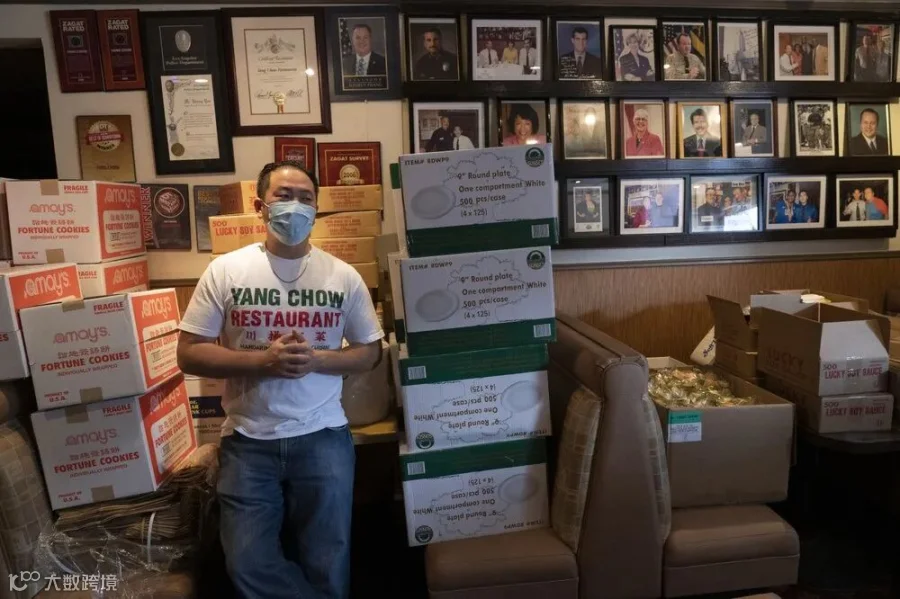
Yang Chow餐厅的老板本尼·云(Benny Yun)离开了,Yun说,尽管他的生意在大流行中幸存下来,他们几乎每天都会接到恶作剧的电话,询问菜单上是猫还是狗,或者冒充浓重的亚洲口音。(美联社照片/达米安·多瓦甘尼斯)
破除歧视——为自己呐喊
Racist rhetoric referring to Asian food as dirty or disease-laden dates back to the 1850s, said Ellen Wu, a history professor at Indiana University. Wu said the false notion that Chinese people eat rat or dog meat is rooted in the xenophobic fears of white workers who used Chinese immigrant workers as a scapegoat for their economic woes.
印第安纳大学历史学教授Ellen Wu说,将亚洲食物视为“肮脏或携带疾病的食物”的种族主义言论,可以追溯到19世纪50年代。“中国人吃老鼠肉或狗肉”的错误观念植根于白人工人的排外恐惧,他们将来自中国的移民工人视为自身经济困境的替罪羊。
“To white Americans, these new immigrants were different in a threatening way, and there is fear of the ‘other,’ of difference,” said Wu, who is Asian American.
“对美国白人来说,这些新移民展现的不同之处让他们深感威胁,人们害怕‘他人’的不同。”身为亚裔美国人的Ellen Wu说。
English professor Anita Mannur of Miami University said the current crisis reminds her of racist cartoons from the late 1800s that advertised for rat poison by picturing a Chinese man about to eat one of the rodents.
迈阿密大学的英语教授Anita Mannur说,当前的危机让她想起了19世纪末的一幅“老鼠药广告”的种族主义漫画,漫画中一个中国人正准备吃掉一只啮齿动物。
Mannur, who is Indian American, said other persistent false narratives such as that Chinese American neighborhoods or Chinatowns are dens of vice send the message that Asian people are less civilized, and do “very immediate damage.”
Mannur是印裔美国人,她说,诸如“华裔社区或唐人街是邪恶的巢穴”之类存在多年的错误说法,传递出亚洲人文明程度较低的错误信息,造成了“非常直接的损害”。
“People have had their houses graffitied with things like ‘Dog eaters live here,’” she said. “People are beaten up and spat on. People are told to go back to China.”
“亚裔的房子外被写上‘吃狗的人住在这里’之类的涂鸦,”她说,“他们被殴打,被吐口水,被骂滚回中国去。”
Benny Yun, owner of the Yang Chow restaurant in Los Angeles’ Chinatown district and two other locations in Southern California, said even though his businesses have survived the pandemic, they get prank calls almost daily asking if they have dog or cat on the menu or impersonating a thick Asian accent.
“The worst part is if they realize you speak perfect English, then they just give you a random order and we prepare it and they don’t even come to pick it up. Waste of time and money,” Yun said.
Benny Yun是一家中餐馆的老板,尽管他的生意没有被疫情打垮,但他们几乎每天都会接到模仿亚洲口音询问菜单上是否有狗或猫的恶作剧电话。“最糟糕的是,如果他们意识到你的英语说得很好,那他们就随便点一些菜却不来取餐,白白浪费时间和金钱。”
For years, health inspectors have been accused of docking points from Chinese restaurants for employing traditional cooking and presentation methods, such as hanging roast duck in the front window. The common yet scientifically disproven claim that MSG causes illness made the Chinese food flavor enhancer highly unpopular in the 1970s, forcing many Asian American restaurants to eliminate it from their kitchens.
多年来,卫生检查人员对中国餐馆的传统烹饪和展示方式——比如在窗前悬挂烤鸭——一直不以为然甚至在评估中给餐馆扣分。此外,味精会导致疾病这一缺乏科学依据的普遍传言,使得味精在20世纪70年代非常不受欢迎,迫使许多亚裔美国人的餐馆将味精从厨房中淘汰。
Kwan said it is important for Asian Americans to protest the way they are being treated; to push back against the latest onslaught of bias and racism by continuing to unabashedly celebrate their food and culture.
Kwan认为,对亚裔美国人来说,抗议自己遭受的不公正对待至关重要,此外,亚裔应继续光明正大地发扬自己的饮食和文化,以此抵制偏见和种族主义的冲击。
“We don’t have to change,” he said. “We can live, breathe and eat exactly the way we do without having to adapt to white supremacy, to the white gaze, to whiteness. We can be proud of our culinary heritage.”
“我们不必改变,”他说。“我们可以完全按照自己的方式生活、呼吸、吃东西,而不必改变自己来适应白人至上、行为处事处处在意白人的目光。我们应当为我们的烹饪传统感到骄傲。”

原文链接:https://apnews.com/article/donald-trump-race-and-ethnicity-pandemics-wuhan-animals-4d25738ab49597d0de1517383a9108d2/gallery/2e7d3d90bc5a49b5ab91cb0afd3dfc95
编译:王兆隆 高语阳 储志阳
排版:高语阳