

编者按
疫情来临,所有的活动都被按下了暂停键,电影行业也不例外。很多人猜测,疫情的打击会给影院带来极严重的威胁。而实际则不然,在过去的几十年里,电影院经常被宣告消亡,但它们蓬勃依旧。
全文字数约 3700字,阅读大约需要12分钟

过去电影院如何应对疫情影响
A century ago, there was even the worry, as there is now, that cinemas would be permanently shut down by a virus. From 1918 to 1920, the so-called ‘Spanish Flu’ took the lives of 50 million people worldwide, coming right at the end of World War One, where 40 million died. When the flu hit, cinemas closed around the globe, although not quite in the same blanket way that they have today, with the decision on whether to close or not made by municipal governments in most countries.
和当下一样,一个世纪以前,影院也有由于病毒肆虐而持续关停的烦恼。1918至1920年,正当一战结束之际,所谓的“西班牙流感”就掠走了全世界5千万人的生命——这比战争带来的死亡人数整整多了一千万。当流感来袭时,大部分国家的地方政府作出是否关闭影院的选择,尽管不像现在一样一刀切,全球的影院纷纷关闭。

(图源网络)
There was no single moment during the flu outbreak when all the cinemas in the UK shut, and some jurisdictions simply imposed mitigating measures. In London, cinemas were required to be ventilated for 30 minutes every three hours. Those in Wolverhampton banned children and removed carpets.
在英国流感爆发之际,电影院没有一刻全部关门,一些管辖区只是实施了简单的防控措施。在伦敦,电影院被要求每三个小时通风30分钟。伍尔弗汉普顿的电影院禁止儿童入内,并移走了地毯。
Cinemas were encouraged to open around Armistice Day, however, and a week of packed cinemas and celebrations followed – apart from in Edinburgh where influenza restrictions were kept in force.
然而政府鼓励影院在休战纪念日前后开放,随之而来的一整周排满的电影和庆祝活动——除了爱丁堡,在那里应对流感的管制仍强制实行。

Likewise, in the US, the closing of cinemas because of the flu happened on a regional basis. Critically, the home of the studios, Los Angeles, was severely affected and cinemas in California closed for seven weeks. Production companies withheld new releases and Hollywood studios stopped making movies in this period.
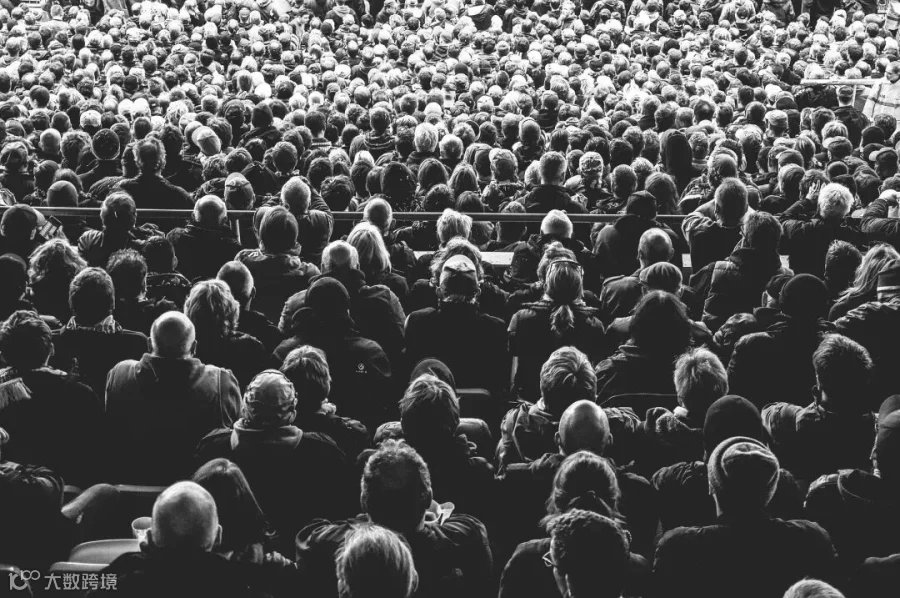
无独有偶。在美国,流感导致的影院关闭也基于地域因素。很大程度上,制片厂的天堂——洛杉矶受到严重影响,加利福尼亚的影院关停七周。在此期间制片公司暂停了新片上映,好莱坞也暂停了电影的制作。
(图源网络)
However, it should give us cheer to note that while the film industry in America was certainly impacted, it did not suffer overall but rather changed shape – and in fact flourished even further. As the film writer Richard Brody recently noted in an article for the New Yorker drawing parallels between now and then: “Many smaller companies went out of business, and the resulting shakeout led to a consolidation that made the big ones bigger, creating the studios that became the masters of production, distribution, and exhibition together; the flu, combined with the end of the war, gave rise to the mega-Hollywood that’s being duplicated again today.”
然而,值得高兴的是意识到这一点,即使美国影业大受冲击,它也不是全面受创,而是就此改头换面,甚至更蓬勃发展。电影作家理查德·布罗迪最近为《纽约客》写的一篇文章指出了当下和未来的呼应:“很多较小的公司倒闭,随之而来的动荡导致了合并后大公司变得更大,创造了集制作、发行、上映于一体的巨头电影公司;流感和战争的结束,造就了大片制造厂好莱坞,至今它的成功模式仍在被复制。
And with this organisational change, audiences only increased – in fact, attendances in the 1930s were higher than in any decade before or since. After The Great Depression of 1929, movies played a critical role in keeping people entertained. It was one of the few affordable means of escape. By numbers of attendees, 1939’s Gone With the Wind remains the most successful cinema release of all time.
并且,伴随着组织结构的改变,观众只增不减——事实上19世纪30年代的观影人数远高于之前任何时期。1929年经济大萧条之后,电影在维持大众娱乐生活的方面扮演重要角色。看电影,是当时为数不多的百姓既支付得起又可逃避困苦的方式之一。从观影人数来看,1939年的《乱世佳人》仍然是有史以来最成功的电影。


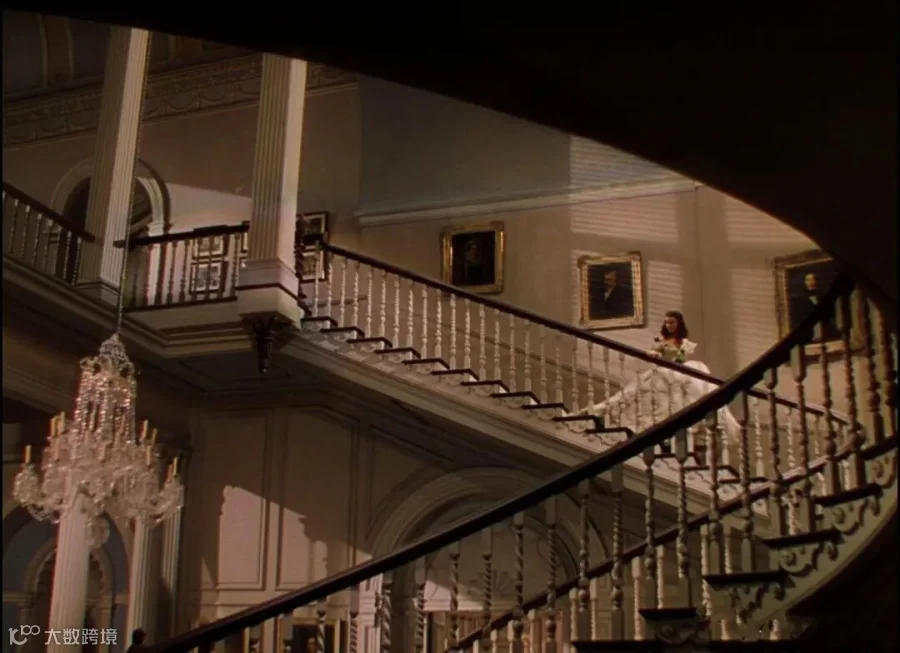
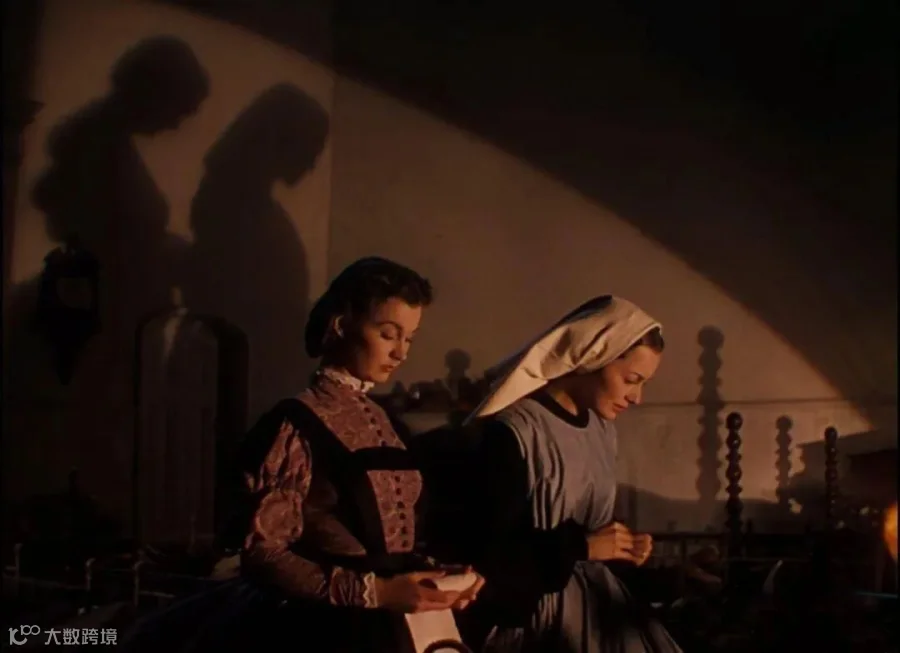
《乱世佳人》剧照 (滑动查看下一张图片)
World War Two was also, against the odds, a time in which cinema prospered. Many countries, including Britain, saw the cinema as a propaganda tool: a place to give information and boost morale, despite the obvious perils of congregating in public spaces. British cinemas closed for a week at the start of the war before reopening to much fanfare. “Cinema was a site for community activity [and] raising money for charity, [as well as a way for those abroad] to make contact with those at home,” says film historian Lawrence Napper.
二战也是如此情形,攻坚克难中的时代亦是电影繁荣的黄金期。即便在公共场合聚集有风险,包括英国在内的很多国家都把电影看作政治宣传的工具,用来传递信息,昂扬士气。英国影院在战争初期关闭一周后便大张旗鼓地重开盛业。电影历史学家劳伦斯·纳玻说过:“电影院是社区活动的场所,是为慈善募捐的地方,也是海外人民与国内人民联系的渠道。”


影院新常态
Since the coronavirus has spread across the world over the last couple of months, cinemas have closed, not in the patchy, ad-hoc fashion of 1918, but all at once.
在过去的几个月里,新型冠状病毒席卷全球。各地电影院一时间已全部关闭,这是1918年大流感时期都没有的情形,当时仅有部分影院短期歇业。

Productions around the world have stopped shooting. The livelihoods of millions around the globe have been threatened, by a collapse, not just of cinema, but of the industry itself. If cinemas are only closed for seven weeks as they were in Los Angeles in 1918, it would seem like a miracle. Some may never open again.
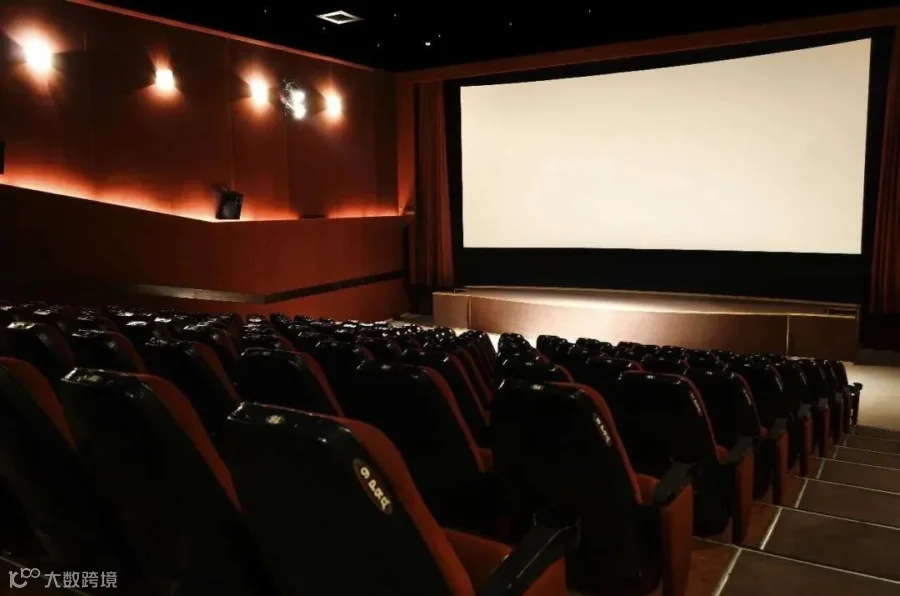
与此同时,全球的电影制作也已停止。不仅仅是影院,整个电影行业都陷入了崩溃状态,全球上百万人的生计受到威胁。而如今的影院又很难像1918年流感时期的洛杉矶影院那样,仅仅关闭七周。因此,疫情过后,一些电影院或许再也无法开张了。
(图源网络)
The effect of the virus has already been to make things that seemed unimaginable a month ago a reality. Hollywood studios have joined Netflix in breaking the theatrical window. Cannes has been postponed. Film festivals such as CPH:DOX and Visions du Reel are going online, with audiences watching premieres in the comfort of their own home. Arguments about the primacy of cinema have been rendered meaningless by the necessity to simply keep people watching.
新冠病毒影响之大,已将一个月前人们无法想象的事情变为现实。好莱坞制片厂由于作品无法登上影院荧幕,而加入了网飞线上点播平台;戛纳电影节已确认推迟;哥本哈根国际纪录片电影节 、瑞士尼翁国际纪录片电影节等都已变为线上举行,让观众舒舒服服地在家里观看首映礼。疫情当头,能让观众看到电影就不错了,相比之下,那些关于“影院至上”的争论也就没什么意义了。
【CPH:DOX】:哥本哈根国际纪录片节,是北欧最大的纪录片节,始于2003年,此后每年都在丹麦哥本哈根举行,今年原定于3月18日至3月29日举办
【Visions du Ree】:尼翁国际纪录片电影节,是世界最早的纪录片节,每年于瑞士尼翁举行,今年原定于4月17日至5月2日举办
And given that blockbusters rely on huge marketing campaigns, it’s unlikely that studios will want to take an immediate risk with their bigger titles when cinemas do eventually re-open – before they are sure if audiences are ready to embrace cinema again.
至于那些依靠大规模营销的热门大片,即使影院重新开业,由于制片厂无法确定受众是否做好了去电影院观影的准备,他们不太可能愿意冒险上映自己的大制作影片,以避免损失。

“There’s no doubt [the virus] is a huge challenge that affects all elements of the industry from development and production through to distribution and exhibition,” says Curzon CEO Philip Knatchbull, who runs a chain of cinemas in the UK as well as overseeing the Artificial Eye distribution label. “The immediate problem of course is weathering the financial impact of the loss of box office. When cinemas reopen there will be all sorts of challenges right along the supply chain, some of which won’t be immediately obvious right now.”
“毫无疑问,新冠病毒会影响电影产业的每一个环节,从策划、制作,再到发行、上映。”柯曾影院首席执行官、人造眼公司发行监督员菲利普 · 纳奇布尔表示。“当然,眼下的首要任务是要经受住票房损失对于院线财务的打击。但当电影院重新开放后,整条电影产业链还将面临各种当下还未显现的挑战。”
【Curzon】:柯曾影院,是伦敦热门的独立院线,欧洲各大电影首映、观众见面会、电影节放映会场的首选地之一
【Artificial Eye】:人造眼公司,是一家英国影片发行商,专门发行各种艺术电影的碟片,涉猎欧洲众多获奖电影


无须绝望,重塑信念

(图源网络)
Cinemas are in a fight for their lives. The consequences of the current situation could be a wholesale shift in attitudes to streaming platforms and theatrical windows. Curzon had already moved to a day-and-date, simultaneous cinema and on-demand release model before the outbreak. “The theatrical v streaming debate has been very heated in recent years,” says Knatchbull. “There has been lots of speculation recently about how lockdown will impact on viewing habits. I don’t think that’s especially useful; this is a completely unprecedented and, hopefully, unique situation. That said, now is probably not the time for this discussion. Exhibitors and distributors need to work together creatively to see us through this period.”
如今,电影院正在进行一场关乎生死存亡的大战。疫情可能会使人们对于流媒体平台和影院大荧幕的态度发生全面转变。在疫情爆发之前,柯曾影院就已经转变策略,开始在多个平台同时发布电影,并提供付费点播服务。纳奇布尔表示:“近年来,电影院和流媒体之间的斗争非常激烈。最近,就影院停工会如何影响用户的观看习惯这个问题,也有不少推测。我认为,争论这些并没有什么意义,因为这场疫情前所未有,但愿以后也不会再次出现。简单来说,当务之急不是讨论这些问题,而是要想办法让放映商和发行商创造性地合作,共渡难关。”

But for all the sense of impending doom, history suggests that cinema will adapt and bounce back. Crowds flocked to the cinema after the 1918 pandemic, and videos only made people more interested in cinema, not less. After several weeks or, more likely, months cooped up indoors, watching films on our television sets and computer, the experience of seeing a film in cinemas the way they were meant to be seen will be all the more magical. It’s impossible for a home screening to match the technical quality of a film projected in the cinema – and there is also the indefinable adrenaline rush that comes from viewing a film in a large group, with audiences feeding off each other to create an intoxicating atmosphere as Bond gives chase, Daniel Blake starts protesting or Marcello Mastroianni raises an eyebrow. By the same token, most directors would continue to affirm that they first and foremost want their films seen in a cinema because it’s a unique experience.
虽然一切的迹象都在宣判电影业的衰落,但历史表明,他们将会适应这样的情况,并迅速重返活力。1918年大流感结束后,电影院中人们蜂拥而至,碟片使他们对电影院的兴趣只增不减。大家在家里憋了几周,甚至几个月,受够了在电视或电脑上看电影,由此一来,在电影院的观影体验将变得更加美妙。因为, 家里的放映技术肯定无法与电影院的放映技术相媲美,并且,当一群人坐在一起看电影时,观众的情绪相互影响,营造出了一种令人兴奋的氛围,当詹姆斯 · 邦德上演那场经典追逐战、受到压迫的丹尼尔 · 布莱克在就业中心的墙壁上涂鸦抗议、或是演员马塞洛·马斯楚安尼扬起他的眉毛时,人们都会产生难以解释的肾上腺素飙升情况。同样,大多数导演也会继续坚持让自己的作品在影院首映,因为这是一种独特的体验。
【Daniel Blake】:丹尼尔 · 布莱克,电影《我是布莱克》的男主角(戴夫 · 琼斯饰演),影片聚焦英国底层人民,反映阶级差距
【Marcello Mastroianni】:马塞洛·马斯楚安尼,意大利演员(1924年9月28日—1996年12月19日),银幕形象偏内向,多次获最佳男主角奖项
Other reasons to be cheerful include the fact the overall global box office has only been rising recently, while the record-breaking box office of Oscar-winner Parasite in western countries shows how cinema has also been becoming a truly more globalised enterprise. What’s more, when it comes to movie theatres themselves, they have been getting more luxurious yet again of late, in a progression akin to the advent of the multiplexes.
同样鼓舞人心的是,全球总体票房在最近的时间段内得到了增长,拿下奥斯卡金像奖的韩国电影《寄生虫》刷新了西方国家的票房纪录,也表明电影业正在成为真正意义上的全球化产业。此外,电影院本身也在与时俱进,变得越来越豪华舒适,就像多映厅影院的崛起那样。

Knatchbull agrees that cinema will find a way, as it has done throughout history, to thrive again. “Of course! Cinema has survived wars, pandemics and a host of technological changes. There is something elemental about gathering together in a dark room to watch a great film. I’m sure the reopening of cinemas will be a cause for a huge celebration and we’ll see audiences, desperate to get out of the house, flocking back to watch films on the big screen together.”
纳奇布尔认为,历史证明,电影院会再次繁荣起来。“这是必然的!电影院历经了战争、流感、以及一系列的技术变革,却依然屹立不倒。聚在一间黑暗的屋子里欣赏一部好片是一种最基本、无可替代的体验。我相信,电影院的再次开放将会迎来人们的热烈庆祝,那时,人们会迫不及待地冲出家门,涌向影院,共同观看大荧幕上的电影。”

原文链接:
http://www.bbc.com/culture/story/20200403-why-cinemas-will-bounce-back-from-the-coronavirus-crisis
编译:戴怡安 王夏雯 王姝 祖芃芃 吕适言
排版:祖芃芃
审核:周雨旸
指导教师:刘佳