

全文共计:2360字;建议阅读时间:6分钟

Problems
The Baltic Sea offers a preview of what’s to come with global warming
波罗的海预示了全球变暖将会带来的问题
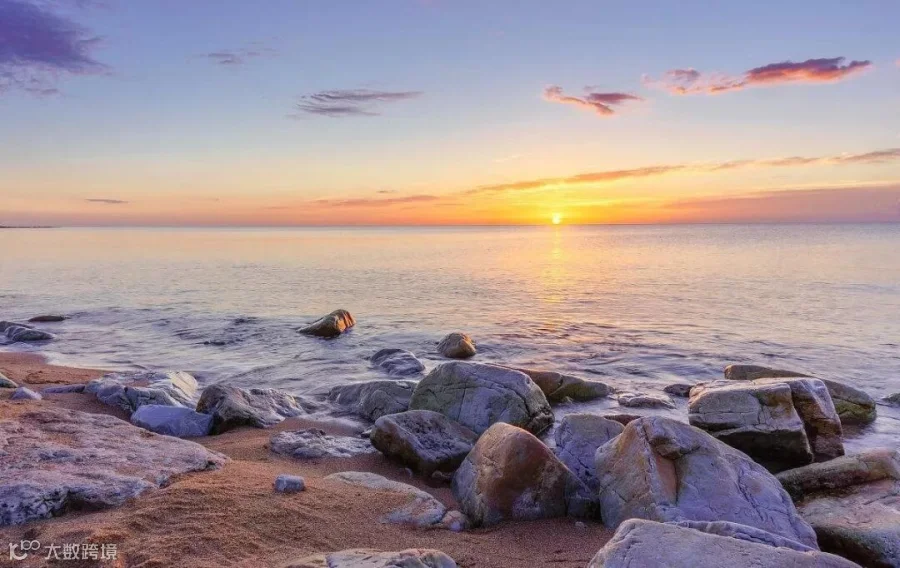
KIEL, Germany — The herring here — both a symbol of the seaside region and a staple food that locals eat salted, pickled or fried — have plummeted to about a third of their population in the 1990s.
德国基尔的鲱鱼既是整个海滨地区的象征,也是当地人吃的一种主食。但在上世纪90年代,这里的鲱鱼已锐减至约三分之一了。
Cod have declined drastically, too. And they are getting smaller and thinner. Scientists have observed fish in their samples whose white fatty underbellies had all but disappeared. “They just looked like they were starving,” marine ecologist Jan Dierking said.
鳕鱼的数量也急剧下降。它们变得越来越小、越来越薄。科学家在他们的样本中观察到鱼腹下的白色脂肪几乎完全消失了。海洋生态学家Jan Dierking说道:“它们看起来就快饿死了。”
Then came this past summer’s heat wave, which increased Baltic Sea temperatures to an unprecedented 80.6 degrees Fahrenheit, killing starfish and other fragile marine creatures.
紧接着是去年夏天的热浪。它把波罗的海的温度提高到前所未有的华氏80.6度,杀死了海星和其他脆弱的海洋生物。
It all could be a sign of things to come in a warming world.
这一切也许都是全球变暖的征兆。
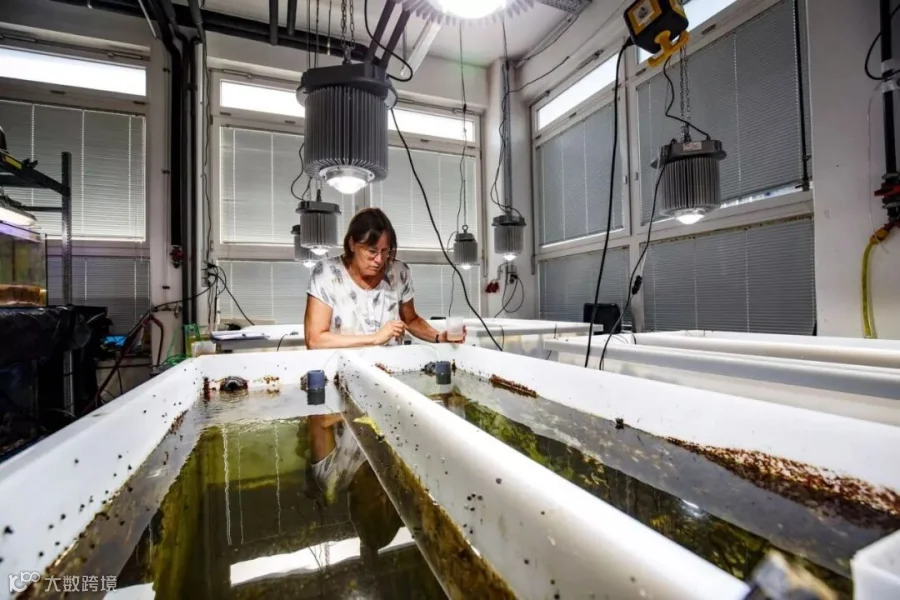
(Marine biologist Catriona Clemmesen-Bockelmann feeds herring at the GEOMAR Helmholtz Centre for Ocean Research in Kiel, Germany)
(在德国基尔GEOMAR Helmholtz海洋研究中心里,海洋生物学家Catriona Clemmesen-Bockelmann正在给鲱鱼喂食)
The Baltic Sea is a sort of experimental pressure cooker for marine life, a test for how species fare — and whether they can survive at all — in conditions the world’s oceans may soon experience.
波罗的海是一种海洋生物的试验性高压锅,是对物种在世界海洋环境中如何生存和能否生存的一种考验。
“Many of the pressures have hit here much earlier and more intensely than in other world regions,” said Thorsten Reusch, a marine ecologist based here at Germany’s largest ocean research institute.
“这儿的许多压力比世界其他地区来得更早、更强烈。” Thorsten Reusch,德国最大的海洋研究所的一位海洋生态学家如是说。

Causes
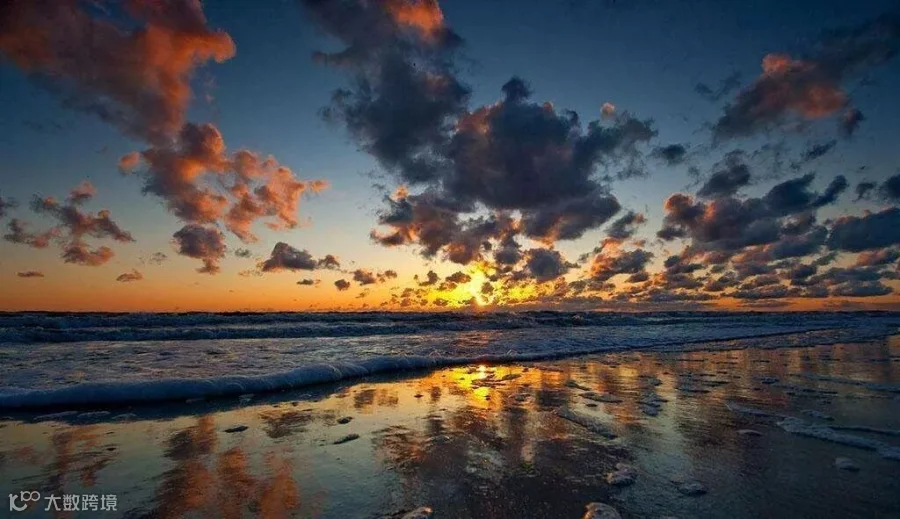
That is in part due to the Baltic’s small size: It is roughly the size of California, or 1/250th of the Atlantic. It is also tucked between nine countries — including Sweden to the north, Russia to the east and Germany to the south — whose residents pollute and dump waste into, travel over and swim through its delicate marine ecosystems.
部分原因是波罗的海的面积较小: 它大约相当于加利福尼亚的面积,即大西洋的1/250。它还夹在9个国家之间,包括北边的瑞典、东边的俄罗斯和南边的德国。这些国家的居民造成的污染和倾倒的垃圾,在脆弱的海洋生态系统中不断迁移、游荡。
As a result, conditions have been changing rapidly. The temperature of the Baltic has risen at roughly three times the average rate of global oceans over the past decade. It has experienced a tenfold expansion of no-oxygen “dead zones” that wipe out fish and their habitats in the past 115 years. And it is seeing increasing levels of acidification.
因此,情况一直在迅速变化。过去十年,波罗的海的气温上升速度大约是全球海洋平均速度的三倍。在过去的115年里,它的无氧“死亡区”扩张了十倍,这些“死亡区”摧毁了鱼类及其栖息地。而且(海水)酸化的程度也在上升。

Solutions
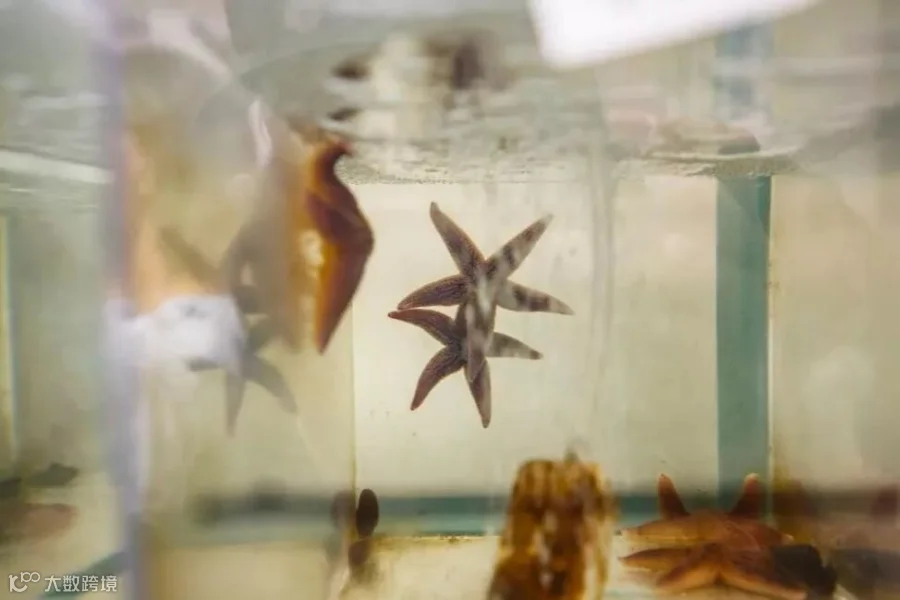
Starfish suction themselves to the walls of a tank at the GEOMAR Helmholtz Centre for Ocean Research.
(在GEOMAR Helmholtz海洋研究中心里,海星吸在水箱的壁上。)
The Baltic offers an ominous but also in some ways hopeful vision of the capacity for species to adapt and what people working in collaboration might be able to do to mitigate environmental damage.
波罗的海提供了一种不祥的,但在某种程度上也是充满希望的前景,即物种适应环境的能力,以及人们合力可以为减轻环境破坏做些什么。
One problem Baltic researchers have observed is that animals and their food sources can fall out of sync.
波罗的海的研究人员观察到的一个问题是,动物和它们的食物来源不再同步。
Some species are evolving in ways that help them cope with the Baltic’s changing conditions — at least to a point. For example, certain local populations of mussels, jellyfish and stickleback have managed to adapt to a lower salt level in the water. There is also evidence that Baltic cod may have adapted to a lower-oxygen environment than other cod populations.
一些物种正在进化,以应对波罗的海不断变化的环境——至少在一定程度上是这样。例如,某些本地种群的贻贝、水母和棘鱼已经成功适应了较低的海水盐度。也有证据表明,与其他鳕鱼种群相比,波罗的海鳕鱼可能已经适应了低氧环境。
And sometimes, as if to make up for a loss, a new species will appear in the Baltic for the very first time, said Björn Fischer, a 53-year old fisherman who is as proud of his apropos name as he is of the seven generations of fishermen before him.
53岁的渔民Bjorn Fischer说,有时,似乎是为了弥补损失,一种新物种将首次出现在波罗的海。他为自己的名字感到自豪,同样为自己之前的六代渔民感到自豪。
Fischer noted that species such as sardines, sea bass and mackerel have migrated from southern waters that have become too warm for them.
Fischer指出,沙丁鱼、鲈鱼和鲭鱼等物种都是从南方水域迁移过来的,那里对它们来说太热了。
“Somewhere another door always opens,” he said. “As a fisherman, you always have to be ready to adapt.”
“在某个地方,总会有另一扇门打开,”他说。“作为一名渔民,你必须随时准备适应变化。”
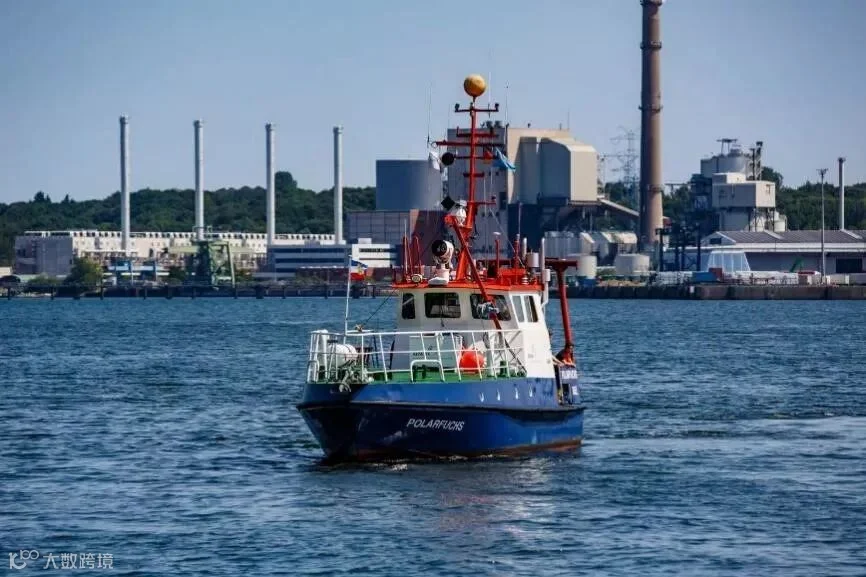
Most scientists who study the Baltic Sea are less sanguine about the effects of climate change. But they see potential in the way the surrounding countries have cooperated in response to environmental problems such as overfishing and pollution.
大多数研究波罗的海的科学家对气候变化的影响并不乐观。但他们看到了周边国家合作应对过度捕捞和污染等环境问题的潜力。
In 1974, leaders from the Baltic-facing countries overcame their Cold War differences to establish an environmental pact and commission to manage their shared resource. The science-backed fishing quotas that followed, together with other regulations that are now being enforced by the European Union and Russia, have helped to reverse some harmful trends. They have curbed the overfishing of some fish species and reduced toxic pollutants and other contaminants to revive the populations of seals, cormorants and eagles living near the Baltic’s coasts.
1974年,波罗的海沿岸国家的领导人克服了冷战时期的分歧。他们建立了一个环境协定和委员会来管理共同的资源。科学主张的捕鱼配额、欧盟和俄罗斯目前正在实施的其他规定都应运而生。这帮助扭转了一些有害的趋势。它们抑制了某些鱼类的过度捕捞,减少了有毒污染物和其他污染物,恢复了生活在波罗的海海岸附近的海豹、鸬鹚和鹰的数量。
“We know that E.U.-bashing is now very much en vogue all across Europe and the U.S.,” Reusch said. “But the good flip side of it is, of course, that the E.U. Commission now has a catalogue of sanctions they can impose on countries when they don’t meet, for example, their nutrient reduction goals. And I think that’s a good thing.”
Reusch说道:“我们知道,在欧洲和美国,对欧盟的抨击现在正非常流行。但好的一面是,欧盟委员会现在出台了一系列制裁措施,可以在一些国家无法达到减少营养成分的目标时对其进行制裁。我认为这是一件好事。”
The environmental protection regime has its shortcomings. There has been no crackdown on countries that allow massive amounts of agricultural runoff into the Baltic. “Basically every country is failing that,” Reusch said. In July, algae blooms that are a result of such runoff, and that rob fish and their habitats of oxygen, forced Poland to shut down 50 Baltic Sea beaches.
环境保护制度有它的缺点。它没有管制周边国家允许大量农业径流进入波罗的海的行为。Reusch说道:“基本上每个国家在这个方面都不达标。”今年7月,这种径流导致的海藻大量繁殖,夺走了鱼类及其栖息地的氧气,迫使波兰关闭了50个波罗的海海滩。
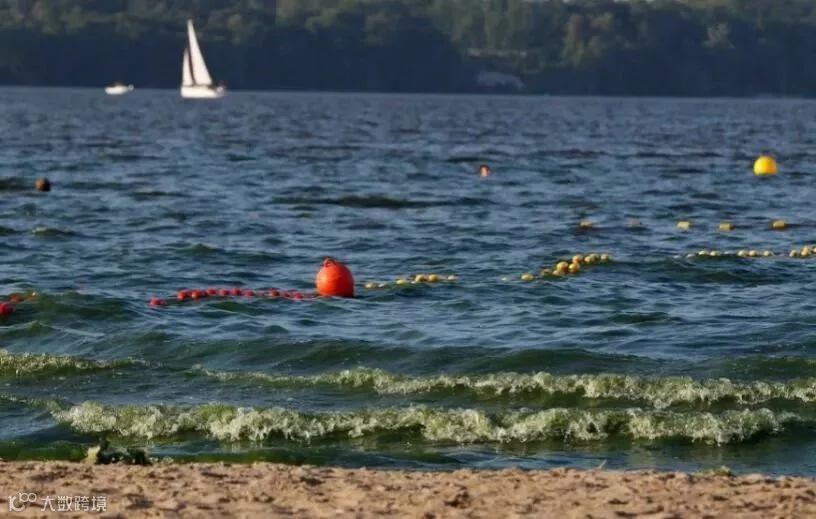
The countries surrounding the Baltic Sea also have been slow to turn their attention to climate change.
波罗的海的周边国家也迟迟未把注意力转向气候变化。
Reusch noted the successes of the fishing quotas aimed at helping stocks recover are being erased by the effects of higher temperatures. The solutions to the most vicious problems, he said, start many miles away from the water. They require people to change how they farm, how much money they are willing to spend on food, how they travel and so on.
Reusch注意到,旨在帮助鱼类恢复的捕捞配额的成功正被更高温度的影响所抵消。他说,解决这些严重问题的办法得从和海洋相距甚远的方面入手。他们要求人们改变耕种方式,改变食物预算,改变旅行方式等等。
But he remains hopeful countries can coordinate their response.
但他仍然抱有希望,认为各国能够协同一致,应对问题。
编译:貟扬
排版:貟扬
新闻及图片来源:华盛顿邮报、百度图片
指导教师:刘佳