



01
What’s happening
避孕药的前世今生
In the late 1950s, an American biologist named Gregory Pincus began researching how hormones might influence the female reproductive cycle and thus prevent pregnancy. In 1960, the first oral contraceptive was approved by the FDA.
20世纪50年代末,美国生物学家格雷戈里·平卡斯着手研究激素对女性生殖周期的影响,从而避免女性怀孕。1960年,美国食品药物管理局批准了第一款口服避孕药。
Pincus’s work led to one of the most important medical breakthroughs in modern history. Over the past 50 years, various forms of hormonal birth control have become so common they’re known simply as “the pill.” But Pincus didn’t focus only on women. He also hoped to create a similar treatment for males. After minimal research, however, he abandoned the pursuit.
平卡斯的研究促成了现代历史中最重要的医学突破之一。在过去的50年间,各种激素避孕方式已十分普遍,因而被直接称为“避孕药”。但事实上,平卡斯不仅探索了女性避孕,他同样有意向研发适合男性服用的避孕药。然而,经过少量调查后,他就放弃了这个想法。
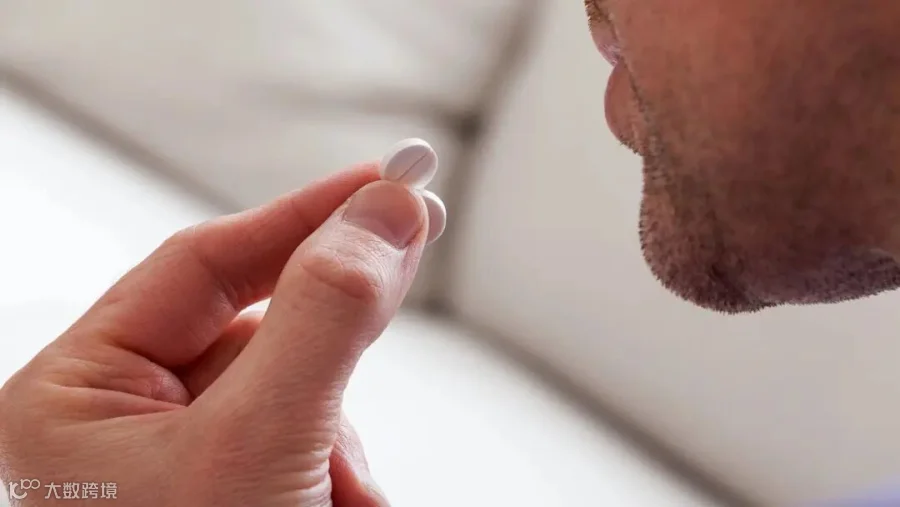
To this day, no male birth control product has made it to market. But over the past year, there has been promising early progress on new treatments — including a pill, a gel that’s rubbed onto the skin and an injection that acts as a nonsurgical vasectomy — that could finally bring the first male contraceptive to the public. If that happens, research suggests a “male pill” could drastically reduce unplanned pregnancies, especially in developing countries.
直到今天,市面上仍看不到任何男性避孕类药品。但在去年,男性避孕药品的研发有了较为理想的新进展:一种口服药丸,一种涂抹在皮肤表面的凝胶和一种可以替代输精管切除术的注射剂——它们都将推动第一款男性避孕药品的面世。研究表明,如果男性避孕药品研发成功,将大幅度减少意外怀孕的情况,在发展中国家效果会尤为明显。
Recent clinical trials of male contraceptives have shown promising results, but experts say it could be another 10 years or more before any of the drugs are made available to the public.
虽然男性避孕药近期临床试验结果喜人,但专家表示,该药还需至少十年时间才能进入市场。


02
Why there’s debate?
男性避孕药研发为何止步不前?
There are a number of factors that have prevented the creation of male birth control, some of them medical and others societal.
阻碍男性避孕产品研发的因素很多,既有医学上的技术难题,也有源于社会上的各种压力。
Part of the challenge comes down to simple biology. To interrupt fertility in a female body, a contraceptive needs to prevent a single egg from being fertilized, which can only occur in a limited time window. Males, on the other hand, create 1,500 sperm a second and are fertile at all times. Hormonal treatments in development are designed to limit sperm production by lowering testosterone levels. But the effects need to be calibrated just right. Testosterone levels need to be low enough to create infertility — but they can’t go so low as to cause side effects like decreased libido.
首先是来自生物学上的挑战。女性避孕药的原理是,阻止只在有限时间段内出现的唯一卵子受精。与女性不同的是,男性在一秒内可以产生1500个精子,且这些精子能够一直保持活性。目前的激素避孕试图通过降低睾酮水平控制精子产出,但其效果需要精确校准——睾酮水平低到一定程度才能达到避孕的效果,但是过低则会产生性欲消退等副作用。
Beyond medical reasons, the development of male birth control has been hampered by a lack of interest by the pharmaceutical industry and rules about which side effects are permissible in drugs. A large clinical study in 2016 was halted after men in the trial reported serious side effects, including mood swings, altered libido and acne — issues commonly associated with female birth control. Cultural factors, such as the notion that women are responsible for contraception, and fear that birth control would make men less masculine are also frequently cited as inhibiting research.
除了医学研发方面的阻碍之外,制药产业研发意向较低、药物副作用管控条例不明,同样阻碍着男性避孕药的发展。2016年,一项大型临床研究被迫叫停,因为参与实验的男性出现了包括情绪波动、性欲变化以及痤疮的严重副作用。其实女性避孕过程中也同样面对这些常见副作用。此外,一些社会文化因素也是阻碍研究的,如:认为女性应该负责避孕的观念,认为节育会使男性失去男子气概的担忧等,也经常被认为是阻碍研究的因素。


03
究竟是什么使得男性避孕药研发困难重重?
下面是几种主要观点:
1.The female reproductive system is easier to disrupt with hormones
女性生殖系统更易受激素干扰控制
“Female birth control is about preventing the fertilization of one ovum, primed for procreation once per month. That’s it. Male birth control requires wrangling millions of sperm produced constantly and en masse.” — Joshua A. Krisch, Fatherly
“女性避孕的原理是阻止每个月产生的具有生育能力的一个卵子受精。这很简单。男性避孕则需要把成千上万个不断产生的精子全部赶拢在一起,防止它们和卵子结合。”——约书亚·基尔希,Fatherly(美国亲子媒体网站)
2.The burden of contraception falls on women
避孕的责任在于女性
“A big part of the answer is that, as a society, we consider the work of pregnancy prevention to be women’s work.” — Katrina Kimport, Gizmodo
“很大一部分原因是,在社会观念中我们认为避孕是女性的职责。”——卡里特娜·吉姆博特,Gizmodo(美国科技博客)
3.Pharmaceutical companies don’t see male birth control as profitable
制药公司认为男性避孕药品无利可图
“The thought is that industry pulled away from male contraceptive development due to concerns that the market was already saturated with female methods. Moving into the male market, where the risk profile is uncertain, was too risky.” — Dr. Jill Long, Inverse
“我的想法是,制药行业不研究男性避孕药,出于对女性避孕市场已经饱和的顾虑。男性避孕市场风险不明,擅自进军,风险太大。”——吉尔·朗博士,Inverse(美国媒体社区)
4.Women face greater risks from pregnancies
女性面临更大的妊娠风险
“The need for female contraceptives has been greater historically because pregnancy and childbirth can be dangerous, even life-threatening. Men face no similar danger, so medical regulators have had a much lower tolerance for risks caused by male contraceptives compared to female contraceptives.” — Julia Belluz, Vox
“由于怀孕和分娩十分危险,甚至可能危及生命,女性避孕药的需求不断增加。男性则不会面临这样的危险,因此医疗监管机构对男性避孕药所带来风险的容忍程度远低于女性避孕药。”——朱莉亚·贝卢兹,Vox(美国新闻网站)
5.Finding the right balance of hormones is tricky
在男性体内找到激素平衡点非常困难
“There's a challenge with hormonal birth control: suppressing testosterone in men to super-low levels while avoiding the side effects of low hormone levels, such as changes in sexual function.” — Michael Nedelman and Jamie Gumbrecht, CNN
“激素避孕面临这样的挑战:在抑制男性睾酮到超低水平的同时避免荷尔蒙过低引发的副作用,如:性功能的改变。”——迈克尔·内德曼和杰米·贡布雷希特,CNN(美国有线电视新闻网)
6.Side effects are seen as less acceptable in male contraceptives
男性避孕药的副作用更难被接受
“While certain symptoms are considered acceptable in female contraceptives, because they are weighed against the risks of pregnancy, they are often viewed as ‘deal breakers’ for male contraceptives, because the comparison group is healthy young men.” — Lisa Campo-Engelstein, BBC
“在怀孕的诸多风险面前,服用女性避孕药后的部分症状被视为可接受。然而,当参照变为健康、年轻的男性,男性避孕药的副作用常常无法被接受。”——丽莎·坎普-英格尔斯汀,BBC(英国广播公司)
7.Men may not want to take it
男性可能不愿意服用避孕药
“It’s not clear whether men would take a birth control pill: Some surveys show that men are reluctant, while others suggest the opposite. The most pervasive feeling might be apathy — a sense of complacency because women are running the contraceptive show.” — Arielle Pardes, Wired
“我们并不清楚男性是否愿意服用避孕药:一些研究表明他们不愿意,而另一些又称他们愿意。男性对服用避孕药这件事最普遍的态度是漠不关心和满足现状,因为这场关于避孕药的革命是由女性主导的。”——阿丽尔·帕德斯,Wired(英国科技新闻评论网)

原文链接:https://www.yahoo.com/news/why-isnt-there-a-male-birth-control-pill-173446853.html?from=groupmessage&isappinstalled=0
编译|李旻艺 黄思谊 陆风后 刘宇航 周冰倩
排版|黄思谊