

编者按
在哥伦比亚一个历史小镇,帕伦克语正在逐渐消亡。多亏了一个嘻哈团体把帕伦克语加入说唱,用音乐宣传文化,才让这门拥有几个世纪历史的语言,在21世纪重放光彩。
Rap folklórico palenquero represents the voice of the people, says Andris Padilla Julio, leader of the Afro-Colombian hip-hop group Kombilesa Mi(“my friends” in Palenquero). The crew rapidly switches between Spanish and another language – but it is not English, the international language of hip-hop.
非裔哥伦比亚嘻哈团体Kombilesa Mi(帕伦克语“我的朋友”)队长安德里斯·帕迪利亚·胡里奥说,帕伦克语说唱代表的是当地人的声音。该团体在西班牙语和另一语种之间迅速切换,但这一语种并不是嘻哈通行的语言——英语,而是帕伦克语。
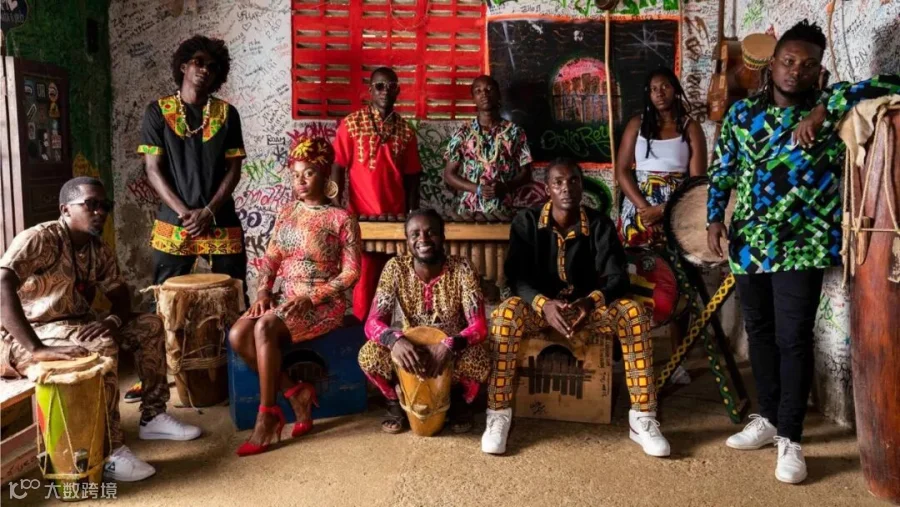
The other language is Palenquero, one of the two creole languages native to Colombia. There are 68 indigenous languages in the country, and many of them are under threat of going extinct from “pressure to assimilate” or Colombia’s long-running internal conflict with drug cartels and paramilitary forces.
帕伦克语是哥伦比亚本土两种克里奥尔语之一。哥伦比亚有68种本土语言,但大多数都受到“被同化的压力”或哥伦比亚贩毒集团和准军事部队之间长期内部冲突的影响,因而面临消亡的威胁。
克里奥尔语:一种“混合语”,由皮钦语演变而来。“克里奥尔”原意为“混合”,泛指世界上那些由葡萄牙语、英语、法语以及非洲语言混合并简化而生的语言,美国南部、加勒比地区以及西非的一些地方所说的语言也都统称为克里奥尔语。
Palenquero traces its linguistic roots to the Bantu language family native to sub-Saharan Africa, and includes influence from several romance languages as well. It is centuries old, and hip-hop might help it survive further into the 21st Century.
帕伦克语的语言根源可以追溯到非洲撒哈拉沙漠以南的班图语系,同时也受到几种罗曼斯语(由拉丁语演变而成的语言)的影响。帕伦克语已经有几个世纪长的历史了,而嘻哈或许能帮助延续它在21世纪的生命。
“At one point, Palenquero was considered poorly spoken Spanish, and because of that, people felt bad and decided not to speak it,” says Padilla Julio. A grassroots revival in the latter half of the 20th Century sought to fight these negative stereotypes while at the same time re-establishing the language among the town’s roughly 3,500 inhabitants.
“帕伦克语一度被以为是说得糟糕的西班牙语。正因如此,说帕伦克语的人们心生不快,也就决定不再使用这门语言了。”帕迪利亚·胡里奥说。20世纪下半叶,草根阶层复兴,试图与这些负面的刻板印象斗争。同时,他们也在帕伦克镇约3500名居民中恢复了帕伦克语的使用。
Similarly, Kombilesa Mi places an emphasis on language and identity through its music, partly making Palenquero words and phrases accessible to audiences. “If we want people to learn how to say goodbye, we do it by singing, adding some rhythm, and people enjoy that,” says Padilla Julia. This common didactic approach also explains why, for Padilla Julio, hip-hop is such a natural foundation for a rap version of folklórico palenquero: “With hip-hop, people can dance but they also listen, and since I’m interested in delivering a message... hip-hop allows me to do that and that’s why I love it.”
与这些草根平民相似,嘻哈团体Kombilesa Mi通过音乐强调他们的语言和身份,让帕伦克语的部分单词和短语走向听众。“如果我们想让人们学会如何(用帕伦克语)说再见,我们就给它加上一段节奏,然后再唱出来。人们很喜欢这种形式。”帕迪利亚·胡里奥说。这种常见的“教学方法”也解释了为什么对于帕迪利亚·胡里奥而言,嘻哈音乐为帕伦克语说唱提供了得天独厚的条件:“在嘻哈里,人们既可以跳,也可以听,既然我本身也对表达想法感兴趣……嘻哈让我可以做到这些,所以我喜欢它。”
Adapting the rhythmic elements of hip-hop to traditional Palenque music and instruments cements it into the community. Though ultimately, it is hip-hop’s legacy as a form of social protest that gives rap folklórico palenquero its sense of immediacy. “People see in us [Kombilesa Mi] that courage, that voice of support, that voice of protest, struggle,” adds Padilla Julio. “And the way that we’re using hip-hop, we’re not just protesting, but making ourselves stronger, too.” This is important given both the social context and history of San Basilio de Palenque, a town of 3500 people at the base of the Montes de María and the home of Kombilesa Mi.
通过结合嘻哈中的节奏元素和帕伦克传统的音乐、乐器,嘻哈融入了当地居民。归根结底,这都是嘻哈的馈赠——嘻哈作为一种社会抗议形式,赋予了帕伦克语说唱一种紧跟时事的特性。“人们在我们的团体中看到了勇气,看到了我们敢于发声支持、抗议和斗争的一面,”帕迪利亚·胡里奥补充道。“我们玩嘻哈,不仅是在抗议,也是在让自己变得更强大。”圣巴西里奥德帕伦克镇(以下简称帕伦克镇)是玛丽亚山脚下的一个3500人的小镇,也是Kombilesa Mi的故乡。考虑到它的社会背景和历史,用帕伦克语说唱来抗争对于Kombilesa Mi乐队非常重要。
For centuries, San Basilio de Palenque has been a symbol of resistance, one that shines through in its language, culture, and identity. The small town is known historically as the first free settlement in the Americas; escaped African slaves bound for Colombian plantations settled the town in the 17th Century and were granted their freedom in perpetuity in the 18th Century after nearly a century of fighting Spanish colonialists. It's the only settlement of its kind that survives into the present.
几个世纪以来,帕伦克镇拥有灿烂的语言、文化和信仰,秉承英勇抗争的精神传统。这个小镇被认为是美洲殖民历史上第一个自由的城镇:17世纪,逃离哥伦比亚种植园的非洲奴隶在此定居;在与西班牙殖民者战斗了近一个世纪后,他们在18世纪被赋予了永久的自由。它也是同类型遗址中唯一幸存至今的。
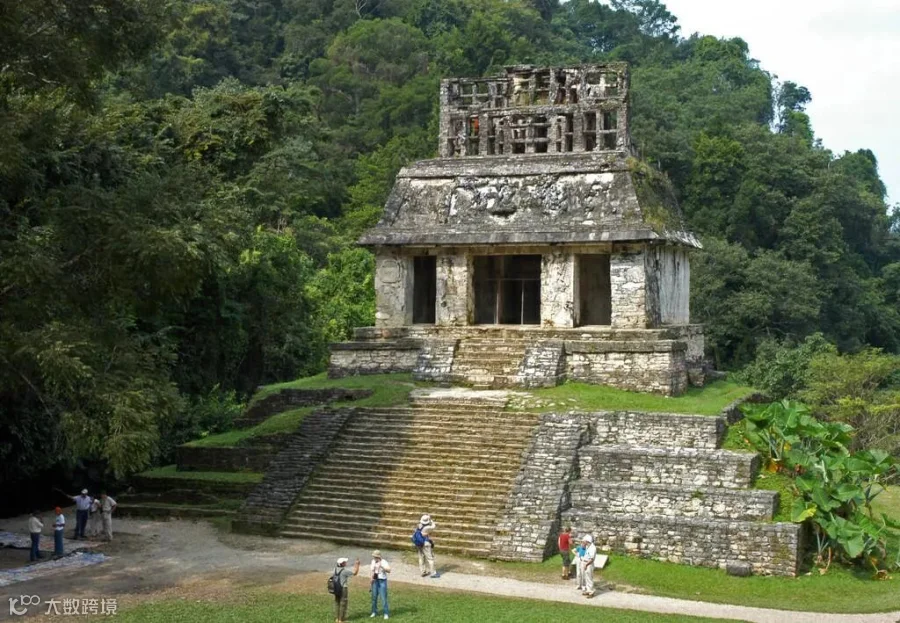
As a result, In 2005, Unesco recognised San Basilio de Palenque by adding it to the List of the Intangible Cultural Heritage of Humanity. Kombilesa Mi have dedicated themselves to preserving this legacy, in the same way it was passed on to the group’s members. “That’s what our teachers used to tell us, that Palenque culture goes from generation to generation,” says Padilla Julio.
因此,2005年,联合国教科文组织将帕伦克镇列入人类非物质文化遗产名录。Kombilesa Mi乐队自幼传承这一文化,也致力于保护这一文化遗产。帕迪利亚·胡里奥说,“从小老师就是这么教我们的,说帕伦克的文化必须代代相传。“
On Tuesdays and Thursdays, for example, workshops on language, hairstyling, and community identity are held. On the remaining weekdays, the groups offers music and dance classes. “We do this so that the kids can grow up with a solid identity,” says Guillermo Camacho, manager of Kombilesa Mi. “Our work is to strengthen Palenquero identity through music and language has always been an element that’s allowed us to strengthen our community.” The group also works on community murals, which often feature phrases in Palenquero.
每当周二和周四,乐队会举办关于语言、发型设计和社会意识方面的工作坊。而在其他工作日时,该乐队就提供音乐和舞蹈方面的课程。“我们举行这些活动,是希望孩子们长大以后,都能拥有强烈的身份认同感。”乐队经理吉列尔莫·卡马乔说,“我们做这些,是希望通过音乐加强人们对帕伦克文化的认同感。同时,语言也是强化社会认同重要的一环。”除此之外,该乐队也常在创作壁画时融入帕伦克短语作为特色。
Rap folklórico palenquero is at the heart of these initiatives. As such, hip-hop has been embraced into the community in a big way, especially among the youth, says Padilla Julio. This, he explains, is a byproduct of its fusion with Palenque culture and tradition rather than prior attempts to imitate hip-hop from other countries, such as Venezuela, Cuba, or the United States. Above all, rap folklórico palenquero has helped the community learn that hip-hop is a genre that encourages its listeners to “raise your voice and protest”.
帕迪利亚·胡里奥还表示,帕伦克语说唱是这些创意活动的核心。正因如此,嘻哈如今已经很大程度上融入了社会,尤其是在年轻人中。他解释道,帕伦克语说唱与之前模仿委内瑞拉、古巴或美国等其他国家的嘻哈文化的尝试完全不同,而是真正将嘻哈与帕伦克文化传统结合起来的产物。最重要的是,帕伦克语说唱让镇上的居民意识到嘻哈是一种能激励听众“敢于发声,勇于反抗”的音乐。
For Camacho, this ability to question the status quo resonates with the lives of Palenque speakers, from poor water and electric systems to cultural appropriation. “What does it mean to be free when you don’t have access to education, to healthcare, to good jobs?” he asks. “What does freedom mean when they discriminate against you because of the colour of your skin?”
卡马乔表示, 从糟糕的水电系统到文化挪用,嘻哈这种质疑现状的能力能让帕伦克人产生共鸣。“当你无法获得教育资源、医疗资源和一份好工作时,自由意味着什么?当你因为肤色而饱受歧视的时候,自由又意味着什么?”卡马乔反问道。
Kombilesa Mi are currently preparing for the release of their second album, entitled Esa Palenquera. A celebration of women and their contributions to Palenque, the album was recorded in the mountains of Minca, at the studio of producer Cristián Castaño.
目前,Kombilesa Mi正在准备他们的第二张专辑《Esa Palenquera》,以此歌颂当地女性及其对帕伦克镇的贡献。该专辑录制于米卡山上制作人克里斯蒂安·卡斯塔尼奥的工作室。
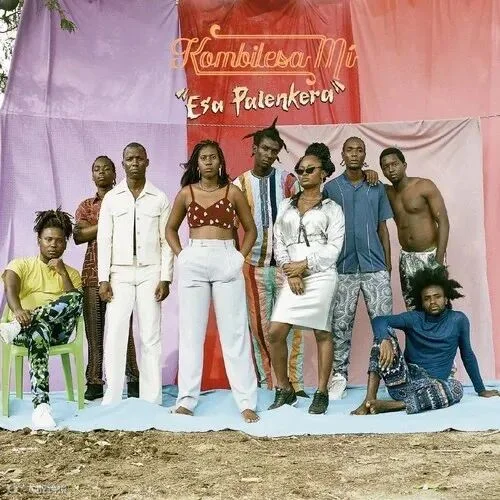
The change of scenery coincided with an overall shift to a more organic sound. There are no guitars, nor digital instruments, just rap folklórico palenquero in its purest form, with tracks named for traditional dances such as Mapalé and Pica Pica, or a popular traditional beverage in the case of Ñeque. Others, such as No Más Siscriminación, carry an explicit social message. Los Peinados, in turn, takes a didactic approach, instructing the listener on the history of routes braided into the hair of escaped slaves, with a reference to Los Montes de María where the first palenque settlements were established.
录制场景发生变化的同时,音乐也随之变得更加原始。这里没有吉他,也没有电子乐器,有的只是纯粹的帕伦克语说唱。专辑中的歌曲有的以帕伦克传统舞蹈为名,如《Mapalé》和《Pica Pica》;有的以镇上一款流行的传统饮料为名,如《Ñeque》。其他的一些歌名,如《No Más Siscriminación》(“不再歧视”)则传达了明确的社会信息。而《Los Peinados》(“发型”)则采用了说教的方式,借用奴隶当时梳着发辫的发型,向听众讲述了历史上小镇居民的逃跑路线,其中还提到了帕伦克人最早的定居地——玛丽亚山。
In the end, each of these kinds of tracks fulfills the purpose of rap folklórico palenquero. “This is what the town’s residents have been looking for a long time,” says Padilla Julio, “a way for the younger generation to guarantee, in part, the future of San Basilio de Palenque’s traditions.”
最后,专辑里每一首歌都实现了乐队用帕伦克语说唱的初心。“这是镇上的居民期待已久的事情,”帕迪利亚·胡里奥说,“某种程度上,这种方式能够确保帕伦克镇的文化传统代代相传。”

素材来源:http://www.bbc.com/culture/story/20191024-how-hip-hop-is-saving-a-dying-colombian-language
编译:李旻艺 黄思谊 陆风后 刘宇航 周冰倩 马林
排版;周冰倩
指导老师:刘佳