

本文约1500字 阅读需10分钟

Amrou Al-Khadi: ‘When I started drag, it felt like the ultimate rejection of everything I was taught in the Middle East.’
Amrou Al-Khadi说:“每当我开始变装时,这种感觉就像是对我在中东所学的一切的终极抗拒。”

因身份而痛苦
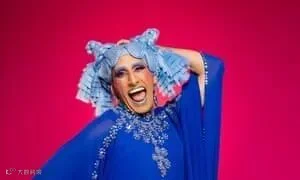
照片由英国卫报的David Levene 所拍摄。
Al-Kadhi – who is a screenwriter 60% of the time, a drag queen the rest and uses the pronoun “they” – is very open. Their book Unicorn: The Memoir of a Muslim Drag Queen is published this month. It is full of intimate revelations, all of which echo with the painful “coded silences” that dominated their youth.
Al-Kadhi是个非常开放的人,在他60%的时间里他是个编剧,而在剩下的时间里他则是个变装女王,并且以非二元性别者自称。他的书《独角兽:一个穆斯林变装女王的回忆录》在这个月出版了。这本书中有很多关于私密生活的揭露,呼应着那曾支配他青春的痛苦的“缄默”。
Al-Kadhi, 29, is British Iraqi, but grew up in Dubai, then Bahrain, before moving to London. They are gay, Muslim, Eton-educated, a twin, a writer, performer: it’s a lot of life for a 29-year-old.
时年29岁的Al-Kadhi是英国籍伊拉克人,但在搬到伦敦之前,他先后在迪拜和巴林长大。他是同性恋,是一个受过伊顿公学教育的穆斯林,是双胞胎之一,是一个作家,也是一位表演者。对于一个29岁的人来说,这是一段很丰富的生活。
Al-Kadhi was 10 when they realised they were gay, having fantasised about the cartoon Robin Hood, and then Macaulay Culkin in Home Alone. But their parents couldn’t accept the possibility that Al-Kadhiwas anything but heterosexual. “Even if you feel gay, just sleep with girls, and you will no longer be gay” was their father’s advice, backed up by anti-homosexual teaching at school that provoked terrifying nightmares. Al-Kadhi still often wakes to find the bedding on the far side of the room.
Al-Kadhi在十岁的时候意识到自己是同性恋,并且对卡通片《罗宾汉》里的人物以及《小鬼当家》中的Macaulay Culkin先后有过一些幻想。但是他的父母连他不是异性恋的可能性都接受不了。对此,他父亲对他的建议是:“就算你感觉你是同性恋,你只要跟女生上床就好了,然后你就不再是同性恋了。”这个建议受学校反同性恋教育的支持。该反同性恋教育曾引发Al-Kadhi无数可怕噩梦,他到现在仍然经常在醒来后发现自己远远来到了房间的另一头。
Their book details the various methods, some harrowing, they tried in order to gain short-term relief from the unbearable sense of a divided life: from acting to abusive relationships, chemsexparties, academic perfectionism and a passion for tropical aquariums. There’s also a unicorn tattoo, on Al-Kadhi’s chest, the rump of which they used to rub, for comfort and luck.
他的书详述了自己曾尝试过的不同方法,以求从无法忍受的分裂生活中获得短时间解脱,其中有些令人痛苦。这些方法中包括演戏、虐待关系、药物性爱派对、学术完美主义以及对热带水族馆的热情。在Al-Kadhi胸口还有一个独角兽纹身,他过去经常通过摩擦它的臀部来获得安慰与好运。
变装是唯一的解药
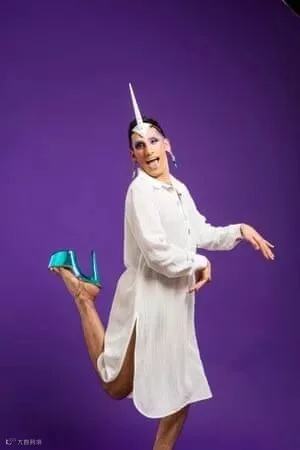
照片由英国卫报的David Levene 所拍摄。

‘As soon as I stop working, I feel quite a lot of sorrow.’
“一旦我停止工作,我会感到非常悲伤。”

And then, of course, there was drag. “Whenever I’ve had violence against me, or something really upsetting has happened, the first thing I think is: I need to be in drag, and on stage tonight,” Al-Kadhisays.
接着当然就是变装了。“每当我想自虐,或者当一些真的令我很难过的事情发生时,我第一个想到的事情就是:我需要变装,并且今晚就登台。”Al-Kadhi 如是说道。
Getting ready is a kind of meditation. “I’m talking the meticulous drawing of the brow. Trying to get every line right. I love it. So peaceful.” We have finally found somewhere to talk, settling with a coffee in a theatre cafe, and their fingers are tracing careful arches above each eye as they speak. “Gluing eyebrows, putting on foundation. It’s the transportation. Very mindful.”
准备的过程对我来说是一种冥想。“我指的是精心画眉毛的过程,尝试把每一条线都画完美。我非常爱这过程,因为它十分平静。”我们俩终于找到了一个能够交谈的地方,在剧院咖啡厅喝着咖啡,当Al-Kadhi说话时,他的手指在眼睛上方细致地描绘弧形。“画眉毛、打粉底让我感受到了真正情感的传递,充满正念。”
It was at Cambridge University that Al-Kadhi discovered drag, organising events and becoming a “drag mother” to their fellow queens in the university’s first professional drag band. “When I started doing drag, it felt like the ultimate rejection of everything I was taught in the Middle East.” But the variance between the joy of performance and the repercussions from disapproving family in Dubai only heightened the sense of being at odds with themselves.
正是在剑桥大学,Al-Kadhi发现了变装,组织了活动,并在剑桥大学的第一个专业变装乐队中成为了其他变装皇后的“妈妈”。“当我开始变装,感觉就像我在中东学到的所有东西都被彻底抛弃了。”但是表演带来的喜悦和和在迪拜的家人的不赞同带来的影响间的差异,只会加剧他自己格格不入的感觉。
It wasn’t liberating? “It wasn’t! I felt like I was lying. I was trying to live out things that I didn’t actually believe about myself. Everyone was looking to me as this voice of liberation. And I just wasn’t that ... Whenever the drag came off, I would have a nervous breakdown.”
这不是解放?“这不是!我感觉我在说谎。我在尝试着过我不相信自己能做到的生活。每个人都指望我是一种解放的声音。但我就不是……无论何时只要变装结束,我就会精神崩溃。”
Al-Kadhi, who performs as Glamrou, says they experienced their “first set of breakdowns” around this time. But they still scored the highest first in their year, so some portion of life must have remained intact; or, perhaps, the devastation was medicated with an obsession with work.
Al-Kadhi扮演的是Glamrou,他说大约在这个时候,他经历了第一次崩溃。但他依然是年级里成绩最好的,所以他的生活中一定有一部分是完整的;或者,也许是对工作的痴迷治愈着这种毁灭性打击。
Even now, Al-Kadhi works six days a week, 9am to 9pm. Unicorn was written in six weeks of solid 10-hour days. “As soon as I stop working, I feel quite a lot of sorrow,” they say, toying nervously with the toggle of their hoodie. “If I take a day or two off, I can’t stop crying. The amount of work it takes for a queer person to do well in life is exhausting!”
即使是现在,Al-Kadhi一周工作六天,从早上9点到晚上9点。《独角兽》是在连续6周,每天10个小时的时间里写成的。“一停止工作,我就感到非常悲伤”,他一边说,一边紧张地拨弄着连帽衫粉纽扣。如果我请了一两天假,我就会哭个不停。一个酷儿为了在生活中过的好而需要做的工作太累人了!
亲人的极度不理解
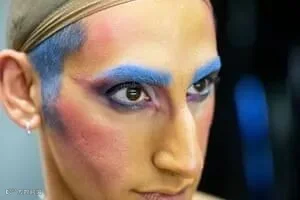
照片由英国卫报的David Levene 所拍摄。

‘For me, the one thing that really helps is putting it out there and having it resonate with people.’
对我来说,真正有用的是把它展现出来,让它与人们产生共鸣。

As a young man, whenever Al-Kadhi was caught by their parents watching gay TV shows or films or referring to their homosexuality in texts to friends, their parents would confront them. “My dad actually said to me: ‘You don’t have to keep talking to us about this gay stuff. Talk to us about the weather if you have to. Just don’t bring that up.’”
作为一个年轻人,每当Al-Kadhi被他们的父母发现在看同性恋电视节目或电影,或在给朋友的短信中提到他们的同性恋时,他们的父母都会当面质问他们。“我爸爸实际上对我说:‘你不必一直跟我们谈论同性恋的事情。如果想谈话,就跟我们谈谈天气吧。千万别提起这件事。’”
Yet despite this conflict, love runs through this book. Al-Kadhi’s mother, they say, “says I’m the greatest love of her life”. She says that still? Even while Al-Kadhi celebrates their queer identity in drag performances?
尽管有这些冲突,爱仍然贯穿全书。Al-Kadhi说,他母亲说他是她一生中的最爱。她现在仍然还这么说?即使是在Al-Kadhi通过变装表演来庆祝他们的酷儿身份的时候?
“She does say that. But she always caveats it: ‘You’re the greatest love of my life – and the person who’s ruined my life.’”
“她确实这么说。但她总是告诫我:‘你是我一生中最爱的人——也是那个毁了我一生的人。’”
Writing the book was partly an attempt to understand this relationship. “A lot of women in the Middle East tend to be the voicepiece of the patriarchy because of the domestic role that they occupy,” Al-Kadhi says.
写这本书在一定程度上是为了理解这种关系。Al-Kadhi说:“许多中东妇女往往是父权制的代言人,因为她们在家庭中所扮演的角色。”
Their mother is presented as someone who will go to any lengths for the right look. She once deployed the services of a welder to effect a last-minute repair to a dress. All this might make a person appear ridiculous. “But I got it – ’cos me too! Clothes mean a lot to me,” Al-Kadhi says. The two recently bonded over their mother’s quest for a tropical-themed hat. “I’m the daughter she never had.”
她们的母亲被描述成一个为了漂亮不惜一切代价的人。有一次,她派了一名焊工在最后一分钟修理一件衣服。所有这些可能会让一个人看起来很可笑。“但我能理解——因为我也这样!”衣服对我来说很重要,”Al-Kadhi说。这两个人最近因为妈妈想要一顶热带主题的帽子而走到了一起。“我是她一直想要的女儿。”
So it is not surprising that, as Glamrou, their favourite outfits are “the ones that remind me of my mum … There’s this emerald, snakeskin-type dress. Whenever I wear it, everyone says: ‘You look like your mum!’ I love wearing that. I also love wearing Islamic abayas.”
因此,作为Glamrou,他最喜欢的服装是“那些让我想起我妈妈的衣服”也就不足为奇了。“每次我穿了这件祖母绿的蛇形连衣裙,每个人都说:‘你看起来像你妈妈!’我喜欢穿着它。我也喜欢穿伊斯兰长袍。”
Their early drag aped white stars such as Lady Gaga and Lana Del Rey, and in this sense clothing once caused a fissure not just between Al-Kadhi and their mother, but between Al-Kadhi and their cultural heritage and even race. Now, however, costume is helping them to narrow the gaps. “I like that feeling of inserting myself in my heritage through being queer,” they say.
他早期的变装模仿了Lady Gaga和Lana Del Rey等白人明星,从这个意义上说,服装曾经造成了Al-Kadhi和母亲之间的分歧,也造成了Al-Kadhi和他们的文化遗产甚至种族之间的分歧。然而现在,服装帮助他们缩小了差距。他说:“我喜欢那种通过成为酷儿而将自己融入传统的感觉。”
Religion too is no longer something to be feared. Al-Kadhi uses the pronoun “they” for Allah. “The way that I conceptualise Allah is that they’ve gone from being a source of self-punishment to being a source of self-love.”
宗教也不再是什么可怕的东西。Al-Kadhi用代词“they”代表安拉。“我对安拉的理解是,他已经从自我惩罚的来源变成了自爱的来源。”
Al-Kadhi has even left their old drag group, Denim, to pursue solo performance in a show called Glamrou: From Quran to Queen, because “all the other Denims are white … Whenever I tried to explore race within the show it would have to be quite a cursory five minutes.” Striking out on their own has given Al-Kadhi a platform from which to address race – last week they praised Naga Munchetty live on the BBC for speaking out against racism.
Al-Kadhi甚至离开了他们曾经的变装组合Denim,去追求在一档名为Glamrou:From Quran to Queen的节目中独自表演的机会。(他这样做是)因为“其他所有的Denim成员都是白人……每当我试图在节目中探讨种族问题时,都只能非常匆忙地讲五分钟。”单打独斗给了Al-Kadhi一个谈论种族问题的平台——上周他在BBC直播中赞扬了Naga Munchetty公开反对种族主义。
The memoir acts as a sort of guidebook to this wholesale reassertion of a cohesive identity, culminating in the moment when Al-Kadhi explains that they regard their biological mother as a sort of long-lost drag mother. Have they ever told her this?
这本回忆录就像一本指南,指引着这个处处彰显着凝聚力的群体。当Al-Kadhi解释说,他把自己的生母看作是一种失散多年的变装妈妈时,这本书达到了高潮。他告诉过母亲这个吗?
(drag mother是变装皇后届类似师傅的角色,drag mother为刚入行的drag daughter提供指导、支持并分享自己的化妆技巧)
“Yeah, I have actually said that once. And she just said: ‘Why would you want to be a woman?’ Oddly enough, her position as a woman and my position as a queer person in society brings us really close despite the huge gulf of things we can’t talk about.”
“是的,我的确说过一次。她只是说:‘你为什么想成为一个女人?’奇怪的是,尽管我们不能谈论的事情非常多,但在社会上她作为一个女人的处境和我作为一个酷儿的处境让我们非常亲密。”
Ramy, Al-Kadhi’s twin brother, is the only family member to have watched Al-Kadhi perform. “He’s very proud of me. I think he’s more in awe, to be honest – of how different my life has turned out to everyone I am related to,” Al-Kadhi says.
Al-Kadhi的孪生兄弟Ramy是家里唯一看过Al-Kadhi表演的人。“他以我为荣。说实话,我觉得他更敬畏的是,我的生活和我所有的亲人都那么不同。”Al-Kadhi说。
But Ramy has not seen the book; neither have Al-Kadhi’s parents. “Thankfully, they are not stocking it in Dubai any time soon,” Al-Kadhi says. When they told their mother about the memoir, she said: “‘Is there anything I’m not going to like?’ And I said: ‘Well, you don’t like the fact that I do drag, you don’t like the fact that I’m gay, you don’t like the fact that I wear pink socks. So you are not going to like most of this book … I don’t know if I will have a relationship with them after this.”
但是Ramy没有看过这本书; Al-Kadhi的父母也没有。Al-Kadhi说:“值得庆幸的是,迪拜(的书店)短期内都不会进这本书。”当他把回忆录的事告诉母亲时,她说: ‘书里有什么我不会喜欢的内容吗?’我说:‘嗯,你不喜欢我变装,你不喜欢我是同性恋,你不喜欢我穿粉色袜子。所以这本书的一大半你都不会喜欢……我不知道在这之后他们是否还愿意跟我来往。”
所以为什么还要变装?
“I have had all kinds of therapy, meds, everything,” Al-Kadhi says. “For me, the one thing that really helps is putting it out there and having it resonate with people … I said to my mum: ‘It’s my only coping mechanism.’ It stops me from doing something quite dangerous to myself. I didn’t have a choice. I had to write it.” They are pulling at the top of their hoodie again – nervously, I assume. But Al-Kadhi smiles and says what they are really doing is touching the rump of the unicorn beneath.
Al-Kadhi说:“我接受过各种治疗,药物,什么方法都试过了。”“对我来说,真正有帮助的做法就是把它公之于众,让它与人们产生共鸣……我对妈妈说:‘这是我唯一的应对机制。’它阻止了我做一些对我自己相当危险的事情。我别无选择。我必须写出来。”他又在扯帽衫了——我想他一定很紧张吧。但是Al-Kadhi笑着说,其实他正在摸帽衫下独角兽的屁股。

新闻来源:
https://www.theguardian.com/culture/2019/oct/09/muslim-drag-queen-amrou-al-kadhi-whenever-the-drag-came-off-id-have-a-nervous-breakdown
编译/审核|黄思谊、周筱楠、穆沁阳
排版|黄思谊