
本文共2821字
阅读约需8分钟
Is biohacking ethical? It’s complicated.
A new Netflix series explains why.
生物黑客道德吗?这很复杂。
Netflix的一部新剧解释了其中的原因。
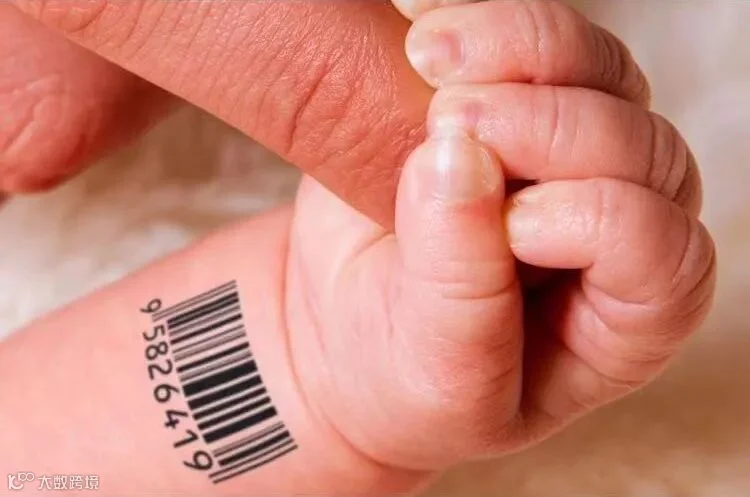
Unnatural Selection tackles tough questions about CRISPR gene editing, designer babies, and more.
非自然选择解决了CRISPR基因编辑、定制婴儿等难题。
(定制婴儿指通过“植入前基因诊断”,用“试管受孕”形成胚胎,然后检验胚胎的基因,再选择不具有特定基因(例如癌症)的胚胎植入母体,最后发育成婴儿。)
Is it ethical to edit your child’s DNA — or your own? Does the answer depend on whether you’re perfectly healthy or have a condition like vision loss or are dying of a degenerative disease? And does it matter whether you’ve got a PhD or never set foot in a college classroom?
编辑你孩子的DNA——或者你自己的DNA——合乎道德吗?这个问题的答案是否取决于你是完全健康的人,还是视力不好的人,或者是即将死于退化性疾病的人?(面对这个问题)你有博士学位还是从未上过大学,有关系吗?
A new four-episode Netflix documentary series, Unnatural Selection, takes us inside the lives of scientists and amateurs who are grappling with these questions as they use gene-editing technologies like CRISPR to perform experiments — including on themselves.
Netflix新推出的四集纪录片《非自然选择》带我们走进了科学家和业余爱好者的生活,他们在使用CRISPR等基因编辑技术进行实验(包括对自己进行实验)的同时,也在努力解决这些问题。
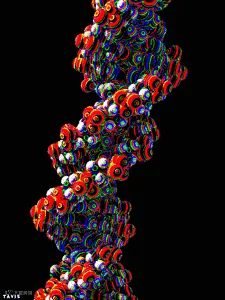
CRISPR是生物科学领域的游戏规则改变者,这种突破性的技术通过一种名叫Cas9的特殊编程的酶发现、切除并取代DNA的特定部分。可以修正镰状细胞性贫血等各类遗传疾病。该技术具有非常精准、廉价、易于使用,并且非常强大的特点。
We meet Tristan Roberts, an HIV-positive man who injects himself with an experimental gene therapy that he hopes will cure him. And Kevin Esvelt, an MIT scientist who engages with various communities to explore whether they want to use CRISPR genome editing. And David Ishee, a Mississippi dog breeder who tinkers with DNA in his shed, trying to create transgenic puppies that will glow in the dark.
(在纪录片中)我们见到了Tristan Roberts,一个艾滋病病毒感染者。他希望自己注射的实验性基因疗法能治愈他的艾滋病。麻省理工学院(MIT)的科学家凯文·艾斯韦尔特(Kevin Esvelt)和很多群体共事过以探索他们是否想使用CRISPR基因组编辑技术。还有来自密西西比的狗饲养员David Ishee。他在他的小屋里摆弄DNA,试图创造出能在黑暗中发光的转基因小狗。
Most touchingly, we meet Jackson Kennedy, a little boy with a rare genetic condition that’s causing him to go blind. When his mom learns there’s a new gene therapy that might cure him, she fights to get it covered by insurance and signs him up. His excitement is infectious, and so is his nervousness. “What if,” he asks his mom, “it doesn’t work?”
最令人感动的是,我们见到了Jackson Kennedy,一个因患有罕见遗传疾病而失明的小男孩,这种疾病使他失明。当他的妈妈得知有一种新的基因疗法可能治愈他时,她争取让保险公司把这种疗法纳入报销范围,并帮他报了名。他的紧张和兴奋同样感人。“如果,”他问他的妈妈,“治疗没有效果怎么办?”
The possibility that things may not go as planned or may even have unintended negative consequences is one of the main fears around emerging genetic technologies — some of which have little scientific evidence behind them. That worry tends to be especially pronounced when it’s not experts in labs who are using the tech, but biohackers
人们对新兴基因技术主要的担忧之一是,事情可能不会按计划进行,甚至会产生意想不到的副作用——其中一些技术几乎没有科学依据支撑。当使用这项技术的不是实验室里的专家,而是生物黑客时,这种担忧往往尤其明显。
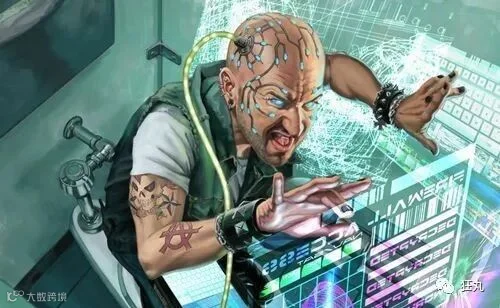
大多数生物黑客都是喜欢DIY科学的探索者,他们的出身涵盖各行各业,但目标相同:通过科学手段增强自己的身体,以期增强能力或者健康。
Biohacking raises a lot of questions with huge ethical implications. Should biohacking yourself be a human right or should your control over your own body be curtailed — possibly even criminalized — if it’s risky to you or others? (Many biohacking pursuits exist in a legal gray zone but are not yet outright illegal, or not enforced as such. Some new gene therapies profiled in Unnatural Selection, like Jackson Kennedy’s, are approved by the Food and Drug Administration.) Will biohacking enhance life for all of us equally or will it widen the gap between haves and have-nots?
生物黑客技术引发了许多具有重大伦理意义的问题。如果用基因编辑技术改造自己会对自己或他人构成危险 (许多生物黑客攻击存在于法律的灰色地带,但还不是完全非法的,或没有被强制执行。在《非自然选择》中介绍的一些新的基因疗法,如杰克逊·肯尼迪的疗法,已得到美国食品和药物管理局的批准。)那么它应该是一次人权,还是应该受到限制甚至被视为犯罪?生物黑客技术是会平等地改善我们所有人的生活,还是会扩大富人和穷人之间的差距?
Perhaps we’d do best to strictly limit the use of new technologies like CRISPR. But then again, given that people are dying and these technologies might help, can we morally afford to not use them?
或许我们最好严格限制CRISPR等新技术的使用。但话又说回来,考虑到这些技术可能帮得上奄奄一息的人,我们在道义上能承受不使用它们吗?
Who gets to control your body?
谁会控制你的身体?

It makes perfect sense that the US was where biohacking first took off. It’s a country where individualism is valorized, where personal autonomy is a paramount value. At the same time, it’s a place where pharma companies have jacked up the prices of medicines for conditions ranging from diabetes to HIV, leaving many individuals powerless over their own bodies — a crisis of distributive justice.
的确,美国是生物黑客技术的发源地。在这个国家,个人主义得到重视,个人自主权是最重要的价值观。与此同时,美国的制药公司提高了治疗从糖尿病到艾滋病等各种疾病的药品价格,导致许多人对自己的身体状况无能为力——这是一场有关平等分配的危机。
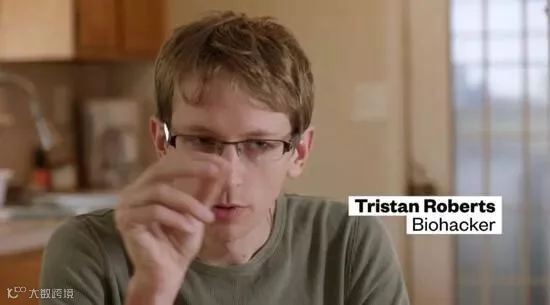
第一个将未经测试的“实验基因疗法”注入腹部的人 Tristan Roberts,曾在 Facebook 直播了注射活动。6 年前 Roberts 被诊断为艾滋病,在没有药剂能治疗,他选择了尝试生物疗法。
Roberts注射的药剂来自Aaron Traywick 创办的小型公司 Ascendance Biomedical,这个公司通过开展新基因治疗方案的研发和测试寻找治疗癌症、艾滋病,甚至抵抗衰老的方法。
Ishee starts out thinking highly of — and offering to help — Ascendence Biomedical CEO Aaron Traywick, the biohacker who’d cooked up the experimental gene therapy for Roberts’s HIV. But then Roberts livestreams himself self-injecting while Traywick uses the opportunity to promote his company.
Ishee一开始给予了Ascendence Biomedical 的CEO Aaron Traywick很高的评价,并主动提供帮助。这个CEO针对Roberts的HIV病毒想出了实验基因疗法。但随后Roberts对自己的注射过程进行了直播,Traywick则利用这个机会宣传自己的公司。
“Aaron is trying to reframe it as being about Ascendence,” Ishee says as he watches the livestream. “He’s pushing these things as cures when we don’t even know if it’s going to work. I should’ve been more skeptical. He hasn’t harmed anyone yet, though I don’t think he’s unwilling to risk it.”
Aaron正试图用它(治疗艾滋病的实验基因疗法)重新定义Ascendance(公司名)。当我们甚至不知道它是否会起作用时,他却把这些东西当作治疗手段来推销。我当初应该保持怀疑态度。他还没有伤害到任何人,不过我认为他(为了赚钱)是愿意冒这个险的。”
Traywick’s monetizing impulse raises a tricky question: Biohackers talk about wanting to democratize science, but what if their discoveries don’t get distributed evenly across the human population? What if miracle cures and designer babies do become available, but only to the rich? Maybe biohackers are just punting the crisis of distributive justice downstream. Worse, given that they’re talking about making really significant changes to humanity, maybe they risk exacerbating social inequality. Does that mean they should just lay off?
Traywick的赚钱欲望引出了一个棘手的问题:生物黑客们说想要让科学民主化,但如果他们的发现没有在人类人口中平均分配怎么办?如果奇迹疗法和定制婴儿真的出现了,但只对富人开放呢?也许生物黑客们只是把分配公平的危机押在了下游。更糟糕的是,考虑到他们正在谈论对人类做出真正重大的改变,也许他们正在冒加剧社会不平等的风险。这是否意味着他们应该裁员?
Which brings us to another pair of ideas Unnatural Selection throws into tension with one another: On the one hand, there’s the fallacy that whatever is natural is intrinsically good, so we’d better leave it untrammeled and change nothing. On the other hand, there’s the fallacy that technological progress is inevitable, so we may as well embrace it and change everything.
这就给我们带来了另一种观点,即非自然选择使彼此陷入紧张:一方面,有这样一种谬误,即任何自然的东西本质上都是好的,所以我们最好让它自由发展,什么也不改变。另一方面,有一种谬误认为技术进步是不可避免的,所以我们不妨接受它并改变一切。
Likewise, the show acknowledges that by making humans smarter and stronger, we may create a society in which everyone feels pressure to alter their biology — and their kids’ biology — even if they don’t want to. It’s Doudna herself, the co-discoverer of CRISPR, who notes that all this raises the specter of eugenics. So, what should we do?
同样,该节目承认,通过让人类变得更聪明、更强壮,我们可能会创造一个新的社会,在这个社会里,每个人对于要改变他们的生理机能——以及他们孩子的生理机能感到有压力——即使他们不想这么做。CRISPR的共同发现者杜德纳指出,所有这些都引发了优生学的幽灵。那么,我们应该怎么做呢?
(优生学:通过人为的方式控制生殖活动,以改善整个族群的基因品质。优生学是悬在整个基因学之上的幽灵——它意味着只专门生育有着优选的遗传特征的人类,所以称为优生学的幽灵。)
There are no easy answers.
这是个未解之谜。
The End
文章及图片来源:
https://www.vox.com/future-perfect/2019/10/22/20921302/netflix-unnatural-selection-biohacking-crispr-gene-editing
编译:穆沁阳,马林
排版:马林
审核:刘佳