


雨你有瓜!“网络遗产”麻烦多



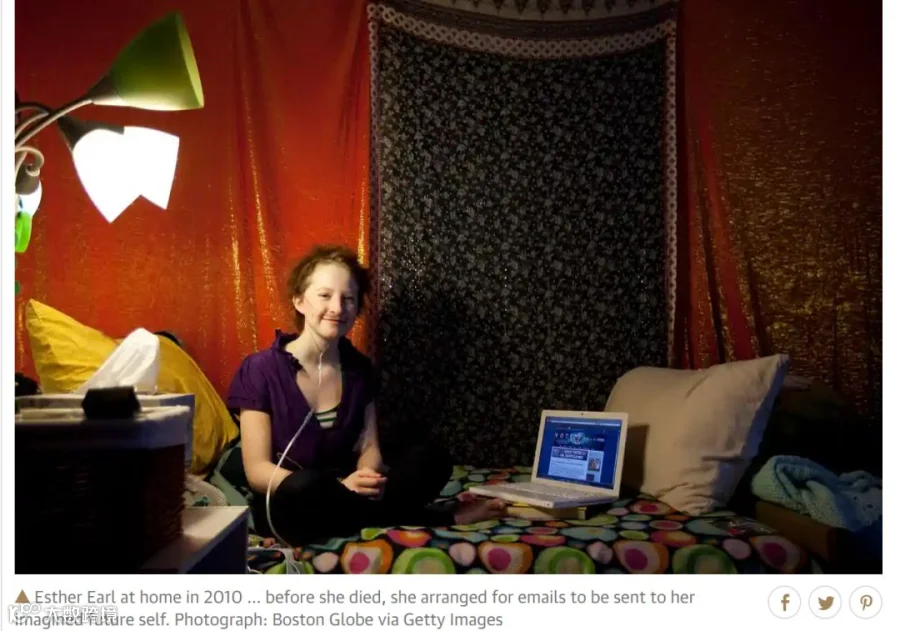
Although Esther did not intend her tweet to be a posthumous message for her family, a host of services now encourage people to plan their online afterlives. Want to post on social media and communicate with your friends after death? There are lots of apps for that! Replika and Eternime are artificially intelligent chatbots that can imitate your speech for loved ones after you die; GoneNotGone enables you to send emails from the grave; and DeadSocial’s “goodbye tool” allows you to “tell your friends and family that you have died”.
尽管Esther无意将这条推特作为“死后消息”发送给家人,但现在已有不少鼓励人们提前计划“网络后事”的服务。想死后在社交媒体上发文与亲朋好友交流吗?有很多App可以实现你的愿望:AI智能聊天机器人Replika和Eternime能模仿你的口吻,在你百年之后继续和所爱之人交流;即使下葬之后,GoneNotGone也能帮你继续发送邮件;“告别神器”DeadSocial帮你告知亲朋好友“你已离开人世”。

网络遗产是什么?
It is estimated that by 2100, there could be 4.9bn dead users on Facebook alone. Planning your digital death is not really about scheduling status updates for loved ones or building an AI avatar. In practice, it is a series of unglamorous decisions about deleting your Facebook, Twitter and Netflix accounts; protecting your email against hackers; bestowing your music library to your friends; allowing your family to download photos from your cloud; and ensuring that your online secrets remain hidden in their digital alcoves.
据估计,到2100年,单单是Facebook上将会有49亿已故用户。计划自己的“网上死亡”其实并不是为所爱之人设定好状态更新,或是构建一个自己的虚拟化身。具体来说,人们只需要做一些枯燥的决定,比如删除Facebook,Twitter和Netflix账号;保证邮箱不会被黑;把音乐库送给朋友;允许家人从你的云盘里下载照片;还有就是保证你在网络上的秘密依然会“秘而不宣”。
“We should think really carefully about anything we’re entrusting or storing on any digital platform,” says Dr Elaine Kasket, a psychologist and author.“If our digital stuff were like our material stuff, we would all look like extreme hoarders.” Kasket says it is naive to assume that our online lives die with us. In practice, your hoard of digital data can cause endless complications for loved ones, particularly when they don’t have access to your passwords.
心理学家兼作家Elaine Kasket博士说:“我们应该认真考虑自己委托或存储在任何数字平台上的任何东西。如果我们的数字财产像物质财产那样留存下来,大家都会像是偏执的恋物狂。”卡斯基说,认为“网上生命”会与我们的“肉身”一起消亡是幼稚的。实际上,你储存的数据会给亲人带来无尽的麻烦,尤其是当他们没有你的账号密码时。
令亲人焦头烂额的网络后事
“I cursed my father every step of the way,” says Richard, a 34-year-old who was made executor of his father’s estate four years ago. Although Richard’s father left him a list of passwords, not one remained valid by the time of his death. Richard couldn’t access his father’s online government accounts, his email (to inform his contacts about the funeral), or even log on to his computer. For privacy reasons, Microsoft refused to help Richard access his father’s computer. “Because of that experience I will never call Microsoft again,” he says.
“我处理这些事时一直在暗暗诅咒我爸!”34岁的Richard说,他四年前被任命为父亲遗产执行人。尽管父亲给他留下了一份密码清单,但他过世后密码全都失效了。Richard没法访问他父亲的网上政府账户,电子邮箱(通知联系人葬礼的相关事宜),甚至都无法登录他的电脑。出于隐私考虑,微软拒绝帮助Richard访问他父亲的电脑。“因为这事,我再也不会选择微软的服务了,”他说。
In 2012, a 15-year-old German girl died after being hit by a subway train in Berlin. Although the girl had given her parents her online passwords, they were unable to access her Facebook account because it had been “memorialised” by the social network. Since October 2009, Facebook has allowed profiles to be transformed into “memorial pages” that exist in perpetuity. No one can then log into the account or update it, and it remains frozen as a place for loved ones to share their grief.
2012年,一名15岁的德国女孩在柏林被地铁撞击身亡。虽然她生前给了父母网络账户的密码,但由于Facebook将她的账户更换成了“公共纪念页面”,女孩的父母无法登录女儿的账号。Facebook从2009年10月起增加了将个人空间变成永久的“纪念页面”的功能。使用此功能后没有人能登录逝者的账户或是更新内容,这里成为了挚爱之人分享悲痛情感的场所,时间永久地停在了那一刻。
The girl’s parents sued Facebook for access to her account – they hoped to use it to determine whether her death was suicide. They originally lost the case, although a German court later granted the parents permission to get into her account, six years after her death.
女孩的父母起诉Facebook以获得登录账号的许可,希望借此弄清她的死亡是否是自杀行为。他们当时输掉了这场官司。但女孩过世后六年,一家德国法院授权她的父母登录女儿的账户。
Matthew Helm, a 27-year-old technical analyst from Minnesota, says his mother’s Facebook profile compounded his grief after she died four years ago. “The first year was the most difficult,” says Helm, who felt some relatives posted about their grief on his mother’s wall in order to get attention. “In the beginning I definitely wished I could just wipe it all.” Helm hoped to delete the profile but was unable to access his mother’s account. He did not ask the tech giant to delete the profile because he didn’t want to give it his mother’s death certificate.
明尼苏达州27岁的技术分析师Matthew Helm四年前失去了母亲,他表示母亲的脸书主页让自己悲痛的心情愈发复杂。Helm称“第一年是最难熬的。”,他觉得一些亲戚在母亲主页的留言墙上发推文只是为了博关注。“一开始我是真的希望自己能把这些东西全部删掉。”Helm想删除母亲的个人资料,但进不去账号。因为不想把母亲的死亡证明给平台,他最终还是没有让脸书把母亲的主页给删除。

两难的选择
When it comes to the choice between allowing relatives access to your accounts or letting a social media corporation use your data indefinitely after your death, privacy is a fundamental issue. Although the former makes us sweat, the latter is arguably more dystopian. Dr Edinja Harbinja is a law lecturer at the University of Hertfordshire, who argues that we should all legally be entitled to postmortem privacy.
当你面临这样的选择,过世后是允许亲戚打理账户还是让社交媒体无限制地使用你的数据时,最需要考虑的是隐私权。纵观这两种选择,虽然前者让我们坐立不安,后者显然更偏向于反乌托邦的想法。赫特福德大学的法律讲师Edinja Harbinja博士称,每个人都应该享有法律上的“身后隐私权”。


“The deceased should have the right to control what happens to their personal data and online identities when they die,” she says, explaining that the Data Protection Act 2018 defines “personal data” as relating only to living people. Harbinja says this is problematic because rules such as the EU’s General Data Protection Regulation don’t apply to the dead, and because there are no provisions that allow us to pass on our online data in wills. For example, if you decide you want your friend to delete your Facebook pictures after you die, your husband could legally challenge this. “There could be potential court cases.”
“逝者在世时应该有权决定死后的个人信息和网络身份该怎么处理,”她还解释道,2018数据保护法中规定,“个人信息”只和生者相关,这可就造成了很多问题,因为像欧盟《通用数据保护条例》这样的法规不适用于过世的人,目前也没有条款允许人们能在遗嘱中安排网络个人信息的继承事项。举个例子,如果你决定授权朋友在你过世后帮忙删除脸书账户里的照片,你的丈夫可以依法起诉这位朋友。“(根据现有的法律),你们很可能得法庭上见。”


Kasket says people “don’t realise how much preparation they need to do in order to make plans that are actually able to be carried out”.
Kasket说人们“对于需要投入多少的前期准备才能制定出切实可行的计划,完全没有概念。”
It is clear that if we don’t start making decisions about our digital deaths, then someone else will be making them for us. “What one person craves is what another person is horrified about,” says Kasket.
如果我们现在不开始计划网络后事,到那时决定权就落在别人手里了。Kasket说,“毕竟此之蜜糖,可是彼之砒霜。”
来源:The Guardian卫报
https://www.theguardian.com/tv-and-radio/2019/jun/02/digital-legacy-control-online-identities-when-we-die
编译:张萌、刘可圆
排版:张萌
指导老师:刘佳