

Why some people are better at reading dogs than others?What's going on inside a dog's head? The country you were born in might affect how you answer
为什么有些人比你更懂狗?狗狗的脑袋里在想什么?你出生的国家可能会影响这个问题的答案。

本文约两千词,阅读需八分钟


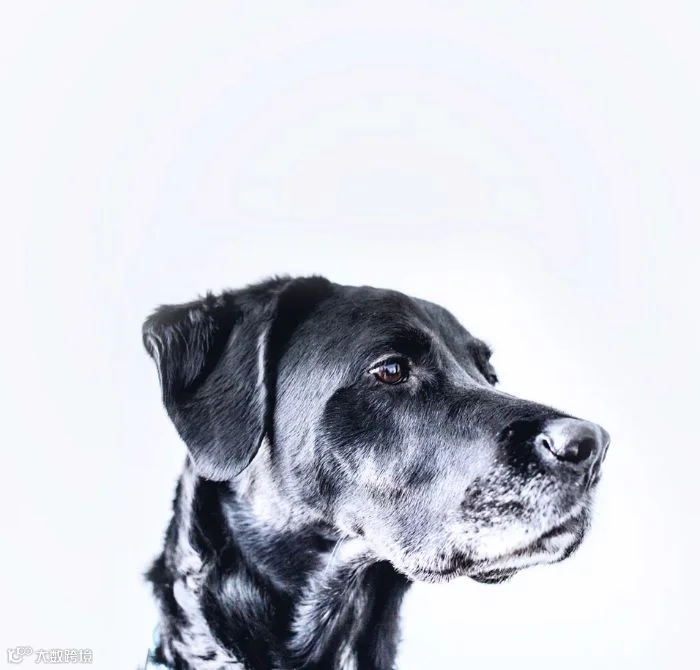

No animal is more integrated into and aware of human society than the dog. Perhaps that is part of what we like about dogs so much — how human they seem sometimes, how attuned to our forms of communication. A trained dog can understand human language and expression, and will sit when we ask it to sit, lie down when asked to lie down, and — if we're lucky — issue a high-five. Emotionally, they seem aware of us as much as we are of them: many dogs will provide comfort when their human is sad without us having to ask for it, and in turn, we respond to a wailing dog with pets and treats.
没有动物能比狗更完整的参与到人类社会。这也许正是我们喜欢狗的原因之一—一只受过训练的狗可以理解人类的语言和表达方式。我们让它坐下它就坐下,让它趴下它就趴下,如果我们足够幸运,它们甚至能学会和人击掌。在情感方面,它们似乎也能读懂我们:当我们悲伤时,不用刻意要求狗狗就会给予我们安慰。反之,我们也会用玩具来照顾狗狗低落的情绪。

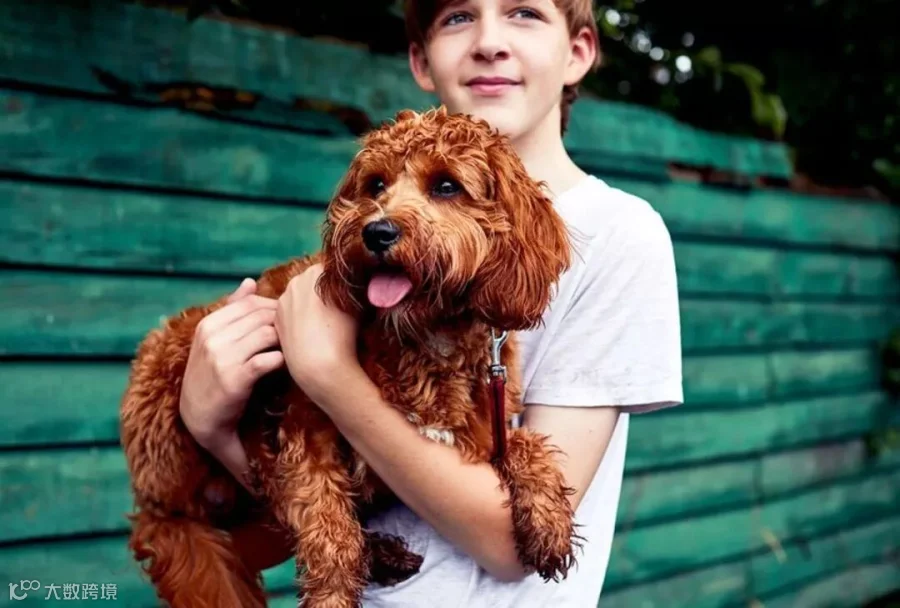
Certainly this has something to do with our long-lasting relationship with canines, which dates back at least 30,000 years. Particularly in the West, where dogs are so deeply integrated into Western families and societies, we sense that dogs innately understand humans. But do all humans innately understand dogs? While there are telltale physicals signs that point to dog emotions — a tail wag, for instance — it has not been clear if humans' intuitive empathy towards dogs is entirely learned or entirely innate.
这与我们与犬类的长期关系有关,这种关系至少能追溯到3万年前。尤其是在西方,狗狗早已深深融入了家庭与社会,给人感觉狗似乎天生就能理解人类。但是,人类是否天生就能理解狗呢?虽然有明显的物理迹象能表明狗的情绪—比如开心时摇尾巴,但目前还不清楚人类对狗这种直觉共情是后天习得的还是与生俱来的。

In a study published last month in Scientific Reports, researchers from Germany and the United Kingdom evaluated how a human’s experience with dogs affects their ability to identify dog emotions. In order to figure this out, the researchers recruited participants who had a wide range of experience with dogs. This included dog owners, those who grew up with dogs, and those who were or weren't exposed to a cultural "milieu" with "dog-positive" attitudes. More specifically, dog-positive culturally milieus might include much of Europe and the Americas, where dogs are generally popular and seen as family members. In some Islamic societies, where dogs are perceived as unclean, they are uncommon as pets.
在上个月(十一月)发表在“科学报告”上的一项研究中,德国和英国的研究人员评估了人类与狗的相处是如何影响他们识别狗情感的能力。为了弄清楚这一点,研究人员招募了一些与狗相处经验不同的人,包括狗主人,和狗一起长大的人,在对狗持积极态度的文化环境中成长的人和在对狗态度相对消极环境下成长的人。更确切地说,对狗狗持积极态度的文化环境包括欧洲和美洲的大部分地区,那里的狗通常常很受欢迎,被认为是家庭的重要成员。而在一些伊斯兰社会,狗被认为是不洁的,它们并不常被作为宠物。
The study analyzed four groups: European dog-owners; Europeans who did not own dogs; Muslims from countries in which Islam is the majority religion, who were living in Europe for at least three years, but did not own a dog; and Muslims living in Morocco who also did not own a dog. In total, the participants made up 88 adults and 77 children from the aforementioned four cohorts.
这项研究分析了四个群体:养狗的欧洲人;没有养狗的欧洲人;来自伊斯兰教占多数的国家的穆斯林,他们在欧洲生活了至少三年,但并没有养狗;同样没有养狗但住在摩洛哥的穆斯林。共有88名来自上述地区的成年人和77名儿童参与研究。




Researchers showed participants facial photographs of 20 dogs, 20 chimpanzees and 20 humans, all of which displayed one of the following emotions: happiness, sadness, anger, fear, and a natural, neutral expression. Participants had to rate how much each picture represented each emotion, and then researchers asked the participants about the context in which each photo was taken. For example, did they think the dog pictured in a given photograph was playing with a friend, or was it about to attack someone?
研究人员向参与者们展示了二十只狗、二十只黑猩猩和二十个人的共六十张面部照片,这些照片显示了不同的情绪:快乐、悲伤、愤怒、恐惧、或发呆。参与者要对每一张照片代表情绪的程度进行评分,然后研究人员向参与者询问每一张照片的背景,例如认为照片中的狗是正在和朋友玩,还是要攻击别人?
Interestingly, children's ability to recognize dog emotions was similar across the board, regardless of their experience or inexperience interacting with dogs. Children generally struggled to identify emotions, with the exception of for angry and happy ones, which were recognized in dogs better than in chimpanzees.
有趣的是,无论孩子是否有与狗接触的经验,他们识别狗狗情感的能力是相近的。孩子们通常都不容易识别情绪,除了愤怒和快乐外,狗的情绪比黑猩猩的情绪更容易识别。
For adults, the ability to recognize emotions varied based on their experience with dogs. Adult participants with more dog experience — such as those who grew up in or were exposed to a cultural milieu with a dog-positive attitudes — were better at recognizing dog emotions than participants with less experience or exposure.
对于成年人来说,识别情感的能力更基于他们与狗相处的经历。有更多与狗相处经验的成年参与者,例如那些在犬类积极文化环境中长大或经常接触这种文化环境的人,明显比接触少的人更善于识别狗的情绪。


“These results are noteworthy because they suggest that it is not necessarily direct experience with dogs (i.e. dog ownership) that affects humans’ ability to recognize their emotions but rather the cultural milieu in which humans develop,” the authors stated. “Growing up in a cultural milieu in which dogs are viewed as highly important for humans, and are highly integrated in human lives, may result in different passive exposure, or different interest and inclination toward this species.”
“这些结果是值得注意的,因为它表明,影响人类识别情感能力的并不一定是与狗接触的直接体验(即狗的所有权),而是人类发展的文化环境,”作者说,“在一种狗被认为对人类是非常重要,并且在人类生活中高度融合的文化环境中成长,可能会导致不同的被动接触程度,不同的兴趣和倾向,更偏向于了解这个物种。”
Of course, there are some limitations to the study's conclusions, particularly since the observed cohorts for the research are narrow.Cultural attitudes can be nuanced, too. It is unclear if these findings for Europeans and select Muslim groups can be generalized to a broader audience. The dog photographs only depicted canines with a “German shepherd-like face"; perhaps other breeds have different or more clear facial expressions.
当然,这项研究的结论也有一些局限性,因为研究中观察的群体范围仍然不够宽泛,文化态度之间也有差别。目前还不清楚这项针对欧洲人和特定穆斯林群体的发现是否可以推广到更广泛的受众中。狗的面部照片只运用了德国牧羊犬,也许其他品种有不同的或更清晰的面部表情。

Juliane Bräuer of the Max Planck Institute for the Science of Human History said in a press statement that future studies should be conducted to better understand the cultural influence on a human’s ability to understand dog emotions.
Max Planck人类历史科学研究所的Juliane Bräuer在一份新闻声明中支持说,为了更好地理解文化对人类理解狗的情绪的影响,研究应该继续进行。
“We think it would be valuable to conduct future studies that seek to determine exactly which cultural aspects affect one’s ability to read dog emotions, and to include real-life stimuli and body expressions in addition to instructed stimuli and facial expressions,” Bräuer said. “In this way, we could develop a better understanding of inter-cultural variation in emotion recognition."
“我们认为,进行下一步的研究是有价值的,这些研究会更准确的分析文化哪些方面会影响一个人阅读狗的情绪的能力,除了特定指示的刺激和面部表情外,还包括真实的接触和身体反应。“布瑞尔说。“这样,我们就能更好地理解情感识别中的跨文化差异。”
"Hopefully this information could be used to reduce the occurrence of negative incidents between humans and dogs that are caused by humans’ inability to read dog signals," she added。她补充说:“希望这些研究结果能被用来减少人类和狗之间因人类无法识别狗情感信号而引起的负面事件。”

原文地址:
https://www.salon.com/2019/12/02/why-some-people-are-better-at-reading-dogs-than-others
编译:韩旭 排版:韩旭