

本文中英文共约8900字
阅读需要20分钟
As the British debate around how to talk to children about sex intensifies, teachers and students explain how it’s done across the globe
在英国,关于如何与孩子们谈论性话题的争论愈演愈烈,来自世界各地的老师和学生们解释性是怎么一回事。
Adults have long been squeamish over talking to children about sex. We have a history of complicated and conflicting attitudes: sex has been seen as simultaneously joyous and desirable (so long as it is between a young couple after marriage and in the interest of begetting babies), but also as dark and dirty, something from which children must be protected.
长久以来,大人们跟孩子谈及性话题都小心谨慎。成人对性始终抱着一种复杂而矛盾的态度:人们把性爱视作一种愉悦而诱人的体验(进行的前提是婚后年轻夫妇出于生育目的),同时又视其为一种黑暗肮脏的勾当,必须把小孩子们庇护起来离得远远的。
Religion and paternalism, rooted in a historic cult of virginity at marriage and the ownership of women, continue to influence the debate over sex and relationship education (SRE) around the globe. Even in countries such as the UK, many adults do not feel comfortable with the idea that children can have sexual feelings, particularly if they are LGBT feelings. The parents who object to the government plans for sex education in primary schools talk of the need to “protect childhood innocence”, as if sex is something corrupting or wrong.
植根于异教思想中的处女贞洁观的狂热和对女性的占有欲、宗教和家长管制,仍在影响着全世界关于性的争论和性教育。就算在英国这样的国家,还是有很多家长对于孩子们会产生性想法这一点感到不舒服,尤其当这些想法与LGBT群体有关的时候。那些反对政府开展小学性教育的家长提到了“保护童年纯真”的需要,说得好像性是什么使人堕落的或者错误的事一样。
And yet, SRE for children has the power to transform the world. For girls in particular, it is not just about identifying the functions of a penis and a vagina. It is about enabling her to become her own woman, giving her the confidence to speak as an equal: someone allowed to say no, who understands how to access and use contraception. That young woman is then primed to fight for a place in the world, with a job and the number of children she chooses, at the time that she prefers. No wonder male-dominated societies feel threatened.
但是,儿童性教育(SRE)有能力改变世界。尤其对于女孩,性教育不单单具有区分出阴茎和阴道不同功能的作用。还可以使她成为一个独立女性,可以像男性一样平等地发表观点:一个被允许说不,一个懂如何获取和使用避孕药具的人。这样这位年轻的女性就能准备好去奋斗,努力工作,选择在她觉得适合的时机生小孩,并决定她想要几个孩子。难怪男权社会觉得受到了威胁。
Most people accept that teaching children about sex does not mean they have sex earlier. In fact, it is quite the reverse – they learn how not to. And if grownups want to keep any control of the agenda, they need to act, because information about sex has never been more available. Television now does sex education in prime time, from MTV’s Shuga in Africa, a popular series exploring young people’s sexual issues and interactions, to Netflix’s hit drama Sex Education, about schoolkids’ first fumbling experiences.
大多数人接受这一观点:教孩子性知识不代表他们会更早地去进行性行为。恰恰相反-孩子们学到知识后就会知道怎样避免过早的性行为。如果大人想要控制事态进程,他们就得行动了,因为性方面的信息从未像今天这样触手可及过。电视在黄金时段播放性教育的内容,从非洲MTV的Shuga,一个探索年轻人性方面的问题和互动的热剧,到Netflix的Sex Education,一个讲学校孩子们笨拙的第一次性经验的热门电视剧。
And then there is the internet. No information-vacuum today goes unfilled. As Unesco said in updated guidance last year on comprehensive SRE: “Countries are increasingly acknowledging the importance of equipping young people with the knowledge and skills to make responsible choices in their lives, particularly in a context where they have greater exposure to sexually explicit material through the internet and other media.”
然后就是网络,如今网上已没有真空地带。正如联合国教科文组织去年对于综合性儿童性教育的升级版指导书中所说:“越来越多的国家开始认识到,年轻人需要具备相应的知识和能力,来做出对自己负责的决定,而且这一点是非常重要的,尤其是在这个通过网络和其他媒体能获得更多性方面的资料的大环境之下。”
The progress on education about LGBT sexuality is slower. In many countries, gay sex can lead to prison, or even the death sentence. But in other societies, classroom discussions about boys who feel like girls and girls who want to be boys are increasingly taking place. Young people will demand no less. Last year, during the consultation over the UK government’s proposals, children told the International Planned Parenthood Federation (IPPF) that the sex education they received was too often based on scare stories. It was about managing a problem, rather than talking about a natural part of life. Nor did it address the identities and experiences of young LGBT people.
LGBT群体的性教育方面的进程则较慢。在很多国家,同性之间的性爱会招致牢狱之灾,甚至当事人还可能被判死刑。而其他国家则有越来越多的课堂开始讨论性别认同为女生的男生和性别认同为男生的女生。年轻人对于性教育的需求不减。去年,在英国政府提案讨论会上,孩子们告诉国际计划生育联合会,他们接受的性教育大多是建立在恐怖故事的基础上的。那种性教育认为性是需要处理的问题,而并未将其当作人们生活中正常的一部分。它也没有解决年轻LGBT群体的性别认同障碍和遭遇。

印度尼西亚
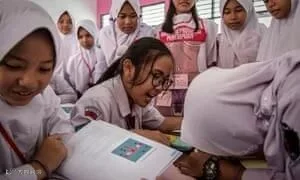
Sex education is not mandatory in Indonesia. In addition, contraception for unmarried couples is difficult to get hold of and abortion is forbidden unless a woman’s life is at risk or, under certain circumstances, if she is raped. Because schools cannot be seen to encourage extramarital or LGBT sex, SRE is not taught, unless an NGO steps in. Rutgers, the Dutch NGO and specialist in sexual and reproductive health, runs sex education in 38 schools in seven areas in Indonesia. Its programme, which is for 12- to 14-year-olds, takes in sex, relationships, gender issues and emotions.
在印度尼西亚,性教育并不是强制性的。此外,未婚情侣很难获得避孕药具,而且除非女性面临生命危险,或者在特定情况下遭到强奸,否则堕胎是禁止的。由于学校不能鼓励婚外性行为或LGBT群体的性行为,所以除非有非政府组织介入,否则学校就不会教授儿童性教育课程。罗格斯是荷兰非政府组织中性健康和生殖健康方面的专家,在印度尼西亚7个地区的38所学校开展性教育的课程。该课程面向12至14岁的儿童,内容涉及性、人际关系、性别问题和感情问题。
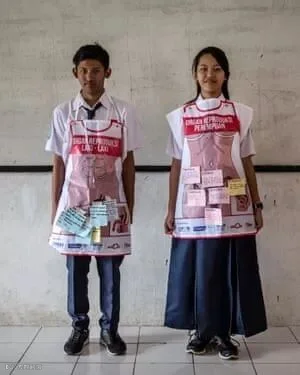
At SMPN 22, a school in Semarang, children tell me the lessons provided by Rutgers Indonesia are mostly made up of games. Muhammad, 13, says he enjoys them. “I learned about gender and myself,” he says. “I learned it’s OK to date, but you have to know your boundaries.” In one game, children pin body parts on to an apron worn by one of their classmates. Teachers make sure to include all body parts, because including only sexual organs could provoke complaints.
在三宝垄的SMPN 22学校,孩子们告诉我,罗格斯印尼分校提供的课程大多是由游戏组成的。13岁的Muhammad表示他很喜欢。“我了解了性别和我自己,”他说。“我也了解了约会是被允许的,但你必须清楚交往的底线在哪。”在一个游戏中,孩子们把身体的各个部位别在一个同学穿的围裙上。老师们确保所有的身体部位都包含进去,因为只包括性器官可能会引起投诉。
Anita Rakhmi Shintasari, a teacher at SMPN 22, admits she was nervous before starting the sex education lessons. But, since they began, she has seen fewer children drop out because of child marriage or teenage pregnancy. Attendance is also better, because girls learn about menstrual hygiene. Narenda, 13, says she doesn’t skip classes any more, because she knows how often to change a sanitary towel. “I’m excited to go to school and want to go all the time,” she says.
SMPN 22的教师Anita Rakhmi Shintasari承认,在开始性教育课程之前,她很紧张。但是,自授课起,她看到越来越少的孩子因为童婚或少女怀孕而辍学。由于女孩们学习经期如何保持卫生,出勤率也变得更高了。13岁的Narenda说,她不再逃课了,因为她知道多久换一次卫生巾。她说:“上学让我很兴奋,我一直想去上学。”
In recent years, Rutgers has been forced by Indonesian conservatives to make several adaptations to the curriculum. It has had to take the word sex out of the title; scrap the brightly coloured cover of a textbook after it was criticised for being too like the LGBT rainbow flag.
近年来,罗格斯迫于印尼保守派的压力,对课程进行了数次调整,不得不把“性”这个词从书名中去掉; 撕下教科书中色彩鲜艳的封面,只因这些图片被批评太像LGBT人群的彩虹旗。
Discrimination against LGBT people is rising – the city of Pariaman on Sumatra island last year passed a sweeping regulation banning “acts that are considered LGBT”. To avoid a backlash, “we have to be very careful with the topics we discuss and the language we use”, says Nana Nur Jannah, a programme coordinator from Rutgers.
印尼对LGBT人群的歧视愈演愈烈——去年苏门答腊岛的帕利亚曼市通过了一项全面的法规,禁止“被认为是LGBT的行为”。罗格斯的项目协调员Nana Nur Jannah表示, “我们必须非常谨慎地对待我们讨论的话题和使用的语言。”以免遭到抵制。

乌干达
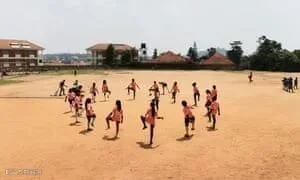
“I’m going to need a goalkeeper.” One hand shoots up and the rest of the players divide themselves into teams. On a pitch in Nsambya, Kampala, football is being used to teach children about sex. The international agency Soccer Without Borders has been working with child refugees in Uganda since 2008. It uses football as a vehicle for educational development all over the world, helping children of all ages to learn English and preparing them for school.
“我需要一个门将。”一只手举了起来,其余的队员分成了几队。在Kampala的Nsambya球场上,孩子们通过足球了解有关性的知识。自2008年以来,国际“足球无国界”组织一直在帮助乌干达的儿童难民。它把足球作为全世界教育发展的载体,帮助各个年龄段的孩子学习英语,为他们上学做准备。
Once a week, Soccer Without Borders partners with the sexual health organisation Tackle Africa, which works across the continent to teach children about safe sex, reproductive health and consent. Younger groups are mixed gender, while older children are separated to help them feel at ease discussing tricky topics. These sessions offer young people space to ask questions that may be unwelcome elsewhere in the community.
每周,足球无国界组织都会与性健康组织“解决非洲问题”合作。该性健康组织在非洲各地开展工作,向儿童传授安全性行为、生殖健康和准许意识方面的知识。年龄较小的群体是男女混合的,而年龄较大的孩子被分开,使他们在讨论敏感话题时更加自在。这些课程为年轻人提供了提问的空间,即使这些问题在社区的其他地方可能不受欢迎。
In Tackle Africa sessions, each football exercise is woven together with a lesson on sexual health. On the pitch, the girls start shooting with one defender, one attacker and one goalkeeper. Fifteen-year-old assistant coach Rita is in defence. She blocks the ball each time. They switch to two attackers, making things easier. “Come on girls, I want to see a goal,” she says. The girls get it past Rita, keep it under control, shoot and score.
在“解决非洲问题”的课程中,每项足球训练都搭配一门性健康课程。在球场上,女孩们组队踢球,每支队伍都有一名后卫、一名进攻球员和一名守门员。15岁的助理教练RIta在防守。她每次都能把球拦下来。于是她们切换成两个进攻球员,让得分变得简单一点。“来吧,姑娘们,我想看到你们得分。”她说。女孩们绕过了Rita,把球牢牢控在脚下,射门得分。
Calling them in with the whistle, Bahaya links the exercise to sex ed. “The better you communicate, the safer your relationship will be,” he explains, after outlining the dangers of contracting HIV. “It’s up to both of you.” Scoring a goal shows they have reached their joint decision. As he is explaining, he uses the phrase “playing sex”. If you want to play sex, he says, you need to work together.
Bahaya吹着口哨把他们召集到一起,接着把足球和性教育联系起来。在概述了感染艾滋病毒的危害之后,他解释道:“你与伴侣的沟通越好,你们的性关系就会越安全。”“这取决于你们俩。”足球进球代表双方已经达成了共识。正如他解释的那样,他用了“玩性游戏”这个词。如果你想玩性游戏,你们需要一起努力,他说道。
Tackle Africa’s drills normalise the language of sex, allowing the girls to ask questions without awkwardness. “Is it important to have sex?” one asks. “If you’re not ready, don’t,” Bahaya says. Another wonders: “If you’re married, do you still have to agree?” He nods. “You have to communicate and talk and agree.”
“解决非洲问题”课程的演练让性用语正常化,使得女孩们能够毫不尴尬地提问。“性爱重要吗?”一个人问道。“如果你还没有做好准备,就不要做 。” Bahaya说。另一个女孩想知道:“如果你们结婚了,你们还需要达成共识吗?”他点了点头,“你们必须沟通、交谈并达成一致。”
Soccer Without Borders and Tackle Africa have faced resistance from parents. It is often hard to get girls to play football, as they have family responsibilities that boys do not – cooking, cleaning, looking after younger siblings – and parents are often concerned about their bodies becoming too masculine. But, over time, myths about pregnancy, patriarchy and witchcraft have been countered with home visits and hard work. Now, some of the girls who have been through the programme are coaching the younger boys.
“足球无国界”和“解决非洲问题”遭到了家长们的抵制。人们通常不让女孩踢足球,因为她们肩负着家庭责任(而男孩则没有这些责任)——做饭、打扫卫生、照顾弟弟妹妹——而父母常常担心她们的身体变得过于男性化。但是,随着时间的推移,在这些组织进行的家庭拜访和不断的努力下,他们成功推翻了那些关于怀孕、父权制和巫术的荒诞说法。现在,一些参加过这个项目的女孩正在训练年龄较小的男孩。

荷兰
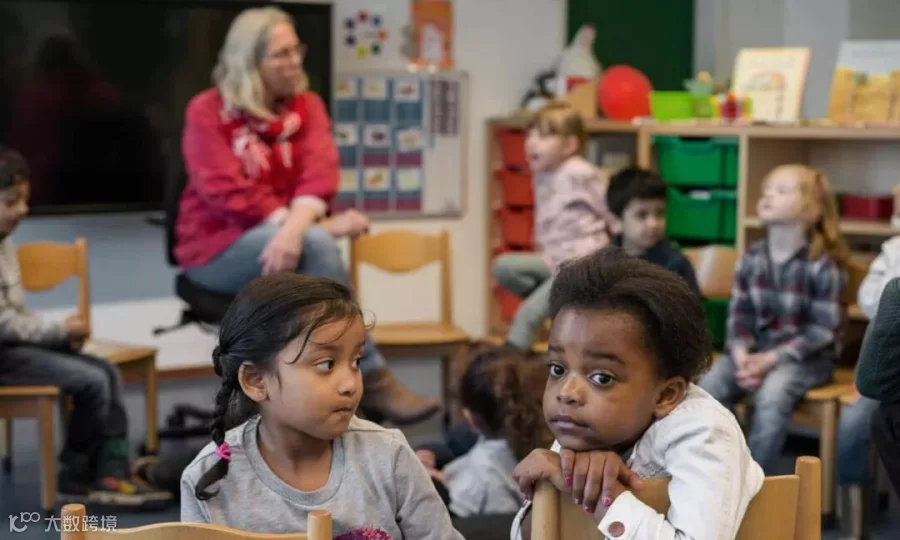
“I am a big bear and I am in love,” says the teacher Betty van Zijtveld, drawing a bear on a large piece of paper. “I am not in love with another bear, but with a butterfly. But I’m too shy to say so. What can I do?”
“我是一只大熊,我恋爱了,”老师Betty van Zijtveld说,她在一张大纸上画了一只熊。“我爱上的不是另一只熊,而是一只蝴蝶。但我太害羞了,不敢告白。我该怎么办呢?”
Her four- and five-year-old pupils are thinking hard. “Wave at the butterfly?” one of them says. “Jump at it!” another suggests. “But that may scare the butterfly,” the teacher answers. “What can the bear do to express its feelings without chasing the butterfly away?” The children decide the bear should give flowers and enthusiastically start to draw them.
她四岁和五岁的学生们正在努力思考。“向蝴蝶招手?”其中一个说。“扑过去!”另一个说。“但是那可能会吓到蝴蝶,”老师回答。“熊要怎么表达它的感情才不会吓走蝴蝶呢?”孩子们认为熊应该送花,并开始兴高采烈地画花。
It’s Monday morning and in De Roos primary school in Amsterdam the “Spring Fever Week” has begun. This is a national initiative in which Dutch primary school pupils receive daily lessons in relationships, sexuality and resilience. “We want to familiarise children with themes like feelings and sexuality at a very early age,” says Elsbeth Reitzema of Rutgers, which is funded by the Dutch government and initiated Spring Fever Week 14 years ago. “Research has shown that, when children learn about relationships and sexuality very young, they become sexually active at a later age and make well-informed choices,” she says. Open attitudes towards sex education in the Netherlands have led to the lowest number of teenage pregnancies in the EU: 3.2 in a thousand girls and falling. In the UK, the figure is 17.9, more than five times higher.
星期一早上,阿姆斯特丹De Roos小学的“春季热潮周”开始了。这是一项全国性倡议,在此期间荷兰小学生每天都要学习人际关系、性行为和韧性方面的课程。荷兰政府建立的Rutgers组织在14年前发起了“春热周”的活动。“我们想让孩子们在很小的时候就熟悉像情感和性这样的话题。” 来自该组织的Elsbeth Reitzema说, “研究表明,当孩子在很小的时候就开始学习两性关系和性行为时,他们会在性方面更晚熟,并做出明智的选择。”荷兰对性教育持开放态度,这使得荷兰成为欧盟成员中未成年少女怀孕率最低的国家——仅为0.32%,这个数字还在下降。而在英国该比例为1.79%,高出荷兰五倍多。
During Spring Fever Week, SRE is about more than simply explaining how reproduction works. The teachers discuss how to express feelings and set boundaries, but also sexual diversity, self-image and online perils. Each theme is taught in an age-appropriate way.
在“春季热潮周”,儿童性教育可不仅仅只是解释生育是怎么一回事。老师还会讨论如何表达情感,与他人划定界限,以及性的多样化、自我形象和网络威胁。每一个主题都会根据不同的年龄段,进行适宜的教学。
When Marieke Hollander talks about sexual stereotyping with her class, who are between 10 and 12 years old, she reads a list of words and asks them which apply to boys and which to girls: “Sweet, sexy, caring, important, cool, self-assured.” “Important applies to girls,” one girl says. “Because women do everything: cooking, washing up, cleaning. All the important things.” A boy disagrees: “My mother is studying and my father does all the housework.”
Marieke Hollander在与她10-12岁年龄段的班级讲性别刻板印象时,读了一串词——甜美,性感,体贴,重要,酷,自信,然后问孩子们这些词哪些是形容男孩的,哪些是形容女孩的。“’重要’是用来形容女孩的,”一个小女孩说到,“因为女性什么都要做:烧饭,洗衣服,打扫卫生。所有重要的事。”一个男孩反驳道:“我妈妈就做研究,家务活都是我爸包揽的。”

英国
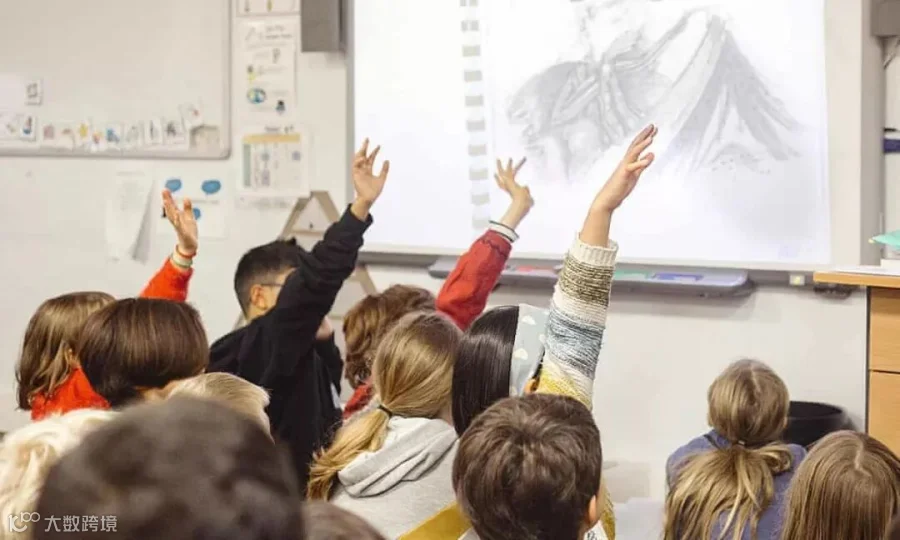
“Wet dreams, erections and ejaculations – yes, it has been quite a full-on day so far.” Jess Hurst, a year five teacher at St Matthew’s primary school in Cambridge, is recapping the lesson on puberty she taught her nine- and 10-year-old students earlier that morning. “What else did we learn is going to happen?”
Jess Hurst 在剑桥圣马修小学任职五年了,她说道:“春梦,勃起,射精——是的,目前来说这是火力全开的一天。”Jess Hurst正在复习当天早上教给9-10岁孩子的青春期课程,“我们还学习了哪些(在青春期)会发生的事呀?”
Hands confidently shoot up. “Hormones and emotional changes,” says one girl. “Discharge and periods,” says another. It is the fourth day of sex and relationships education week, which covers everything from the reproductive system to the need to challenge gender stereotypes.
一双双自信的小手纷纷举起。“荷尔蒙和情绪变化,” 一个小女孩说。“白带和月经,”另一个小女孩回答道。性与关系教育周开展到第四天,从生育机制到打破性别刻板印象,涉猎内容广泛。
St Matthew’s is a progressive urban state school, but all schools in the UK are set to follow its example from September 2020, when sex education will get its first update in nearly 20 years. Under new government guidelines, it will become compulsory for primary school pupils to be taught about healthy relationships, puberty and keeping safe online. Secondary school pupils will also be taught about grooming, sexual exploitation and domestic abuse, as well as STIs and the impact of viewing harmful content online. Female genital mutilation, eating disorders, drugs, alcohol, sharing private photos, sexuality and mental health problems are also among the topics that are deemed appropriate to discuss in lessons.
圣马修小学是一所位于城区的思想先进的公立学校,从2020年9月起,英国所有的学校都要向它看齐。这也是二十年来性教育迎来的第一次革新。根据政府新的指导方针,健康的人际关系、青春期知识和网络安全已成为小学义务教育的内容。初中生还要学习诱奸,性剥削和家庭暴力等内容,以及性传染病和浏览网上不良信息的坏处。女性割礼、进食紊乱、毒品、酒精、私照分享、性以及心理问题都属于可以在课上讨论的话题。
However, some parent groups have protested about the changes, with the lobby group Stop RSE calling for the government to “protect childhood innocence”. There have been other signs that sex education is still not controversy-free in the UK: one Birmingham primary school that taught pupils about LGBT rights as part of a programme to challenge homophobia was forced in March to suspend the lessons until a resolution can be reached with protesting parents.
然而,一些家长团体抗议这些改革,游说团体“停止 RSE”呼吁政府“保护童年的纯真”。还有其他迹象表明性教育在英国仍存在争议。去年三月,伯明翰一所小学某教学项目向学生传授LGBT群体权利,旨在克服恐同心理障碍,而这遭到了家长的抗议。校方在与抗议的家长达成协议前,只能被迫停课。
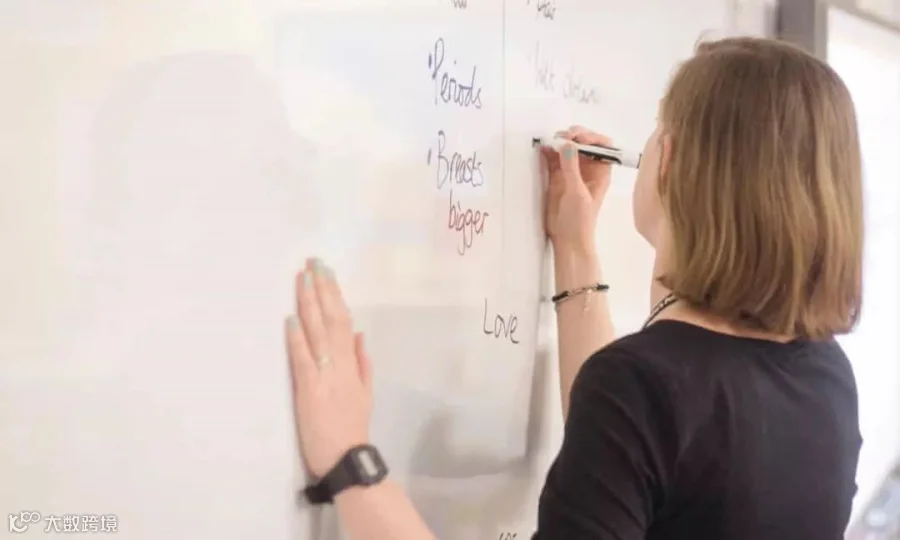
Back in St Matthew’s, lessons on challenging gender stereotypes are taught by members of the Kite Trust, a local LGBT charity. Earlier this week, they spent an hour with pupils defining and then questioning how gender stereotypes have come about, whether they are true and how they make people feel. “Angry”, “devastated” and “uncomfortable” were some of the children’s conclusions.
回到圣马修小学,挑战性别刻板印象的课程是由Kite信托基金的成员教授的。Kite 信托基金会是当地一家针对LGBT群体的慈善机构。前几天他们刚刚和学生们共度一小时来界定、质疑性别刻板印象是如何产生的,它们是否正确,以及这些刻板影响给人们带来的感受。“愤怒”,“心灰意冷”,“令人不适”是一些孩子给出的结论。

印度
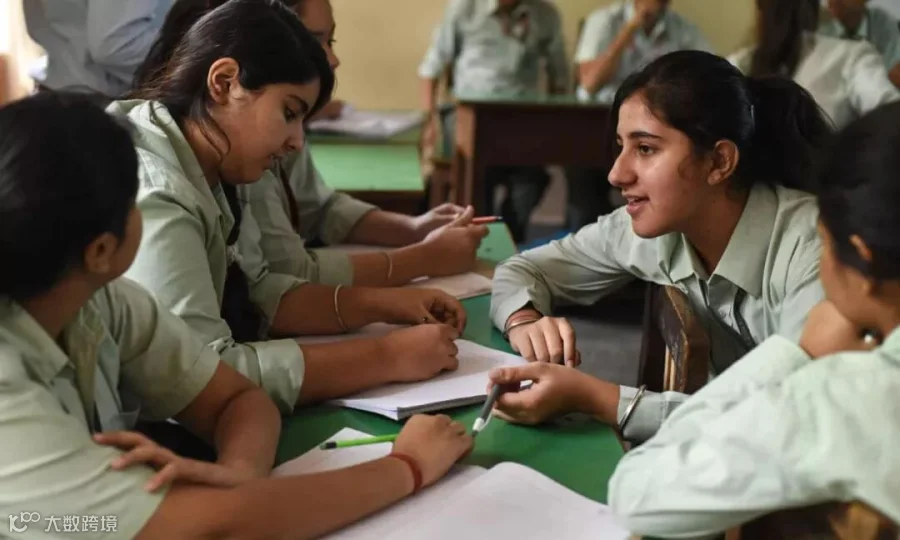
“What would your parents think of you having sex?” A classroom of teenagers in Ghaziabad, a suburb of Delhi, ponder the question. Some giggle. Others go red. One girl finally raises her hand. “Sex can wait,” she says. “Career cannot.”
“你发生性行为的话,父母会怎么想?”德里郊外小城Ghaziabad某个教室的青少年都对着这个问题陷入了沉思。有的孩子咯咯笑着。其他的孩子满脸通红。最终,一个女孩举起了手。“性不着急。”她说。“但职业生涯等不了。”
Sex education is rare in India. Until recently, most Bollywood films would cut to scenes of honeybees or butterflies communing when lovers retired to the bedroom. But such coyness does not translate to the wider culture – this is also the country where, in 2012, the gang-rape and murder of 23-year-old student Jyoti Singh shocked the world. Following that outrage, the number of reported rape cases jumped 26% in 2013. Meanwhile, convictions have remained stagnant. Illegal sex-selection abortions have led to a sex ratio imbalance of 112 boys born for every 100 girls (the norm is 105 boys to 100 girls). Such an imbalance is seen as a factor in crimes against women.
性教育在印度可是个稀罕事。直到现在,一放到一对爱人进入卧室的镜头时,大部分的宝莱坞电影都还是会把画面切换到蜜蜂蝴蝶嬉戏的场面。但是这种保守态度没有扩展到印度文化的其他方面。2012年,也正是在印度,23岁学生Jyoti Singh遭轮奸至死的案件,震惊世界,群情激愤。在随后的2013年,被报道的强奸案数量上升了26%。与此同时,对罪犯的判决进度停滞不前。重男轻女导致的非法堕胎使得性别失衡,男女比率达到了112:100(而正常情况下应该是105:100),人们也认为这种失衡的情况是男性对女性实施犯罪的一个因素。
But inside this classroom, in a private school catering to wealthier families, students are given a rare opportunity to voice their hopes and fears about relationships, love and sex – guided by their lifeskills teacher, Renu Bhatia. Most say their parents do not characterise love and sex as immoral so much as impractical, getting in the way of preparing oneself for an extremely competitive job market. “Until you turn 18, you are completing your secondary education,” says Nishan, 17, relaying his parents’ views. “Then you move on to college, then you do another degree.”
这间教室里的学生们来自专为富裕家庭设立的私立学校,在生活老师Renu Bhatia的引导下,他们拥有了珍贵的机会来表达自己对关系、爱和性的期待与恐惧。大部分学生称,他们父母认为,与其说爱与性是不道德的,不如说它是不切实际的,它阻碍了人们为进入竞争异常激烈的工作市场做准备的过程。“长到18岁,你的中等教育就完成了。”17岁的Nishan转述着他父母的观点。“接着你开始读大学,大学毕业后再攻读硕士学位。”
Even when the time for romance arrives, it need not interrupt your studies, he says. “Your parents just click your photo and put it in the matrimonials in the newspaper,” he says. “Then, when you get married, they want you to have a kid. Season two begins.”
甚至当该谈恋爱的时候到了,你的学业也不会因此受到耽搁。“父母只要选一张你的照片,然后把它登在报纸的征婚启事栏目就行了。”他说。“然后,等到你结婚了,他们又盼着抱孙子孙女。然后下一代的教育大业又开始了。”
Each generation inherits a vastly different world from that of their parents, but in India the gap is especially large. Indians born since the late 1980s have grown up in a country flooded with western pop culture, the internet and promises their country will soon become a superpower. Old ideas about sex and relationships are under severe strain. But those ideas are newer than we think, says Rushi, 16. “Sex had been part of our culture,” she says. “We had the Kama Sutra, which is all about sex as a ritual.” Another student, Aahee, 17, blames the stuffy morals of the imperial power that ruled India until 1947. “We had the Britishers for many years and, in Christianity, sex is a sin,” she says. “Being oppressed by such a mindset, it will change you.”
每一代人的世界观都与上一代人不同,但在印度,这一代沟尤其明显。对于80年代晚期之后出生的印度人而言,他们的成长过程充斥着西方流行文化和因特网,以及国家对印度即将成为超级大国的承诺。16岁的Rushi称,有关性和关系的旧观念存在严重的束缚,但那些观念比我们想象的要新潮。“性已经成为了我国文化的一部分。”她说, “Kama Sutra是我们关于性爱的圣经,性在这本书中充满了仪式感。”另一个17岁的学生Aahee则将性压抑怪罪于1947年前统治印度的大英帝国所具有的古板克制的道德观。“英国人统治了我们很久,而在基督教中,性代表着罪。”她说,“在这种思维模式的压抑下,人的观念也会改变。”
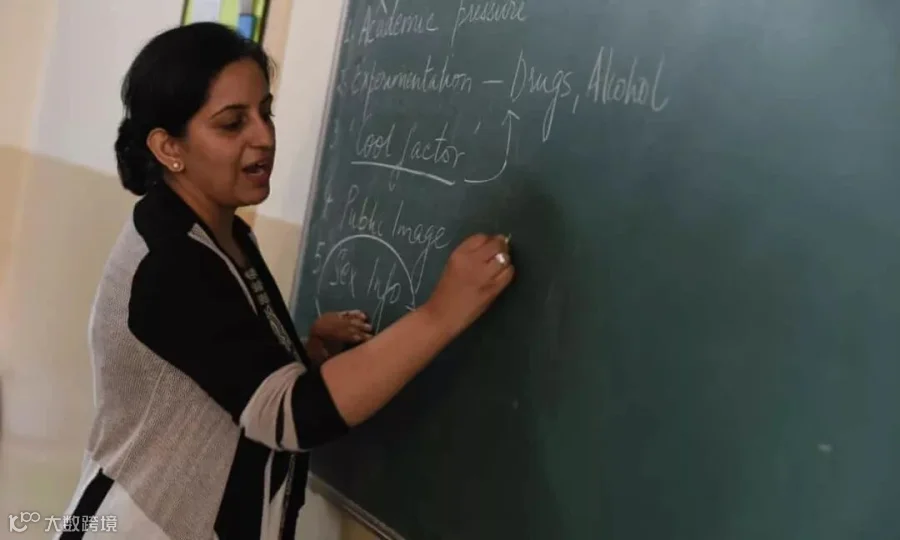
Bhatia asks: “Who would be thrown out of their houses if their parents got to know they were in a relationship?” All hands rise. In this context, one of the biggest challenges the students say they face is getting reliable information about sex. Today’s generation has a decisive advantage over earlier ones.
Bhatia问:“有谁觉得父母知道你们恋爱以后,会把你们赶出家门?”所有人都举起了手。在这样的环境下,学生们说他们面对的最大挑战就是怎样获取关于性的可靠知识。现代人比之前几代人有明显的优势。
“Google is our biggest support,” says Aahee. “If we don’t have Google, we have nothing.” The other major source is India’s prolific film industry, which in the past decade has started exploring issues such as sex, women’s independence and LGBT Indians. “Bollywood is evolving,” Nishan says. “The audience is maturing.” Much of the sex education the students receive involves unravelling ideas of love and relationships gleaned from the big screen, Bhatia says.
“谷歌给予了我们最多的支持。”Aahee表示,“如果没有谷歌,我们就一无所知。”另一个重要的支持来源是印度高产的电影行业,它在过去的十年里已经开始探索例如性、女性独立和印度LGBT人群等话题。“宝莱坞在成长,”Nishan说道,“观众也越来越成熟。”“学生接受的大部分性教育都来自大银幕上阐述的关于爱情与两性关系的想法。”Bhatia说。
The girls are warned against boys too eager to hold their hand or kiss them. “Be cautious, go away from this person,” Bhatia tells them. “Love can be at a distance. It doesn’t have to be a touchy kind of thing; don’t allow yourself to be taken for granted.” The boys are warned against giving into teenage obsessions, calling incessantly or “overloading a woman with gifts”.
女孩们被警告小心那些太急切地想要牵手或是亲吻她们的男生。“保持谨慎,远离那种人,”Bhatia告诫她们,“爱情也可以是有距离的,并不是一定要有肉体上的碰触,不要让自己被占了便宜。”男孩们则被警告不要陷入青少年的疯狂,不停地给某位女性打电话或是疯狂送礼。

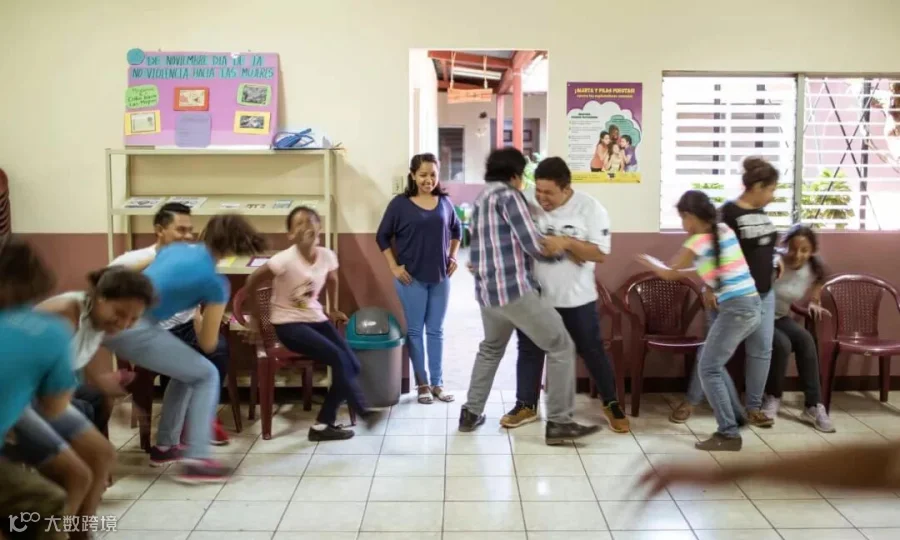
To get a flavour of how sexual harassment might feel, a group of Nicaraguan boys are playing a game called “el puente”, meaning “the bridge”. The boys, aged between 14 and 18, stand in two lines, facing one another. One by one, each of them walks between the lines – crossing the bridge – while their classmates catcall, pester and stare at them. How do they feel when it’s their turn? Uncomfortable, they all say.
为了了解性骚扰可能带来的感受,一群尼加拉瓜的男孩正在玩一个叫做“el puente”的游戏,意思是“桥”。这些处于14岁到18岁之间的男孩面对面站成两列,然后一个一个地从中间走过——即“过桥”——与此同时,两边的同学会喝倒彩,干扰他们并且盯着他们看。游戏后,他们无一例外地表示,当轮到他们“过桥”时,心里感到十分不舒服。
In Nicaragua, comprehensive sex and relationship education is not mandatory and is often neglected in schools and at home. This causes several problems, according to Hugo González, a regional representative from the United Nations Population Fund (UNFPA). Nicaragua has a strong machismo culture, one of the highest rates of teenage pregnancy in Latin America, high rates of maternal mortality, and widespread sexual violence against girls, while abortion services are illegal. Boys often believe they should act in a stereotypically masculine way to impress each other, according to Ruben Reyes, who runs a programme for high schools. He says the aim of the workshops is to liberate boys from these macho beliefs, and to empower and make life easier for girls in the process.
在尼加拉瓜,全面的性教育和两性关系教育不是强制性的,因此在家庭和学校中常常被忽视。联合国人口基金会区域代表Hugo González称,这导致了一些问题。尼加拉瓜有着强势的大男子主义文化,是拉丁美洲青少年怀孕率最高的国家之一,孕产妇死亡率高,对女孩的性暴力普遍存在,而堕胎在这里是非法的。Ruben Reyes是一名高中生项目的负责人,他说,男孩常常认为他们要给别人留下“典型的男子汉”的印象。举行讲习班的目的正是将男孩们从这种“大男子主义”的想法中释放出来,同时在这个过程中还能赋予女孩权力,改善她们的生活。
Walter, 18, says he used to think girls had to “serve” men and do all household chores. Emmanuel, 18, says he believed boys had to be muscular and dominant. “If girls didn’t want to be more than friends, I would stop speaking to them,” he says. Boys also say they didn’t feel they needed to worry about contraception, as they couldn’t get pregnant.
18岁的Walter表示他过去认为女性必须服务男性,负责家里的所有家务。同样18岁的Emmanuel则说:“男生必须是强壮的、占支配地位的。如果女孩只想和我做朋友,那我可不会再和她们讲话。”男孩们还认为他们不需要考虑避孕,因为怀孕的不是他们。
The boys claim their behaviour has changed because of the lessons. Emmanuel says he now steps in when he sees girls being harassed and calls out friends who mistreat girlfriends. “I even encourage my female friends to play football to achieve their dreams,” he says.
上完课后,男孩们表示他们的行为举止发生了改变。Emmanuel称,当看到女孩遭受骚扰时,他会挺身而出,并且会劝阻那些欺负女朋友的哥们。“我还鼓励我的女性朋友踢足球,来追求她们的梦想。”他说。
Reyes explains many of the boys don’t like acting macho to begin with, but feel they have to in order to fit in. So, for many, the workshops come as a relief. The boys learn to empathise with girls, but they also shake off peer pressure to harass girls just to “prove” they are a man.
Reyes 解释说,许多男孩本来并不喜欢表现得“大男子主义”,他们只是觉得这样做才能融入集体。所以,对很多人来说,这个讲习班让他们松了一口气。男孩们学着站在女孩的角度上思考问题,但他们也同时摆脱了同龄人带来的压力,不用再只是为了“证明”自己是个男人而去骚扰女孩。
来源:卫报
编译:戴乐彤 陈雨昕 周盈 李藜 张萌 张进宁
排版:戴乐彤
指导老师:刘佳