

全文约5000字,阅读需约20分钟
01
直面死亡的千禧一代

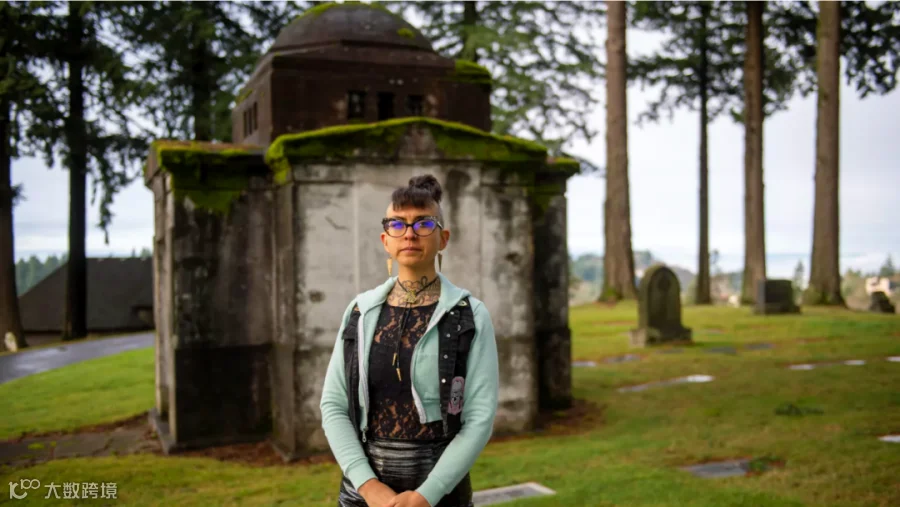

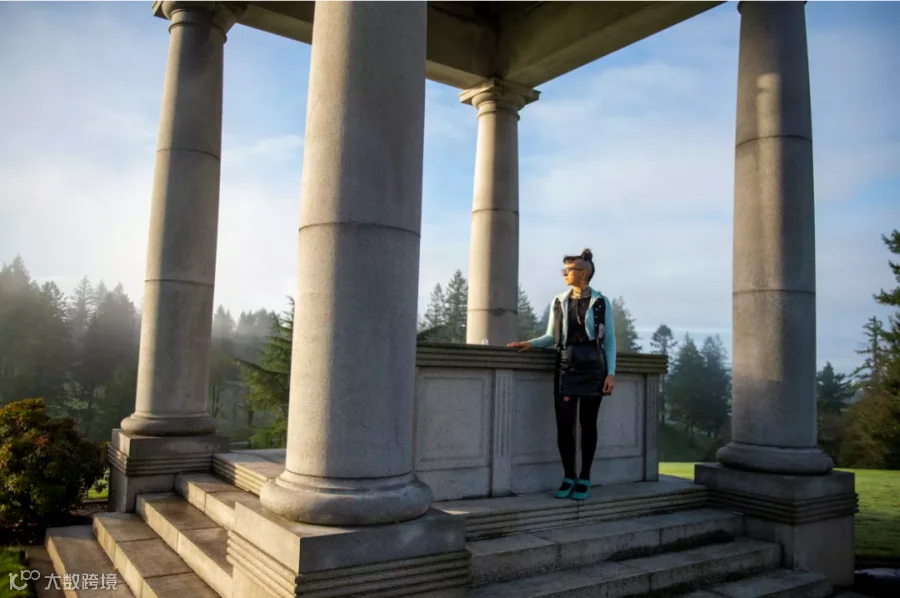
俄勒冈州波特兰市的西蒙·索特洛在27岁时就开始自己为自己的身后事做打算。
Simon Sotelo was 27 when she donated her body to science.
西蒙·索特洛在27岁时就决定将自己的遗体捐献于科学研究。
The Portland, Oregon-based graphic designer is still very much alive — and presumably will be for decades to come. She doesn’t have any life-threatening afflictions or high-risk hobbies. But, Sotelo says, signing a contract that grants medical students in the distant future the right to study her body gives her a sense of peace in the present.
这位来自俄勒冈州波特兰的平面设计师还十分健康——大概在未来的几十年里都是如此。她没有什么危及生命的顽疾,也没有高风险的爱好。但是,索特洛说,签订协议,让未来的医学生有权研究她的身体,这给她一种当下的平和之感。
“My goal from the beginning was, how can I just make this as cheap as possible for the people who have to deal with it?” Sotelo, now 31, says. “When I was first planning it, I was like, I have no savings, I have no money.” Oregon Health & Science University seemed to offer the perfect solution: When its research is complete — typically after two years — the college will pay to cremate the remains of its donors and return it to the family. At that point, Sotelo says, she hopes her loved ones will hold a celebration of her life, not a mournful wake. She’d like “The End of the Tour” by They Might Be Giants to play.
“我的初衷是,我要如何让人们尽可能不破费地处理好我的后事呢?”现年31岁的索特洛说,“当我开始计划的时候,我就想到,我没有存款也没有现金。”俄勒冈健康与科学大学似乎提供了最完美的解决方式:当他们(对于遗体)的研究结束——一般两年后——他们会出资将遗体火葬,并将骨灰归还捐献者的家庭。索特洛说,当那一刻到来时,她希望她所爱的人可以为她的生命进行庆祝,而不是悲哀的守丧。她还希望她们为她放一首明日巨星乐团的《旅途的尽头》(The End of the Tour)。
Most Americans don’t plan for their deaths in their 20s — or maybe ever. A 2017 study in the journal Health Affairs found only one in three US adults have an advance directive, including a living will with end-of-life medical instructions, power of attorney naming a person responsible for last affairs, or both. Fewer have planned their actual funeral arrangements: Only 21 percent of Americans have even spoken to their loved ones about their wishes, according to the National Funeral Directors Association.
大多数美国人不会在二十多岁时就为自己的死亡做打算——或许永远也不会。2017年刊登在《卫生事务》的一项研究表明,三个美国成年人中只有一个有预先声明,其中包括一份附有临终医嘱的生前遗嘱,后事负责人的授权书,或者两者皆有。根据全国丧葬承办人协会的调查,更少有人会计划好他们实际葬礼的安排:只有21%的美国人曾告诉过亲人自己的遗愿。
But “the American way of death,” as journalist Jessica Mitford called it in her 1963 classic book on the funeral industry, is changing. When Mitford first penned her investigation, she found anxiety, aversion, and few real options. Most consumers only interacted with the funeral industry on average every 14 years — and then, only under duress — so they weren’t likely to compare prices or make informed choices. As a result, Mitford argued, funeral directors could convince their hapless customers to spend more money than they had, on things they never wanted.
然而,在新闻工作者杰西卡·米特福德所著的《美国的死亡之路》中所提到的“美国式死亡”,正在产生变化。当米特福德第一次写到她的调查时,她从中发现了人们对死亡的焦虑、厌恶,无从选择。大多数消费者平均每14年才与殡葬业接触一次——而且也是被动的——所以他们不可能货比三家,抑或做出明智的选择。因此,米特福德指出,殡仪馆可以说服他们无助的顾客掏空钱包在他们从来不想要的东西上。
02
年轻人引领葬丧文化变革
Today, the internet grants us instant access to lots of information and seemingly infinite options. “Embalm and bury” used to be the only way Americans processed human remains — funeral directors were resistant to cremation (it was much cheaper than burial), and consumers thought burning a body sounded awful and un-Christian. Now, a YouTube channel called “Ask a Mortician” has almost a million subscribers, and we can turn our dead into diamonds.
现今,互联网给了我们即时获取大量信息和看似无限的选择机会。“防腐和掩埋”曾是美国人处理遗体的唯一方式,因为丧葬承办人曾抵制火化,因为火葬比埋葬便宜得多。消费者则认为焚烧尸体听起来很可怕,而且不符合基督教精神。如今,一个名为“殡葬师问答”的YouTube频道拥有近百万的订阅者,我们还可以把死者的骨灰制成钻石。
Ask a Mortician:YouTube上的一个专属频道“殡葬师问答”(Ask a Mortician),由美国的一名80后女殡葬师凯特琳·道蒂开设。凯特琳·道蒂用黑色幽默短片谈论各种丧葬话题,诙谐而不失礼貌。她通过直播,从职业角度解说人类永恒的主题——如何看待生与死?如何面对生与死?
In many cases, younger people are leading this black-bannered parade of cultural change. Mortician Caitlin Doughty in 2011 founded the Order of the Good Death, an organization that promotes death positivity, when she was 27. Now she runs her own funeral home in Los Angeles. Hansa Bergwall was 35 when he created the app WeCroak, a digital-age memento mori that reminds its 30,000 monthly users that they are going to die five times a day — presumably to help them live in the moment. And Katrina Spade began developing the idea that would become Recompose, a company that plans to turn human remains into soil, when she was 30.
众多实例显示,年轻人正在领导这场文化变革的黑旗游行。2011年,27岁的殡葬师凯特琳·道蒂创立了提倡积极死亡的组织“善死会”。现在她在洛杉矶经营着自己的殡仪馆。汉萨·伯格沃尔在35岁时开发了一款名为WeCroak的应用程序,一个数字化的死亡警告,它每天会提醒五次它的三万名月度用户他们终将死去——应该是为了帮助他们活在当下。卡特里娜·斯派德30岁时就初步设想成立“重组”(Recompose)公司,该公司计划将人类遗骸变成土壤。
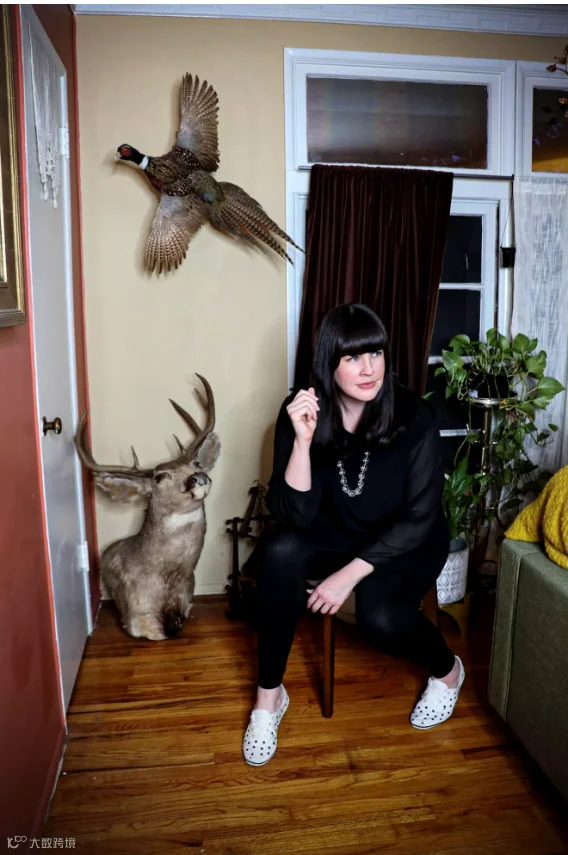
27岁的殡葬师凯特琳·道蒂创立了提倡积极面对死亡的组织“善死会”
In 2017, Nathan Gerard, an assistant professor of health care administration at California State University Long Beach, published a study of 84 millennials and their ability to talk about death. “There’s been a long held assumption that the young are somehow uninterested — or worse, ill equipped — to talk about death, let alone work with the dying,” Gerard said in an email. But he found the majority “had already engaged in a conversation about end-of-life care with a family member, and furthermore, a majority perceived themselves just as willing, if not more willing, as their parents to talk about end-of-life care options.”
2017年,加州州立大学长滩分校医疗管理助理教授内森·杰拉德发表了一份针对84名千禧一代及其谈论死亡能力的研究报告。杰拉德在一封电子邮件中说:“人们一直认为,年轻人对谈论死亡毫无兴趣——或者更糟的是,他们没有准备好谈论死亡,更不用说与垂死的人一起工作了。”但他发现,大多数人“已经与家庭成员就临终关怀问题进行了交谈,而且,大多数人对临终关怀问题的讨论意愿不比父母低。”
Why, those older adults must be asking, do people in the prime of their lives seem to be preparing for their demise? The answers vary widely, from eminently practical concerns, such as crushing debt and climate change, to social factors, like wellness culture, diverse spiritual practices, and the desire of some millennials to “curate their afterlives.”
那些年长的成年人一定会问,为什么那些正处于青春年华的人似乎在为自己的死亡做准备?答案千差万别,有非常实际的问题,如沉重的债务和气候变化,也有社会因素,如健康文化、多样的精神实践,以及一些千禧一代“策划他们的来世”的愿望。
“We are a generation that is less willing to be shamed for our interests in difficult topics,” Doughty says. “We know that not talking about money has put us in a very difficult financial position, especially those that graduated around the time of the [September 2008 stock market] crash,” she adds. “And we know that not talking about death can lead to a less self-aware life.”
“我们这一代人不像上一代人那么耻于面对那些窘迫困难的问题,”道提说。“我们知道,不谈钱让我们的财务状况陷入困境,对那些在(2008年9月股市)崩盘前后毕业的人来说更是那样,”她补充道,“而且我们知道对死亡避而不谈会让我们生活得更缺乏自知。”
03
丧葬文化的多样化发展
Before the internet, people hoping to get their affairs in order had to find financial planners, lawyers, and local funeral directors in the phone book, then set up in-person consultations. But people have an “aversion to talking to strangers about important things,” says FreeWill co-founder Patrick Schmitt, whose site streamlines the process of generating a will, healthcare directives, and powers of attorney. Technology means they no longer have to. With sites like Schmitt’s, it’s possible to generate a legal will in 20 minutes, no human interaction required.
在互联网出现之前,想处理好自己的后事的人必须在电话簿里找到财务规划师、律师和当地的丧葬承办人的电话号码,然后安排一场面对面的咨询。但是人们“讨厌和陌生人谈论重要的事情”,FreeWill的联合创始人帕特里克 施米特说。他的网站简化了生成遗嘱、医疗指示和授权委托书的过程。科技为人们免除了这一麻烦。只要有FreeWill这样的网站,人们就可以在二十分钟内生成一份法律遗嘱,期间完全不需要人工干预。
Since these essential forms used to be made on paper and in private, there’s little historical data about who had a will and who didn’t. But for the team at FreeWill, that information is readily available. Among its users, the number of people age 18 to 24 crafting wills is low, but shoots up among 25- to 44-year-olds, Schmitt says.
由于过去遗嘱都是私下写在纸上的,所以基本没有历史数据显示谁立过遗嘱,谁没有。但是对于FreeWill的团队来说,这些信息是很容易获得的。施米特表示,在用FreeWill起草遗嘱的人中,18岁至24岁占比较低,但25岁至44岁的人占比大幅上升。
“Younger people are less likely to have assets. People make the joke, ‘I don’t know who to pass my debt onto,’” Schmitt says. But “you’ve got big shifts around religiosity, home ownership, overall wealth at this age, marriage rates, birth rates, and these things are really going to shape views on estate planning and death.”
年轻人的资产往往不多。人们常常开玩笑说“我都不知道由谁来继承我的债务,”施米特说。但是“宗教信仰、房屋所有权、这个年龄段的整体财富、结婚率、出生率等方面都发生了重大变化。这些变化真的会影响人们对遗产规划和死亡的看法。”
In The American Way of Death, Mitford described a funeral industry that operated like an autocracy. The all-knowing funeral director guided the guileless consumer to the most expensive burial options — the most luxurious casket, the hardiest burial vault. Some things about dying haven’t changed, including the expense: The average cost today is $6,500.
在《美国的死亡之路》这本书中,作者米特福德把殡葬业描述成在独裁式运作的行业。无所不知的丧葬承办人总是引导朴实的消费者选择最昂贵的丧葬仪式——用最奢华的灵柩,最坚固的墓穴。关于死亡,有些事没有改变,比如丧葬费用:目前一场丧葬仪式平均花费6500美元。
But the death industry has diversified since 1963. Approximately 60 percent of students in mortuary science programs today are female, up from 5 percent in 1971. And new trends, like the home funeral movement, are led by “an assemblage of different groups of people, different beliefs, different practices,” says Phil Olson, a technology ethicist at Virginia Tech specializing in death studies.
从1963年开始,殡丧业变得更加多样。殡仪馆学的学生中女性占比从1971年的5%上升到了今天的大约60%。弗吉尼亚理工大学专门研究死亡问题的技术伦理学家菲尔奥尔说,像家庭葬礼活动这样的一些新的发展趋势,是由不同人群、不同信仰、不同实践的集合所引领的。
Church membership is declining, and the number of Americans who say they are atheistsis on the rise. (Right now, it’s hovering around 10 percent.) Though young people today may diverge from their parents’ or grandparents’ approach to death and the afterlife, many find other philosophies to guide them.
教会的成员数量在减少,同时,自称无神论者的美国人越来越多。(目前,这一占比在10%上下浮动。)现在很多的年轻人对待死亡和来世的方式尽管有可能会和老一辈有所偏差,但是许多人会找到其他的哲学理论来作为引导。
Bergwall co-founded WeCroak — the death reminder app — in 2017 as part of his own meditation practice.He quotes a Bhutanese folk saying that states, “To be a truly happy person, one must contemplate death five times daily.” The practice, which Buddhists call “maraṇasati,” or death awareness, is supposed to help people embrace uncertainty and feel the spiritual urgency required to change your life for the better. Monks in some parts of Asia meditate over dead bodies to accomplish this. Bergwall thought an app would be easier.
2017年,伯格沃尔参与创建了死亡提醒的应用程序WeCroak,作为自己冥想实践的一部分。他引用了不丹的一句民间俗语:想要成为一个真正快乐的人,你必须每天思考死亡五次。佛教信奉者们称这种做法为“玛拉阿萨提”,即死亡意识的实践,旨在帮助人们接受生活的不确定性,并感受到把生活变得更好所需要的精神紧迫感。亚洲一些地区的僧人们通过冥想死者来达到这个目的,但伯格沃尔认为一个APP会更加方便。
While wills and advance directives are important, Bergwall thinks his app attracts people with a broader definition of “death preparedness.” Instead of who will get what, “the conversation is more about, how can we have our affairs in order — emotionally, spiritually, relationship-wise — so we can enjoy our life now,” he says. If it sounds like we’re in the midst of a wellnessification of death, well, we probably are, Bergwall adds. In lieu of crystals and green drinks, you’ll find memento mori, “grief retreats,” and green funerals.
虽然遗嘱和提前的准备很重要,伯格沃尔认为他的APP以对“为死亡所作准备”的更宽泛的定义吸引力人们,他说,谈话的重点,不是谁会得到什么,而应该是我们怎样在情感、精神、社交关系上理顺各种后事,确保我们现在可以好好地享受生活。他还补充说,如果听起来他们是在把死亡做成健康产业的话,这的确差不多就是他们在做的事。取代能量水晶和绿色饮品的是,死亡提醒、哀悼静修和环保葬礼。
Anna Swenson is the communications manager for Recompose, the Seattle-based company that developed a method for human composting — and got it legalized by the Washington state legislature. She suggests that many of the changes in the death industry, and the speed at which they’re unfolding, could be driven by climate anxiety. As ecosystems collapse and the future no longer feels guaranteed, some people may feel more conscious of their own mortality. They may also feel more conscious about their impact on the planet, alive and dead.
安娜·斯文森是Recompose公司(一家提供遗骸转化服务的公司)的公关经理,这家总部位于西雅图的公司开发了一种人类遗骸堆肥的方法(将人类遗骸转化为土壤,以在死后滋养新的生命),并且通过华盛顿州的立法机关使其实现了合法化。她认为,丧葬行业的许多变化,以及它们开展变化的速度,也许是被气候焦虑所驱动的。随着生态系统的崩溃,未来不再有保障,一些人也许会更容易察觉到自己的死亡征兆。他们也可能会更加意识到自身对于地球的影响,无论身前还是身后。
Recompose为火葬和传统埋葬方式之外提供了另一种选择:将人类遗骸转化为土壤,以在死后滋养新的生命。它的模块化系统利用大自然的原理将人的身体送还地球,隔离碳并改善土壤健康。
In the United States, more than 90 percent of people are buried or cremated. But both methods have their downsides. Along with our dead, Americans also bury 20 million feet of wood, 4.3 million gallons of embalming fluids, and 1.6 million tons of reinforced concrete each year, according to the New York Times. Cremation, once marketed as an eco-conscious alternative, releases approximately 534 pounds of carbon dioxide — a greenhouse gas — per person. But newer, greener methods are emerging, from human composting to the “mushroom death suit” — available in human and pet sizes — that uses fungi to aid in decomposition.
在美国,有超过百分之九十的遗体被埋葬或者火化,但这两种方式都存在缺点。据《纽约时报》报道,除了逝者遗体之外,美国人每年还要在土地中埋下2000万英尺的木材、430万加仑的防腐液和160万吨的钢筋混凝土。火葬曾经作为一种具有生态意识的非传统丧葬方式被推广,每个人大约会释放534磅的二氧化碳(一种温室气体)。然而更新的,更环保的方法正在出现:从人类堆肥到 “蘑菇寿衣”(人类与宠物均适用),都是在用真菌帮助遗体分解。
Olson sees end-of-life consumerism evolving in other ways, too. “Millennials want their uniqueness or their quirkiness to come out in their final act,” he says. While much has been made about millennials and an assumed preference for “Instagram-worthy funerals,” Olson thinks this emphasis on individualism may reflect more profound social and personal angst: “It’s a way of exercising control over death,” he says. “It’s a way of coming to grips with your own mortality — to think about it and plan for it and try to make it your own.”
奥尔森也看到了临终消费在其他方面的逐步发展。他说:“千禧一代希望他们的‘独一无二’或者说是‘特立独行’即使是在最后的告别中也有所体现。”虽然人们已经做了很多关于千禧一代的研究,并且认为他们更倾向于可以拍出好看照片的葬礼,但奥尔森认为,这种对于个人主义的强调也许反映出了更深刻的社会问题和个人焦虑。“这是一种掌控死亡的方式,”他说道,“也是一种直面自身死亡的方法——审视它,规划它,努力让死亡处于自己的掌控之下。”
原文链接:
https://www.vox.com/the-highlight/2020/1/15/21059189/death-millennials-funeral-planning-cremation-green-positive
编译:罗清婳 靳晓乐 穆沁阳 赵寒旭 李汪悦
排版:李汪悦
指导老师:刘佳