

几十年来,“都市”一词常常用作是黑人音乐的统称。但随着今天这场新人权运动席卷全球、声势浩大,这种带有种族暗示性的标签很快就被音乐行业“打入冷宫”…


01 乐坛民权 方兴未艾
Despite an enduring debate around the name, it is, for many, still unclear what precisely constitutes the genre of "urban contemporary," and how or why the meaning of the term has migrated over the last several decades. Industry stakeholders have been pushing to change the name since at least 2018.
什么是“当代都市音乐”?尽管围绕这一名称存在持久的争议,但对于许多人来说,他们仍不清楚这个音乐流派的构成,也不知这一名称的含义在过去的几十年里是如何、因何变化的。但最迟从2018年算起,音乐行业的利益相关者就一直在推进改变这个名称。
On June 5, in response to the rapidly increasing momentum behind the fight for Black lives in the U.S. and around the world, Republic Records announced that it would "remove 'urban' from the label's verbiage in describing departments, employee titles and music genres," citing their belief that "over time the meaning and connotations of 'urban' have shifted and developed into a generalization of Black peoplein many sectors of the music industry, including employees and music by Black artists."
如今,美国以及世界各地对黑人生存权益斗争的势头迅速增长。作为响应,美国联众唱片公司(Republic Records)于6月5日宣布“在描述部门、员工头衔和音乐流派时,将‘都市’这一措辞删去”。用他们的话来说就是:“随着时间的推移,‘都市’的含义和内涵已经转变,并已发展成在音乐产业的许多领域中对黑人的概括,包括黑人雇员以及黑人艺术家创作的音乐。“
A few days later, on June 10, the Recording Academy — the parent organization of the Grammy Awards — announced that it would be renaming the Best Urban Contemporary Album and Best Rap/Sung Performance categories to Best Progressive R&B Album and Best Melodic Rap Album, respectively. The former includes "the more progressive elements of R&B and may include samples and elements of hip-hop, rap, dance, and electronic music." The latter encompasses songs with "strong and clear presence of melody combined with rap cadence."
几天之后,格莱美奖的主办方美国国家科学院录音艺术与科学学院于6月10日宣布,将分别把“最佳都市当代专辑”改为“最佳进步R&B专辑”;“最佳说唱表演类别”改为“最佳说唱旋律专辑”。前者包括“R&B中较为前卫的元素,并可能包括嘻哈、饶舌、舞蹈和电子音乐的节录和元素”,后者则包含了“强烈而清晰的旋律与说唱节奏相结合”的歌曲。
But what is urban, contemporary or otherwise? What does eliminating the term accomplish? And why now? What is it about the fomenting of a new civil rights movement that has finally prompted institutions to act?
但是都市的、当代的、或者其它的标签到底有着怎样的含义?删去这些词有什么作用?为什么要在现在删去?一场新民权运动的兴起最终促使各机构采取行动,这到底是怎么回事?

02 标签纠纷 旷日持久
Coined in 1974 by legendary radio DJ and radio program director Frankie Crocker, "urban contemporary" was originally meant to describe the broad mix — of R&B, hip-hop, disco, rap, and everything "from James Brown to Dinah Shore" — that Crocker was playing at the newly created WBLS station in New York. Despite being one of the most popular radio formats of the era, Black music stations couldn't attract the lucrative ad sales that would help them thrive.
著名DJ兼广播节目导演弗兰基·克罗克在1974年首次提出“都市当代音乐”一词,它最初是指克罗克在纽约新成立的WBLS电台中演奏的各种音乐,R&B、嘻哈、迪斯科、说唱以及“从詹姆斯·布朗到黛娜·肖尔”等。尽管黑人音乐电台是那个时代最受欢迎的广播形式之一,但这些电台却无法招揽到利润丰厚的广告,来帮助他们繁荣壮大。
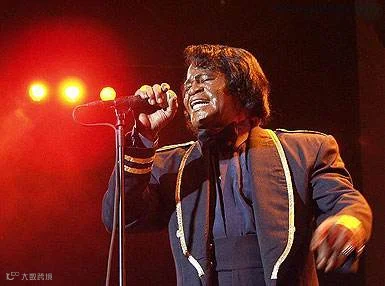
【詹姆斯·布朗】美国黑人歌手,被誉为美国灵魂乐的教父(Godfather of Soul),说唱、嘻哈和迪斯科等音乐类型的奠基人。
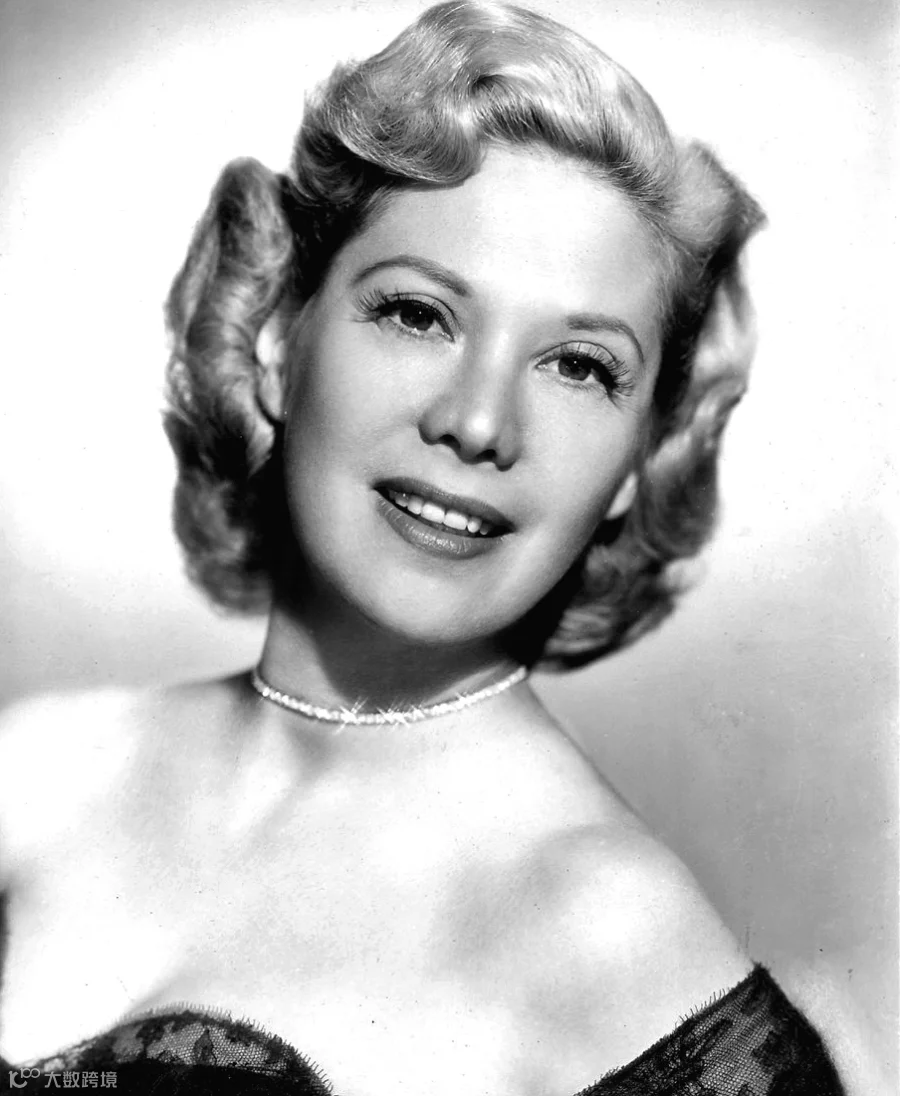
【黛娜·肖尔】40年代美国最杰出的女歌手,是脱离大乐队、开始独奏生涯的代表歌手。
"There was a perception that Black radio wasn't their audience, or that Black people didn't buy from their brands. The urban label helped make the white executives more comfortable," says Gail Mitchell, executive director of R&B and hip-hop at Billboard.
盖尔·米切尔是Billboard公司R&B与嘻哈部门的执行董事,她表示:“因为一些广告商认为黑人电台不是他们的目标客户,或者黑人不会购买他们的品牌,而‘都市’这个标签可以让白人主管们心理上更接受它。
Prior to Croker's intervention, music by Black musicians were called "race records" before the emergence of Rhythm and Blues in the 1940s and the term fell out of favor. Urban contemporary's use as a marketable commodity also opened the doors for Black people at the executive level to have a hand in shepherding the talents of Black musicians. But, according to Mitchell, it was a double-edged sword.
在克罗克发明“都市当代音乐”一词之前,黑人音乐家的所创作的音乐被称为“种族唱片”。但随着19世纪40年代节奏布鲁斯音乐(R&B)横空出世,“种族唱片”一词逐渐被冷落。“都市当代”作为一种市场商品,它的使用也为黑人在行政层面上打开了一扇门,黑人主管可以领导黑人音乐家发挥出他们的的才华。但米切尔说,这是一把双刃剑。
"If urban music is so popular, why aren't black executives getting equitable advancement in the record companies? Why aren't they getting the same benefits and promotions and marketing budgets? They don't have the freedom to cross into other genres the way white executives do, but then white executives are brought in to oversee urban divisions and don't know the culture. We should have a say and a role in bringing in profits to the music companies," she says.
她说:“都市音乐如此火爆,但为什么黑人主管并没有在唱片公司得到公平的晋升?为什么他们并没有获得同等的收益、提拔以及营销预算?他们不能像白人主管那样自由地在其它流派跨界管理,但监督都市音乐部门的白人主管又对相关文化一无所知。我们应该在音乐公司获利的过程中拥有话语权与一席之地。”
Conversely, Mitchell says that despite these industry struggles, she's on the fence about losing "urban" as an umbrella term, because she worries it may contribute to the erasure of the historical legacy of Black music, while the Black radio has long had a central role in Black resistance. "We can't lose track of what the main issue is," Mitchell says, "and that's calling for racial equality in the music industry."
相反,尽管黑人音乐产业发展艰难,但米切尔仍对是否删去“都市”这个标签持中立态度,因为长期以来黑人音乐电台一直在黑人反抗运动中充当重要角色,她担心这可能会抹去黑人音乐的历史遗产。她说:“我们不能忘记主要的问题——呼吁音乐行业的种族平等。”

03 四面楚歌 何方归属?
According to writer Taylor Crumpton, part of the problem is that the term urban wasn't accurate enough. "In its original context, 'urban' simplified the sounds of Black communities in metropolitan areas. It failed to incorporate the sounds of Black communities in rural areas such as the South, who engaged in Americana, country and folk music, but experienced racial discrimination from gatekeepers in their respective genres," she said.
作家泰勒·克伦普顿表示,问题之一在于“都市”一词不够准确。她说:“在最初的语境中,‘都市音乐’是都市中黑人音乐的统称。它并不包含美国南部农村地区黑人的音乐,比如美式音乐、乡村音乐和民谣,反而却受到了这些流派的把关人的歧视。"
The furor over the industry's initial refusal to classify either Beyonce's "Daddy Lessons" or Lil Nas X's "Old Town Road" as country songs stands as a prime example of Crumpton's point. The contradictory narrowness and breadth of the "urban" genre has, ironically, meant that no matter what kind of music black artists actually make, they are all swept into the same category.
此前,音乐界因为最初拒绝将碧昂斯的《Daddy Lessons》以及利尔·纳斯·X的《Old Town Road》归为乡村音乐而引发轩然大波,这正是克伦普顿观点的最好例证。“都市音乐”的风格既狭隘又广泛,充满矛盾,这意味着无论黑人艺术家做了什么风格的音乐,都会被扫入同一类别中,颇为讽刺。
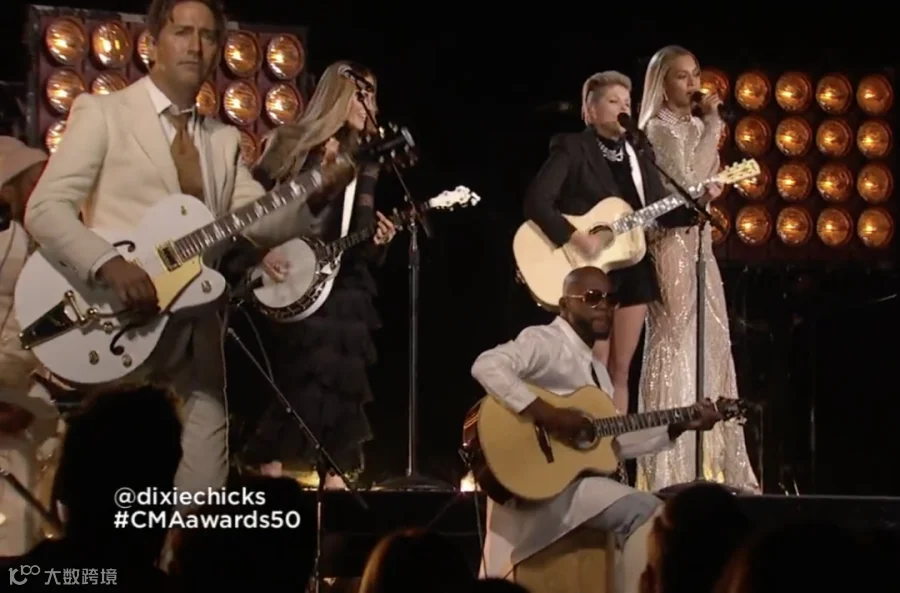
碧昂丝联手南方小鸡(Dixie Chicks)空降CMA美国乡村音乐大奖现场,演唱《Daddy Lessons》
Charlie Harding, co-host of the podcast Switched On Pop, says these contradictions continue to crop up because they are rooted in the music industry's racist history of white supremacy.
《开启流行乐》(Switched On Pop)的播客主持人查理·哈丁表示,白人至上这一种族歧视根植于音乐历史中,导致这些矛盾冲突不断。
"The music industry is constantly struggling to acknowledge Black music without calling it Black music," he says.
他说:“乐坛一直纠结于如何在不使用‘黑人音乐’字眼的情况下来认可表述黑人音乐。”

04 都市之名,牟利之实
Republic Records' stance seems to be an attempt to get it right this time. But Crumpton thinks the onus is on a different organization: The Recording Academy.
美国联众唱片公司这次的立场似乎是想让黑人音乐走上正途。但是克伦普顿认为责任在于另一个组织:美国录音学院。
"[T]he industry is built upon The Recording Academy; an institution with historic wrongdoings against Black artists and their music" she says. "Black artists created country, house and techno, so allow them to reap the fruits of their labor, because white artists have been doing so for decades."
她说:“乐坛是在录音学院的基础上发展起来的;而这个学院有着对黑人艺术家及其音乐的历史性错误。黑人艺术家创造了乡村音乐、浩室(house)和高科技舞曲(techno),况且白人窃取他们的劳动成果已经几十年了,所以请允许他们采撷属于自己辛勤劳动的果实吧。"

【House】电音分支之一,是芝加哥的DJ玩出的音乐,他们将德国电子乐团Kraftwerk的唱片和电子鼓规律的节奏及黑人蓝调歌声混音在一起,House就产生了
【Techno】 即表示"高科技舞曲", 利用电脑合成器,做出特殊音效
It is not yet clear how, or whether, these newly announced changes will greatly affect the industry at large, especially in the middle of a broader political movement to address systemic anti-blackness. But Harding says that the thing to keep in mind as the industry moves forward is that there need to be spaces for "safe Black creative practice."
音乐行业这些变革的时代背景,正是当前解决系统性反黑人问题的广泛政治运动,目前尚不清楚它们是否、如何对整个行业产生重大影响,但哈丁表示,随着行业向前发展,要记住的是,需要为“安全的黑人创意实践”留出空间。
The co-opting and shift in connotation of the term "urban" is a reflection of the way the same thing often happens to music that is produced under its banner. What was originally created by Black people to empower, is later used by white people to marginalize those same creators while profiting from their creative labor.
通过"都市音乐"一词的使用方式和内涵的转变,可见同样的事情常常发生在打着都市旗号的音乐上。最初由黑人创造出来赋予权力的东西,后来却被白人用来边缘化这些创作者,且还从他们创造性的劳动中获利。
Are these categories a segregated space created by white people, or a [safe] space created by black people? Who is the labeller?
所谓分门别类,是白人建立的隔离空间,还是黑人创造的安全地带?谁才是贴标签的人呢?
原文链接:
https://www.npr.org/2020/06/15/877384808/is-this-the-end-for-urban-music
编译:戴怡安 王夏雯 王姝 祖芃芃 吕适言
审核:周雨旸
排版:吕适言
指导教师:刘佳