


- Everyone's Life is like choosing coffee -
I only choose my favorite
—— ANONYMOUS


COFFEE

One of the world’s most popular beverages has overcome remarkable hurdles to carry on during the pandemic. What does it take to make a cup of coffee in 2020?
受疫情的影响,世界上最受欢迎的饮料之一正在克服种种困难。
2020年,一杯咖啡的背后,这个产业付出了多少努力?



In what has been a strange year for those people forced to work from home, little daily habits have helped to sustain normality. But there are a lot of people you have to thank for your mid-morning coffee break.
在一些人被迫居家办公的这一年,日常小习惯帮助我们维持这常态。对许多人来说,顺利喝上一杯晨间咖啡,要感恩的人太多了。
and my life
疫情中的咖啡行业变革进行时

This year has not been easy for people in the coffee industry, including 25 million smallholder farmers who are responsible for growing 80% of the world’s coffee. In total, 125 million people depend on coffee for their livelihood, from transporting and roasting the beans to selling the final product. Baristas and coffee shop owners were some of the first to close the doors to their businesses as lockdowns began. Some never reopened.
今年,咖啡行业的人正在经历寒冬。2500万小微规模的农民种植了全世界80%的咖啡。总共有1.25亿人依靠咖啡维持生计,例如:运输,烘焙,终端销售。开始实行封锁后,咖啡师和咖啡店主首当其冲。其中一些再也没有恢复。
Despite the incredibly challenging working environment imposed by Covid-19 restrictions, consumers have still been able to get their hands on their favourite drink, thanks largely to the resilience of coffee producers and supply chains.
尽管Covid-19给咖啡产业带来了巨大挑战,但消费者仍然能够买到他们最喜欢的饮品,这主要归功于咖啡生产商和供应链的灵活的合作。
Why have some parts of the industry thrived while others struggled to survive? And how did producers and retailers innovate to keep delivering our daily caffeine hit?
为什么该行业的某些部分蓬勃发展,而其他部分却难以生存?生产商和零售商又是如何创新,不断提供我们每天所需的咖啡因?

and my life
生产模式的变革

The world’s largest producer of coffee, Brazil, is having a bumper year. Coffee harvests naturally fluctuate year-on-year as the premium bean – arabica – follows a biennial cycle. Arabica makes up the majority of Brazil’s coffee crop, and while efforts to smooth out the year-on, year-off cycle have helped to make each annual return more consistent, there is still a bit of a dip in bean production in off-years.
世界上最大的咖啡生产国巴西正迎来丰收年。由于优质咖啡豆阿拉比卡遵循两年一次的周期,咖啡产量会出现自然波动。阿拉比卡咖啡是巴西咖啡豆的主要品种,虽然咖啡农在一直努力试图将每年高低不一的产量尽量拉平,但在淡季,咖啡豆产量仍有一定程度的下降。

Coffee producer Daterra are no exception. Daterra’s chief agronomist João Reis forecasts an “exceptional” harvest for quantity and quality this year as weather conditions worked in their favour. The problem posed by coronavirus for Reis was in harvesting the crop.
咖啡生产商达特拉也不例外。达特拉的首席农艺师雷阿斯预测,今年气候适宜,咖啡豆产量和质量都将“异常”丰收。对雷阿斯来说,冠状病毒真正带来的问题是如何收获咖啡豆。
The race was on to harvest the bumper crop safely with fewer workers before the rains spoiled the beans. Fortunately for Reis the skies stayed clear. The farm’s harvest this year is set to be 6,000 tonnes (about 100,000 bags), he says. “In 2019, we filled 70,000 coffee bags.”
为了赶在雨水泡坏咖啡豆前用更少的人力收割大量的咖啡豆,一场与时间的竞赛已然打响。好消息是,当地的天气持续晴好:“今年的收成估计在6000吨,约100000袋,而去年产量仅达70000袋。”
“The impact of Covid on coffee production is relatively minor,” says José Sette, the executive director of the International Coffee Organization. Governments moved to safeguard workers by declaring coffee production an essential economic activity. Despite the difficulties finding sufficient migrant labour, even much smaller coffee-producing countries like Ethiopia , which exports about four million bags of coffee per year, have largely been able to continue production as planned.
国际咖啡组织的首席执行官何塞说到:“疫情对咖啡生产的影响相对较小。“多国政府已宣布咖啡生产是国家必要经济活动,以此保障咖啡工人的生计。尽管咖啡行业面临着没有充足的移民劳动力的困难,像埃塞俄比亚这样每年咖啡出口量仅有四百万袋的小型咖啡生产国依然能够按计划继续生产。
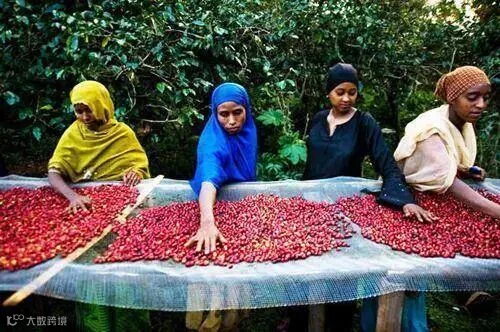
(在国际帮助下,发展中国家埃塞俄比亚国内的咖啡生产复苏)
“But with consumption, the uncertainty is greater,” warns Sette. “We do not know how the global economy will settle after this shock. When government support is no longer possible, we may see mass unemployment.”
话虽如此,何塞警告说:“伴随着咖啡的大量消耗,不确定性加大。我们不知道国际经济在这次冲击后将如何重新稳定下来。当政府不再能支持咖啡产业时,我们可能遭遇大规模失业。”

and my life
咖啡加工与销售业在疫情中的转型

Italy is a country of coffee lovers. As one of the first nations in Europe to impose tight restrictions on leaving the home, consumers had to adapt quickly to get their daily fix.
意大利是咖啡爱好者聚集地。作为欧洲第一个强制执行出行限制令的国家,他们不得不快速适应这一变化,寻找其他方式满足自己的日常咖啡需求。
Coffee grocery sales increased by 23% in the first full week of lockdown in Italy. Renata Bracale of Italy’s Molise University and Concetta Vaccaro of the Censis socioeconomic research institute in Rome compared Italians’ weekly grocery purchases with the equivalent sales in 2019. The method is not perfect, as year-on-year sales might fluctuate for any number of reasons, but compared to single-digit growth for wine and beer, coffee was a product Italians could not go without. A daily caffeine boost remained essential but Italians were happier to miss out on their aperitivi, Bracale and Vaccaro say.
意大利封城后的第一个星期,咖啡零售销量增长了23%。意大利莫里斯大学的雷娜塔和罗马塞席斯社会经济研究所的瓦卡罗,将当时意大利每周的杂货购买情况与2019年同等销售额的杂货进行比较,得出了这一结论。这一方法并不完美,因为每年同比销售额可能因任何一个理由浮动,但相较于红酒与啤酒的个位数的销量增长,数据证明咖啡才是意大利人真正离不开的东西。两人因此得出一个结论:意大利人可以舍弃开胃酒,但不能没有咖啡。

(意大利作为欧洲最早出现新冠的国家,早早地就进入了封城状态)
For cafes and coffee shops, the picture was less rosy. Leonardo Lelli, a coffee roaster in Bologna, knew immediately that Covid-19 would cause chaos for his business. With the centre of Italy’s outbreak in the north of the country, Lelli was in the eye of the storm. Ninety percent of Lelli’s beans are sold to coffee shops, restaurants and hotels, which were among the first to close down.
对于咖啡厅和咖啡店,情况就不这么乐观了。来自博洛尼亚的咖啡烘培师莱利,快速地意识到了新冠将会给他的工作带来的负面冲击。由于意大利疫情的中心在该国北部,莱利正处于风暴的中心。他九成的咖啡豆都销往咖啡店,餐厅和旅店,真实疫情冲击下最先关门的场所。
“We found ourselves out of work with warehouses full of raw materials,” says Lelli. He was not alone. Reis says that some of Daterra’s clients are choosing cheaper beans or delaying orders as they ride out the pandemic. With few options to sell his stock, Lelli decided to give a portion of it away to frontline workers and sell some online before waiting for the storm to pass.
莱利说道:“我们发现自己无事可做,而仓库里却堆满了原材料。他不是个例。雷阿斯透露一些达特拉的客户正转而购买廉价咖啡豆或者推迟订单直到疫情结束。由于没有多少销售渠道,莱利决定在疫情结束前,把一些咖啡豆分给一线的工作者并再把一些放到网上售卖。
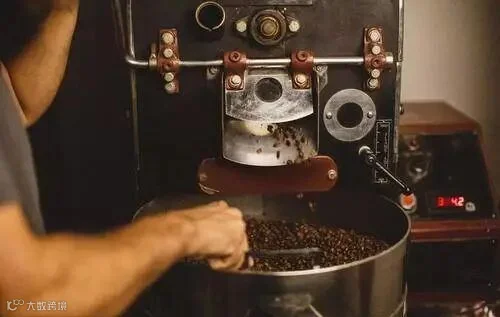
(咖啡师,疫情的冲击让他们的生计岌岌可危)
Online grocery retailers seem to have coped well with lockdown. Coffee was already the number one e-commerce grocery product before 2020 and the prevalence of subscription services and partnerships between delivery services and high-street chains have ensured customers could still get their hands on some.
相较之下,网上的杂货零售商似乎能游刃有余地处理疫情的冲击。咖啡在2020年前已经是网上销量第一的货物。得益于订阅服务普及与快递服务和商业街连锁店之间的合作关系,顾客在疫情中仍然可以获取咖啡。

and my life
新咖啡营销模式的出现
由于人们只能居家办公,离家消费的选择又有限,泡咖啡成为了一种上班“摸鱼”的方法。
Consumption of coffee at home offset the decrease in drinking in bars, restaurants and cafes around the world, from Brazil to Bali. But countries who reopened their cafes early are already seeing a bounce back.
从巴西到巴厘岛,世界各地的酒吧、餐厅和咖啡店内饮品营收下滑,但家庭咖啡消费抵消了这一负面影响。早早地重开咖啡店的国家已经见证了咖啡消费带来的利润反弹。
And in coffee markets harder hit by lockdown, there are again signs of regrowth. Fortunately for Lelli, restrictions in Italy were eased in June and he was able to open his business again. “It was not a complicated transition,” says Lelli. “One of the great advantages of being a craftsman is flexibility.”
不过,目前受封城影响较大的咖啡市场又有复苏的迹象。对莱利来说,幸运的是意大利的限制措施6月份有所放宽,他又可以开张营业了:"这不是一个复杂的过渡,匠人的一大优点就是灵活应变。"
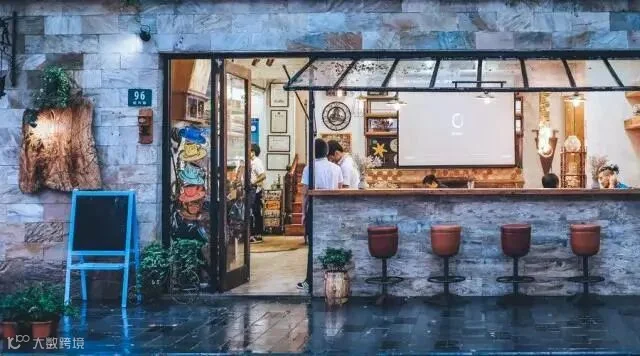
After three months of losing about 90% of his normal turnover, things are picking up. “Today we are almost at the pre-lockdown turnover,” says Lelli.
在莱利损失了正常营业额约九成的三个月后,情况终于有所好转。"如今我们的营业额几乎达到了停产前水平。"
In an industry where so much is changing fast, from where people buy coffee to how they consume it, there are some upsides. “E-commerce has grown a lot and now it’s very easy to use for the consumer,” says Lelli. It’s a change that could alter the face of the coffee industry as we know it. “In my opinion, it’s here to stay.”
在这个日新月异的行业,无论是人们买咖啡的渠道,还是消费咖啡的方式,都在快速变化,并带来积极影响。莱利说:"电子商务的蓬勃发展帮助消费者能够更便捷地购物。"这一变化将改变我们认知中的咖啡行业。"在我看来,变化将一直持续下去。"
The world’s trading routes have seen a year like no other in 2020. Many industries, makers and markets have responded to the coronavirus pandemic with ingenuity.
2020年,世界贸易的发展迎来了前所未有的一年。无数行业、制造商和市场都以巧妙的方式应对新冠病毒大流行。

而咖啡行业的应对措施无疑是其中的一场成功的案例,其灵活运用了政府的统筹协调与网络零售业的发展,在疫情中光彩依旧,而这无疑是其他行业值得学习的。
- END -



编译 | 李翱 曹金杰 李家蕊
排版 | 曹金杰