


编者按:瘟疫,一个可以摧毁一切、令人畏惧的事物。千百年来,虽然人们唯恐避之不及,但有关于它的艺术作品数不胜数。这些作品承载着我们的先祖对瘟疫奇异诡谲的理解,它甚至代表了一种历久弥珍的文化。
全文共3959字,阅读约需12分钟

1
1
1
As their communities grappled with an invisible enemy, artists have often tried to make sense of the random destruction brought by plagues. Their interpretation of the horrors they witnessed has changed radically over time, but what has remained constant is the artists’ desire to capture the essence of an epidemic.
在社会抗击疫情这种无形的敌人时,艺术家们常常试图解释它所带来的随机性破坏。随着时代发展,他们对自己见证的恐怖事件的解读发生了巨大变化,但不变的是艺术家们对捕捉疫情本质的不懈追求。
Through their creativity, artists have wrestled with questions about the fragility of life, the relationship to the divine, as well as the role of caregivers. Today, at a time of Covid-19, these historical images offer us a chance to reflect on these questions, and to ask our own.
艺术家们通过创作来思考生命的脆弱、与神的关系、以及护理人员的角色等问题。在当前新冠肺炎时期,一些历史名画也给了我们一个契机,反思这些问题,并提出新的问题。
1
2
1
警钟鸣,清音余
At a time when few people could read, dramatic images with a compelling storyline were created to captivate people, and impress them with the immensity of God’s power to punish disobedience. Dying of the plague was seen not only as God’s punishment for wickedness but as a sign that the victim would endure an eternity of suffering in the world to come.
在甚少有人识文断字的时代,艺术家创作戏剧性的图画,加以引人入胜的故事情节来吸引受众,向他们灌输上帝惩罚反抗者的力量之宏大。死于瘟疫不仅被视为上帝对其罪恶的惩罚,也标志着其将在来世永受痛苦折磨。


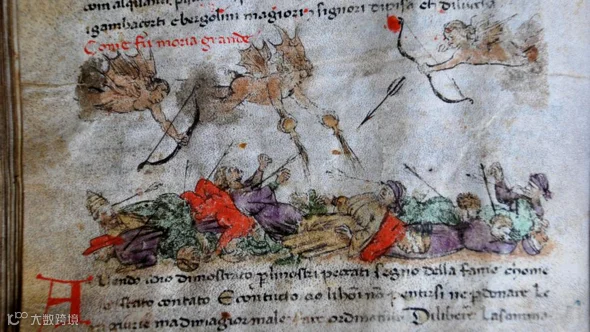

这副早期绘画手稿描绘了黑死病
(图源:路易斯·马歇尔/意大利国家档案馆,卢卡)
This image is one of the first Renaissance Art representations of the Black Death epidemic, which killed an estimated 25 million people in Europe during its most devastating years. In this illustrated manuscript painted in Tuscany at the end of the 14th Century, devils shoot down arrows to inflict horror upon a tangled mass of humanity. The symbol of arrows as carriers of disease, misfortune and death draws on a rich vein of arrow metaphors in the Old Testament and Greek mythology.
这幅画是文艺复兴时期第一批展现黑死病的艺术作品之一。当时席卷欧洲的黑死病夺去了约2500万人的生命。这幅图画手稿创作于14世纪末的意大利托斯卡纳,画中,恶魔将箭射向混乱的人群,以制造恐慌。这里的箭是疾病、不幸和死亡的象征,借鉴了《旧约》和希腊神话中大量有关箭的隐喻。
【Old Testament】《旧约》,也称《旧约圣经》是基督宗教对《 圣经 》全书的前一部分的常用称呼。
Australian art historian Dr Louise Marshall argues that devils are subcontracted by God to castigate humanity for their sins. Medieval people who saw this image would be terrified by the winged creatures because they believed devils had emerged from the underworld to threaten them with incredible powers.
澳大利亚艺术历史学家路易丝·马歇尔博士认为,魔鬼是上帝派来惩罚有罪的人类的。中世纪的人们看到这幅画像,都会被这些长着翅膀的生物吓到,因为他们相信魔鬼是从地狱里冒出来的,并以惊人的力量威胁着他们。


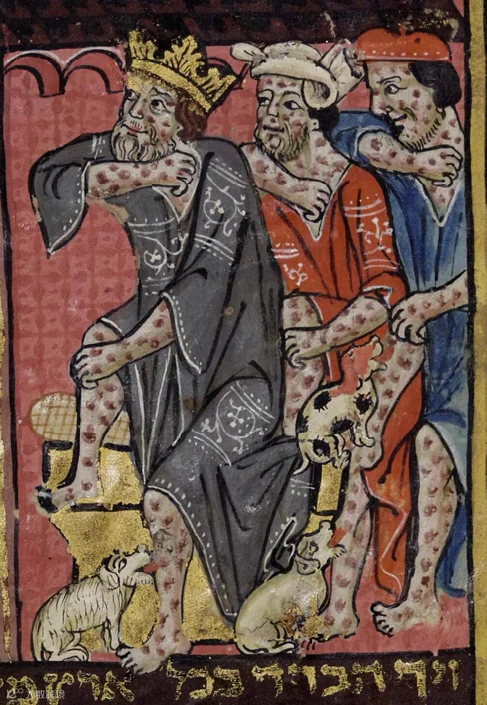

在这张14世纪的画作中,瘟疫被视作是一种惩戒。
(图源:曼切斯特大学瑞兰德图书馆)
The plague punishment narrative also forms part of the story of the liberation of the Jewish people from Egypt. This image of one of the 10 plagues brought down on the guilty Egyptians comes from a 14th-Century illuminated Haggadah. The manuscript was commissioned by Jews in Catalonia to use at their annual Passover meal. Here, the Pharaoh and one of his courtiers is smitten by boils for their sins of oppressing the Israelite slaves who the Egyptians claimed were swarming like insects. Professor of religion and visual culture, Dr Marc Michael Epstein, highlights “the extreme punishment revealed in the detail of this image, the three dogs licking their sinful Egyptian owners’ festering sores”.
在犹太人离开埃及的故事中,也有瘟疫惩戒这种说法。这副画出自14世纪的《哈加达》(Illuminated Haggadah),它描绘了在罪大恶极的埃及人身上发生的十灾之一。原稿是受加泰罗尼亚的犹太人委托绘制的,并在他们的年度逾越节晚餐上使用。在这幅画中,法老和他的一位臣子由于压迫希伯来奴隶的罪过而被烫伤,埃及人认为这些希伯来奴隶就像昆虫一样成群结队。宗教和视觉文化教授马克·迈克尔·爱泼斯坦博士强调“这幅图的细节揭示出了惩罚的残酷,三条狗舔着罪大恶极的埃及主人溃烂的伤口”。
【《哈加达》】目前所知最古老的《哈加达》版本出现于公元10世纪。时至今日,已有超过2500种不同版本,分别记载了古今各地犹太人的各种独特风俗和礼仪,是最受欢迎的犹太典籍之一。
【逾越节】纪念历史上犹太先民从埃及奴隶制压迫下逃出生天,并赞美上帝伸出援手。节期里最重要的庆祝形式就是逾越节家宴,其主题就是自由,赎罪和感恩。
【希伯来】最早的犹太人被称为“希伯来人”,意思就是“渡过河而来的人”。
Artworks created during times of plague reminded even the most powerful that their life was fragile, temporary and provisional. There is also extensive use of the hourglass to warn believers that they had only limited time to get their affairs and souls in order before the plague might cut them off without warning.
瘟疫期间创作出的艺术作品提醒着世人,生命是脆弱而短暂的,即使是最有权力的人也毫无例外。艺术作品中还广泛应用沙漏这一意象来警告信徒:在瘟疫可能毫无征兆地带走他们的生命之前,用来整顿俗事、净化灵魂的时间极为有限。
1
3
1
微见著,共鸣涌
There was a dramatic development in plague art with the creation of Il Morbetto (The Plague), engraved by Marcantonio Raimondi in the early 16th Century, based on a work by Raphael.
在十六世纪初期,莱蒙特依据拉斐尔的作品雕刻了作品《黑死病》。自此,瘟疫艺术有了极大的发展。


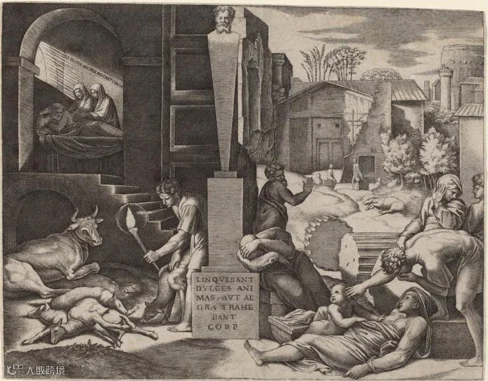

16世纪莱蒙特的雕版画作品
(图源:华盛顿特区国家美术馆)
According to US plague art historian, Dr Sheila Barker, “what is significant about this tiny image is its focus on a few individuals, distinguished by their age and gender”. These characters have become humanised, compelling us to feel compassion for their suffering.
美国瘟疫艺术历史学家希拉·巴克博士说:“这副小画的重要之处在于,它聚焦于几个年龄性别各不相同的个体。”看到这些人性化的画中角色,我们会不自觉地同情他们的苦难遭遇。
This shift in plague art coincided with a new understanding of public health. All members of society deserved to be protected.
在瘟疫艺术转变出现的同时,人们对公共卫生也有了新的理解:所有社会成员都应该受到保护。
This empathy theme was further developed in the 17th and 18th Centuries, with the closer alignment of the Catholic Church with a public-health agenda. Plague art began to be displayed inside churches and monasteries. Those who cared for the sufferers potentially sacrificed themselves and were therefore exalted by being portrayed as saint-like.
17、18世纪,随着天主教会与公共卫生议程的紧密结合,共情主题得到了进一步发展。教堂和修道院里开始展出有关瘟疫的作品。那些冒着牺牲风险照顾患者的人被描绘成圣人并受到尊崇。
1
4
1
绘苦难,愈创伤


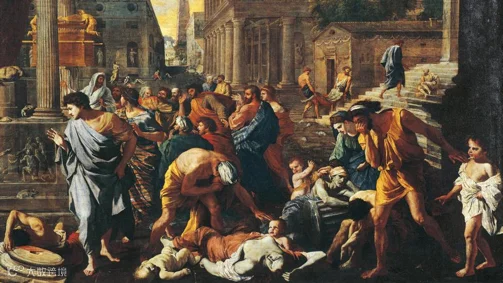

普桑于1630至1631年间创作了《阿什杜德的瘟疫》
(图源:盖蒂图片社)
In the 17th Century, many people believed that imagination had the power to harm or heal. The French artist Nicolas Poussin painted The Plague of Ashdod (1630-1631) in the middle of a plague outbreak in Italy. By arousing powerful emotions for a distant sorrow, viewers would experience a cathartic purge, inoculating themselves against the anguish that surrounds them.
在17世纪,许多人认为想象力能够破坏或治愈瘟疫。法国艺术家尼古拉斯·普桑在意大利瘟疫爆发期间创作了《阿什杜德的瘟疫》。看到这些描绘过往伤痛的作品,观众会产生强烈的情感,和精神宣泄的净化体验,从而对如今周遭的痛苦有一定的免疫效果。


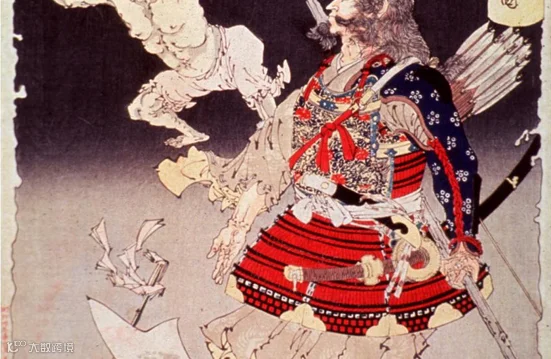

月岡芳年于1892年绘制的一幅作品中,一位武士在和两个天花瘟神搏斗。
(图源:美国国立医药图书馆)
The plague of smallpox devastated Japan over many centuries. An artwork created in 1892 depicts the mythical Samurai warrior Minamoto no Tametomo resisting the two smallpox gods, variola major and variola minor. The warrior is portrayed as strong and confident, clothed with viscerally red ornate garments and armed with swords and a quiver full of arrows. In contrast, the fleeing, frightened, colourless smallpox gods are squeezed helplessly into the corner of the image.
天花在日本肆虐了好几个世纪。一幅创作于1892年的画中展现了传说中的源为朝武士与大天花、小天花两个瘟神搏斗的场面。武士以强壮自信的形象出现在画中,身着腥红色的华丽服饰,佩戴着宝剑和装满箭的箭袋。相比之下,两个天花瘟神四处逃窜、惊恐不已、面无血色,无助地被挤到了画作的边缘。
1
5
1
自画像,抒悲怆
Modern and contemporary artists have created self-portraits to make sense of their own plague suffering, while simultaneously contemplating the transcendent themes of life and death.
现当代艺术家通过自画像来展现自己在瘟疫中的痛苦遭遇,与此同时对生与死这个宏大的主题进行思考。


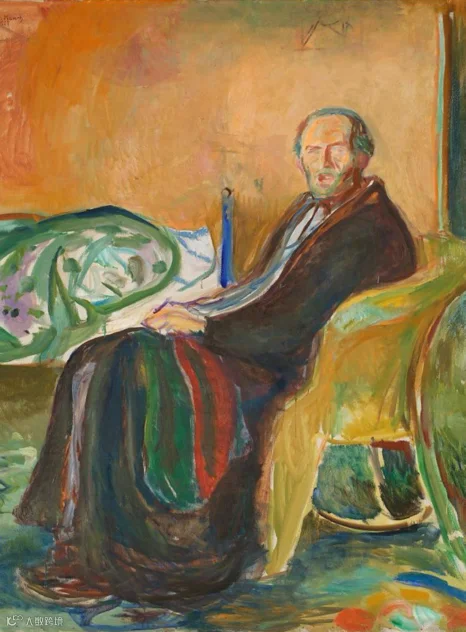

爱德华·蒙克《患西班牙流感后的自画像》(1919年)
(图源:挪威国家博物馆/雅克·拉西翁)
When the Spanish Flu hit Europe just after World War One, Norwegian artist Edvard Munch became one of its victims. While his body was still grappling with the flu, he painted his trauma – pale, exhausted and lonely, with an open mouth. There is a strong sense of disorientation and disintegration, with the figure and furniture blending together in a delirium of perception. The artist’s sheet looks like a corpse or a fitful sleeper, tossing and turning in the night.
一战刚刚结束,西班牙大流感就席卷欧洲,挪威艺术家爱德华·蒙克不幸被感染。在与流感病毒搏斗时,他画出了疾病给自己带来的痛苦——在画中他张着嘴,孤独、苍白且无力。画中的人物与家具在他恍惚的精神中逐渐融为一体,表达了强烈的无所适从的迷失感以及世界即将分崩离析的错觉。画中床铺上的被褥如同一具尸体,或是一个寝不安席的人,在黑夜中辗转反侧。
US academic Dr Elizabeth Outka tells BBC Culture: “Munch is not just holding a mirror to nature, but also exercising some control through reimagining it.” Outka believes that art serves as a coping mechanism here for both the artist and viewer. “The viewer may feel a profound sense of recognition and compassion for Munch’s suffering, which can in some way help to heal their distress.”
美国学者伊丽莎白·奥特卡博士向BBC文化栏目表示:“蒙克的作品不仅像镜子一样反映了真实的世界,还通过对世界进行重新构想,来加入自己的主观控制。”奥特卡认为,不管是对艺术家还是观众来说,艺术都是一种应对机制。“蒙克的痛苦可能会让观众产生深刻的认同与同情,这在某种程度上可以帮助他们应对自己的伤痛。”


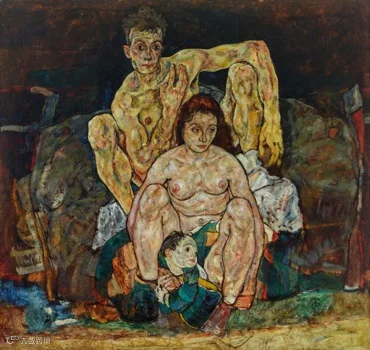

埃贡·席勒《家庭》(1918年),作品充斥着痛苦。
(图源:Fine Art Images/盖蒂图片社Heritage Images)
In 1918, both Austrian artist Egon Schiele and his pregnant wife Edith died from the Spanish Flu. The small child shown in the painting represents the unborn child of couple. Schiele attached great importance to self-portraits, expressing his internal anguish through eccentric body positions.
在1918年,奥地利艺术家埃贡·席勒与他怀有身孕的妻子伊迪丝都因西班牙大流感去世。画像中的儿童象征着这对夫妇尚未出生的孩子。席勒十分重视自画像,他通过奇怪的肢体姿势来表达内心的痛苦。


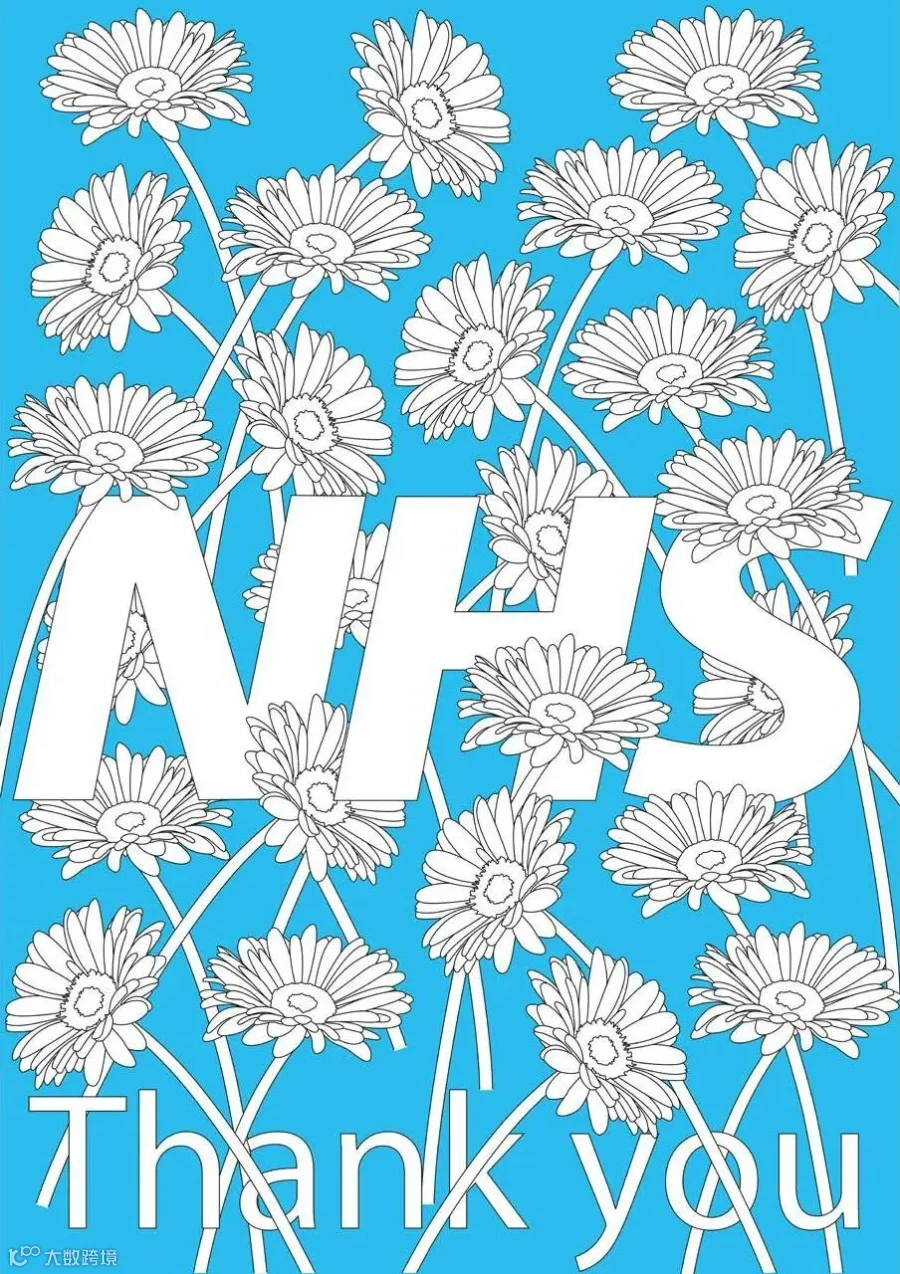

许多艺术家面对当前疫情,灵感爆发。迈克尔•克雷格•马丁就是其中一员。
(图源:迈克尔•克雷格•马丁)
Today’s digital platforms are enabling artists to respond to the Covid-19 crisis by expressing and sharing in real time. The Irish-born artist Michael Craig-Martin has created a Thank You NHS flower poster. We are encouraged to co-create the artwork by downloading it, colouring it in, and then collaborating by displaying it in our window.
如今,数字平台使得艺术家们可以通过实时的表达和分享来应对新冠病毒危机。爱尔兰出生的艺术家迈克尔·克雷格·马丁为英国国家医疗服务体系制作了一幅画满花朵的感谢海报,鼓励人们共同创作这幅画作:人们可以下载海报,为其填色,然后把它贴在窗户上进行展示。
【NHS】National Health Service,即英国国家医疗服务体系,负责承担保障英国全民公费医疗保健。
In countries across the world, artists are slowly making sense of the coronavirus and the self-isolating response in countries across the world. We who are living through this modern-day plague will engage with these emerging images; they might even regain some control over an experience that threatens so much of humanity and our globalised lives.
世界各国的艺术家们正在慢慢厘清新冠病毒以及各国的自我隔离响应。描绘新冠时代的图像与日俱增,正在经历这场现代瘟疫的我们,将会对它们产生更深刻的理解;在如今威胁人类和全球化生活的疫情中,这些画作将会夺回部分控制权。
原文链接:
https://www.bbc.com/culture/article/20200514-how-art-has-depicted-plagues
编译:祖芃芃 吕适言 王姝 王夏雯 戴怡安
排版:戴怡安
审核:周雨旸
指导老师:刘佳