

小Q小Q,为什么有那么多人爱比V呢,比V到底意味着什么呢???

无敌剪刀手走天下?或许可以看看下面这篇文章,可以get到不少小知识呢,可根据感兴趣的内容拖动浏览哦


比V到底是如何火起来的?
源于一位在广告里比V的日本流行歌手?
源于一位摔倒仍微笑表演的花滑者?
源于棒球漫画、改编剧或卡哇伊美学?
源于二战后的盟军占领日本期间传入?
简单比个V也可能会使指纹被盗?
黑客通过2.7米远的照片竟复制出了德国国防部长指纹?
比V到底意味着什么?
自信、优势或者挑衅?
文末小课堂
1、常见拍照相关词(比心or抢镜)你get了嘛?
2、Wordlist
What does it even stand for? Peace? Victory? Kawaii?
比V到底意味着什么呢?和平,胜利,或是显得更可爱?
Oh god, someone’s taking a photo again. There’s no time to think before the flash goes off. Spontaneously, my index and middle fingers pop up into a V, the palm facing outward, the rest of the hand clenched.
天啊,又有人在拍照了,在咔嚓一瞬间头脑空白,习惯性地将食指和中指竖起成V形,手掌朝外,其余的手握拳。

But why? Once associated with Asians cultures, for whom the sign was as culturally embedded as saying “cheese” is to English speakers, V-fingers have slowly and steadily swept worldwide. A quick search online reveals that Asians, and especially the Japanese, have long favoured this gesture. But today, it’s popped up everywhere.
但,这到底是为什么呢?V字手势曾与亚洲文化联系在一起,对亚洲人来说,这个手势就像说“cheese”对说英语的人而言是一样,具有深厚的文化内涵。如今,V字手势逐渐风靡全球。在网上一搜就会发现,亚洲人,尤其是日本人,长期以来一直喜欢这个手势。而今天,它无处不在。
Why give the V-sign?

But is there more to this than just giving your hands something to do in photos? What does it actually signify? And why do we all do it, regardless or race, creed or status?
不过比V除了不让手在照片中显得无处安放外,还有其他的意思吗?它到底意味着什么呢?为什么不管我们的种族、信仰或地位如何,我们都这样做呢?
The many origin stories
"FROM JAPAN?"

From a pop singer flashing V in a commercial?
源于一位在商业广告里比V的流行歌手?

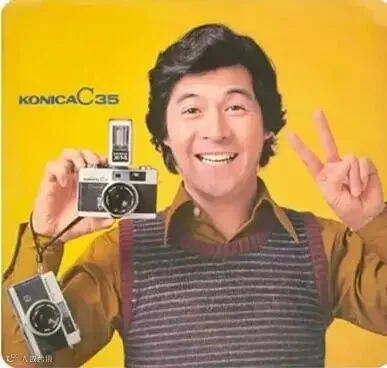
(1972年Konica广告)
“I think the Japanese mass media played a large role in propagating this practice,” says Jason G. Karlin, an associate professor at the University of Tokyo and an expert on Japanese media culture. He details an incident that happened in the early 1970s when amateur photography was becoming popular in Japan. The Japanese camera company Konica produced a TV commercial in 1972 that featured a pop singer named Jun Inoue, who was known for making the V-sign while on stage. Inoue flashed it in this commercial as well, which allegedly took the gesture mainstream.
东京大学副教授、日本媒体文化专家Jason G. Karlin认为日本大众媒体在宣传这种做法时发挥了很大作用。他详细描述了发生在20世纪70年代早期的一件事:当时业余摄影在日本开始流行,日本柯尼卡(Konica)相机公司在1972年制作了一个电视广告,以流行歌手井上顺(Jun Inoue)为主角,他因在舞台上做出V形手势而出名,井上顺在这个广告中也比了V,据说这一手势成为当时的主流。

From a figure skater still smiling after felling?
源于一位摔倒后仍微笑表演的花滑运动员?

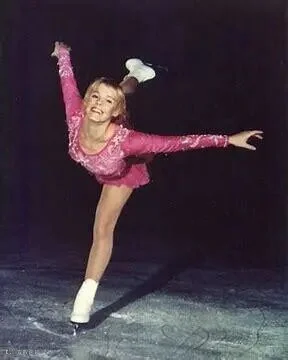
But Inoue wasn’t the only person flashing V-fingers at the time. Another popular and more colourful theory ropes in another celebrity, the American figure skater, Janet Lynn.
但是井上顺并不是当时唯一一个比V的人,另一个更受欢迎、更丰富多彩的推测涉及到另一位名人——美国花样滑冰运动员珍妮特·林恩(Janet Lynn)。
During the 1972 Winter Olympics held in Japan, the then 18-year-old Lynn was expected to take gold on the ice, having previously won the U.S. championships five times in a row. “But — horror of horrors! — during a spin around two minutes into her graceful, impressive performance, she fell over on her, er, bottom,” reads a piece in The Japan Times. “But, to the surprise of the Japanese watching, who may have expected her to be heart-broken or dutifully ashamed, she just smiled, got up and soldiered on.”
1972年,在日本举行的冬奥会上,当时18岁的林恩曾连续五次赢得美国冬奥会的冠军,人们预计她将夺得此次冬奥会的金牌。“但是令人震惊的是,在开始了优雅且令人印象深刻的表演后的她,旋转了大约两分钟后一屁股摔倒在地面上”《日本时报》上的一篇文章写道,“令在场的日本人惊讶的是,她并没有他们所预料中的心碎或者因为失误而感到羞愧,而是微笑着站起来并继续表演。”

The story goes on to say that the Japanese, who’re culturally known for not taking failure well, were blown away by Lynn’s attitude. Lynn won over fans even though she lost the gold, and in the magazine interviews that followed, signed off with the words “Peace and love” (a nod to the late hippie era).
在文化上以失败为耻而闻名的日本人,被林恩的态度惊讶到了。林恩失去了金牌却收获得了一批粉丝,在随后的杂志采访中,她以“和平与爱”(向晚期嬉皮时代致敬)作为结尾。
The Japan Times piece talks about the rumour that Lynn’s habitual and charming flashing of the V-sign thus kicked off the trend, but the writer admits being unable to find a single photo of Lynn actually posing with her fingers outstretched.
《日本时报》的这篇文章提到,有传言称林恩习惯性迷人的比V手势开启了这一潮流。但该文作者承认,她找不到林恩真正伸出手指比V的照片。

from comic、teleplay or kawaii aesthetic?
源于日本棒球漫画、改编剧或卡哇伊美学?

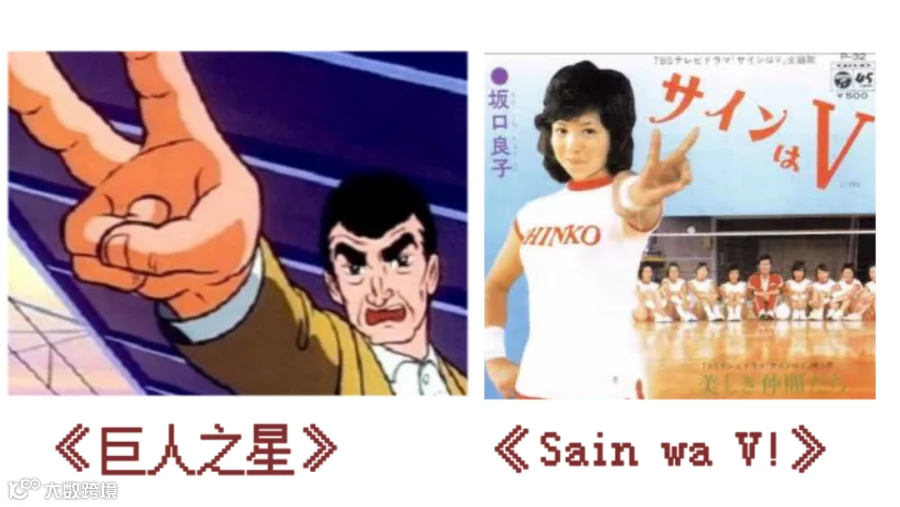
In the 1968 baseball comic Kyojin no Hoshi (Star of the Giants), a protagonist struggling with father issues, and the pressure of competition, gets his dad’s tacit approval when the elder throws him a ‘V’ before a big game,” reads an article published in TIME magazine. “The volleyball manga Sain wa V! (V Is the Sign) was created shortly after and was adapted into a television series with an infectious earworm of a theme that features the chant “V-I-C-T-O-R-Y!””
“在1968年的棒球漫画《巨人之星》中,主人公与父亲的反对以及竞争的压力作斗争,在他即将奔赴一场大型比赛前,父亲在最后一刻向他比了一个‘V’字,意味着父亲默许的鼓励,”《时代》杂志上的一篇文章写道,“排球漫画《Sain wa V!》(V就是标志)不久后便问世,并被改编成以主题曲为“V- I - C - T - O - R - Y !”洗脑的电视连续剧.

But young people sticking out their fingers today might not be an ode to a person or a comic as much as have it serve a purpose: to make your face appear smaller and sweeter in photos. Or as the Japanese put it, more kawaii.
但如今的年轻人比V可能不是对某个人或漫画的赞美,只有一个目的:让自己的脸在照片中显得更小、更甜美,或者像日本人说的那样——更可爱。
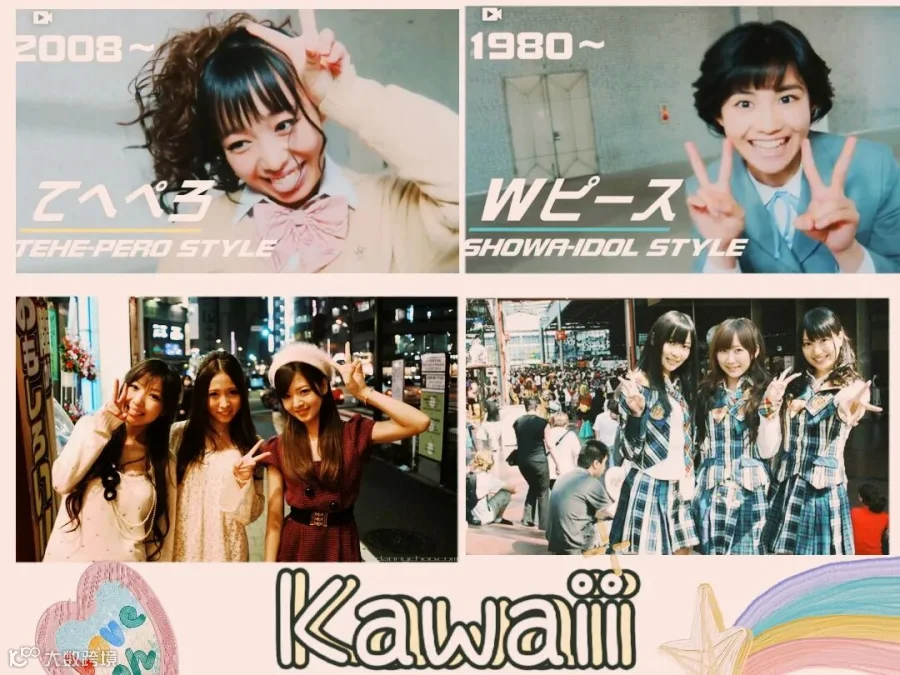
“In Western culture, we’ve come to think of kawaii as a synonym for cute,” a Wired piece on the power of kawaii explains. “In Japan, where the kawaii aesthetic has been its own pop culture phenomenon for decades, the word is a bit more complex.”
“在西方文化中,我们认为卡哇伊是可爱的同义词,在日本,卡哇伊美学已经成为了他们几十年的流行文化现象,这个词要复杂一些。” 《连线》杂志在一篇关于“卡哇伊的力量”的文章中解释道。
In the 80s, when digital cameras were just starting to hit the shelves and magazines for women and girls were getting popular, the kawaii aesthetic took off. The V-sign for the boomers when they were younger was what the pout or the RBF has been to the millennials.
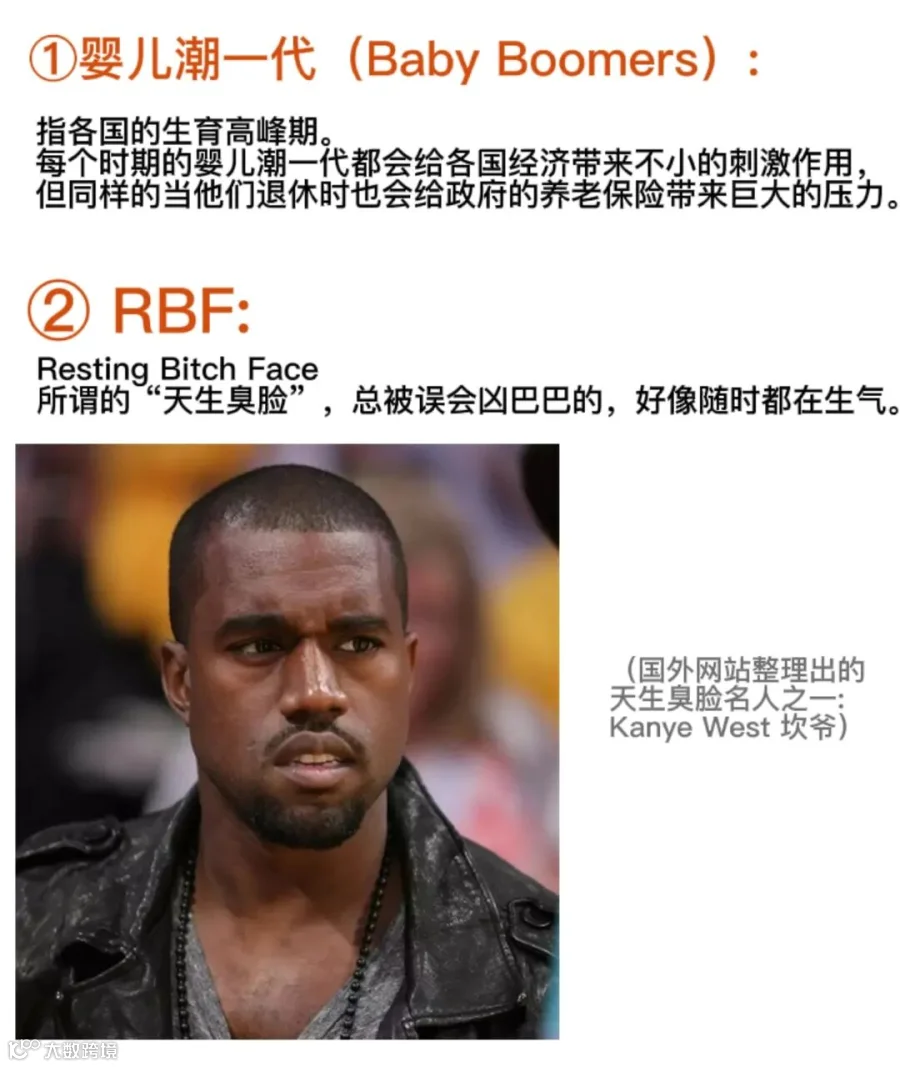
上世纪80年代,数码相机刚刚开始上市,面向女性和女孩的杂志也开始流行起来,卡哇伊美学随之兴起。婴儿潮一代年轻时的V字手势就好比千禧一代的撅嘴或天生臭脸。
婴儿潮一代和RBF指的是什么?


A video on how to get your V-sign kawaii-approved says that “the trick is to tilt the fingers towards the face and tilt the face forward.” It gives a couple other hacks too. “You can also try touching your face with any of your fingers or spreading them on the side of any of the eyes. Add a wink and a duckface at the same time, and success is guaranteed,”
根据一个关于如何让你的V字型手势更可爱并得到认可的视频,“诀窍就是手指向脸倾斜,脸向前倾斜。”该视频还提供了其他几个技巧——“你也可以试着用手指触摸自己的脸,或将手指摊开放在眼睛两侧。同时加上一个眨眼和一个嘟着嘴巴的“鸭子脸”,就大功告成了。”

(duck face:≠ 鸭子脸哦,
指自拍时,嘴巴往前噘,和鸭子嘴很像)
"FROM THE WEST?"
However, while Japan has been largely positioned as the birthplace of this ubiquitous sign, some experts believe that the origins actually lie in the West.
尽管日本被看做是这个无处不在的标志的发源地,一些专家却认为它实际上起源于西方。
“Most believe that this gesture came to Japan during the Post-WWII Allied Occupation (1945-1952),” says Akira Mizuta Lippit, the Vice Dean of Faculty and professor in the Division of Cinema and Media Studies at the USC School of Cinematic Arts. “The Allies took great pains to appear a benign occupation and promoted the rhetoric and symbolism of peace after the end of the Pacific War. American popular culture—rockabilly music, denim jeans (Levi’s), Coca-Cola, and in general all things American—were highly visible and popular during this period. I’ve always assumed that the Japanese ‘peace sign’ was an expression of American popular culture adopted during the Post-War occupation that vigorously ‘westernized’ Japan.”
南加州大学电影艺术学院电影与媒体研究学院副院长兼教授Akira Mizuta Lippit说:“大多数人认为,这一行为是二战后的盟军在占领(1945-1952)期间传入日本的。太平洋战争结束后,同盟国煞费苦心地营造善意的占领假象,并宣扬和平的说辞与符号。在这一时期,美国的流行文化——摇滚音乐、牛仔裤(李维斯牌)、可口可乐,总的来说几乎所有美国的东西——都是非常显眼和受欢迎的。我一直认为日本人的‘和平手势’是美国流行文化的一种表达,这种文化在战后美国占领日本期间被大力地‘西化’了。”
?

正V与反V区别大不同?
A.反V=蔑视
C.正V=胜利和平
B.反V=侮辱
D.正V=凹造型
答案
点击下方空白get答案
正V:有胜利或和平之意,现在大多代表一种愉悦的心情、或单纯为了“凹造型”
反V:在大多数国家有侮辱、挑衅、怼人等意思。丘吉尔曾喜欢比反V来怼自己的政敌。
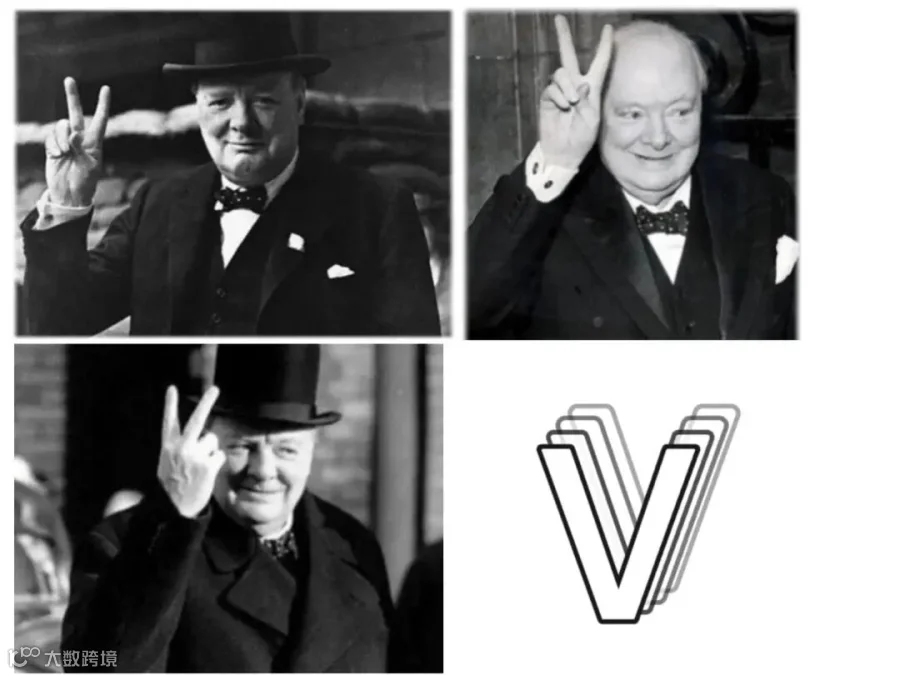
Moving on from Japan and the USA, the symbol also finds a place in British history. Winston Churchill is famous for having flashed it a few times. While many reports say this was about defiance, they also note that Churchill would sometimes cheekily flash it with his palm facing inwards. This is similar to showing the middle finger for the Brits, and even a cause for much mirth in Australia, New Zealand and South Africa.
除了日本和美国,这个符号在英国历史上也占有一席之地。丘吉尔因为几次突然比V而掀起不小的反响。尽管许多报道称这是一种挑衅,不过他们也注意到丘吉尔有时会做出掌心朝内的大胆手势。在英国人看来,这一手势类似于竖中指。在澳大利亚、新西兰和南非,这一手势甚至会引人发笑。
The sign with issues

拍照比“剪刀手”会泄漏指纹?

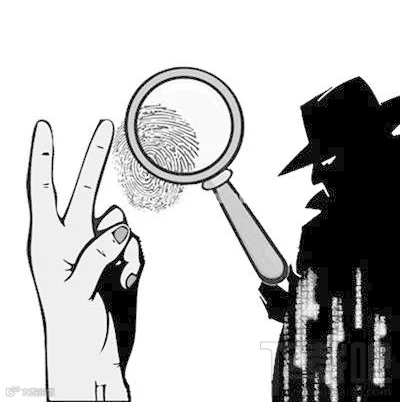
Some years ago, research by a team at Japan's National Institute of Informatics (NII) revealed that selfies with the peace sign could pose a security threat, as scammers can recreate your fingerprints from them.
几年前,日本国家信息研究所(NII)的一个研究小组发现,比V的自拍可能会构成安全威胁,因为骗子可以用它们还原你的指纹。
“Posting a peace sign selfie with today's powerful smartphone cameras can make you vulnerable to the collection of your fingerprints, face, even irises or pupil reflections,” confirms Rachel German, who teaches information security and privacy at the University of Texas at Austin. “Hackers copied the fingerprint of the German Defense Minister from photos nine feet away and showed it off at a conference in Hamburg years ago, but even more concerning is what happened in the U.K. A phone was searched after an arrest and police found a photograph from WhatsApp showing a hand holding drugs. Even though there was only a small section of the fingerprint visible, law enforcement was able to find and arrest the man in the photo.”
现如今使用功能强大的智能手机拍照后,发布的一张比V自拍照,可能会让你的指纹、脸,甚至虹膜或瞳孔反射等信息被收集,教授信息安全和隐私的Rachel German证实了这一点。几年前,黑客通过一张九英尺远(约2.7米远)的照片复制了德国国防部长的指纹,并在汉堡市的一次会议上展示出来。但更让人关注的是发生在英国的另一个事件,警方在一次搜查逮捕中发现了一部手机, 在WhatsApp里看到一张手拿毒品的照片,尽管只有一小部分指纹可见,执法人员还是找到并逮捕了照片中的男子。
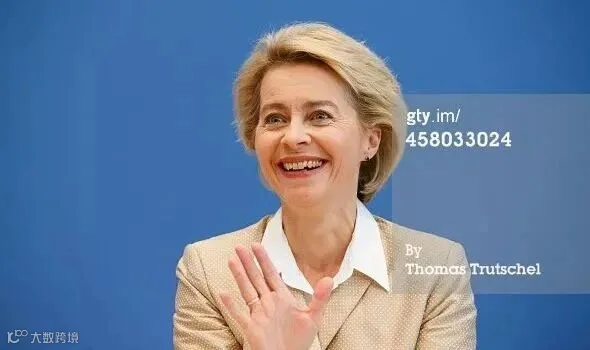
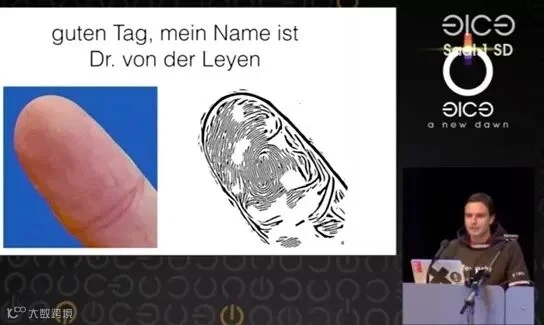
左:德国国防部长在2014年记者会上
右:扬•克里斯勒在黑客年会上介绍自己的伪造过程
Though cheating off your fingerprints from photos is possible as such, it’s far from easy. If fingertips are not visible, are too small or the image too blurry, you can’t get anything. This is an emerging privacy threat, but there’s not really much you can still do with people’s fingerprints. You can’t open their front door or steal their money using their well-lit selfies.
虽然从照片上盗用指纹是有一定可能性的,但这绝非易事。如果指尖不可见,太小或图像太模糊,就什么都得不到。这是一种新兴的隐私威胁,但实际上拿到了别人的指纹能做的事也不多,你不能用他们光线充足的自拍打开他们家的门或偷他们的钱。
The sign that lived

What does V even stand for?

“When we can see the palm of a person’s hand, we instinctively know they aren’t hiding anything,” explains Tara Well, professor of psychology at Barnard College, Columbia University. “Many believe that the handshake evolved from showing that you weren’t holding a weapon when strangers first met.” The peace sign, similarly, is also an open hand gesture.
哥伦比亚大学巴纳德学院心理学教授塔拉·韦尔解释道,“当我们能看到一个人的手掌时,我们本能地知道他们没有隐瞒什么。很多人认为,初次见面时,握手是为了表明没有拿武器。类似地,和平手势也是一种张开的手势。”
“Imagine this same symbol, but the palm faces the sender—this is considered an aggressive gesture in many contexts. V depicts upward movement, victory, winning, confidence, and dominance. So, the peace sign says, ‘I’m friendly and confident. Trust me. I’m a winner!’ ”
想象一下同样是比V,但是手掌面向自己——在很多情况下这被认为是一个挑衅的手势。V代表积极向上、胜利、自信和优势地位。所以,比V表明‘我是友好和自信的。相信我,我是赢家!’”

√ 这些拍照相关词你get了吗?
剪刀手 victory sign / peace sign
嘟嘟嘴 duck face
比心心 finger heart(食指拇指比心) / hand heart (两只手环成心)
扮鬼脸 grimace / funny face
上镜的 photogenic
抢镜王者 camera hog
不喜欢拍照 camera-shy


①spontaneously
adv. happening or arising without apparent external cause 自发地;自然地;不由自主地
eg:Many people spontaneously stood up and cheered.
②propagate
v. to spread an idea, a belief or a piece of information among many people 传播;宣传
eg:To propagate a custom token, get hold of the subject .
③consolidate
v .to make a position of power or success stronger
使加强;使巩固
eg:Then they'll also consolidate servers.
④tacit
adj .that is suggested indirectly or understood, rather than said in words 不言而喻的
eg:By tacit agreement, the subject was never
mentioned again.
⑤benign
adj. kind and gentle; not hurting anybody
善良的;和善的;慈祥的
⑥ kick off the trend 开启潮流
 编译:李艳阳
排版:李艳阳
🔍原文链接:https://www.vice.com/en/article/k7a4za/v-sign-fingers-peace-vagina-pose-photo