

编者按
窗帘、百叶窗,通通不需要?到底是不注重隐私,还是其他因素使然?快跟随小Q,透过窗户探究荷兰人的内心世界吧!
-全文约5000字,阅读需15分钟-

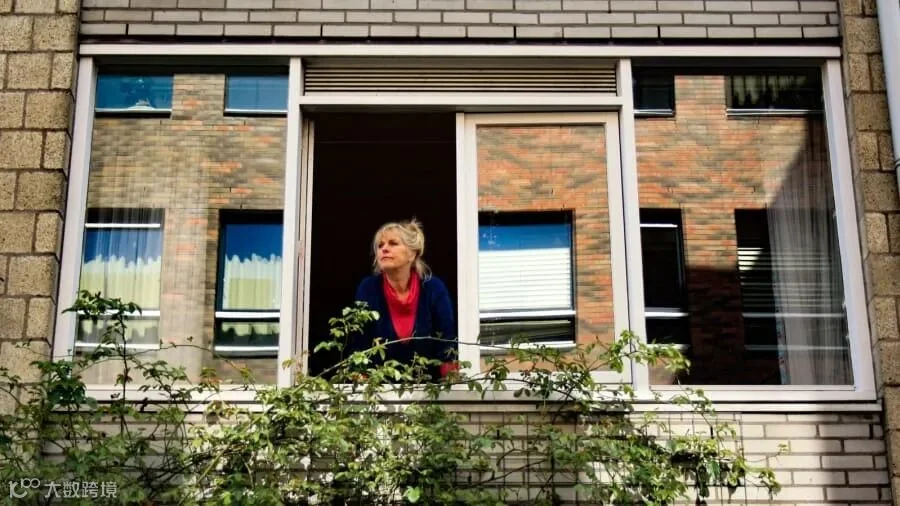
Astrid Brooke says she considers curtains a bourgeois adornment to a window and has rarely felt the need for them. She also laments the loss of openness as more young people and expats opt to install them.
阿斯特丽德•布鲁克说,她认为窗帘是一种资产阶级的窗户装饰,没有必要安装。她还为现在越来越多的年轻人和外籍人士选择安装窗帘导致的开放性的缺失感到遗憾。
For many visitors to the Netherlands, one of the great discoveries when wandering through the streets of Amsterdam or other towns and cities is that you can often take a look inside people's homes when it gets dark.That's because many Dutch people never close their curtains or blinds. Often, people don't even have curtains or blinds.
对于很多荷兰的游客来说,当漫步在阿姆斯特丹或其他城镇的街道上时,他们会惊奇地发现夜幕降临后人们的家中一览无余。那是因为许多荷兰人从来都不拉窗帘和百叶窗。好多人根本就没有安装窗帘或百叶窗。
At a time when coronavirus restrictions are confining people all over the world to their homes -- with only a window for contact to the outside world -- this national quirk seems even more intriguing.
在世界各地的人都因为新冠病毒应对措施而被迫禁足的情况下,窗户成了连接家和外界的唯一渠道。这个国家的怪癖在这时显得格外有趣。
The Dutch themselves don't think it unusual. It's so interwoven in their culture that researchers have struggled to figure out exactly why people in the Netherlands care so little about their privacy.Those who look for an explanation for this rather curious exhibitionism quickly get caught up in major sociological tangles.
荷兰人觉得不拉窗帘也不足为奇。这种习俗在荷兰文化中根深蒂固,研究人员很难弄清楚为什么荷兰人这么不关心自己的隐私。想要弄明白这种奇怪的表现欲的人们,很快就迷失在了巨大的社会学谜团中。
Is it an "I've-got-nothing-to-hide" or a "look-what-I've-got" mentality? Or both? The most popular explanation stems from the Protestant religious tradition of Calvinism, which insists that honest citizens have nothing to hide.
当人们展示自己的家时,他们的心态是“我没什么需要隐藏的”还是“看看我家的这些好东西”?抑或是两者兼有?主流解释源于新教加尔文主义的宗教传统,认为诚实的公民没什么好隐瞒的。
Closing the curtains could indicate otherwise. And by letting people have a look inside, you let them know: Look, I'm a decent person!A desire to show off possessions could also be an explanation.
而拉上窗帘则意味着你有需要隐瞒的事情。另外,通过展示自己的家,你可以传达这样的讯息:“看,我是个正派的人!” 想要炫耀自己的财产也是一种解释。
As standards of living have risen over time, materials and interiors have become more luxurious and opulent. And even now people like to show off their custom-made open kitchens, designer couches or latest-model flat-screen TVs.
随着时间的推移和生活水平的提高,家装材料和内部装饰变得越来越奢华丰富。即使是现在,人们也喜欢炫耀他们定制的开放式厨房,设计师款沙发和最新款平板电视。
Some city guides explain the openness as a way that business was done in the old days. People would leave curtains open to show off a room full of the finest of furniture, decorations and art as a way of proving to merchants that they were trustworthy.Others say it's a tradition that only really dates back to the 1950s, and has already begun to change.
有些城市导游解释,这种开放是过去做生意的一种方法。人们会把窗帘拉开,展示摆满了最好的家具、装饰和艺术品的房间,以此向商人们证明他们是值得信赖的。也有人说,这个传统只能追溯到20世纪50年代,而且现在已经开始改变了。
Open culture
开放文化
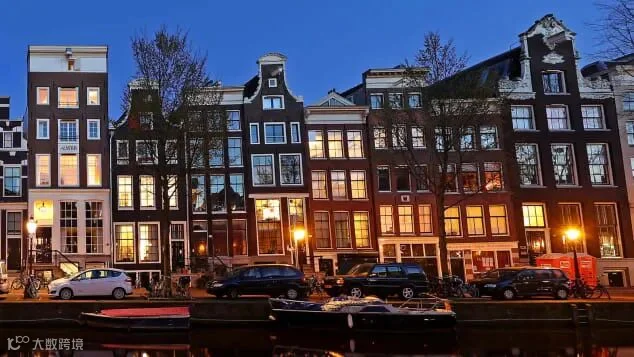
Windows help foster the open culture for which the Dutch are known.
窗户有助于培养荷兰人为人熟知的开放文化。
Anthropologists Hilje van der Horst and Jantine Messing researched the phenomenon in 2006 and observed that people in tight-knit neighborhoods were more likely to leave their curtain open -- and more likely to decorate their windows with statues, vases, and (fake) flowers.
2006年,人类学家希尔耶·凡·德·霍斯特和詹廷·梅辛研究过这种现象,发现生活在关系紧密的社区里的人更有可能把窗帘拉开,也更有可能用雕像、花瓶和(假)花来装饰窗户。
Another reason, of course, is the desire of residents to watch the world go by. It's fair to say that Dutch people typically like to look outside and see the lights, the hustle and bustle of the streets, and people walking by.The interaction between inside and outside helps foster the open culture for which the Dutch are well known.
当然,另一个原因是居民们希望通过窗户看到外面世界的变化。可以说,荷兰人通常喜欢看到外面的灯光、熙熙攘攘的街道和行人。他们以开放文化著称,而透过窗户,内部和外部世界的互动有助于培育这种文化。
As a Dutch citizen, I grew up in houses without curtains.And when I moved out, I didn't use them for the first 10 years. I have them now because I have a bigger home and they bother me less.
作为一个荷兰人,我是在没有窗帘的房子里长大的。在我搬出去后最初的10年里,我都没用过窗帘。我现在在使用窗帘,是因为我有了一个更大的家,而它们对我的干扰也少了。
My mother, Astrid (interviewed below) still has no curtains, which is common in De Jordaan, the now gentrified working-class district of Amsterdam that I grew up in and where she still lives.
我的母亲阿斯特丽德(见下面的采访)仍然没用窗帘,这种情况在约旦很常见。约旦现在是阿姆斯特丹的中产阶级聚居区,我在那里长大,她现在还住在那里。
Here, four Dutch residents with no curtains tell CNN Travel about why they still like to peek and be peeked at through their unadorned windows.
下面,就让四个没有窗帘的荷兰居民告诉CNN旅游(的记者),为什么他们仍然喜欢通过空荡荡的窗户“窥视”别人,而自己也喜欢被外面的人看到。
01
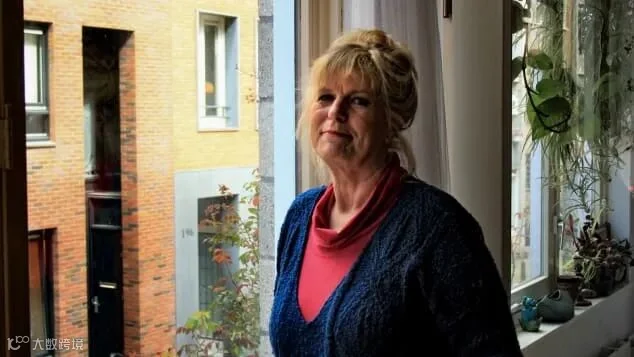
Astrid Brokke: Curtains are too bourgeois.
阿斯特丽德·布洛克:窗帘有太多资产阶级色彩
When I moved to live here in 1987 I tried curtains, but I found them smothering and removed them. My street is quite narrow, but until 10 years ago I had no neighbors opposite. Only a garage in a low-rise building and a company building in the distance. So there was no need. Besides, I don't like them.
1987年我搬到这里住的时候,我尝试过用窗帘,但是我发现窗帘很闷,就把它们拆下来了。我住的那条街道很窄,直到10年前,我家对面还没有邻居,周围也只有一个低层建筑的车库和远处的公司大楼。所以没必要安窗帘,另外我也不喜欢窗帘。
Ten years ago they started to build apartments just across the street and I had to get used to close neighbors, about 10 meters from window to window. Soon it became clear that my closest neighbors had roller blinds which they shut down day and night, so the need for me to get something in front of my windows wasn't very urgent.
十年前,人们开始建造临街的公寓,于是我不得不习惯这种跟邻居窗对窗只相距10米的生活。不久以后,我的邻居们纷纷装上了百叶窗,将其日夜紧闭着,所以我也就不急着给自己家安窗帘了。
Why I don't like curtains, I'm not sure. I never had them apart from for a short time in the '80s. Maybe I don't like the bourgeois side of it. Maybe because I'm too lazy to do anything about it, but I don't care on the other hand.
至于我为什么不喜欢窗帘呢?我自己也不清楚。除了在80年代的一小段时间里,其它时候我都没用过窗帘。或许我就是不喜欢它的资产阶级色彩,抑或因为我就是懒得去挂窗帘——反正我也不在乎。
Until a year ago I had neighbors next to me who were real Jordanesen [original residents from the the Jordaan]. They lived on the ground floor and liked showing everybody their knick-knacks, porcelain figurines and cozy lights. Especially during the holidays their house was filled with colorful fairy lights and other Christmas decorations. Even guides with groups of tourists stopped by to have a look.
直到一年前,我隔壁搬进了几位真正的约旦人(来自约旦的原住民)。他们住在一楼,且热衷于向他人展示自家的小装饰品,瓷制小塑像和温暖的灯光。特别是假日里,他们会在屋里摆满五颜六色的彩灯和其他圣诞装饰品。甚至许多旅行团的导游与旅客都会驻足欣赏。
A lot of the original inhabitants of De Jordaan like to showcase their interior. Sadly most of them have passed away or were forced to move because of the rental and house prices going through the roof.
许多约旦的原住民喜欢展示他们的室内设计。遗憾的是,他们中的大多数有的已经去世,有的也因飞涨的房租与房价而被迫搬家。
Since there's been an increase of outsiders -- mostly expats -- more and more curtains close. Also young people tend to want to have more privacy. Unfortunately the openness disappears; the lights in the streets coming from the living rooms, the social control that comes with it and the gezelligheid. It's getting darker every year.
随着外地人的增多(大多是外国移民),越来越多人选择紧闭窗帘。即使是年轻人也希望以此来保留更多隐私。非常不幸,从前的“开放性”消失了。随着从客厅投射到街上的灯光越来越少,那种社会习俗对群体认同感的指导作用愈发减弱;还有那种温馨与快乐,也都不复存在。夜晚的城市在逐年变得黯淡。
02
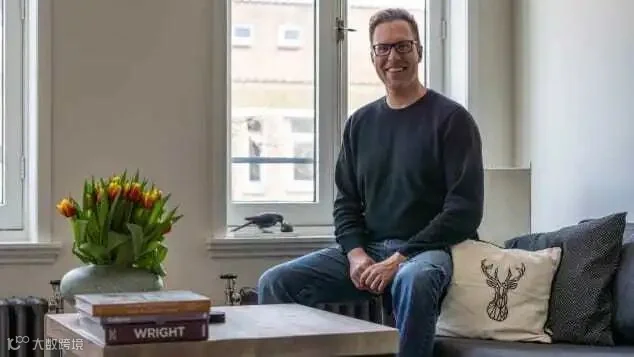
Jan Willem van Hofwegen: Curtains are too stuffy.
简·威廉·范·霍维根:窗帘太不通风了
For the past five years I'm living in this house, on the third floor -- so pretty high -- and I always thought people couldn't look into my living room which is in the front part facing the street and the apartments opposite. From across the street it's too far away and from the street it's too high. I thought.
在过去的五年里,我一直住在这个房子里。我所在的三楼非常高,客厅在前面,面向街道,对面是公寓,我一直以为人们不会看见它。我想,从街对面看太远了,从街上看太高了。
Then I was buying groceries across the street and my partner turned on the lights. I looked up and realized people passing by could see everything happening.
后来我在街对面买杂货,我的同伴开了灯,我抬头一看,才发现路过的人都能看到在客厅发生的一切。
I wasn't aware of this, but it will not make me use any blinds or curtains. I never have, primarily because of aesthetic reasons. I don't like blinds and they are not practical since my windows open inward. Curtains I find a bit stuffy and they don't match my modern interior.
我以前没有意识到这件事情,但是它也不会让我使用百叶窗或者窗帘。我从来没有用过这些,主要是因为审美方面的原因。我不喜欢百叶窗,因为我的窗户是向内开的,所以我觉得百叶窗很不实用。我又觉得窗帘有点闷,和我室内现代的装修风格很不搭。
Besides the aesthetics and stuffiness I like to see the outside lights when it's dark. I don't mind neighbors looking into my living room. It's quite a distance and I've never seen anyone with binoculars lurking outside my house, so I don't care.
除了审美和沉闷的原因以外,我喜欢在天黑的时候看看窗外的灯光。我也不介意邻居们可以看见我的客厅。因为我们的距离很远,而且我也没有看到有人拿着望远镜在我家外面潜伏,所以我不在意。
I think a lot of Dutch people don't use curtains because we like the light and we don't have anything to hide.
我想,许多荷兰人不使用窗帘,是因为我们喜欢光线,而且我们没有什么好隐藏的。
When I was a kid I delivered the mail as a side job and during my shifts I could follow popular TV shows by riding my bike from house to house. I like peeking in people's homes at night, especially the canal houses in Amsterdam with their beautiful ceilings, paintings and closets. I'm not staring or anything, just peeking inside while walking by.
小的时候,我做兼职送邮件,到我轮班的时候,我可以骑着自行车挨家挨户的看流行的电视节目。我喜欢在晚上偷看别人的家,尤其是阿姆斯特丹的运河房子,里面有漂亮的天花板、油画和壁橱。我不会盯着什么一直看,只是边走边偷看。
03
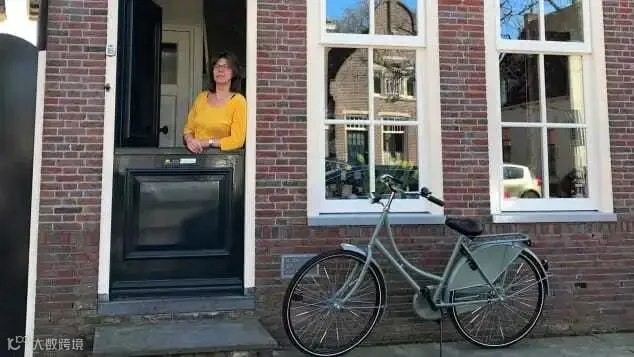
Marianna Beets: Most of the time people smile and wave back.
玛丽安娜·贝茨:很多时候,人们都会笑着挥手回应
I have lived here for over 25 years, but it's only for the last 13 years I've not had anything to cover my windows.
我住在这里已经超过25年了,但是从13年前开始,我的窗户才开始没有遮挡。
Thirteen years ago I demolished my old house and built the one I live in now. Buying curtains was on my to-do list, like hundreds of other things, and apparently the curtain part wasn't that urgent since I still have uncovered windows in the living room.
13年前,我拆了我的旧房子,建了我现在住的那栋楼。和几百件其他事情一样,我把买窗帘列在我的待办清单上,但因为我向来不遮挡客厅的窗户,似乎窗帘又不是那么地急需。
The room is located directly on a street and canal in Edam, a touristy fishing village next to Volendam, where I'm originally from.There are always people walking by. Sometimes they stop and stare. When I wave they get shy, promptly aware of what they were doing, but most of the time they smile and wave back. I don't mind.I like watching tourists and the interaction. I think otherwise I might feel secluded and this way I am always in contact with the outside world. It's an extension of my house. It's gezellig.
房间直接坐落在伊丹(Edam)一条运河边的街道上,伊丹(Edam)是一个旅游渔村,毗邻我的老家维伦达姆(Volendam)。总有路人经过我的房间,有时他们会驻足凝视。当我挥手致意时,他们会害羞,迅速意识到自己在做什么,但大多数时候他们会微笑着挥手回应。我不介意,我喜欢看着游客并和他们互动,不然我可能会感到与世隔绝,因此我一直与外面的世界接触,那是我房子的延伸,我觉得其乐融融。
gezellig:荷兰语,形容一种宽容、轻松氛围的形成。
I understand why people peek inside, I enjoy it too. Other people's interiors inspire me and the best time to do so is at night when it's dark and the lights are on.When I was living in Amsterdam I had neighbors who were not aware of the possibility they could be seen because they lived on the fifth floor, but I saw things that did not belong to my eyes!
我理解为什么人们会偷看屋子里面,因为我也很喜欢这么做。其他人的内饰给了我灵感,外面一片漆黑、屋子里面开着灯的夜晚是观赏的最佳时间。当我住在阿姆斯特丹(Amsterdam)时,我的邻居们并不知道他们有可能被看到,因为他们住在五楼,但我还是能看到本不该看到的东西!
I have no problem walking through the house in only my sleeping shirt and undies. Only on Sunday morning, during the Sunday Mass in the church across the canal, I make sure I'm more covered.In the end I do want curtains, for sure. It's on my list again now I have more time due to corona. Why? Because I want to have a choice. To close them, or keep them open.
只穿睡衣和内裤在屋里走来走去对我来说完全没问题。只有在星期天早上,在运河对面教堂的星期天弥撒时,我才要确保自己没有衣不蔽体。当然,最后我确实想要窗帘了。因为新冠病毒的缘故,我有了更多的时间,于是我现在又把买窗帘列入我的待办清单了。为什么呢?因为我希望可以凭自己的选择来拉上或打开窗帘。
04
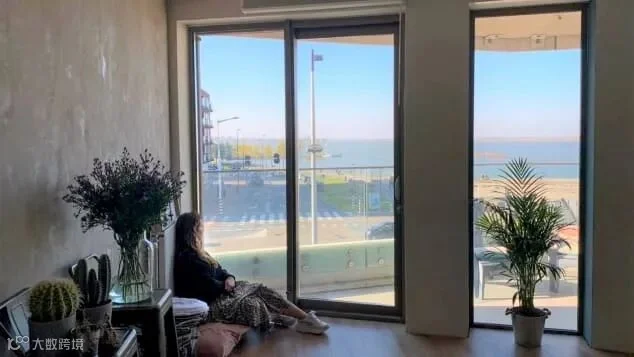
Natasja Wielandt: I don't want to block that view with any curtain or blinds.
Natasja Wielandt:我不想让窗帘或百叶窗挡住视线。
In December 2016 I moved from the city center of Amsterdam to IJburg, a relatively new suburban area with lots of space and nature around.
2016年12月,我从阿姆斯特丹的市中心搬到艾尔伯格,这是一个相对较新的郊区,周围有很多空地和自然风光。
My house is located next to a big lake called IJmeer so the views from the front of the house are spectacular. One side of my house borders several walking paths and the other side a courtyard and some apartment complexes, but not close by.
我的房子坐落在一个名叫艾莫尔的大湖旁边,向外望去,房前的景色很是美丽。房子的一侧毗邻数条人行道,另一侧的远处则是一些庭院和公寓大楼。
I have a panoramic view on the water and a city beach and I don't want to block that view with any curtain or blinds. Day or night.The view during sunsets are amazing and I get very happy waking up and walking into the living room with my coffee and looking outside. It creates a feeling of calmness and freedom and with the city life continuing outside it gives that city feeling I need.
我不想用窗帘或者是百叶窗来挡住美景,如此,不论昼夜,我在房子里就可以欣赏到粼粼波光和城市海滩的全景。日落的余晖令人赞叹,我也很享受醒来之后,端着一杯咖啡走进客厅眺望远方。窗内的居家生活安宁自在,窗外的城市生活欣欣向荣,这完美地诠释了我对于城市的期待。
I can't imagine living somewhere secluded on a meadow. I like the wideness and the water in particular. The view is a very pivotal part of the reason I'm living here.To create some privacy I placed my couch in a way I can relax and lay down without people noticing.
我难以想象住在僻静的牧场上,我喜欢宽阔的地方,尤其是水面。窗外的风景是我住在这里的一个非常关键的原因。为了创造一些私人空间,我把沙发调节成了一种既能放松也能躺下的方式,并且不会引起人们的注意。
At my grandparents' house the curtains were always open too. I think they didn't mind people looking inside. Their generation was more open and more social anyway. Everybody was always welcome.
在祖父母的房子里,窗帘也永远是大开的状态。我想他们并不介意人们往里看。无论如何,他们那一代更加开放,更加热爱社交。大家总是欢迎着客人的到来。
I myself only look at people's houses when I see something I like or that inspires me, like a beautiful furnished room or a beautiful garden. I have no need to watch people eating or sitting on the couch watching television.
只有当我看到自己喜欢或是能眼前一亮的东西时,比如房间的装潢很精美或者花园很漂亮,我才会去看别人的房子。我并不想看别人在家吃饭或者坐在沙发上看电视的样子。

点击此处或阅读原文查看英文原文~
编译 | 穆沁阳 靳晓乐 赵寒旭 罗清婳 李汪悦 杨林姗
排版 | 罗清婳
审核 | 戴怡安
指导教师 | 刘佳