


编者按:
人们都想要听真话,但又有多少人总把假话挂在嘴边?人人都想要做一个高尚的人,想拒绝说谎,却又承受不住真话的代价。人们憎恨谎言,却又依赖谎言。说谎,是人类的天性使然,还是后天习得?

匹诺曹的长鼻子(盖蒂图片社)
谈“谎”色变:为什么说谎?
在过去五年里,世界犹如一个煤气灯式心理操纵的大师班。对于我们这些进入特朗普时代的人来说,有过与自恋者,情感虐待者和彻头彻尾的骗子打交道的个人经历,这一直是个令人不快却又无比谙熟的时期。
The last five years have been a master class in gaslighting. For those of us who came into the Trump Era with some personal experience with narcissists, emotional abusers and flat out liars, it has been a jarringly familiar time.
(gaslighting煤气灯式心理操纵:操纵者试图让对方质疑自己对事情的理解、记忆或观点,摧毁自信,使其陷入抑郁甚至人生崩塌)
对于那些曾经奢求他人对自己坦诚的人来说,很难在短时间内适应这样的环境。我们都很清楚那种被谎言所欺骗的感觉,这些谎言是如此的明目张胆又厚颜无耻,甚至让我们自我怀疑。我们都知道屡次听到一个几乎令人信服的虚假声音是怎样一种感觉。我们从政府最高层,有线电视新闻网络,以及激进的亲戚和邻居那里听闻到这些信息。我们也知道,长期处于骗子觊觎的“另类事实”会产生困惑、自我怀疑和恐惧心理。
For those who previously had the luxury of expecting honesty of others, this has been a sharp learning curve. We all now know exactly what it feels like to be on the receiving end of untruth so blatant and shameless it makes us question ourselves. We know what it's like to hear a falsehood repeated so insistently it almost becomes convincing. We get it from the highest levels of government, from cable news networks, from our radicalized relatives and neighbors. And we know the confusion, self-doubt and fear that come with long term exposure to what liars like to call "alternative facts."
▶ ▶ ▶
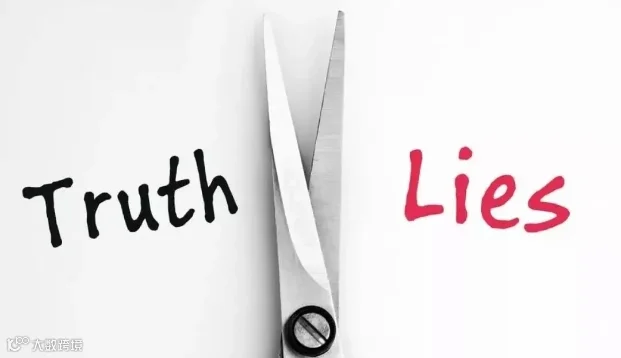
听到谎言的人感觉很糟糕。但说出谎言的骗子们又感觉如何呢?他们怎么能喋喋不休地说出假话,却毫无负担,自信满满?
It feels pretty crappy. But what does it feel like for the liars? How can they keep spinning their BS with such shocking ease and conviction?
隐藏杀手:究竟谁在说谎?
和其他事情一样,这是个熟能生巧的问题。我们都以一些惯性思维来歪曲事实。加利福尼亚大学2003年的一项研究发现,参与者平均每天说两次慌。如果算上“我很好”的话,那么这个次数肯定会更多。善意的谎言是一种社交润滑剂,也是一张“摆脱复杂的解释”的王牌。生活中类似于“晚餐很美味”,“我还有五分钟就到了”,“我多希望我能帮上忙”都属于这种谎言。
As with all things, it's a matter of practice. We all bend the truth with some regularity — a 2003 University of California study found that participants reported lying on average twice a day. If "I'm fine" counts, the number must surely be higher. White lies are a social lubricant and a "get out complicated explanations" card. Dinner was delicious. I'm five minutes away. I wish I could help.
然而那些传递负能量的人,反社会人格障碍的人,有假想症的人(又称病态说谎者)会出于其他原因说谎,而且他们为此下了很大功夫。他们说谎是为了维持他们的关系。他们撒谎来为自己开脱,为自己的行为辩护。而且他们说得越多,就会越擅长,他们的谎言就会变得越离谱。
But toxic people, people with antisocial personality disorder, people with pseudologia fantastica (a.k.a. pathological liars) lie for other reasons, and they do it a lot. They lie to gain control in their relationships. They lie to self exonerate and to justify their behavior. And the more they do it, the better they get at it, and the bigger their lies can become.
《自然神经科学》在2016年发表的一项研究发现,“杏仁核(大脑中与情绪有关的部分)的信号减少会对我们的不诚实行为很敏感,这与大脑的适应程度相一致......相对于上一个决策,在当前决策中,杏仁核对这种行为的敏感性降低程度预示着在下一个决策中,这种自私的不诚实行为的增加程度。
A 2016 study published in Nature Neuroscience found that "Signal reduction in the amygdala," the part of the brain associated with emotion, "is sensitive to the history of dishonest behavior, consistent with adaptation. . . . the extent of reduced amygdala sensitivity to dishonesty on a present decision relative to the previous one predicts the magnitude of escalation of self-serving dishonesty on the next decision."
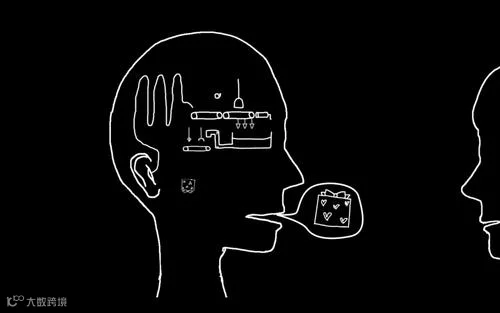
换言之,“从一个道德准则的小偏差开始,可能会升级为大偏差,并带来潜在的有害后果。”因此,你似乎就可以对自己的不诚实行为降低敏感度。
In other words, "What begins as small deviations from a moral code could escalate to large deviations with potentially harmful consequences." Hence, you can seemingly desensitize yourself to your own dishonesty.
这对于一个自恋者来说非常便利,正如精神病学家班迪·李博士最近在沙龙上解释的那样,自恋者总是“必须过度补偿,为自己创造一个自我形象,在这个形象中他的所有事情都是最好的,从不出错,比所有专家都要好,简直是一个‘稳定发挥的天才’”。
This is especially handy for a narcissist, who, as psychiatrist Dr. Bandy X. Lee explained to Salon recently, perpetually "must overcompensate, creating for himself a self-image where he is the best at everything, never wrong, better than all the experts, and a 'stable genius.'"
不仅仅是杏仁核会在说谎中得到锻炼:大脑中的其他部分也会参与其中。2009年哈佛大学的一项对志愿者的研究发现,在一个简单的抛硬币游戏中,有些志愿者选择了作弊而有的则没有。诚实的玩家“在已知的与自我控制有关的前额叶皮层的某些区域没有增加活动……而当玩家作弊时,这些控制区域确实会很活跃。”即使作弊者在说实话,这种情况也会发生。让你说的话变得尽可能真实连贯是需要花功夫的。
It's not just the amygdala that gets a workout from lying: other parts of the brain get in on the act as well. A 2009 Harvard University study of volunteers — some of whom cheated on a simple coin toss game and some who didn't — found that while the honest players had "no increased activity in certain areas of the prefrontal cortex known to be involved in self-control… those control regions did become perfused with blood when the cheaters responded." And it happened even when the cheaters were telling the truth. Keeping your story straight takes work.

不做谎言的奴隶,成为自己的主人
如果你有辨别是非的能力,撒谎和欺骗会让你感觉很糟糕。即使你不像《利刃出鞘》里的玛尔塔那样呕吐,你也可能会感到这种“暗示”:坐立不安,转移视线。这就是你心虚的表现。但是惯性说谎者并不会感到不安。这就是测谎仪测试如此不可靠的原因。普通人的自主神经系统,在人们因做坏事被抓时会产生焦虑反应,也会在人们说真话和不说真话时做出不同的反应。他们的呼吸、血压和心率可能会发生变化。他们可能会出汗。
If you're capable of knowing right from wrong, lying and cheating make you feel bad. And even if you don't puke like Marta in "Knives Out," you may have a "tell" — fidgeting, averting your gaze — that communicates that. But habitual liars don't feel bad. This is why lie detector tests are such unreliable tools. The autonomic nervous system of a somewhat average person, with an average person's anxiety about being caught in wrongdoing, will respond differently when telling the truth and when not. Their breath, blood pressure and heart rate may change. They may get sweaty.
慢性说谎的另一个关键因素是,它常常与妄想画上等号。患有妄想症的人有“固定不变的执念,即使面对相互矛盾的证据,也不会改变,” 哦,天哪,我们的国家现在不乏一系列不变的执念。这就是煤气灯操纵心理如此具有说服力的原因。只有那些真正花了上万小时说谎的人 ,以及真正脱离现实的人,才能实现这种明目张胆、厚颜无耻的自信。
The other key component of chronic lying is that it often resides in the same neighborhood as delusion. Individuals with delusional disorders have "fixed beliefs that do not change, even when presented with conflicting evidence," and oh boy, there is no shortage of a spectrum of unchanging fixed beliefs here in our country right now. This is why gaslighting is so persuasive. It's the blatant, brazen confidence that only people who really put in their ten thousand hours of bald faced lying and genuine dissociation from reality can deliver that sells it.

习惯性说谎者能改吗?2016年,《假相:如何应对失真、背叛、猜疑与欺骗》一书的作者罗伯特·费尔德博士在《每日健康》杂志上曾表示:不要让你的生命保持这样的状态,因为大脑通常不想这样做。唯一的出路是摆脱说谎习惯的控制,并保持我们自己的杏仁核的诚实。
Can habitual liars change? Dr. Robert Feldman, who wrote "The Liar in Your Life: The Way to Truthful Relationships," told Everyday Health in 2016 not to hold your breath, because they usually don't want to. The only path forward is escaping their grip — and keeping our own amygdalas honest.

原文链接:https://www.salon.com/2020/11/22/this-is-your-brain-on-lies-why-liars-get-better-at-lying-with-practice/
编译/陈淑娟
排版/陈淑娟
审核/赵寒旭