

编者按:
青少年抑郁症发病率不断上升,社交媒体的广泛应用成为不可忽视的重要原因。据调查,青少年群体中女生的抑郁症率要高于男生。
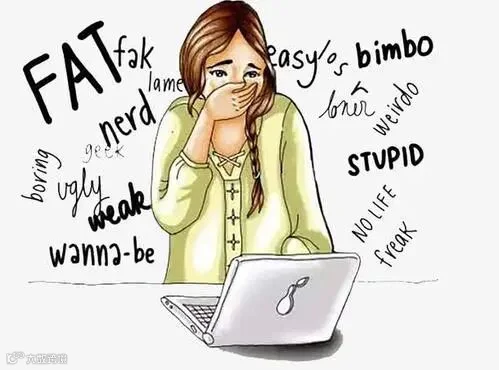
为什么青少年抑郁率女孩比男孩上升得快?
01
We're in the middle of a teen mental health crisis — and girls are at its epicenter.
我们正面临青少年精神健康的危机,而女孩们恰恰处于这场风暴的中心。
Since 2010, depression, self-harm and suicide rates have increased among teen boys. But rates of major depression among teen girls in the U.S. increased even more — from 12% in 2011 to 20% in 2017. In 2015, three times as many 10- to 14-year-old girls were admitted to the emergency room after deliberately harming themselves than in 2010. Meanwhile, the suicide rate for adolescent girls has doubled since 2007.
2010年以来,青少年男孩的抑郁、自残和自杀率呈上升趋势。然而,美国青少年女性患严重抑郁症的比例增长幅度更大,在2011年到2017年期间,这个比例从12%上升到了20%。2015年,10至14岁的女孩因故意自残而住进急诊室的人数是2010年的三倍。与此同时,青少年女性的自杀率自2007年以来翻了一番。
Rates of depression started to tick up just as smartphones became popular, so digital media could be playing a role. The generation of teens born after 1995 — known as iGen or Gen Z — were the first to spend their entire adolescence in the age of the smartphone. They';;re also the first group of teens to experience social media as an indispensable part of social life.
抑郁症发病率的上升是伴随着智能手机的普及的,因此数字媒体在其中可能也要负一部分责任。1995年后出生的这一代青少年(也被称为“I世代”或“Z世代”)是第一批在智能手机时代度过整个青春期的人,也是第一批见证了社会生活是如何变得离不开社交媒体的年轻人。
Of course, both boys and girls started using smartphones around the same time. So why are girls experiencing more mental health issues?
当然,男孩女孩们都是在差不多同样的时间开始使用智能手机的。那么,为什么女孩们会有更多的精神健康问题呢?
Mining three surveys of more than 200,000 teens in the U.S. and U.K., my colleagues and I were able to find some answers.
对来自美国和英国的20多万青少年进行了三次调查后 ,我和我的同事们找到了一些答案。
手机使用情况
02
We found that teen boys and girls spend their digital media time in different ways: Boys spend more time gaming, while girls spend more time on their smartphones, texting and using social media.
我们发现,男孩和女孩花在数字媒体上地时间并不相同:男孩花更多的时间去打游戏,而女孩则将更多时间花费在用智能手机发消息和使用社交媒体上。
Gaming involves different forms of communication. Gamers often interact with each other in real time, talking to each other via their headsets.
游戏当中会用到很多不同的交流方式。游戏玩家之间经常使用耳机进行实时互动。
In contrast, social media often involves messaging via images or text. Yet even something as simple as a brief pause before receiving a response can elicit anxiety.
相比之下,社交媒体通常会通过图片或文字传递信息。然而,即使是那个等待回复的短暂空白时间,也会引发人们的焦虑。
Then, of course, there's the way social media creates a hierarchy, with the number of likes and followers wielding social power. Images are curated, personas cultivated, texts crafted, deleted and rewritten. All of this can be stressful, and one study found that simply comparing yourself with others on social media made you more likely to be depressed.
当然,造成影响的还有社交媒体构建内部等级的方式,在社交媒体上,喜欢和关注的数量就是网络社会的权力体现。为了得到这种权力,人们精心摆拍照片,塑造自己的人设,精心撰写文案并反复修改——所有这些都会让你感到压力,正如一项研究发现,在社交媒体上简单地与他人比较就会让你更有可能感到抑郁。
And, unlike many gaming systems, smartphones are portable. They can interfere with face-to-face social interaction or be brought into bed, two actions that have been found to undermine mental health and sleep.
与许多游戏设备不同,智能手机更加方便携带。它们会影响面对面的社交效果,人们也会把智能手机带到床上使用。已有研究表明这两种行为会损害精神健康,影响睡眠状况。
女孩比男孩更容易受到影响吗
03
It's not just that girls and boys spend their digital media time on different activities. It may also be that social media use has a stronger effect on girls than boys.
在使用数字媒体方面,男孩和女孩不仅把时间花在不同种类的活动上,而且社交媒体对女孩的影响很可能比男孩更明显。
Previous research revealed that teens who spend more time on digital media are more likely to be depressed and unhappy. In our new paper, we found that this link was stronger for girls than for boys.
已有研究表明,使用数字媒体时间更长的青少年更有可能感到抑郁和低落。我们在最新研究中发现,这种关联性更明显地体现在女孩身上。
Both girls and boys experience an increase in unhappiness the more time they spend on their devices. But for girls,that increase is larger
无论是男孩还是女孩,他们的不幸福感都与使用电子设备的时间成正比,而这种不幸福感在女生中增加的幅度更大。
Only 15% of girls who spent about 30 minutes a day on social media were unhappy, but 26% of girls who spent six hours a day or more on social media reported being unhappy. For boys, the difference in unhappiness was less noticeable: 11% of those who spent 30 minutes a day on social media said they were unhappy, which ticked up to 18% for those who spent six-plus hours per day doing the same.
调查中每天使用社交媒体30分钟的女孩当中,只有15%不快乐;而每天使用社交媒体6小时或以上的女孩中,这个比例达到26%。数据显示, 对男生而言,心情状态与社交媒体的关联没有那么明显:每天在社交媒体上花费30分钟的男生中,11%出现负面情绪。而那些每天花6个小时以上在社交媒体上的男生,其中有18%给出了这样的回答。
为什么社交媒体更能影响女生的心情?
04
Popularity and positive social interactions tend to have a more pronounced effect on teen girls' happiness than boys' happiness. Social media can be both a cold arbiter of popularity and a platform for bullying, shaming and disputes.
相比起男生,在社交中的人气和受欢迎程度更加明显地左右着青春期少女的心情。社交媒体既可以是评定人气的官方仲裁者,也可以是滋生欺凌、羞辱和争端的温床。
In addition, girls continue to face more pressure about their appearance, which could be exacerbated by social media. For these reasons and more, social media is a more fraught experience for girls than for boys.
此外,女生们本就持续不断地面临着更大的外貌压力,这一压力可能会被社交平台放大加剧。由于众多原因,社交媒体带给女生带来的焦虑甚于男生。
From this data on digital media use and unhappiness, we can't tell which causes which, although several experiments suggest that digital media use does cause unhappiness.
从这些研究数字媒体使用和情绪的数据中,我们不能肯定二者之间具有因果关系,但不可否认的是,有些实验确实证明了数字媒体与情绪不快之间有着必然的联系。
If so, digital media use — especially social media — might have a more negative effect on girls' mental health than on boys'.
如果是这样,数字媒体,尤其是社交媒体的使用,可能会对女生的心理健康产生比男生还要严重的负面影响。
展望未来
05
What can we do?
那么我们能做些什么?
First, parents can help children and teens postpone their entry into social media.
首先,父母可以帮助儿童和青少年推迟他们接触社交媒体的时间。
It's actually the law that children can't have a social media account in their own name until they are 13. This law is rarely enforced, but parents can insist that their children stay off social media until they are 13.
事实上,法律规定13岁以下的儿童不能以自己的名义注册社交媒体账号。虽然这项法律没有强制性,但是父母们可以坚决让他们的孩子在13岁之前远离社交媒体。
Among older teens, the situation is more complex, because social media use is so pervasive.
对于13岁以上的青少年来说,情况就变得更加复杂了,因为社交媒体的使用变得几乎无处不在。
Still, groups of friends can talk about these challenges. Many are probably aware, on some level, that social media can make them feel anxious or sad. They might agree to call each other more, take breaks or let others know that they're not always going to respond instantly — and that this doesn't mean they are angry or upset.
尽管如此,朋友之间还是可以去探讨并解决这些难题。很多人在一定程度上可能已经意识到社交媒体会让他们感到焦虑或伤感,因此他们或许会在一些方面达成一致,例如多给对方打电话,时不时休息一下,或者让别人知道他们不一定会立刻回复消息——他们不回消息不代表是因为愤怒或不高兴。
We're learning more about the ways social media has been designed to be addictive, with companies making more money the more time users spend on their platforms.
我们正在进一步了解社交媒体的设计是如何让人上瘾的,对于公司而言,用户在其平台上花费的时间越长,公司赚的钱就越多。
That profit may be at the expense of teen mental health — especially that of girls.
这种利益,是以青少年,尤其是女生的精神健康为代价的。
原文地址:https://www.salon.com/2020/01/20/why-teen-depression-rates-are-rising-faster-for-girls-than-boys_partner/
编译:金殊羽 郭诗萌 于沛欣 韩旭 陈晓 排版:陈晓
审核:王夏雯 指导教师:刘佳