
编者按
通常来说,我们每个人都有关于童年的最初记忆,这些记忆因为陪伴我们最久而显得弥足珍贵。然而,这些记忆很有可能是完全伪造的!

童年的记忆是真实的吗?很可能并不!

据研究显示,每十人中就大概有四人的最初记忆是被编造的,依据是两岁前我们的大脑还没有储存自传式记忆的能力。
一位来自威斯敏斯特大学的自传式记忆专家凯瑟琳·洛夫迪说:“尽管婴儿有记忆,但它们不可能长久保存。”幼儿大脑中形成的大量新细胞破坏了长期储存信息的连结,这就是为什么长大前大部分人几乎没有关于童年的记忆。
一项马丁·康威(伦敦城市大学记忆与法律中心主任)进行的研究测试了6641人的最初记忆,发现其中2487人的记忆是两岁以前的,而14%的参试者宣称他们记得一岁以前甚至出生之前发生的事。康威和他的小组断定这些记忆不可能是真实的,因为年纪太小了。如果该结论是正确的,那么它表明我们很多人都记忆着我们生命故事中从未发生的早期章节。
原因可能触及一些深层次的东西——我们渴望对自己的存在有一个完整的叙述,甚至会创造一些故事来描绘更完整的图景。康威解释道:“人们都有一段生命故事,尤其随着年龄增长故事会愈加完整,而对于一些人来说,他们需要追溯到生命早期。”
The reason may tap into something far deeper in the human condition – we crave a cohesive narrative of our own existence, and will even invent stories to give us a more complete picture.
“People have a life story, particularly as they get older and for some people it needs to stretch back to the very early stage of life.”
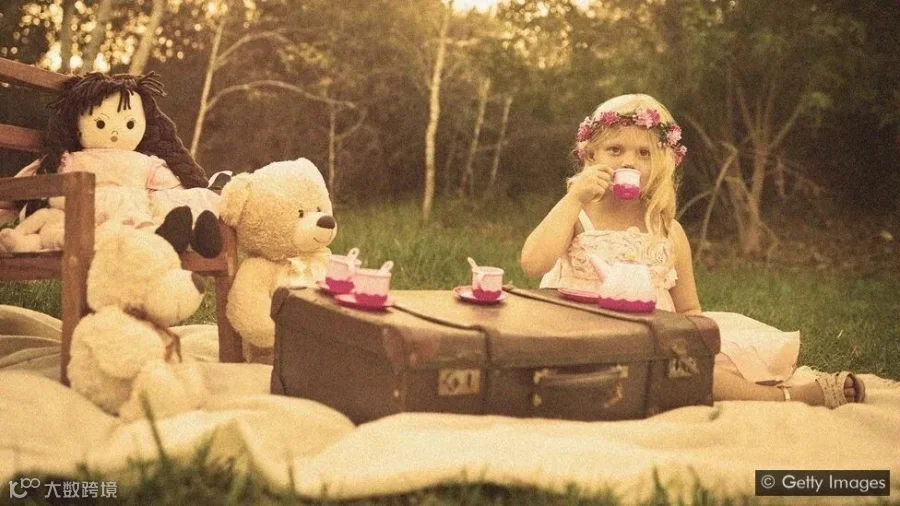
记忆研究者已经证实了诱发虚构的自传式回忆是可行的。伦敦大学学院的心理学家朱莉娅·肖成功使人相信他们犯下了一起不曾发生的暴力罪行。通过记忆检索技术,参试者在三个访谈中被问到一些主要问题,导致了其中70%的人产生了他们曾在年轻时犯过罪的错误记忆,甚至有些人相信他们曾持武器攻击别人,而大约四分之三产生虚假记忆的人可以生动描述出警察的容貌。
这表明在高度暗示性的访谈中,人们可以轻易地产生令人不安的丰富虚假记忆。
It demonstrates that in a highly suggestive interview, people can quite readily generate disturbingly rich false memories.

“虚假”记忆是如何产生的?

关于我们如何相信和记忆事情的主流解释基于一个叫“来源追踪”的概念。心理学家金伯利·韦德说:“每当一个想的念头进入脑海那么我们就要做出选择——我们是经历过,想象过还是和其他人谈论过。大部分时间我们可以做出正确选择,而且可以识别这些精神经历来自何处,但有时我们会犯错。”
The prevailing account of how we come to believe and remember things is based around the concept of source monitoring. “Every time a thought comes to mind we have to make a decision – have we experienced it [an event], imagined it or have we talked about it with other people,” says Kimberley Wade, a psychologist who researches memory and the law at the University of Warwick. Most of the time we make that decision correctly and can identify where these mental experiences come from, but sometimes we get it wrong.
杨百翰大学心理学家和神经科学中心的副教授布鲁克·基尔万解释说:“我们不是重新再去体验一件事,而是根据存储在大脑中的表征来重建它,当我们重新激活这些表征时,它们可以被重新塑造或者被修改。你也可以更新内存的记忆表征,把它们链接成新的相似事件,这就意味着,你的记忆会随着时间的推移发生改变。”
“Rather than reexperiencing an event, we reconstruct it based on representations stored in our brains,” explained Brock Kirwan, an associate professor at Brigham Young University’s Psychology Department and Neuroscience Center. “What seems to happen in the brain is that when you reactivate these representations, they become malleable and can be modified. This allows you to update your memory representations and link them to new, similar events. It also means that your memories change over time.”

“虚假”记忆是为了进化?

虚构的早期记忆也有可能起到推动进化的作用,它让我们在未来做出更优的决定。如果我们能在记忆中相似的事件中有所借鉴,就能很好地对接下来会发生的事情做出预测。但是,毕竟不会有两次完全一样的经历,所以文字记录的“记忆回放”能提供的帮助也是有限的。
康威说:“记忆是关于过去的,但它像社会粘合剂一样,能让我们彼此联系。但是,记住事件的要点更加有效,当下一次发生不一样的事情时,用新的信息来更新事件要点,这样才是有意义的。”
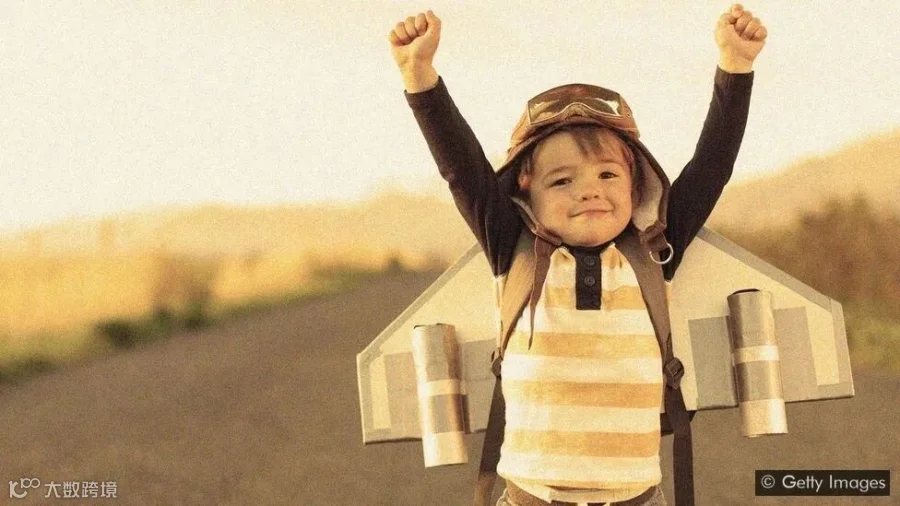
Fictional early memories may also serve an evolutionary purpose, allowing us to make better decisions in the future. If we can draw on similar events from the past, we can make a good prediction of what will happen next. But since no two experiences are the same, having a literal playback is of limited help.
“Memory is about the past, but it allows us to bond with one another and can act like social glue,” Conway said. “Instead, it’s more efficient to remember the gist of what happened, and if something different happens this time, it makes sense to update that gist-like representation with the new information.”
这样说来,我们的记忆会随着时间的推移而改变,并随着我们对世界如何运作的认知变化而不断更新。柯尔万补充道:“我推测这些虚构的早期记忆是记忆更新过程的副产品,我们了解自己的婴儿期,或者了解一般的婴儿期,后来由于一些信息具有类似情节,我们就把这些信息误认为是我们的真实记忆。

什么样的人容易产生“虚假”记忆?

人们对于这些“被植入的记忆”的敏感度有所不同,最近的一项科学评论表明,参与调查地人中,47%会对这些虚构的记忆产生一些诱导性的回忆,只有15%会根据虚构记忆产生完整的记忆。在一些特殊情况,比如看了照片或者视频之后,儿童比成人更容易产生错误的记忆,具有一些特殊性格的人也更容易产生。
韦德说:“如果你是那种读书专注到注意不到周围发生了什么的人,你可能更容易出现记忆错乱。”
“If you’re the sort of person who can read a book and become so highly absorbed that you no longer notice what’s going on around you… you may be more prone to memory distortion,” says Wade.

“虚假”记忆如何影响我们的人生?

1.试试用“虚假记忆饮食法”减肥?
携带者错误的童年记忆,对你的影响可能比你意识到的要大得多。我们早期记忆中的事件、情绪和经历会塑造我们成长为什么样的大人,决定我们的喜好,甚至决定我们的行为习惯。
Carrying around false memories from your childhood could be having a far greater impact on you than you may realise too. The events, emotions and experiences we remember from our early years can help to shape who we are as adults, determining our likes, dislikes, fears and even our behaviour.
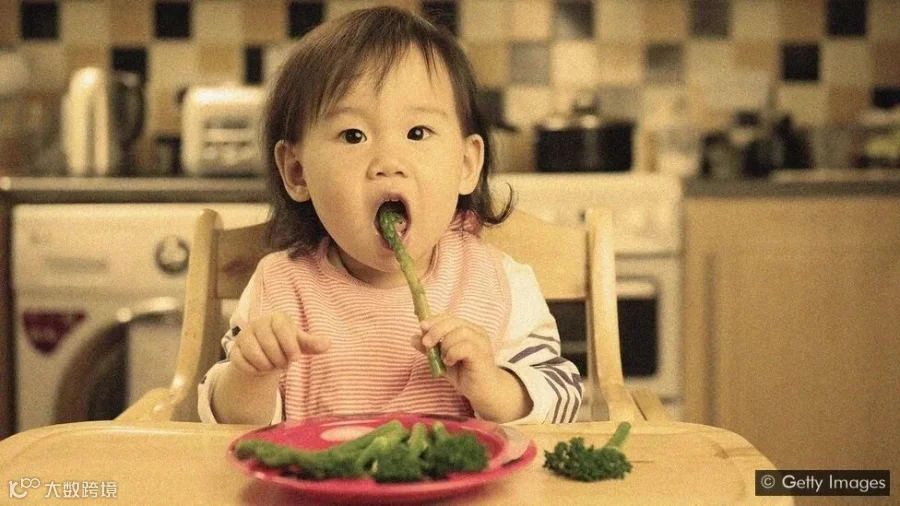
关于虚构记忆的影响,食物似乎不会是一个很明显的方面。但是大约有20个实验表明,植入饭菜好不好吃的错误回忆,会长期影响人们的饮食选择。在一项研究中,研究者告诉180位志愿者,他们小时候因为吃鸡蛋沙拉而生过病,尽管这不是真的,仍然有相当一部分人相信自己已经生病了,结果,他们不再吃鸡蛋三明治,甚至一直到实验后的四个月,他们还是这样做的。
就像人们经历过宿醉恶心之后,会有一段时间不再喝酒一样,错误的记忆也会影响人们对饮酒的态度。在一个实验中,科学家们告诉参与者,他们之前喝了朗姆酒或者伏特加之后生过病,许多参与者们开始相信这个错误的反馈,并开始远离含有酒精的饮料。
虽然看起来有点好玩,但是科学家们相信“错误记忆饮食法”可以用来解决肥胖问题,鼓励人们选择更加健康的食物,比如芦笋,甚至也可以帮助人们戒酒。有趣的是,科学家们还发现,“你第一次吃芦笋的时候就很喜欢”这样积极的建议比“你因为喝伏特加生过病”这样消极的建议更加有效。
2.通过回忆作出的法庭证词可信吗?
然而,错误的自我记忆给出的指向也可能导致严重的后果,尤其是在法庭上。
英国假记忆学会的Kevin Felstead表示虚假的记忆可能给现实社会带来灾难。“司法不公、监禁、名声扫地,权力和社会地位的丧失,以及家庭的破裂都可能发生。”他还举例了一个著名的相关案件,其中的申诉人自杀了。
“Miscarriage of justice, incarceration, loss of reputation, job and status, and family breakdown occur,” says Felstead, who noted that he knew of one high-profile case in which the complainant killed themselves.
涉及虚假记忆的法律案件的主要问题有,目前暂时无法区分真实回忆和虚假回忆。 有尝试用脑部扫描器(fMRI)去分析短的虚假记忆并检测不同的神经系统模式,但是该技术的准确性与科学性还无法验证。

引发争议的“回归疗法”

记忆植入的极端手段中可能涉及一种有争议的技术——“回归疗法”,该技术使患者面临童年时期的埋在他们的潜意识中的创伤。根据英国皇家精神科医学院的说法,这种方法容易引起虚假的童年记忆,被认为引发了1980年代和1990年代的“撒旦恐慌”,其中一些人因诸如活埋儿童、礼仪性性虐待等指控入狱,而这些指控现在被认为是基于虚假的记忆。
Perhaps the most extreme case of memory implantation involves a controversial technique called “regression therapy”, where patients confront childhood traumas, supposedly buried in their subconscious. The method is prone to inducing false childhood memories, according to the Royal College of Psychiatrists, and is thought to have sparked the “satanic panic” of the 1980s and 1990s, in which some people were imprisoned for hideous crimes such as burying children alive and ritualistic sexual abuse that are now thought to have been based on false memories.
最严重的案例之一是一对日托工人,他们被指控在挖掉婴儿的心脏后,将孩子活埋并把其他人扔进一个都是鲨鱼的游泳池里,在长达21年的牢狱之灾后,直到2017年才无罪释放。

如何识别“虚假”记忆?

三岁以前的记忆很有可能是假的。任何特别流畅和细节的记忆也很有可能是被编造的。反而是那些模糊的、混乱的瞬间式的记忆更有可能是真实的,只要它们不是你太小的时候的记忆。
Memories before the age of three are more than likely to be false. Any that appear very fluid and detailed could well also be made up. It is more likely that fuzzy fragments, or snapshots of moments are real, as long as they are not from too early in your life.
Martin Conway建议发现不合理的细节。他有一段幼年的记忆是自己坐在尿布里,从路面裂缝中挖出污垢。他得出的结论是,这段回忆是虚构的,因为他在回忆中穿着好奇牌纸尿裤。他说:“它们不是在我的童年——1950年代发明的。所以这一定是错的。如果人们能够回想起这些早期记忆中的细节,通常会发现它们似乎是不合理的。”
Ps:Huggies是1968年首次试销的美国一次性尿布品牌。

“虚假”记忆就没有价值吗?

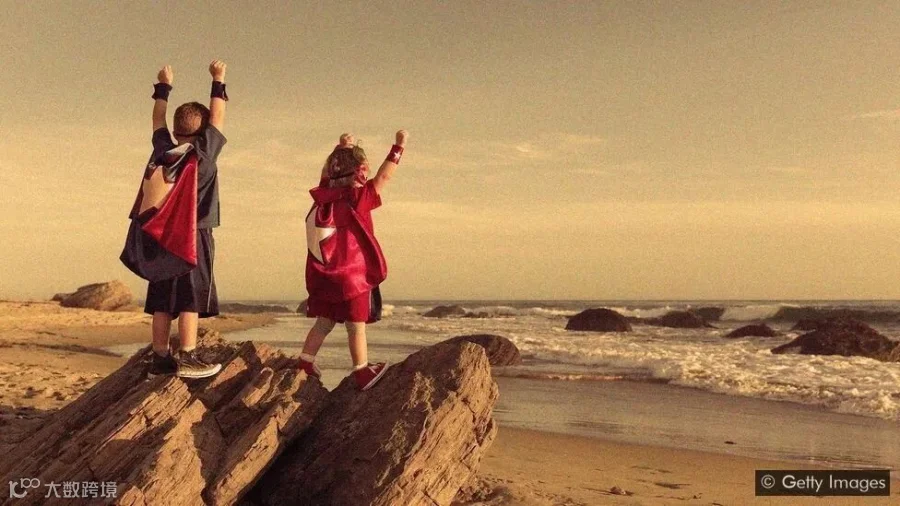
我们可能并不想摆脱这些记忆。我们的记忆,无论是否是虚构的,都可以帮助我们更加紧密地联系在一起。犹他州普若佛杨百翰大学的MRI研究机构负责人Brock Kirwan解释说,“回忆可以像社交胶水一样,共享的经历可以帮助你建立群体身份并巩固群体凝聚力。”
And we may not want to rid ourselves of these memories. Our memories, whether fictional or not, can help to bring us closer together. Brock Kirwan, director of the MRI research facility at Brigham Young University in Provo, Utah, explained that the act of reminiscing can act like a social glue, so that “shared experiences could help form the basis for your group identity and solidify group cohesion”.
一段关于亲爱的外婆或是已经去世的家庭宠物的回忆能带给我们快乐,是真是假在这种情况下并不重要。
A memory of a beloved grandparent or long-gone family pet can bring us happiness, whether it is fictional or not.
“我有一段关于我外婆的回忆,她来接我放学,带着我四处转悠。我知道这不是真的,但这依然非常美好。”Shaw 回忆道。
“I have one of meeting my grandmother and picking me up and swinging me around,” recalls Shaw. “It turns out it’s impossible, but for me it’s a wonderful memory.”
确实,像这样的回忆值得保留,即使不是真的。
Surely a memory like that is worth hanging on to, even if it isn’t real.
编译 | 陈雨昕 高嘉怡 靳晓乐
排版 | 靳晓乐
审核 | 赵寒旭