




编者按
深夜吃播的围观者中,你是其中一员吗?疫情期间的在家烘焙大军,你参加了吗?在当前疫情的影响下,人们很容易长时间处于焦虑之中,而食物烘焙带来的香气可以有效缓解我们紧张的情绪,刺激多巴胺分泌,带来快乐。食物抚慰的不仅是我们的胃,还有我们的心。
香蕉面包热
2020年初,疫情封锁下,人们的社交媒体上的动态从日常社交变成了家烤面包。而香蕉面包因其做法简单、成功率高、味道可口等优势成功成为烘焙新手的心头爱。当下,许多地区为了防止疫情再次反扑又再次加强了疫情防控措施,人们在家里烘焙的习惯很可能也因此再次流行,尤其是第一次的“香蕉面包热”受到了很强的心理因素影响。
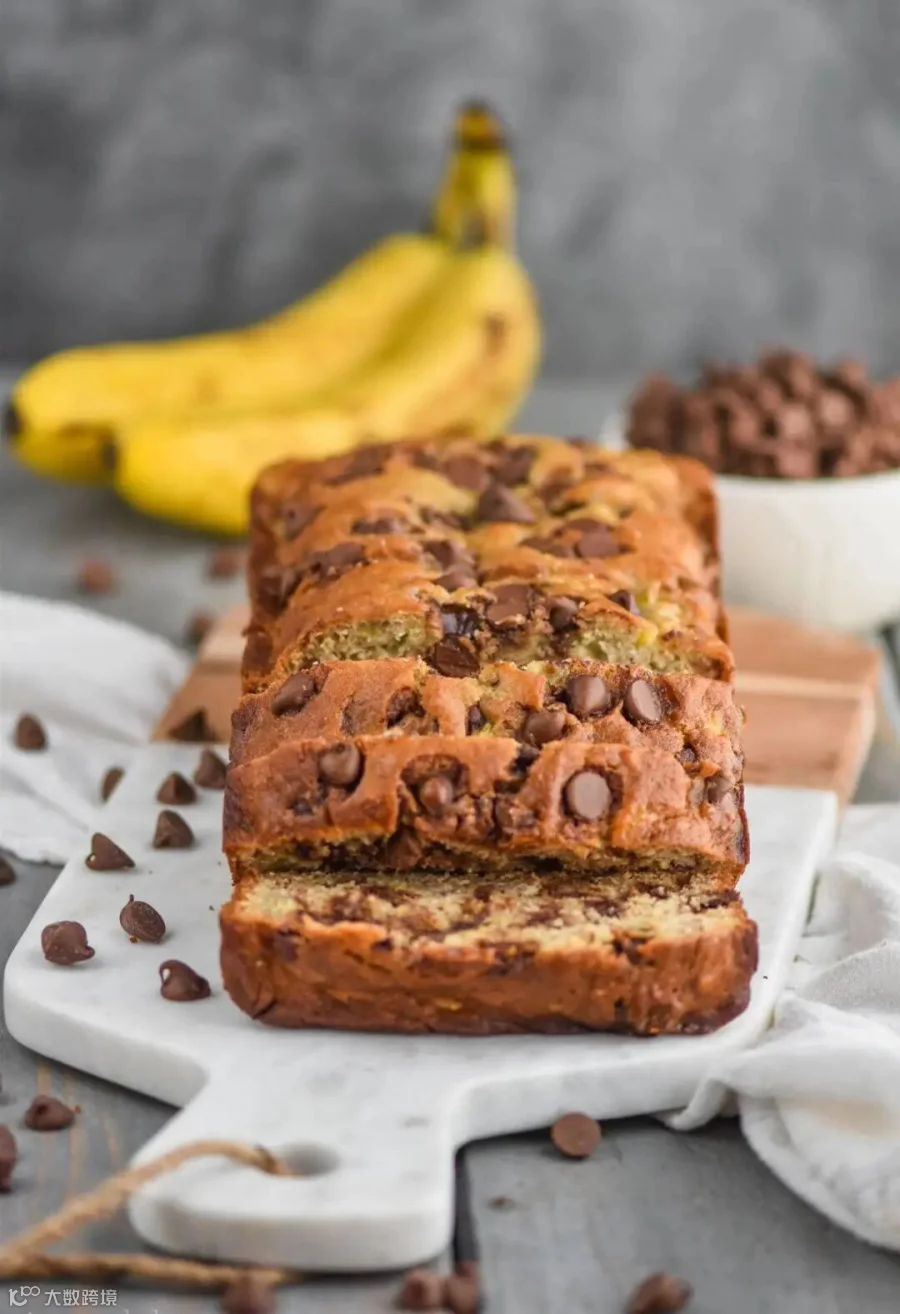
香蕉面包因其做法简单、成功率高、味道可口等优势成功成为烘焙新手的心头爱。
家庭、朋友、广告、明星代言和当今的社交媒体都影响着我们对食物的偏好、接受度和消费量。利用其他人的知识来避免自己踩雷是很理智的,特别是当某些错误会导致潜在致命后果时更是如此。这种“社会性学习”能防止我们食用变质或者有毒的食物。
Our food preferences, acceptance, and consumption are shaped by family and friends, advertising, celebrity trends, and, these days, social media influencers. It is sensible to be guided by others’ knowledge when mistakes carry potentially fatal consequences. This “social learning” prevents spoiled or poisonous food consumption.
当追随某些自己敬仰的人时,我们模仿其行为的欲望会十分的强烈,例如那些社交媒体上的博主。我们通常会为了减少不确定性而去模仿他人,例如:在疫情初期由于缺少新冠病毒有关信息,这种模仿行为变得十分普遍。
Our modeling of others’ behavior is particularly strong when following someone we admire , such as those we follow on social media. And we often turn to model to reduce uncertainty, which was rife during the upheaval of the first lockdown thanks to a lack of knowledge about the coronavirus.
但是,千千万万种食物中,为什么流行起来的是香蕉面包?溯及历史,在人类大脑初步进化时,食物普遍稀缺。糖分的来源受季节限制,并且保存易变质油脂的方法也有限。当这些能源供应充足时,人们抓住时机大吃大喝是十分明智的。
But why banana bread? Our brains evolved when scarcity was common. Sources of sugar were subject to seasonal availability and methods for storing perishable fats were limited. Bingeing opportunistically on these biologically significant energy sources when they were available was practical.

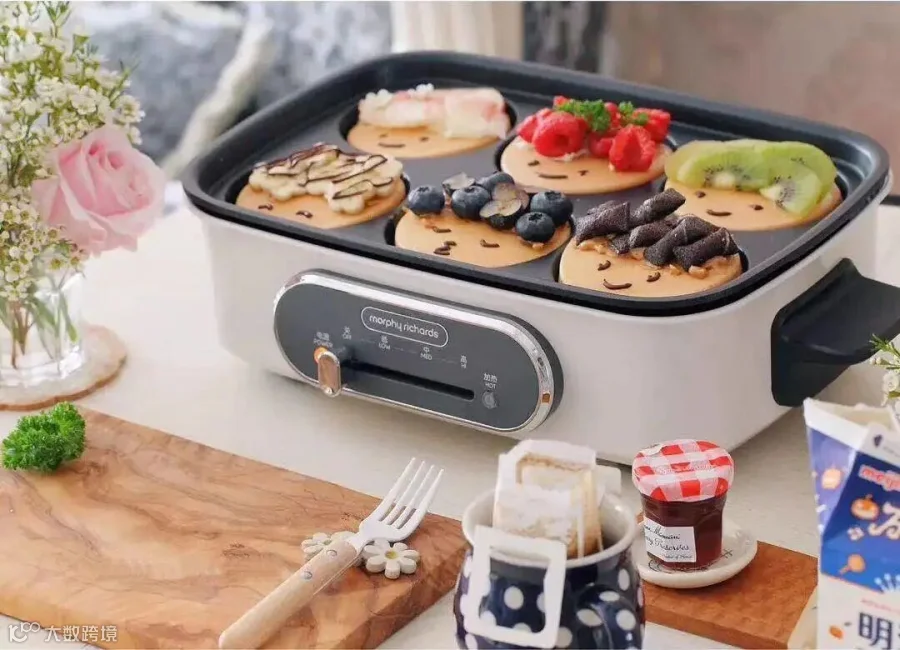
富含糖类和油脂的甜点会让大脑感到十分兴奋。
因为我们的生命依赖于食物,所以在心理上对食物的奖励机制是人的固有天性。即使只是看到食物或闻到食物的味道也会触发我们大脑的奖赏机制。然而,并不是“物物平等”。人们面对富含糖类和脂肪的食物时最为欣喜。
The crucial nature of food to our survival makes it inherently rewarding. Even the sight or smell of food triggers a response in the brain's reward system. All foods are not equal, however, with the strongest hedonic response for the combination of sugar and fat.
我们对甜食有一种天生的偏爱,它仿佛可卡因一般能引人着迷。甚至饱腹感都难以撼动我们对甜食的追求——即使我们刚吃完一顿大餐,也可能依然觉得自己还能再吃点儿甜品。

即使我们刚吃完一顿大餐,也可能依然觉得自己还能再吃点儿甜品。
望梅止渴
但实际上,我们仅仅是从社交媒体上看到了香蕉面包的图片,并非真正摆在我们面前。在食用某种食物前尽可能多的了解它能在很大程度上保护我们免受伤害。人会通过视觉、嗅觉、社会影响来判断食物的可食用性和价值,这能增加我们对食物的欲望。
But banana bread was in our social media feed, not in front of us. Gaining as much information as we can about food before putting it in our mouth is vital to protect us from harm. We use visual and olfactory input and social influence as cues to food availability and value, increasing our motivation to eat.
对于那些富含碳水化合物、脂肪和盐的诱人美食来说,这种情况尤为明显。它们的样子会激发我们的食欲,刺激我们的消化反应,让我们垂涎。
This is disproportionately so for palatable foods, those tempting items packed with carbohydrates, fat, and salt. Their images can trigger cravings, salivation, and digestive responses.

我们学会将刺激(香蕉面包)与其结果(愉悦或满足)联系起来,并得到大脑机制的奖励——多巴胺的分泌。这意味着我们实际上是在期待吃美食的过程中分泌了大量多巴胺,而不是在进食过程中。在我们的现代环境中,Ins上的帖子等刺激,可能比饥饿信号更强烈地驱动我们寻找食物。
The way we learn to associate a stimulus (banana bread) with its outcome (pleasure or satiation) means we actually receive the reward response, a burst of dopamine, in anticipation of sensory cues, rather than during consumption. In our modern environment, these cues, such as Instagram posts, might drive our food-seeking behavior even more strongly than signals of hunger.
烘焙的行为可能特别有效,因为我们的嗅觉皮层与处理情绪的区域(杏仁核)和记忆区域(海马皮层)高度相连。这种气味能唤起我们关于美食的生动记忆和相关情感。它还可以降低心率,减轻压力和焦虑,改善心理和免疫功能。
The act of baking might be especially potent because our olfactory cortex is highly interconnected with regions processing emotion (amygdala) and memory (hippocampal cortex). The smell can evoke vivid autobiographical memories and emotions associated with them. It can also lower heart rate, reduce stress and anxiety, and improve psychological and immune function.
就像玛德琳蛋糕诱使作家马赛尔·普鲁斯特在他的自传小说《追忆似水年华》中重温童年回忆一样,烤箱里香蕉面包的香气也可能唤起人们对童年的美好记忆。
Just as a madeleine cake induced author Marcel Proust to relive a childhood memory in his autobiographical novel In Search of Lost Time, positive childhood memories of baking might be evoked by the scent of banana bread in the oven.

这种舒适感与幸福感正是我们在疫情防范期中所需要的,尤其是对于那些与家人分离的人
疫情防控期间,人们的情绪波动也会对食欲产生影响。压力过大和低落的情绪可能会引发人们对于食物的渴望,尤其是那些富含碳水化合物和油脂的“安慰性”食物。
The emotional turbulence of lockdown is also influential. Stress and low mood can trigger food cravings, especially for carbohydrates and fat-laden “comfort” foods.

应激源会导致人们摄入更多的“安慰性”食物,并且对这类高糖、高脂食物的渴望更加强烈。瘦素是一种传递饱腹感的荷尔蒙。压力会导致瘦素减少,人体皮质醇激素的分泌增加,从而刺激人们的食欲,“引诱”人们去寻找“安慰性”食物。
Stressors increase the consumption of comfort foods and increase the motivational value of these foods, making us want them more. Stress increases levels of the hormone cortisol, increasing appetite, and (comfort) food-seeking behavior by reducing the effects of leptin, a hormone signaling fullness.
夜间“觅食”
疫情封锁还会影响人们的睡眠。有报告显示,人们奇怪而生动的梦境增加了,并且日间的瞌睡时间也有所上升。而睡眠是影响人食欲和饮食方式的重要因素之一。和压力一样,睡眠不足也会导致对于美食的渴望。
Lockdown also affected people's sleep, leading to reports of vivid, bizarre dreams and increased daytime sleeping. Sleep is hugely influential in appetite and eating behavior. Like stress, sleep deprivation is associated with palatable food cravings.
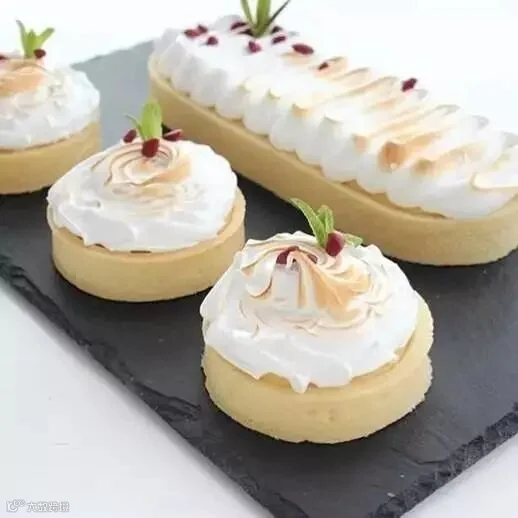
白天打盹的破坏性尤其大,因为它会减少褪黑激素的分泌。夜幕降临时,我们的身体会分泌褪黑素来帮助睡眠,它能增加瘦素的敏感性。而低瘦素水平则会导致高胰岛素和皮质醇水平(与压力有关的激素),从而增加饥饿感,诱使我们觅食。
Day sleeping is particularly destructive, as it reduces melatonin secretion. We secrete melatonin when it starts to get dark, to aid sleep and increase leptin sensitivity. Lower leptin levels result in higher insulin and cortisol levels (our old friend the stress hormone), increasing hunger and food-seeking.
所以,如果你因为自己在无聊时吃零食而自责,我们想在这里告诉你,疫情封锁期增长的那些体重可能并不意味着你缺乏自制力。我们的大脑会利用食物存在等感官信号来控制人的食欲和饮食习惯,而这种现象受到进化、社会、进食动机等多重因素的影响。
So if you punish yourself for snacking through boredom, those extra lockdown pounds might not indicate a lack of self-control. A combination of evolutionary, social, and motivational forces shape the way our brain uses sensory signals indicating food availability to control our appetite and eating behavior.

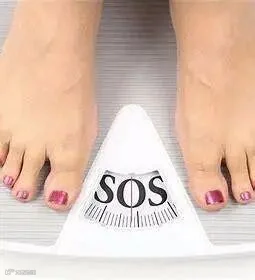
疫情封锁期增长的那些体重可能并不意味着你缺乏自制力。
所以,当我们感到疲惫、焦虑、不确定时,那些社交媒体上的富含糖和油脂的香蕉面包的照片,可能正是在提醒我们应该走进厨房,加入家庭烘焙的大军。
原文链接:https://www.inverse.com/mind-body/the-psychology-of-banana-bread-why-it-makes-us-feel-good/amp

编译 | 祖芃芃 陈语姝 庄雯怡
排版 | 陈语姝
审核 | 赵寒旭