

In an effort to curb the spread of the coronavirus, schools around the country have closed. We’ve experienced expected consequences: students falling behind academically, and parents who can’t get work done because of screaming kids.
为遏制新冠病毒传播,美国各地政府下令关闭学校。结果正如我们预期:学生们成绩下滑,家长也因为吵闹的孩子完不成工作。
But there’s a scarier issue at play here. When kids are at home, they go online, and online child predators are going to take advantage of that situation.
不仅如此,这种情况还造成了一个更为可怕的问题。当孩子们在家上网,在网上物色儿童的不法分子也开始伺机而动。
A new report from Europol noted there has been an increase in the digital activity of those seeking to sexually exploit children through the Internet. Predators are posting on Web forums that they expect young people to be more vulnerable because of social isolation, less supervision and more time on their computers. In late March, the FBI issued a warning about this danger to parents across the country.
欧洲刑警组织的新报告指出,利用网络对儿童进行性剥削的数字活动有所增加。不法分子在网络论坛称,他们预计在疫情期间,由于社交隔离、监管减少和电脑使用时间的增加,年轻人更容易受到侵害。三月下旬,美国联邦调查局警告全国父母注意这方面的问题。
"The volume is overwhelming and it can be very daunting. It can feel like a constant pressure and that it's never going to end,” Allwang, a program manager at the National Center for Missing & Exploited Children (NCMEC), told CNN in a phone interview.
“关于儿童性剥削的案件多得令人望而生畏。你感觉到一种持续的压力,一种永远不会消失的压力。”全国失踪和被剥削儿童中心的项目经理Allwang在CNN的电话采访中说道。


01 二次分享最要命

In April of 2019, NCMEC received roughly 1 million reports. Last month, it saw more than 4.1 million come in via its CyberTipline, according to data provided to CNN.
2019年4月,全国失踪和被剥削儿童中心受理了大约100万份儿童性剥削案件。据CNN提供的数据,上个月,该中心通过检举热线收到超过410万次报案。
"The pandemic is having an effect," John Shehan, vice president of NCMEC's Exploited Children Division, told CNN. "There are some very bad actors out there who are preying on this opportunity of more kids at home and online with parents who are having to juggle homeschooling and work.”
全国失踪和被剥削儿童中心的副主席约翰·希恩告诉CNN:“疫情正在影响人们的生活。更多孩子在家上网,家长却不得不奔波于家庭教育和工作之间,一些居心叵测的人便趁虚而入。”
An increasingly tech-savvy population of minors, combined with millions of students engaged in remote learning and more adults spending time online than ever before has created more opportunities for children to be exploited, Shehan said.
希恩说,精通科技的未成年人人数上涨,加上数百万学生参与远程学习,上网的成年人也比以往更多,这些都导致了儿童被性剥削的几率增大。
He said being cooped up during stay-at-home orders has also added to the increase in reports. "Kids can't go out and play with friends. They are online more and more."
他还说,居家隔离的规定也导致了性剥削案件数量的增加。“孩子们不能出去和朋友玩,因此他们上网的时间越来越长。”
The Deep Web, as its name suggests, is the freewheeling part of the internet that has seen increased activity from bad actors since the pandemic struck. That's where people are "seizing this opportunity," Shehan said.
“深网”,正如它的名字所暗示的那样,是一个不受监管的网站。自疫情爆发以来,物色儿童的不法分子在这里的活动有所增加。希恩表示,这就是他们“利用(疫情)这一时机”从事不法活动的地方。
Tor is perhaps the darkest corner of the Dark Web where a collection of secret websites require special software to access them. Tor says it's a way to "use the internet with as much privacy as possible, and the idea was to route traffic through multiple servers and encrypt it each step of the way," according to its website.
洋葱路由(Tor)可能是暗网最黑暗的角落,是需要特殊软件才能访问的一系列秘密网站。该网站称,这是一种“尽可能隐秘使用互联网”的方式,其理念是通过多台服务器路由通信,并对每一步进行加密。
#安全网络洋葱路由(Tor)是一种在计算机网络上的匿名通信技术,不仅能够掩盖信息收发者的IP地址,同时能对传输的信息内容进行保密。一项数据显示,Tor可连接进入约3万个隐藏的网络服务站点,流量占整个互联网流量的3.4%。
"They are talking about these stay-at-home orders and their desire to use this opportunity to entice children to produce sexually explicit content," Shehan said.
希恩说:“他们在谈论居家隔离的规定,和趁机诱使孩子们制作色情内容的想法。”
This sort of content has spilled over into the mainstream web. NCMEC works with more than 1,400 companies to help them report instances of child pornography to NCMEC's CyberTipline.
这类内容已经蔓延到主流网络。为此,全国失踪和被剥削儿童中心与1400多家公司合作,帮助他们向检举热线举报儿童色情案件。
Facebook, Snapchat and Imgur were among the 15 companies with the most online child abuse reports sent to NCMEC in 2019, according to data on NCMEC's website.
据全国失踪和被剥削儿童中心网站数据,Facebook、Snapchat、Imgur等15家公司在2019年向其汇报的网络虐童案件最多。
Facebook had 15,884,511 reports, Snapchat had 82,030, and Imgur had 73,929, according to publicly available data on NCMEC's website.
据该网站上的公开数据,Facebook、Snapchat、Imgur各汇报了15884511、82030、73929个案件。
One of the other reasons for the rise in reports last month to the CyberTipline was a handful of child abuse videos that went viral, Shehan said.
希恩说,上个月,检举热线所收到的举报数量上升还因为一些在网站上疯传的虐童视频。
Scores of people were reportedly resharing these child abuse videos and photos in hopes of bringing the perpetrator to justice, he said. The reality is, resharing adds to the abuse and is a federal crime.
他说,据报道,很多人出于将犯罪者绳之以法的本意,二次分享了这些虐待儿童的视频和照片。但事实上,这种行为不仅会对儿童造成二次伤害,更是一种联邦犯罪。
"You have people sharing this material out of outrage," Shehan said. "What they don't realize is, they are breaking the law. They are disseminating illegal material.”
“一些人出于愤怒将这些图片和视频分享出去,”希恩说,“但他们没注意到的是,他们正在犯法,因为他们正在传播违法内容。”


02 性羞耻感是关键
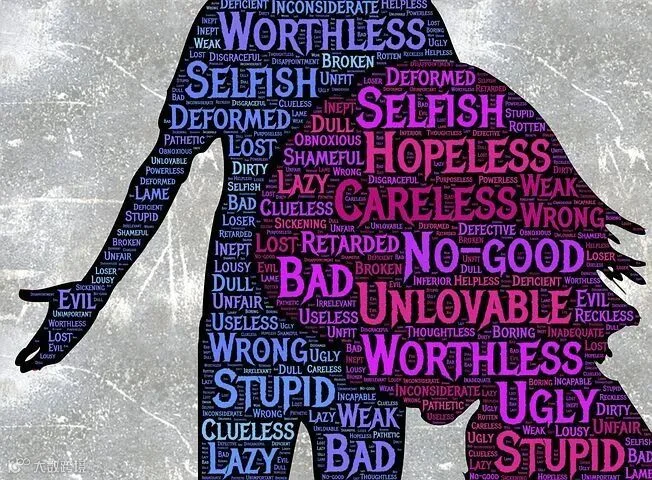
Many parents are unaware of the risks of sexual abuse online. The New York Times recently reported a case of a mother who was relieved her son was playing Minecraft and Fortnite instead of the more violent Grand Theft Auto. She later found a video of bestiality with a child in her son’s online chats with other players. Such stories are becoming increasingly common. In 2018 tech companies reported finding more than 45 million instances of child sexual abuse material on their platforms.
很多家长都没有意识到网络性虐待的风险。《纽约时报》最近报道了一位母亲的案例。她的儿子一直在玩《我的世界》和《堡垒之夜》,而不是更有暴力因素的《侠盗猎车手》。这本来让她很放心。但是后来,她在儿子与其他玩家的聊天中发现了一段儿童兽交视频。这样的案例变得越来越普遍。2018年,科技公司报告称,他们在自己的平台上发现了超过4500万起儿童性虐待案例。
Predators make their way into chat rooms and video game sessions and often pose as minors, starting innocuous conversations. These interactions escalate into the adults pressuring children to send them sexually explicit photographs or videos (sometimes using financial bribes; other times exploiting vulnerabilities around self-esteem). The predators later use such images as blackmail to coerce their victims into sending them more sexually explicit material and keeping the abuse secret. They may threaten to send the pictures to children’s parents if they don’t provide increasingly graphic images.
物色儿童的不法分子经常以未成年人的身份潜入网络聊天室和游戏会话。一开始他们会和孩子聊些无关痛痒的话题,随后,这些互动逐步升级为施压,他们会要求孩子发送自己的色情照片或视频(他们有时用钱贿赂,有时则利用孩子自尊心上的弱点)。这些人之后会拿这些图片要挟受害者向他们发送尺度更大的内容,并要求孩子们保密。如果孩子不愿提供更多图片,他们可能会威胁要把照片发给孩子的父母。
Because of shame around sex, which predators exploit, children often keep their interactions with abusers secret until they’ve escalated out of control. We live in a society where sex is often thought of as bad or shameful. Kids don’t want to talk to their parents about it. If the assailant has taken sexual images of a child, the victim is likely horrified that their parents will see this material. That fear of sexual shame can be crippling, and it prevents reporting.
很多孩子都有性羞耻感,因此只要事态尚未失控,他们经常对这一切行径守口如瓶,而不法分子恰恰利用了这个心理。我们的社会常常把性看作恶劣或可耻的东西。所以孩子们不愿和他们的父母谈论这件事。如果不法分子拿到了孩子们的情色图片,这些孩子们很可能会害怕他们的父母看到这些东西。这种性羞耻带来的恐惧会让人崩溃,也会阻挠孩子们去举报。
Children often don’t realize that they’re the victims in these situations. Even when they do, they still fear others will think differently, or poorly, of them because they are involved in something sexual. And so they stay silent. Arguably the most important thing parents can do is talk with their children openly about these risks and combat the shame.
孩子们往往没有意识到自己在这些情境下其实是受害者。即使他们意识到了,他们仍然害怕别人会有不同的看法,或者看不起他们,因为这件事涉及到了性。于是他们保持沉默。可以说,父母的首要任务就是与孩子开诚布公地谈论这件事的风险,并帮助他们克服羞耻感。
Experts say there are two important things parents can do to protect their children from the dangers of online: Pay attention to their internet habits, and teach them how to surf the web carefully.
除此之外,专家指出,为了保护孩子们不受伤害,家长还必须注意两件重要的事:关注孩子的上网习惯并教导孩子科学上网。
Shame is a dangerous factor here and can lead kids to hide risky online interactions while they escalate. Shame also thrives on silence. Parents should talk to their children about red flag behaviors: strangers telling them to keep their relationships secret, asking them for personal information, requesting they move conversations to other less monitored platforms like Snapchat, and offering gifts like in-game credits.
羞耻感是网络儿童性剥削案件中的危险因素,会导致孩子们在事态升级后仍然选择隐瞒。羞耻感还会在沉默中滋生,越沉默,羞耻感越强烈。因此,家长应该事先提醒孩子们哪些现象值得警惕,包括:陌生人要求孩子对他们的关系保密;索要孩子的个人信息;让孩子和他们到Snapchat等监管更松的平台上聊天;赠送游戏积分等礼物。
"As parents, we have to constantly be vigilant," said Bruce Friend, the chief operating officer of Aurora Institute, formerly known as the International Association for K-12 Online Learning.
奥罗拉(旧称K12线上教育的国际协会)的首席运营官布鲁斯·弗伦德说:“作为家长,我们必须时刻保持警惕。”
#K12:教育类专用名词(kindergarten through twelfth grade),是学前教育到高中教育的缩写
"If you notice any warning signs, where they are spending more time online or on their phone, especially at night, there are calls coming in that seem to be out of the ordinary, go look at the history, see what's going on."
“如果你发现任何端倪,比如你的孩子上网或者通电话的时间变长了,尤其当是他们总在晚上接到异常电话的时候,你就有必要去查一下历史记录,搞清楚到底发生了什么。”