

手指一拉,眼角上扬,“狐狸眼妆”教程,是对所谓“亚洲杏仁眼”的模仿,这一全网走红的眼妆趋势,背后的种族主义歧视你了解吗?
"Ching chong eyes!" That's what elementary school kids used to call Sophie Wang. It was an insidious racist slur casually thrown around as they mocked her Asian ethnicity while pulling on the corner of their eyes. Upward for Japanese. To the side for Chinese. Downward for Korean.
“清冲眼!” 这就是Sophie Wang的小学同学给她的称呼。当他们用把眼角拉高,来嘲笑自己的亚洲血统时,就构成了阴险的种族主义。眼睛往上挑是在模仿日本人,向两边拉是在模仿中国人,往下掉是在模仿韩国人。
Ching Chong:外国人用来嘲笑、歧视中国人发音的词语。

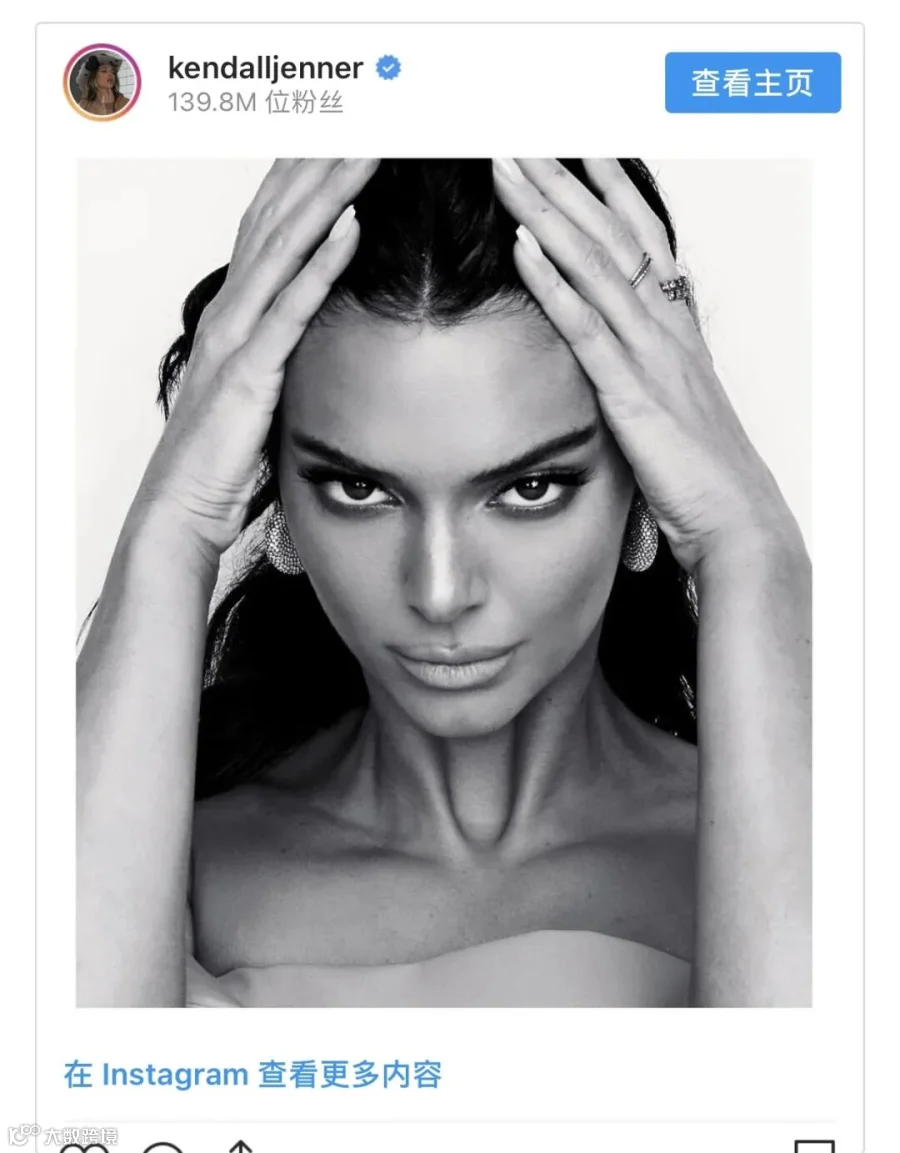
在Instagram、TikTok和YouTube上,世界各地的人们纷纷上传视频和照片,模仿肯达尔·詹娜、贝拉·哈迪德和梅根·福克斯等名人的样子,用化妆和其他方法模仿所谓的“杏仁形”眼睛。“狐狸眼妆”的教程展示了如何使用眼影、眼线笔和假睫毛,打造出眼睛像羽翼一样上扬的美感。化妆的建议有,剃掉尾部,重新画眉毛,让它看起来更直、角度更向上。还有人建议把头发往后梳成高高的马尾,或者用胶带把眼睛“拉”起来。(这样的姿势和文章开头Wang回忆里同学们用来歧视她的手势如出一辙。)
But to Wang and other Asian Americans, the "migraine pose" that sometimes accompanies these images -- using one or two hands to pull the eyes up by the temples to exaggerate the result -- is far too similar to the action used to demean them in the past.
在Instagram上拥有980万粉丝的博主Emma Chamberlain,最近发布了一张她伸出舌头并摆出上述姿势的照片,受到了很多人的批评。Chamberlain后来删除了这张照片,表示她无意冒犯别人,并对那些受到伤害的人感到非常抱歉。
可惜的是不管本意如何,伤害已经造成了。
"They mock my eyes then say ching chong call me a dog eater and then call me a ch*nk. Like why would you think I'd be fine with Emma's post?" one person tweeted. "Obviously if she gets to do slant eyes whilst getting praised but it's my natural eye shape and I'm getting discriminated (of course) I'm mad."
“这个新时尚蕴含的是过去深深的刻板印象和歧视,”王女士在一个电话采访中说,“这让像我这样的人感到非常不适,是时候谈谈这个话题了。”
01
Appropriating Asian eyes
挪用亚洲眼

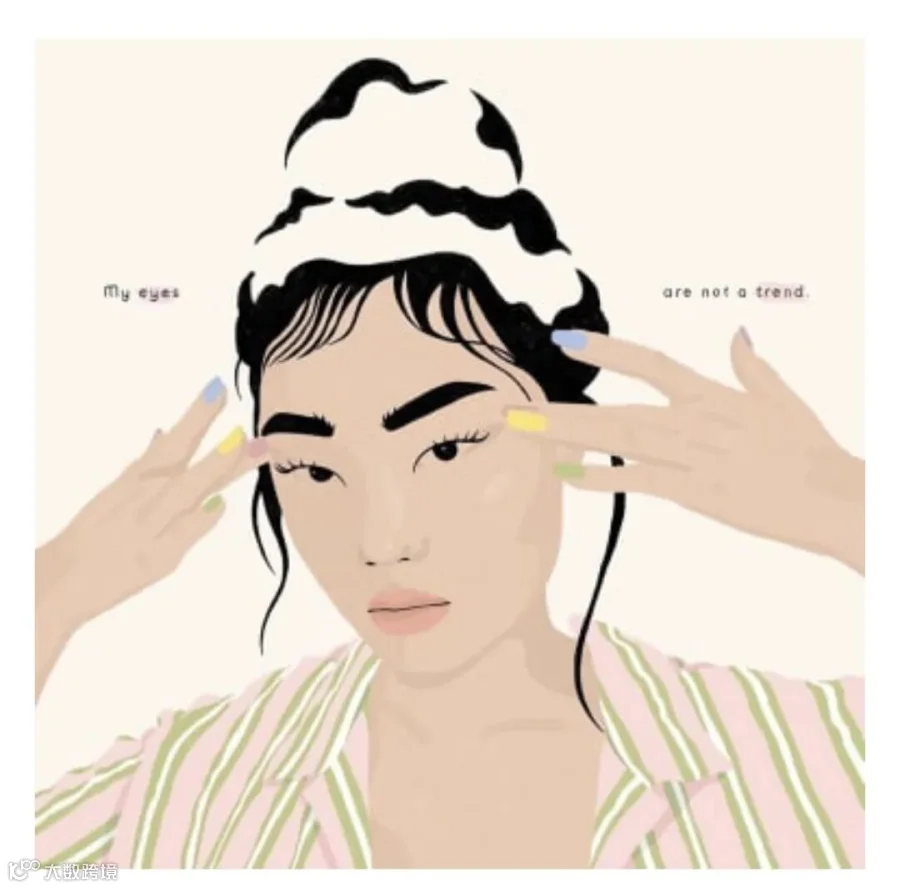
堪萨斯大学的社会学教授凯利·h·钟将文化挪用定义为,一个群体的思想、做法、习俗和文化特征被另一个拥有更大特权或权力的群体的成员采纳,这种采纳通常是不被承认或不当的。
Kelly H. Chong, a sociology professor at the University of Kansas, defines cultural appropriation as the adoption, often unacknowledged or inappropriate, of the ideas, practices, customs and cultural identity markers of one group by members of another group whom have greater privilege or power.
“来自主流文化的影响者们将其合理化为一种酷炫的风格‘潮流’,其实在这个过程中异化和色情化了它,”Chong在电子邮件中补充道,她说,甚至用来描述狐狸眼睛形状的术语“杏状眼”,长期以来也被用来描述亚洲人眼睛的形状。
她指出,历史上好莱坞模仿亚洲人眼睛形状的做法也让人很不舒服,20世纪30年代初,化妆师塞西尔·霍兰德使用了一些化妆技巧——类似于现在的狐眼妆——将白人演员化妆成邪恶的亚洲角色,比如傅满洲。而在《蒂凡尼的早餐》中,白人演员米基·鲁尼扮演霍莉·戈莱特利的邻居——一个口音浓重的日本人,这让“龅牙、斜眼的亚洲男人形象”的想象在人们心中根深蒂固。

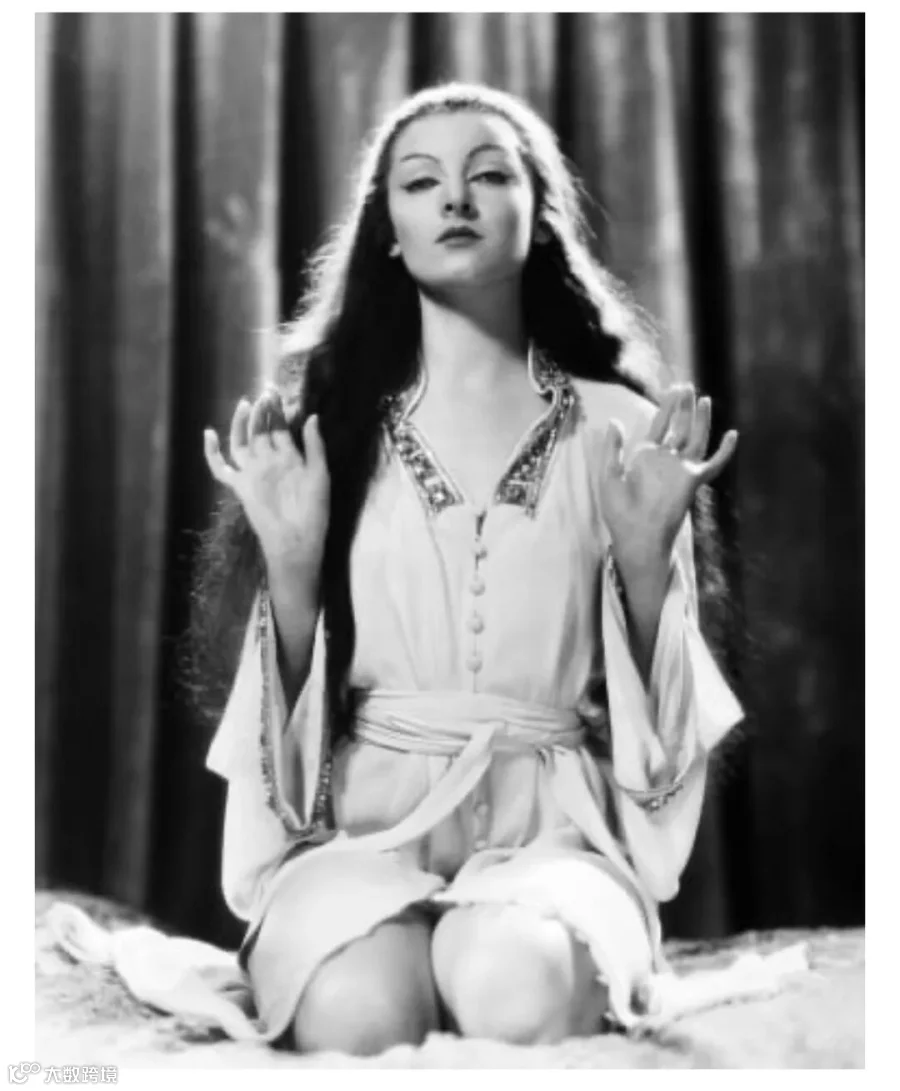
白人女演员麦尔娜·洛伊饰演傅满洲的女儿
像大多数美妆潮流一样,对“狐狸眼妆”的狂热终将消退,事实上这在今年早些时候已经有所征兆。而这正是问题所在,Dear Asian Youth(一家总部位于加州,鼓励亚洲人积极参与社会活动的组织)的创始人斯蒂芬妮·胡表示。胡说:“这确实是一种暂时的趋势,亚洲人的眼睛形状不是什么可以轻易地被大家接受,然后等潮流过去又随意抛弃的东西,我们的眼睛是伴随我们一辈子的东西。”
Like most beauty trends, the craze for fox eyes will eventually subside, and has begun to already since it first came about earlier this year. But that's exactly the problem, according to Stephanie Hu, founder of Dear Asian Youth, a California-based organization that encourages Asian activism.
02
Pressure to assimilate
同化的压力
许多亚洲人长期以来一直感受到改变眼睛形状、让眼睛看起来更大的压力。眼睑整容术被用作创造双眼皮,或睑板上眼睑折痕。这是东亚国家以及亚裔美国人中最常见的整容手术之一。但当它在20世纪50年代初首次普及时,它被用作韩国女性在美国同化的工具。

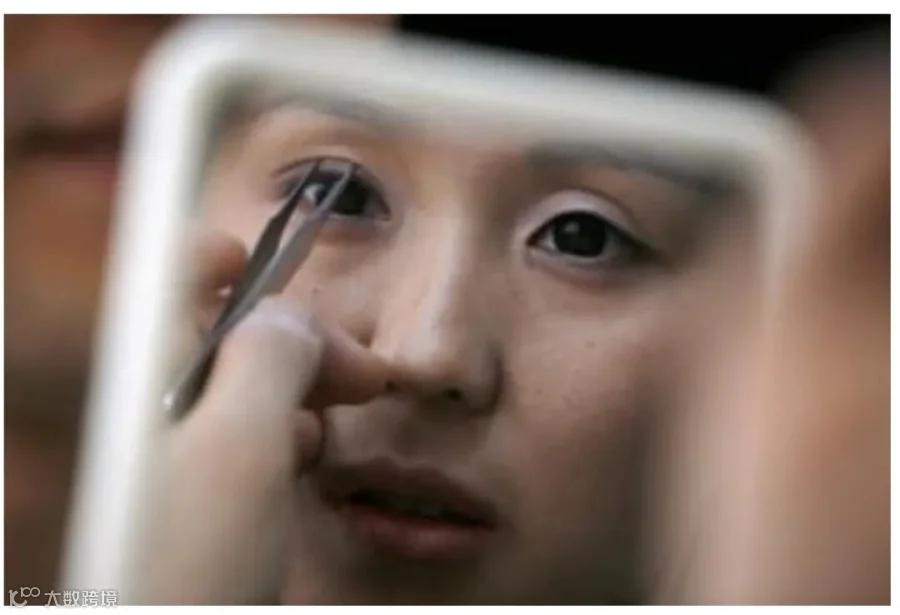
韩国整形外科医生展示双眼皮手术使眼睛显得变大的效果。
据《韩国先驱报》报道,美国军事整形外科医生大卫·拉尔夫·米勒德博士在朝鲜战争期间首次进行了手术。他的第一批病人是嫁给美国士兵的朝鲜战争新娘。该报写道,由于新娘们被认为是“对美国的文化和种族威胁”,他们中的许多人会接受手术,以努力融入其中,显得“不那么有威胁”。
According to The Korea Herald, American military plastic surgeon Dr. David Ralph Millard first performed the surgery during the Korean War. His first patients were Korean war brides who had married American soldiers. Because the brides were considered "both cultural and racial threats to the US," the paper wrote, many of them would get the surgery in an effort to assimilate and appear "less threatening."
“通过手术改变‘倾斜’的眼睛成了一个‘优秀’和值得信赖的亚洲人的标志,这样的面部整形令人欣慰地展示了温顺的亚洲人,也被用来证明美国是榜样,亚洲是模仿者的论断,”当时在保龄格林州立大学攻读博士学位的金泰妍在2005年的论文中写道,这篇文章引用了她的论文。
"Surgically altering the 'slanted' eyes became a mark of a 'good' and trustworthy Asian, one whose modification of the face provided a comforting illustration of the pliable Asian, and served as evidence of the US as the model and Asia as the mimic," wrote Taeyon Kim, then a PhD student at Bowling Green State University, in her 2005 dissertation, which is quoted in the article.
“虽然主要是对美的追求激发了(现在的女性)改变眼睛的欲望,但这种美丽是建立在西方科学和种族历史传统的基础上的,这些历史传统默认白人有正常、美丽的身体特权,”金写道。
"While it is primarily beauty that motivates (today's women's) desire to alter their eyes, this beauty is built on a legacy of history of Western science and race that privileged the white body as the normal, beautiful body," Kim wrote.
这种同化的压力持续了近几十年。2013年,电视名人和新闻主持人陈茱莉在《脱口秀》上透露,她在25岁时做了眼睑整形手术,以在职业生涯中取得成功。一位前老板告诉她,“亚洲人的眼睛”让她看起来“不令人感兴趣的”和“无聊”。手术后,陈在《魅力》杂志2016年的一篇专栏文章中说,“至少从社会标准来看,我确实看起来更好看了。”
03
When social trends go viral
一种审美趋势的病毒式蔓延
如今,社交媒体很大程度上决定了怎样的才是吸引人的,这使得一种审美趋势常常病毒式的蔓延,很快就能摧毁一个人的自信与自我价值。在抖音上,狐狸眼妆的标签累积了7千多万的观看量;Instagram则有超过7万的相关帖子。亚裔美籍的美妆博主Marc Reagan表示,一开始他并没有想到狐狸眼妆的流行能引发这么多的问题。“但事情变化了,人们开始加上向上提太阳穴的手势,这使得它的冒犯意味更浓了。”
"I absolutely think that everyone needs to pause before they take (that) action," Reagan said in a phone interview. "Everyone needs to pause, take a step back: 'Is this something that could be interpreted the wrong way?' 'Am I taking it down the path where it turns from being a simple makeup trend into appropriation?'"
他在一个电话采访中说:“我认为在这个问题上,所有人都应该冷静下来好好想想:‘这个行为会不会被误解’‘它已经不再仅仅是一个美妆趋势,我还要继续下去吗?’”Reagan补充道,在疫情期间,东亚裔的人们频频受到种族歧视或攻击的情况下,一些人感到被这种流行趋势冒犯一点都不奇怪。毕竟有些人,包括美国总统在内,都将新冠病毒称为“中国病毒”。
"You can't be surprised that someone's going to be offended by you exaggerating a feature on your face that mimics something that they've been made fun of or discriminated against for. So we are (living) in a really sensitive time and those types of things need to be taken (into consideration) every single day."
“你夸大的脸上的特征,是别人曾被嘲笑和歧视的部位,这样的行为难道不冒犯吗?我们生活在一个十分敏感的时代,对这类事情都应该三思而后行。”
原文链接:
https://edition.cnn.com/style/article/fox-eye-trend-asian-cultural-appropriation-trnd/index.html
编译 | 陈雨昕 王思雨 靳晓乐
排版 | 靳晓乐